Ford Eyes Pentagon Deal: Military Vehicle Talks Heat Up
Ford has confirmed talks with the Pentagon to supply military vehicles and defense products, signaling a potential major expansion into the defense sector. The move could reshape Ford's business mix and intensify competition in the defense industrial base.
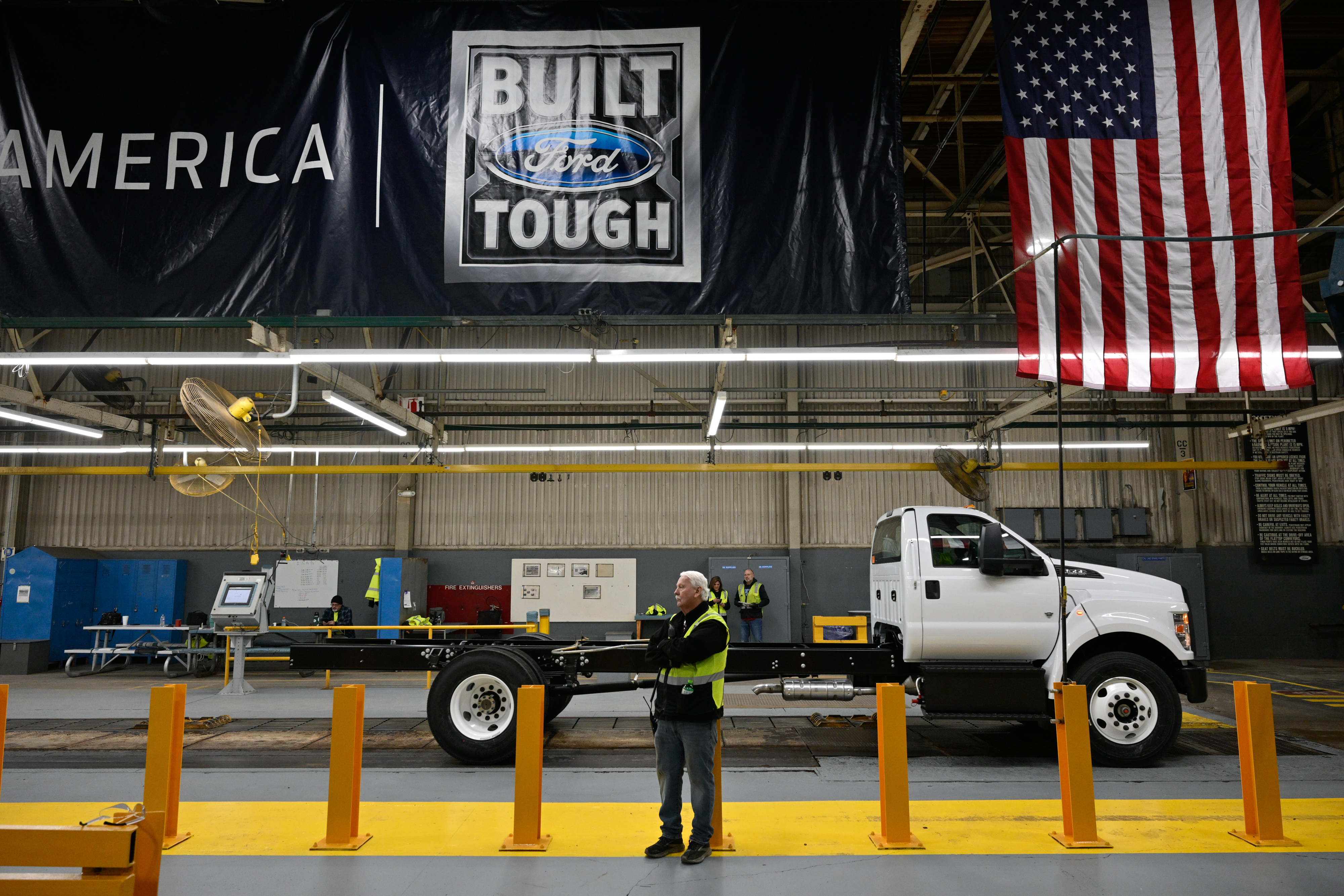
Executive Takeaways
- Ford Motor Company confirmed on Tuesday that it has held talks with the Pentagon about supplying military vehicles and other defense products to the U.S. military.
- The potential deal would mark a significant expansion of Ford's defense business, which currently focuses on specialized vehicles and components.
- Ford's existing defense portfolio includes the F-150 Raptor-based military vehicle and other tactical platforms, but a broader agreement could encompass logistics, electrification, and autonomous systems.
- The talks come amid rising global defense budgets and a push for modernization, presenting a major growth opportunity for Ford.
- Investors reacted positively, with Ford shares rising in early trading, though financial terms and scope remain undisclosed.
The Core Event & Breaking Timeline
On Tuesday, Ford Motor Company publicly disclosed that it has engaged in preliminary discussions with the U.S. Department of Defense (Pentagon) regarding the supply of military vehicles and other defense-related products. The announcement, made during a media briefing, marks the first official confirmation of Ford's renewed interest in expanding its footprint in the defense sector. While details remain scarce, the talks signal a potential strategic shift for America's second-largest automaker as it seeks new revenue streams beyond the highly competitive consumer vehicle market.
The disclosure came after months of speculation within defense and automotive circles about Ford's intentions. Sources familiar with the matter indicate that the conversations began earlier this year, driven by the Pentagon's need to modernize its vehicle fleet and enhance logistical capabilities. Ford's existing defense offerings, such as the F-150 Raptor-based tactical vehicle and various components, have already been deployed in limited capacities, but a broader agreement could encompass a wide range of products, from light tactical vehicles to electrified platforms and autonomous systems.
Market reaction was swift and positive. Ford's stock (NYSE: F) rose approximately 2.5% in early trading following the news, outperforming the broader S&P 500 index. Analysts noted that the potential defense contract could provide a stable, long-term revenue stream that is less cyclical than consumer auto sales. The Pentagon has not publicly commented on the talks, but defense officials have previously emphasized the need for innovation and partnerships with commercial industry to maintain technological superiority.
The timing of the announcement is notable, coming amid heightened global tensions and increased defense spending across NATO countries. The U.S. military is actively seeking to replace aging fleets and incorporate advanced technologies such as electrification, autonomy, and connectivity. Ford's expertise in mass production, supply chain management, and electric vehicles could position it as a key partner for the Pentagon's modernization efforts. However, the talks are at an early stage, and no timeline for a potential agreement has been established.
Deep Technical & Financial Architecture
Ford's potential entry into the defense market at scale would leverage its core competencies in vehicle manufacturing, electrification, and software integration. The company's existing defense products, such as the Ford F-150 Raptor-based military vehicle, are built on commercial platforms, which allows for cost efficiencies and rapid production. A broader defense contract could involve the supply of modified commercial vehicles for logistics, troop transport, and reconnaissance, as well as the development of specialized electrified platforms for silent watch and reduced fuel dependency.
Financially, a defense contract could significantly impact Ford's balance sheet. The company's defense revenue is currently a small fraction of its total sales, but a major Pentagon deal could add billions in backlog. For context, Ford's total revenue in 2023 was approximately $176 billion, with the vast majority from consumer vehicles. Defense contracts typically offer higher margins and longer-term visibility, which could help smooth earnings volatility. However, defense work also requires compliance with stringent military specifications, which may necessitate additional investment in testing, certification, and secure supply chains.
From a technology stack perspective, Ford's advancements in electric vehicles (EVs) and autonomous driving could be adapted for military use. The Pentagon has expressed interest in hybrid and electric vehicles to reduce reliance on fossil fuels and improve operational flexibility. Ford's Pro Power Onboard technology, which provides mobile power generation, could be particularly useful for military field operations. Additionally, Ford's software platform, including over-the-air updates and fleet management tools, could enhance military fleet maintenance and logistics.
Unit economics for military vehicles differ from consumer models. Military contracts often involve low-volume, high-mix production, which can be challenging for mass-market automakers. However, Ford's flexible manufacturing systems and modular platforms could mitigate these challenges. The company may also partner with established defense contractors to navigate the complex procurement process and meet specific military requirements. Analysts estimate that a successful defense deal could add $1-2 billion in annual revenue within five years, with margins in the high single digits to low double digits.
Supply chain considerations are also critical. Ford's global supply chain, while robust, may need to be adapted to meet defense-specific requirements such as domestic sourcing and cybersecurity standards. The company has already invested in domestic battery production and semiconductor sourcing, which could align with Pentagon priorities. However, the defense sector's stringent security clearances and export controls could pose hurdles for Ford's international operations.
Industry & Global Market Ripple Effects
Ford's potential move into defense would intensify competition in the defense vehicle market, which is currently dominated by specialized contractors like Oshkosh Defense, General Dynamics Land Systems, and BAE Systems. These incumbents have long-standing relationships with the Pentagon and deep expertise in military requirements. Ford's entry could disrupt the status quo by offering commercial-derived vehicles at lower costs and with faster development cycles. Oshkosh, which produces the Joint Light Tactical Vehicle (JLTV), saw its shares dip slightly on the news, reflecting investor concerns about increased competition.
The supply chain implications are significant. Ford's scale and purchasing power could pressure suppliers to offer competitive pricing, potentially benefiting the Pentagon. However, the defense supply chain is highly regulated, and Ford would need to ensure compliance with the Berry Amendment, which requires domestic sourcing for certain military items. This could lead to increased collaboration with U.S.-based suppliers and potentially reshore some production. Additionally, Ford's push into electrification could spur demand for military-grade batteries and power electronics, creating opportunities for battery manufacturers and tech firms.
Globally, the move could influence other automakers to explore defense opportunities. Companies like General Motors and Stellantis have historically supplied military vehicles, and Ford's success could encourage them to expand their defense portfolios. In Europe, automakers like Rheinmetall and KNDS are already major defense players, and Ford's entry could accelerate the trend of commercial-military convergence. The global military vehicle market is projected to grow from $30 billion in 2023 to $45 billion by 2030, driven by modernization programs in the U.S., Europe, and Asia-Pacific.
Investors are closely watching the defense sector's response. Defense ETFs like the iShares U.S. Aerospace & Defense ETF (ITA) were flat on the day, but analysts noted that Ford's news could lead to a re-rating of traditional automakers with defense exposure. Ford's stock, which has lagged the broader market in recent years, could benefit from a defense premium. However, some investors remain skeptical, citing the long sales cycles and political risks associated with defense contracts.
Critical Perspectives, Analyst Debates & Risk Factors
While the potential defense deal offers growth prospects, analysts are divided on its near-term impact. Bullish voices, like Morgan Stanley's Adam Jonas, argue that Ford's manufacturing scale and EV technology could make it a disruptive force in defense, particularly for logistics and support vehicles. Jonas estimates that a successful defense business could add $5-10 to Ford's share price over the next three years. However, bearish analysts, such as Barclays' Dan Levy, caution that defense contracts are highly competitive and require capabilities that Ford may lack, such as secure communications and armor integration.
One major risk is the political and regulatory friction inherent in defense procurement. The Pentagon's acquisition process is notoriously slow and bureaucratic, and Ford would need to navigate complex requirements and lobbying efforts. Additionally, the deal could face scrutiny from lawmakers concerned about conflicts of interest or the militarization of commercial vehicles. Ford's recent history of quality issues and recalls could also raise red flags for defense officials prioritizing reliability.
Another vulnerability is the potential impact on Ford's brand and consumer business. Some consumers may view Ford's increased military involvement as controversial, potentially affecting its image among environmentally conscious buyers. Ford has positioned itself as a leader in electric vehicles, and a defense pivot could create tension with its sustainability narrative. The company will need to carefully manage its messaging to avoid alienating key customer segments.
Supply chain and cybersecurity risks are also significant. Military vehicles require robust cybersecurity to protect against hacking and data breaches, and Ford's software systems may need substantial upgrades. Furthermore, the defense supply chain is subject to strict export controls, which could limit Ford's ability to leverage its global operations. The company may need to establish separate, secure supply chains for defense products, adding costs and complexity.
Strategic Forecast & Road Ahead
Over the next 12-24 months, Ford's defense ambitions will likely move from talks to concrete proposals. The company is expected to formalize a defense division or partnership with an established contractor to bid on specific Pentagon programs. Key milestones include the submission of proposals for the Joint Light Tactical Vehicle replacement and the Army's electric vehicle pilot programs. Ford may also showcase prototypes at defense trade shows like AUSA and IDEX to demonstrate its capabilities.
The Pentagon's budget cycle will be a critical factor. The Fiscal Year 2025 defense budget includes provisions for vehicle modernization and electrification, and Ford could position itself to capture a share of those funds. However, the procurement process is lengthy, and initial contracts may not materialize until 2026 or later. Ford's ability to secure a contract will depend on its willingness to invest in defense-specific R&D and certifications.
What to watch: Ford's next earnings call for any updates on defense discussions; Pentagon announcements regarding vehicle modernization contracts; and potential partnerships or acquisitions that Ford might pursue to bolster its defense capabilities. Additionally, investors should monitor Ford's stock for volatility as news unfolds, and watch for reactions from competitors like Oshkosh and General Dynamics.
In the longer term, Ford's defense foray could reshape the company's identity, transforming it from a pure-play automaker to a diversified mobility and defense solutions provider. If successful, this pivot could provide a buffer against the cyclicality of consumer auto sales and position Ford at the forefront of military innovation. However, the road ahead is fraught with challenges, and Ford's ability to execute will determine whether this becomes a strategic win or a costly distraction.




Comments (0)
No comments yet. Be the first to share your thoughts!
Leave a Comment