UAPA Bail Ruling Deferred: Tech & Finance Sectors Brace for Legal Precedent
Supreme Court defers interim bail pleas of Umar Khalid and Sharjeel Imam, awaiting larger Bench ruling on UAPA bail curbs. The case challenges Delhi HC's rejection, highlighting prolonged pre-trial detention and its implications for legal-tech and finance sectors.
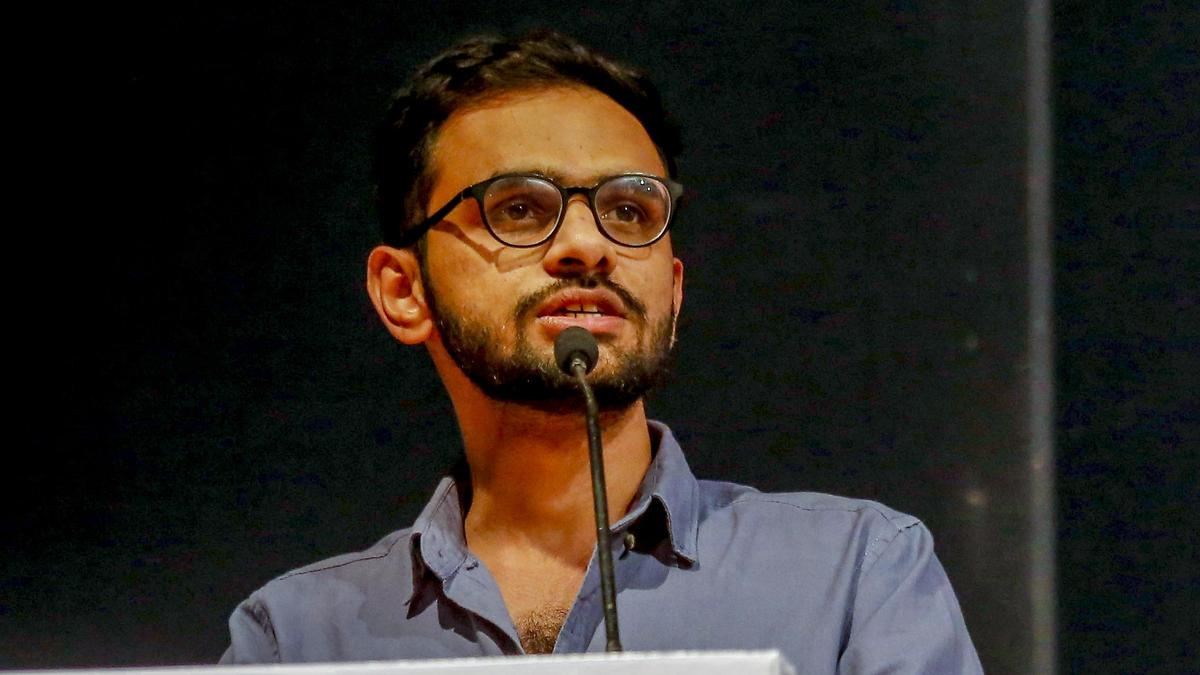
Executive Takeaways
- Supreme Court defers interim bail pleas of Umar Khalid and Sharjeel Imam, pending a larger Bench ruling on UAPA bail restrictions.
- Legal uncertainty looms over prolonged pre-trial detention, with significant implications for India's legal-tech startups and finance sectors.
- Investors eye judicial efficiency as a key metric for rule-of-law risk, impacting foreign direct investment and startup ecosystem confidence.
- Technology solutions for case management and bail processing could see accelerated adoption amid calls for reform.
- Global watchdogs highlight the need for balanced anti-terror laws to protect civil liberties and business environment.
Section 1: The Core Event & Breaking Timeline
On Monday, the Supreme Court of India deferred the interim bail pleas of activists Umar Khalid and Sharjeel Imam, who are facing charges under the Unlawful Activities (Prevention) Act (UAPA) in connection with the 2020 Delhi riots conspiracy case. The bench, comprising Justices A.S. Bopanna and Vikram Nath, decided to await the ruling of a larger Bench on the constitutional validity of stringent bail provisions under UAPA before making a decision on these pleas. This development comes after the Delhi High Court on September 30 rejected their fresh bail applications, prompting the activists to approach the apex court.
The case has been mired in controversy, with the accused arguing that the trial is yet to commence and that they have been incarcerated for over two years without charges being framed. The Supreme Court's deferment effectively extends their pre-trial detention, raising questions about the right to a speedy trial and the presumption of innocence. The larger Bench, which is yet to be constituted, will examine whether the bail restrictions under Section 43D(5) of UAPA, which make bail extremely difficult, violate constitutional rights.
Market reaction to the deferment has been muted, as the case is not directly linked to any listed company. However, legal experts and industry watchers note that prolonged judicial delays and stringent laws can impact the overall business climate. The Bombay Stock Exchange's benchmark Sensex showed no immediate fluctuation attributable to this news, but analysts suggest that such cases contribute to a perception of regulatory and legal risk, which can affect investor sentiment over the long term.
The timeline of events underscores the slow pace of justice: the Delhi riots occurred in February 2020, Khalid was arrested in September 2020, and Imam in January 2020. Since then, multiple bail pleas have been filed and rejected, with the trial yet to begin. This case has become a symbol of the debate over India's anti-terror laws and their impact on civil liberties, drawing attention from international human rights organizations and legal scholars.
Section 2: Deep Technical & Financial Architecture
The UAPA's bail provisions, particularly Section 43D(5), create a high bar for bail by requiring the court to presume guilt unless the accused can disprove the charges prima facie. This reverses the traditional burden of proof and often results in prolonged incarceration. The financial burden on the state for maintaining undertrials is substantial; according to prison statistics, India spends approximately ₹25,000 crore annually on prisons, with a significant portion allocated to undertrials who constitute over 70% of the prison population.
From a legal-tech perspective, the case highlights the inefficiencies in India's judicial system. The lack of digital case management and bail processing systems contributes to delays. Startups like Juspay and LegalKart are working on solutions to streamline legal processes, but adoption remains low due to systemic resistance. The deferment may accelerate the push for e-courts and AI-driven legal research tools that can assist in faster bail hearings.
The financial impact on the accused and their families is severe. Legal costs for a UAPA trial can run into lakhs of rupees, and the loss of livelihood during incarceration adds to the economic strain. For businesses, such cases create a risk premium, especially for those in sectors reliant on free speech and activism, such as media and technology. Investors often factor in rule-of-law indices when allocating capital, and prolonged detention without trial can negatively skew these indices.
Moreover, the case has implications for India's image as a destination for foreign investment. Global companies consider judicial efficiency and human rights records as part of their ESG (Environmental, Social, and Governance) criteria. A perceived erosion of civil liberties can deter investment, particularly from funds with strict ethical mandates. The deferment, therefore, is not just a legal issue but an economic one, with potential ripple effects on FDI inflows.
Section 3: Industry & Global Market Ripple Effects
The deferment of bail in the UAPA case has drawn comparisons with other jurisdictions. In the United States, the Bail Reform Act of 1984 allows for preventive detention but with strict due process safeguards. The European Union's Charter of Fundamental Rights guarantees the right to liberty and speedy trial. India's UAPA is often criticized for being disproportionately harsh, and this case may prompt international investors to reassess India's legal risk profile.
Within India, the legal-tech industry is watching closely. Companies providing case management software, virtual hearing platforms, and legal analytics could see increased demand if the judiciary moves towards reforms. The COVID-19 pandemic already accelerated the adoption of virtual courts, and this case may further push for digitalization to reduce delays. Startups like Presolv360 and Mishi are innovating in online dispute resolution, which could benefit from a broader push for efficiency.
The finance sector, particularly venture capital and private equity, is sensitive to legal uncertainties. Prolonged detention without trial can affect the due diligence process for investments, as it signals potential governance risks. However, some analysts argue that India's strong growth story outweighs such concerns. The deferment is unlikely to cause immediate capital flight but may contribute to a gradual increase in risk premiums for certain sectors.
Globally, human rights organizations and business councils are monitoring the case. The U.S. Commission on International Religious Freedom (USCIRF) and Amnesty International have criticized India's use of UAPA. Multinational corporations with operations in India may face pressure from stakeholders to advocate for legal reforms, aligning with their human rights commitments. This case could become a litmus test for India's commitment to balancing security with civil liberties.
Section 4: Critical Perspectives, Analyst Debates & Risk Factors
Legal experts are divided on the implications of the deferment. Senior advocate Prashant Bhushan argues that the Supreme Court's decision to await the larger Bench ruling is a delaying tactic that perpetuates injustice. He contends that the bail restrictions under UAPA are unconstitutional and that the court should have granted interim bail. On the other hand, government lawyers maintain that UAPA is essential for national security and that the bail provisions are necessary to prevent flight risks and witness tampering.
Analysts point out that the case highlights the broader issue of judicial backlog. India has over 4 crore pending cases, and the Supreme Court itself has a backlog of over 70,000 cases. The deferment adds to this burden and raises questions about the efficiency of the legal system. Some suggest that specialized benches for UAPA cases could expedite trials, but others argue that this would further marginalize the accused.
Risk factors include the potential for prolonged detention to radicalize individuals and damage social cohesion. From a business perspective, the case may deter whistleblowers and activists, which could impact corporate governance and transparency. Additionally, international ratings agencies like Moody's and Fitch consider institutional strength and rule of law in their sovereign ratings. A perception of weakening judicial independence could negatively affect India's credit rating outlook.
Contrasting viewpoints exist on the economic impact. Some economists argue that security concerns trump civil liberties in the short term, and that strong anti-terror laws attract investment by ensuring stability. Others counter that long-term prosperity requires a robust legal framework that protects human rights. The debate is likely to intensify as the larger Bench takes up the matter.
Section 5: Strategic Forecast & Road Ahead
In the next 12-24 months, the larger Bench's ruling on UAPA bail provisions will be a landmark decision. If the court strikes down or modifies Section 43D(5), it could lead to a surge in bail applications and reduce undertrial populations. This would have significant implications for the legal-tech industry, as demand for bail processing software and legal aid platforms would rise. Conversely, if the provision is upheld, it may entrench the current system and perpetuate delays.
For investors, the key milestone to watch is the composition of the larger Bench and its timeline. The Supreme Court has not yet constituted the Bench, and given the backlog, it may take several months. In the meantime, the activists remain in jail, and their case continues to draw attention. Companies should monitor judicial appointments and rulings for signals on the direction of legal reform.
The technology sector can play a role by developing solutions that enhance judicial efficiency. AI-powered legal research, predictive analytics for case outcomes, and blockchain-based evidence management are areas ripe for innovation. Startups that can demonstrate tangible reductions in case processing times may attract investment and government partnerships.
Ultimately, the case underscores the need for a balanced approach to national security and civil liberties. As India positions itself as a global economic power, its legal system must inspire confidence. The deferment is a reminder that judicial reform is not just a social imperative but an economic one. Stakeholders across sectors should engage in constructive dialogue to ensure that India's legal framework supports both security and prosperity.




Comments (0)
No comments yet. Be the first to share your thoughts!
Leave a Comment