The Habit Loop in Academic Excellence: Applying Behavioral Psychology to Overcome Procrastination
Procrastination is rarely a flaw of character; it is an emotional regulation failure driven by immediate threat perception. Jisha T outlines behavioral habit loops that replace avoidance with effortless academic momentum.

Among students and emerging researchers, few internal struggles generate more chronic guilt and anxiety than procrastination. Conventional societal wisdom often dismisses chronic delay as simple laziness, poor time management, or an innate lack of self-discipline.
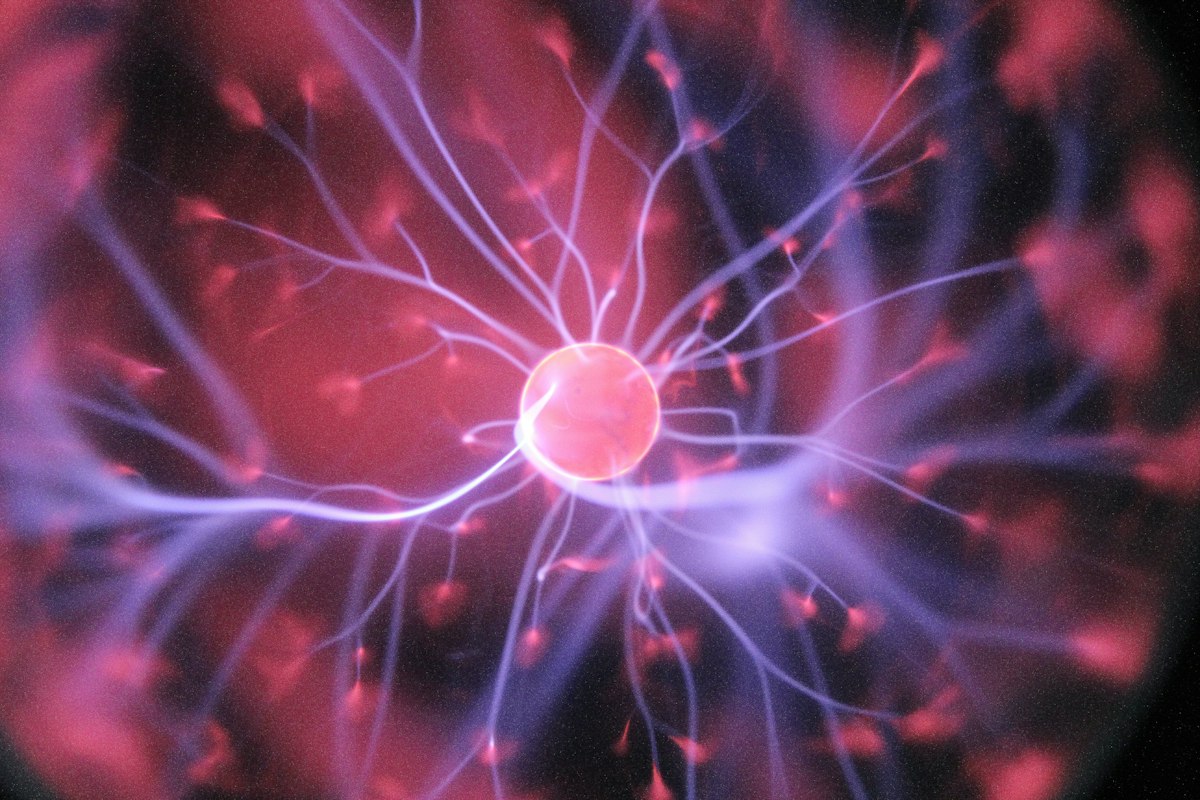
However, contemporary neuropsychological research reveals that procrastination is not a time-management problem; it is an emotional regulation mechanism. When an individual confronts an intimidating task—a complex thesis, a daunting research paper, or a high-stakes exam review—the brain's amygdala perceives the task as an emotional threat: a threat of potential failure, public judgment, or perfectionistic inadequacy.
The Neuroscience of Avoidance
Faced with an anticipated emotional threat, the sympathetic nervous system triggers an avoidance impulse. Reaching for a smartphone, checking social feeds, or cleaning a tidy room provides immediate, effortless neurochemical relief: a quick dopamine surge that temporarily numbs the anxiety.
Unfortunately, this immediate relief reinforces a destructive behavioral habit loop: Cue (academic anxiety) → Routine (distraction avoidance) → Reward (transient emotional relief). The task remains uncompleted, the deadline approaches, and the baseline anxiety compounds exponentially.
Deconstructing the Habit Loop for Academic Momentum
To overcome this cycle, we must redesign the habit loop using proven behavioral conditioning techniques:
1. Lowering the Activation Energy Threshold (The 5-Minute Entryway)
The hardest phase of any cognitive task is the friction of initiating it. Tell your brain: "I am not going to write the entire 20-page thesis today; I am merely going to open the document, format the title, and write two rough sentences for five minutes." By shrinking the task below the amygdala's threat threshold, resistance vanishes. Once momentum is established, dopamine shifts from avoidance to progress.
2. Implementation Intentions (If-Then Planning)
Vague goals like "I will study more tomorrow" fail because they require willpower when mental energy is depleted. Replace vague wishes with precise situational triggers: "When I finish my morning coffee at 9:00 AM, I will immediately sit at my desk, open my chemistry notebook, and complete practice problem #1."
3. Self-Compassion as an Antidote to Guilt Cascades
Studies conducted at Carleton University demonstrate that students who practice self-forgiveness after procrastinating are significantly less likely to procrastinate on subsequent assignments. Beating oneself up over lost time merely elevates cortisol, re-triggering the emotional avoidance response. Acknowledge the delay objectively, reset without self-judgment, and engage with the immediate next step.
Jisha T is an experienced Lecturer and Academic Counselor specializing in educational psychology, cognitive science, and curriculum development. With over a decade of teaching and student mentorship in higher education, her columns focus on cognitive load theory, habit loops, emotional resilience, and contemporary academic pedagogy. Direct inquiries: jisha.t@incisornews.tech
Comments (0)
No comments yet. Be the first to share your thoughts!
Leave a Comment