The Dopamine Deficit: Reclaiming Focus and Deep Work in the Age of Infinite Feeds
Chronic digital multitasking alters how our neural reward circuits evaluate satisfaction and attention. Lecturer and mentor Jisha T examines the science of dopamine downregulation and shares a practical roadmap to restore sustained concentration.

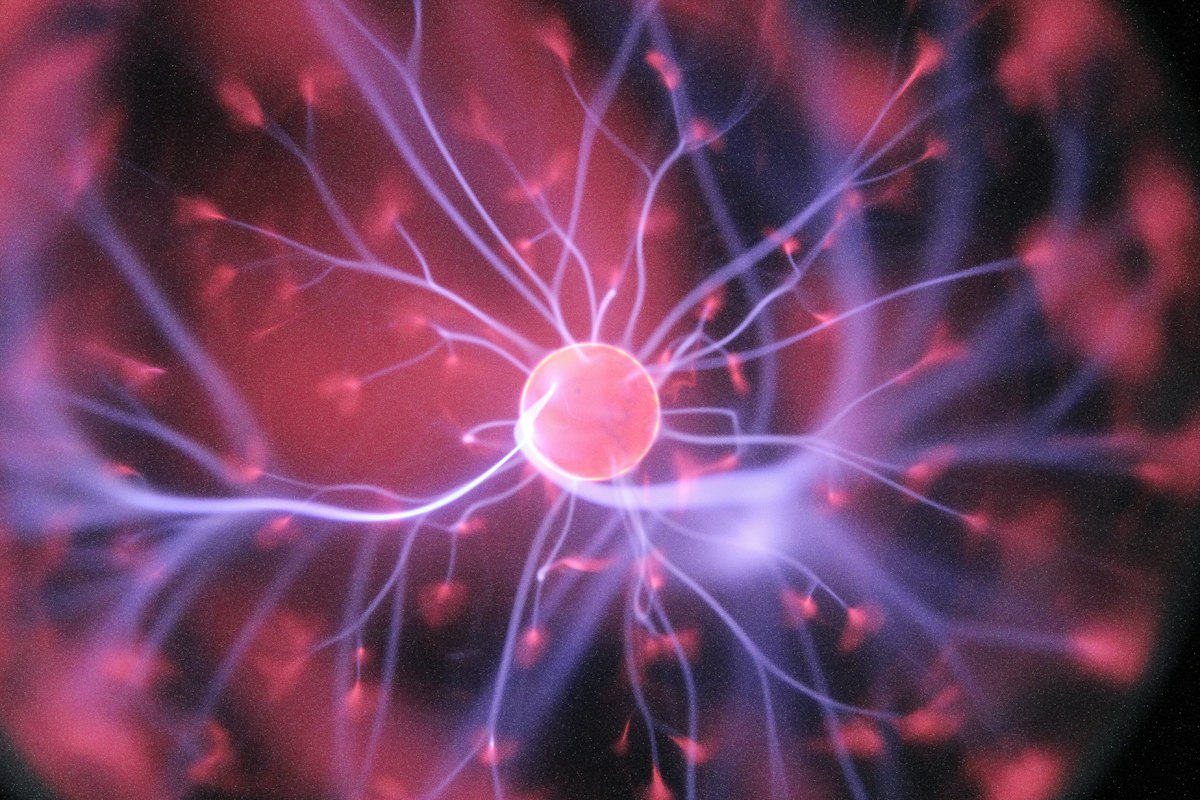
In an environment dominated by algorithmically curated micro-content, the human attention span is under systemic stress. Modern digital platforms are explicitly engineered to trigger variable reward schedules—the identical neurological mechanism that fuels gambling addiction.
Every swipe, pull-to-refresh, and notification burst releases a minute spike of dopamine in the nucleus accumbens. While dopamine is commonly described as the hormone of pleasure, neurobiologists recognize it as the hormone of anticipation and pursuit. When our brains are subjected to thousands of anticipation triggers daily, our baseline dopamine receptors downregulate to prevent systemic neurotoxicity.
The Phenomenon of Neurological Anhedonia
When dopamine receptor density contracts, activities requiring sustained, uninterrupted cognitive effort—such as reading a complex monograph, solving an intricate engineering problem, or engaging in reflective conversation—begin to feel excruciatingly dull. This is not a personal failure of willpower; it is a predictable neurochemical adaptation to chronic hyper-stimulation.
"When the baseline threshold for stimulation is pushed to extreme heights by synthetic feeds, the natural world and deep cognitive work inevitably feel like a desert. Reclaiming focus requires systematically resetting this baseline."
The Four-Stage Cognitive Reset Protocol
To reverse dopamine downregulation and rebuild psychological stamina, consider integrating the following structured habits:
1. Dopamine Deceleration Windows
Dedicate the first sixty minutes after waking and the final sixty minutes before sleep as completely screen-free zones. This shields your circadian awakening response and allows natural neurotransmitter equilibrium to stabilize without abrupt artificial surges.
2. Monotasking with Visual Timers
The human brain cannot multitask; it merely performs rapid, cognitively expensive context-switching. Commit to a 45-minute block of single-task immersion using a non-digital physical timer, placing communication devices outside the physical perimeter of your workspace.
3. Cultivating Active Cognitive Boredom
Permit yourself to experience unfilled micro-moments. Whether standing in an elevator or waiting in transit, resist the reflexive urge to reach for a phone. These small pockets of quiet stimulate the default mode network (DMN), the neurological cradle of creative synthesis and strategic introspection.
Conclusion
In the digital knowledge economy, the ability to concentrate deeply for unbroken hours is no longer just an advantageous skill—it is an increasingly rare and invaluable superpower. By respecting our neurobiology, we restore autonomy over our thoughts and our lives.
Jisha T is an experienced Lecturer and Academic Counselor specializing in educational psychology, cognitive science, and curriculum development. With over a decade of teaching and student mentorship in higher education, her columns focus on cognitive load theory, habit loops, emotional resilience, and contemporary academic pedagogy. Direct inquiries: jisha.t@incisornews.tech
Comments (0)
No comments yet. Be the first to share your thoughts!
Leave a Comment