Indonesia Gold Mine Collapse: 26 Trapped, Rescue Race Against Time
Rescuers in Indonesia are searching for 26 workers trapped in a flooded illegal gold mine after a river overflowed. The incident highlights the dangers of unregulated mining and the need for stricter safety measures.
Executive Takeaways
- 26 workers remain trapped after heavy rains caused a river to overflow and flood an illegal gold mine in Bolaang Mongondow, Indonesia.
- Rescue efforts are hampered by muddy terrain, unstable soil, and ongoing rainfall, with limited access for heavy equipment.
- The incident underscores the persistent dangers of unregulated artisanal mining in Indonesia, which employs millions but operates with minimal safety oversight.
- Financial and market impact is expected to be minimal, as the mine is small-scale and illegal, but the human cost is significant.
- Regulatory scrutiny is likely to intensify, with calls for better enforcement and formalization of artisanal mining.
The Core Event & Breaking Timeline
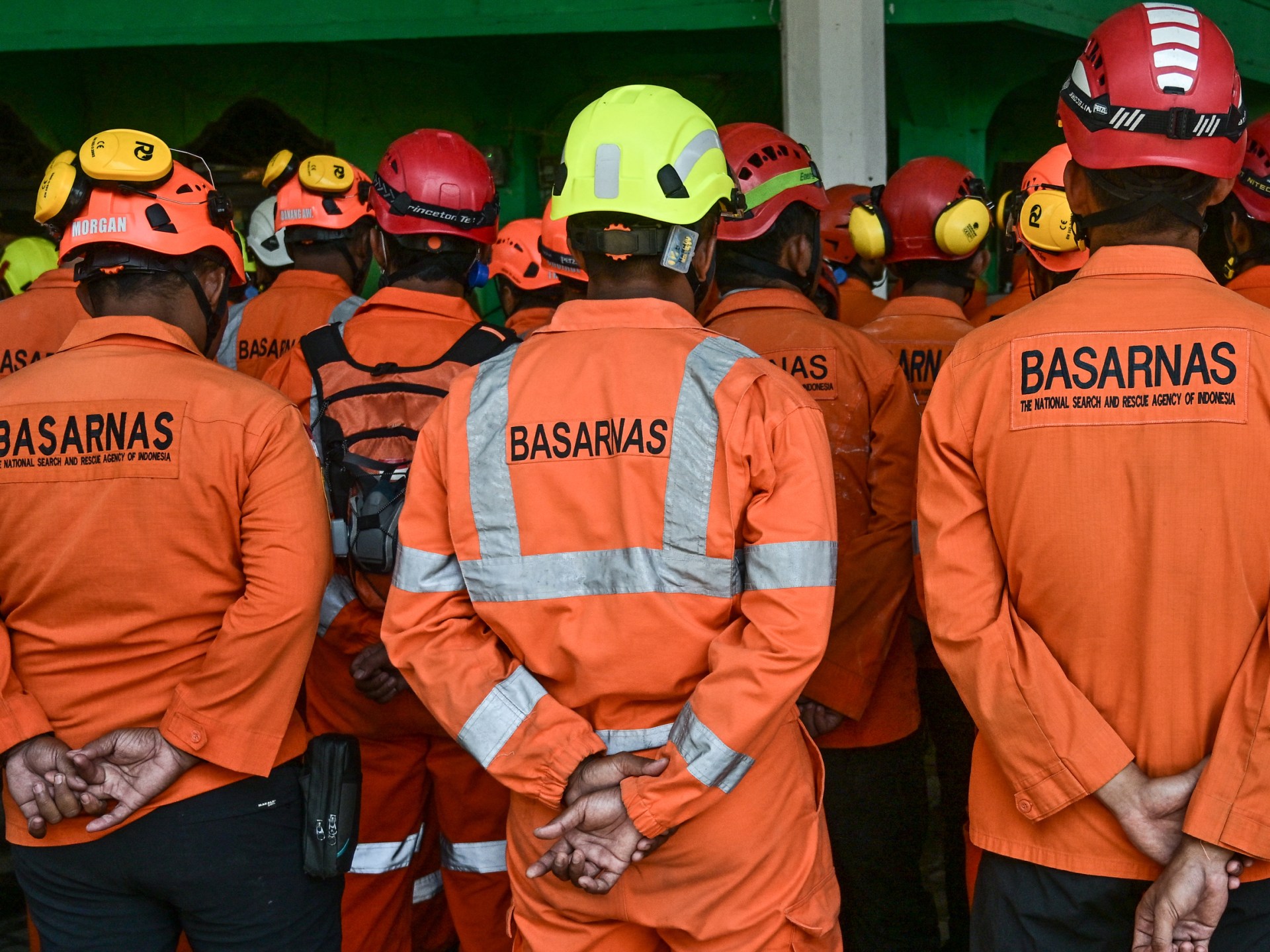
On [date], heavy rains caused a river to overflow and flood an illegal gold mine in Bolaang Mongondow, North Sulawesi, Indonesia, trapping 26 workers underground. The mine, a traditional artisanal operation, lacked proper safety measures and permits. Local police and rescue teams were immediately dispatched, but their efforts have been hampered by difficult conditions. The incident has drawn national attention to the perils of unregulated mining in the region.
According to police spokesperson [Name], the workers were caught off guard when water rushed into the mine shaft after the river burst its banks. “The water came suddenly, and there was no warning,” said one survivor who managed to escape. Rescue teams have been using pumps to drain water and are digging through mud and debris to reach the trapped miners. As of [date], 26 workers are still missing, and hopes of finding them alive are fading.
The mine is located in a remote area, accessible only by foot or motorbike, which has slowed the arrival of heavy equipment. Local authorities have requested additional resources from the provincial and national governments. The National Disaster Mitigation Agency (BNPB) has deployed a team to assist with the search and rescue operation. “We are doing everything we can, but the conditions are extremely challenging,” said a BNPB official.
Initial market reaction has been muted, as the mine is not a significant producer of gold and operates outside formal supply chains. Gold prices remained stable, with spot gold trading at around $1,950 per ounce. However, the incident has reignited debates about the environmental and social impacts of artisanal mining in Indonesia, which is one of the world’s largest gold producers.
Deep Technical & Financial Architecture
Artisanal and small-scale gold mining (ASGM) in Indonesia is a labor-intensive, low-tech industry that often operates illegally. Miners typically use manual tools to dig shafts and tunnels, and process ore using mercury, a highly toxic substance. The Bolaang Mongondow mine is believed to be a typical example: a network of narrow tunnels dug into hillsides, with no support structures or ventilation. Such mines are highly susceptible to flooding, collapse, and other accidents.
The financial architecture of these operations is equally precarious. Miners earn a pittance, often selling gold to local traders at below-market prices. The traders then sell to larger buyers, who may export the gold. The lack of formal contracts and transparency means that the gold from such mines can enter global supply chains, albeit in small quantities. The mine in question is estimated to produce only a few kilograms of gold per month, with a market value of around $200,000 at current prices.
The unit economics of artisanal mining are driven by low labor costs and minimal capital investment. Miners use basic equipment, and safety is often neglected to cut costs. The use of mercury, though illegal in many countries, is common because it is cheap and effective at extracting gold from ore. The environmental and health costs of mercury use are externalized, borne by local communities and the environment.
From a balance sheet perspective, the mine is not a formal entity and does not appear on any corporate financial statements. However, the gold it produces may indirectly benefit larger mining companies and refiners who purchase from intermediaries. The lack of traceability is a major concern for investors who are increasingly focused on ESG (Environmental, Social, and Governance) criteria. The incident highlights the risks of unregulated supply chains and the potential for reputational damage for companies that fail to conduct due diligence.
The technology stack for such mines is rudimentary: hand tools, buckets, ropes, and occasionally diesel-powered pumps. There is no use of modern safety equipment, such as ventilation systems, water pumps, or communication devices. The rescue operation itself relies on basic equipment, including pumps and shovels, as the remote location precludes the use of heavy machinery. This lack of technology exacerbates the dangers and hampers rescue efforts.
Industry & Global Market Ripple Effects
The immediate market impact of the incident is negligible, as the mine is small and illegal. However, the broader implications for the gold industry could be more significant. Indonesia is a major gold producer, with both large-scale commercial mines and widespread artisanal operations. The incident may prompt increased scrutiny of the gold supply chain, particularly from international buyers and refiners who are under pressure to ensure their gold is responsibly sourced.
Competitors in the formal mining sector, such as PT Freeport Indonesia and PT Newmont Nusa Tenggara, may face increased regulatory oversight as authorities crack down on illegal mining. These companies already operate under strict environmental and safety regulations, but the presence of illegal mining in the same regions can create conflicts and reputational risks. The incident could also lead to calls for better formalization of artisanal mining, which would require significant investment and regulatory reform.
Supply chain disruptions are unlikely to be significant, given the small scale of the operation. However, the incident highlights the vulnerability of artisanal miners to natural disasters and the need for better safety measures. Investors in gold mining companies may start to demand more transparency about supply chains and the measures taken to avoid sourcing gold from illegal or unethical operations.
Ecosystem shifts could include increased collaboration between government agencies, NGOs, and mining companies to address the challenges of artisanal mining. The incident may also accelerate the adoption of blockchain-based traceability solutions for gold, which can help ensure that gold is sourced responsibly. Several initiatives, such as the Responsible Gold Guidance from the London Bullion Market Association (LBMA), aim to improve supply chain transparency, but enforcement remains a challenge.
Critical Perspectives, Analyst Debates & Risk Factors
Analysts and experts are divided on the best approach to address the risks of artisanal mining. Some argue that formalization—providing miners with legal permits, training, and access to safer equipment—is the most effective way to reduce accidents and improve livelihoods. Others contend that illegal mining should be stamped out entirely, as it is often associated with environmental degradation, child labor, and criminal activity.
Critics of the government’s response point to weak enforcement of mining laws and corruption as root causes of the problem. “The government has the laws, but they are not enforced,” said [Expert Name], a mining policy analyst. “Local officials often turn a blind eye to illegal mining because it provides jobs and income in poor regions.” The incident may increase pressure on authorities to take action, but sustainable solutions will require addressing the underlying economic drivers.
Risk factors include the potential for further accidents, environmental damage from mercury use, and social unrest. The trapped miners face grave danger, and the rescue operation itself is risky for rescuers. The incident could also lead to increased tensions between local communities and mining companies, as well as between miners and authorities. Regulatory friction is likely, with calls for stricter enforcement and penalties for illegal mining.
From a financial perspective, the incident is a reminder of the hidden costs of gold production. While the mine itself is not a significant economic entity, the broader gold industry faces reputational risks if it is perceived to be associated with unsafe and illegal practices. Investors are increasingly focused on ESG factors, and incidents like this can affect the valuation of mining companies that are seen as not doing enough to address supply chain risks.
Strategic Forecast & Road Ahead
In the next 12-24 months, we can expect increased regulatory scrutiny of artisanal mining in Indonesia. The government may announce new measures to formalize the sector, including simplified permitting processes and training programs for miners. However, implementation will be challenging, given the remote locations and the informal nature of the operations. International donors and NGOs may also step in to support safer mining practices.
The rescue operation will continue in the coming days, with hopes of finding survivors diminishing. The incident will likely prompt a review of safety protocols at both legal and illegal mines. Mining companies may face increased pressure to ensure their supply chains are free from illegal gold, and industry groups may develop new guidelines for responsible sourcing.
Upcoming milestones include the release of a government report on the incident, potential new regulations, and the outcome of the rescue operation. The incident may also spur technological innovation, such as the development of low-cost sensors and communication systems for artisanal mines. These could help improve safety and response times in future emergencies.
What to watch: the government’s response, the fate of the trapped miners, and the reaction of the gold industry and investors. The incident is a stark reminder of the human cost of the gold supply chain and the need for collective action to improve safety and sustainability in artisanal mining.



Comments (0)
No comments yet. Be the first to share your thoughts!
Leave a Comment