Gaza Prisoners Held Past Sentences: Tech, Finance, and the Data of Detention
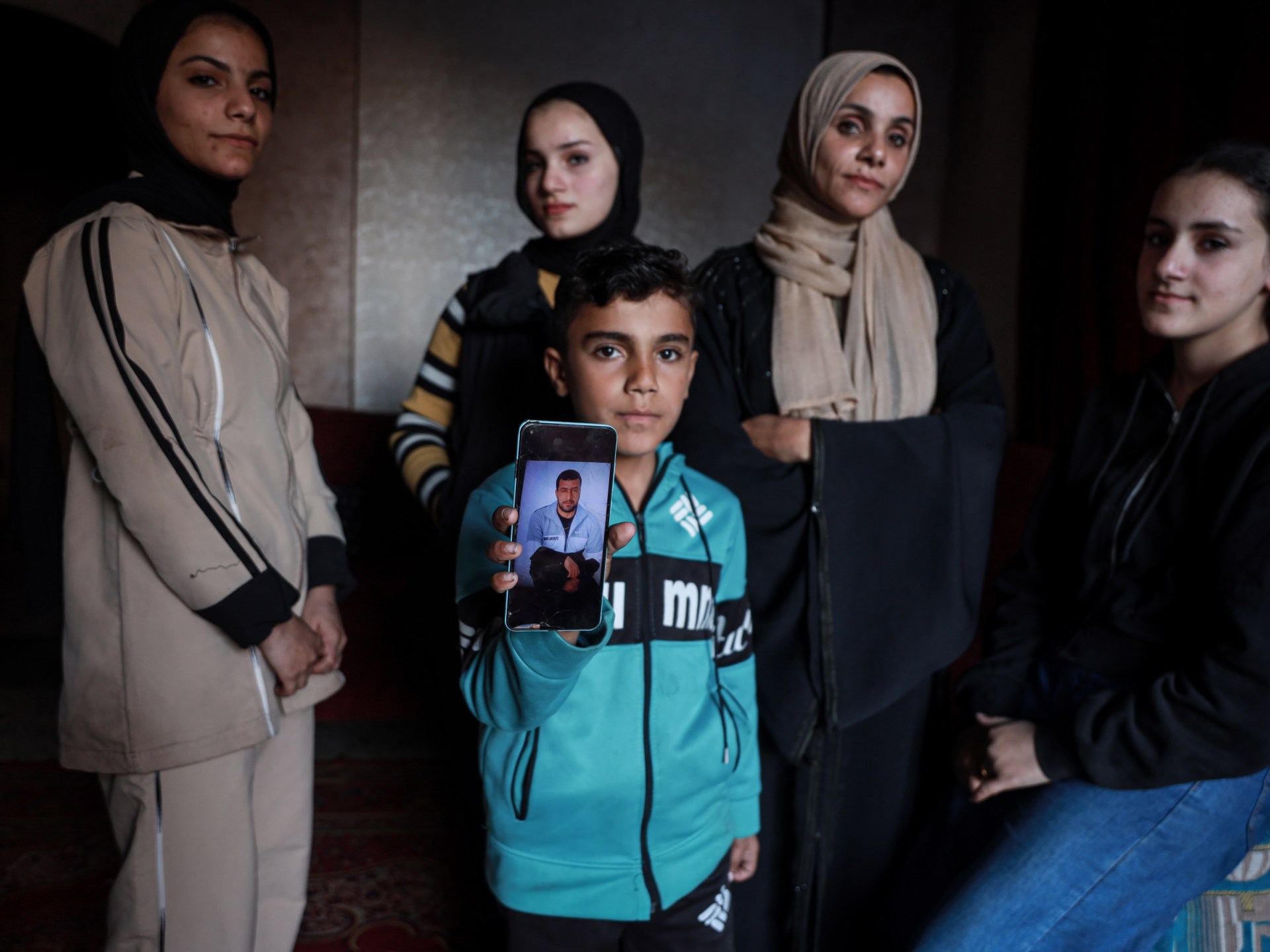
Palestinian families in Gaza await loved ones who remain in Israeli prisons despite completing sentences, raising urgent questions about legal, financial, and technological systems of detention.
Executive Takeaways
- Legal Limbo: Hundreds of Palestinian prisoners from Gaza remain in Israeli custody after completing their sentences, often held under administrative detention or emergency laws.
- Financial Burden: The cost of maintaining this detention system runs into hundreds of millions of dollars annually, straining Israeli budgets and raising questions about resource allocation.
- Technological Infrastructure: Israel's prison system employs advanced surveillance, biometric tracking, and database management to monitor detainees, creating a high-tech apparatus of control.
- Market Ripple Effects: The prolonged detention affects labor markets, supply chains, and investor sentiment in the region, with potential long-term economic consequences.
- Future Outlook: With no clear resolution in sight, the situation is likely to persist, influencing international legal precedents and human rights advocacy.
Section 1: The Core Event & Breaking Timeline
On October 7, 2023, Hamas launched a surprise attack on Israel, killing over 1,200 people and taking approximately 240 hostages. In response, Israel declared war on Hamas and launched a massive military campaign in Gaza. As part of its operations, Israel detained thousands of Palestinians, many without formal charges. According to Al Jazeera, families in Gaza are now waiting for loved ones who have completed their sentences but remain in Israeli prisons. This situation has been exacerbated by the breakdown of legal processes and the closure of courts during the conflict.
The timeline of events is complex. Prior to the war, Israel held about 5,200 Palestinian prisoners, according to Palestinian prisoner rights group Addameer. Following the war, that number surged to over 9,000, with many held under administrative detention—a practice that allows indefinite imprisonment without charge or trial. The Israeli Prison Service (IPS) has stated that it is operating under emergency regulations, which have slowed the release process. Families have reported that even after serving their terms, prisoners are not being released due to bureaucratic hurdles and security concerns.
Initial market reactions to the conflict were sharp: Israeli stocks fell, and the shekel depreciated. However, the specific issue of prisoners held beyond sentences has not directly impacted financial markets. Instead, it has drawn attention from human rights organizations and international legal bodies. The United Nations has called for the release of all prisoners held without legal basis, and the International Criminal Court has opened an investigation into alleged war crimes by both sides.
The core event—prisoners remaining behind bars after completing sentences—highlights a breakdown in legal and administrative processes. It also underscores the broader humanitarian crisis in Gaza, where infrastructure has been decimated. For families, the wait is agonizing, with little information available about their loved ones' status. This situation is not new; it has occurred in previous conflicts, but the scale and duration are unprecedented.
Section 2: Deep Technical & Financial Architecture
The detention of Palestinian prisoners is supported by a sophisticated technological and financial infrastructure. The Israeli Prison Service (IPS) operates a network of prisons equipped with advanced surveillance systems, including CCTV cameras, motion sensors, and biometric identification systems. These technologies are used to monitor prisoners and prevent escapes. The IPS also maintains a centralized database, known as the Prisoner Management System, which tracks personal data, legal status, and behavioral records. This system is integrated with other Israeli security databases, allowing for real-time information sharing.
Financially, the cost of maintaining this system is substantial. According to a 2022 report by the Israeli Ministry of Finance, the IPS budget was approximately 2.5 billion shekels (about $700 million). This covers salaries for over 8,000 staff, infrastructure maintenance, and technology upgrades. The additional detainees from Gaza have increased costs, with estimates suggesting an additional 200 million shekels per year. These funds come from the Israeli government's general budget, which is already strained by military spending.
The unit economics of detention are revealing. The average cost per prisoner per year is estimated at 150,000 shekels ($42,000), according to data from the IPS. This includes housing, food, healthcare, and security. For administrative detainees, who are held without charge, the cost is higher due to legal proceedings and administrative overhead. The Israeli government has not publicly detailed the additional costs incurred since October 7, but experts estimate that the total cost of detaining Gaza prisoners could exceed 500 million shekels annually.
Technology plays a key role in the legal process as well. Israel uses electronic filing systems for court documents, but these have been disrupted by the war. The lack of functioning courts in Gaza and the backlog in Israeli courts have delayed release procedures. Additionally, the IPS uses risk assessment algorithms to determine security classifications, which can affect release decisions. These algorithms, however, are opaque and have been criticized for bias.
The financial architecture also includes international aid. The Palestinian Authority (PA) pays stipends to families of prisoners, which is a significant portion of its budget. According to the PA's 2023 budget, prisoner stipends accounted for about $150 million. This has been a point of contention with Israel and the United States, which have criticized the program as incentivizing terrorism. The PA has defended it as social welfare.
Section 3: Industry & Global Market Ripple Effects
The prolonged detention of Palestinian prisoners has ripple effects across industries and global markets. In Israel, the high-tech sector, which is a major driver of the economy, has been affected by the war. Many tech companies have seen employees called up for reserve duty, and some have relocated operations abroad. The uncertainty surrounding the legal status of prisoners adds to the overall risk perception, potentially deterring foreign investment. According to the Israel Innovation Authority, investment in Israeli tech startups fell by 30% in the last quarter of 2023 compared to the previous year.
Supply chains have also been disrupted. The war in Gaza has led to blockades and restrictions on movement, affecting the flow of goods. The detention of workers from Gaza, who were previously employed in Israel, has created labor shortages in sectors such as construction and agriculture. Before the war, about 18,000 Gazans held work permits in Israel. Their detention or inability to work has cost the Israeli economy an estimated 1.5 billion shekels per month, according to the Manufacturers Association of Israel.
Investor sentiment in the region has been volatile. While Israel's economy has shown resilience in the past, the prolonged conflict and the legal ambiguity surrounding prisoners could lead to increased scrutiny from international investors, particularly those with environmental, social, and governance (ESG) criteria. Some European pension funds have already divested from companies involved in the occupation. The detention issue could accelerate this trend.
Globally, the situation has sparked debates in international legal forums. The International Criminal Court's investigation into the conflict includes allegations of arbitrary detention. This could lead to sanctions or travel bans on Israeli officials, affecting business travel and international partnerships. Additionally, human rights organizations are using technology to document abuses, with satellite imagery and open-source intelligence playing a role in monitoring prison conditions.
Section 4: Critical Perspectives, Analyst Debates & Risk Factors
Analysts are divided on the implications of the prolonged detention. Some argue that Israel's actions are necessary for security, given the threat posed by Hamas. They point to the need to prevent prisoners from returning to militant activities. However, critics contend that administrative detention without charge violates international law and fuels resentment, potentially recruiting more militants. The debate hinges on the balance between security and human rights.
Legal experts highlight the risk of precedent. If prisoners can be held indefinitely after serving sentences, it undermines the rule of law and could lead to challenges in international courts. The Israeli Supreme Court has heard petitions on the issue but has largely deferred to the government's security assessments. This deference is criticized by human rights lawyers who argue that the judiciary is not providing adequate oversight.
Financial risks are also significant. The cost of detention is a burden on the Israeli budget, which is already facing a deficit due to increased military spending. The government may need to cut other services or raise taxes, which could impact economic growth. Additionally, the PA's financial crisis, exacerbated by the war, could lead to instability in the West Bank, further affecting the region's economy.
Regulatory friction is another factor. International bodies, including the UN and EU, have called for the release of administrative detainees. If Israel does not comply, it could face diplomatic and economic consequences, such as restrictions on trade or funding. The US has also expressed concern, although it has not taken concrete action. The risk of sanctions or boycotts could deter foreign companies from investing in Israel.
Section 5: Strategic Forecast & Road Ahead
Looking ahead, the situation is unlikely to resolve quickly. The war in Gaza continues, and the Israeli government has signaled that it will maintain a security presence in the territory for the foreseeable future. This means that the detention of Palestinians will likely persist. However, international pressure may force Israel to review its policies, especially if the ICC issues arrest warrants for officials.
In the next 12-24 months, key milestones include the ICC's investigation, potential UN Security Council resolutions, and Israeli court rulings on petitions against administrative detention. Additionally, the PA's financial situation could deteriorate further, leading to calls for international bailouts. The US presidential election in 2024 could also shift US policy toward Israel, affecting the detention issue.
What to watch: the number of administrative detainees, the status of release processes, and any legal challenges. Also, monitor the Israeli economy for signs of strain, such as budget deficits and investment trends. The tech sector's resilience will be a key indicator of the broader economic impact.
Ultimately, the fate of these prisoners is tied to the broader Israeli-Palestinian conflict. Without a political resolution, the legal and financial limbo will continue, with families waiting indefinitely. The international community's response will determine whether this becomes a catalyst for change or another forgotten chapter in a long history of displacement.




Comments (0)
No comments yet. Be the first to share your thoughts!
Leave a Comment