Yemen's Hodeidah: Fuel Costs, Conflict Push Families to Brink
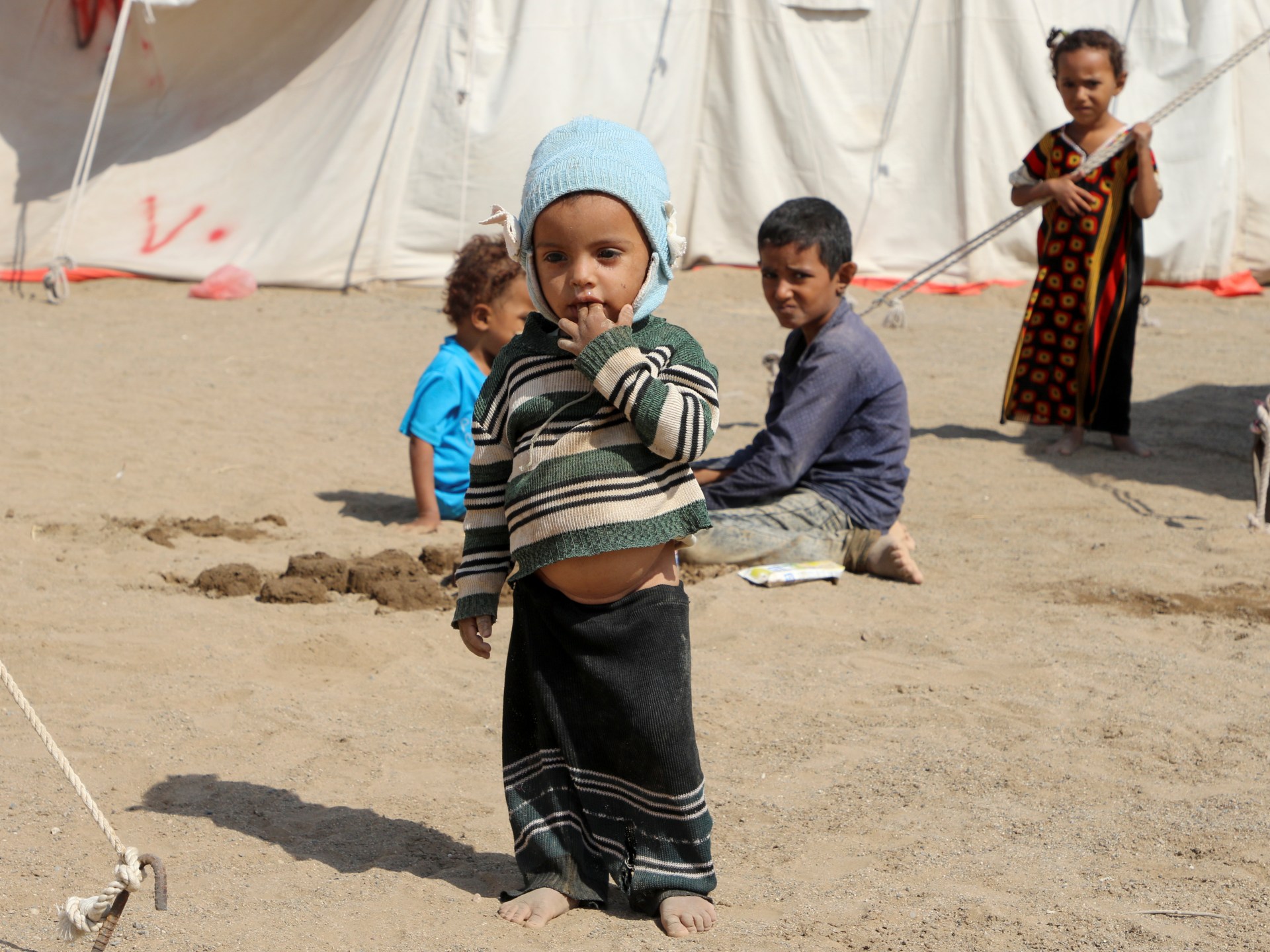
Renewed fighting and soaring fuel costs in Hodeidah, Yemen, are pushing families to the brink as incomes shrink and survival becomes a daily struggle.
Executive Takeaways
- Renewed fighting and rising fuel costs are pushing families in Hodeidah, Yemen, to the brink of survival.
- Incomes are shrinking as the local currency depreciates and economic activity falters.
- The crisis is compounded by the Houthi-controlled city's isolation and limited access to humanitarian aid.
- Families are forced to make impossible choices between food, fuel, and healthcare.
- Without urgent intervention, the situation is likely to deteriorate further, with long-term consequences for the region.
Section 1: The Core Event & Breaking Timeline
In the port city of Hodeidah, Yemen, a deepening economic crisis is pushing families to the brink of survival. Renewed fighting, soaring fuel costs, and shrinking incomes have created a perfect storm that threatens to undo years of fragile stability in the Houthi-controlled city. According to a recent report by Al Jazeera, the situation has deteriorated rapidly in recent weeks, with residents describing a daily struggle to afford basic necessities. The city, which serves as a vital lifeline for imports into northern Yemen, has been hit hard by disruptions to supply chains and a collapse in the value of the Yemeni rial.
The current crisis traces back to the escalation of conflict in early 2024, when renewed clashes between Houthi forces and opposing factions disrupted trade routes and forced the closure of key roads. This, combined with a global surge in fuel prices, has led to a sharp increase in the cost of diesel and gasoline, which are essential for transportation, electricity, and water pumping. In Hodeidah, where most households rely on fuel-powered generators due to unreliable grid electricity, the price of a liter of diesel has more than doubled in the past six months, according to local traders.
Market reaction has been swift and severe. The Yemeni rial, which had stabilized somewhat in 2023, has lost over 30% of its value against the US dollar since January, driving up the cost of imported goods. Food prices have skyrocketed, with staples like wheat flour, rice, and cooking oil becoming increasingly unaffordable for the average family. The World Food Programme (WFP) has warned that acute food insecurity is rising, with more than half of Hodeidah's population now classified as facing crisis levels of hunger.
The timeline of the crisis is marked by a series of shocks. In March 2024, a major fuel shipment was delayed due to security concerns, causing panic buying and a spike in prices. In April, the Houthi authorities announced a new tax on imports, further raising costs. By May, the combination of these factors had pushed the price of a basic food basket beyond the reach of many families. International aid agencies report that they are struggling to meet the growing needs due to funding shortfalls and access constraints.
Section 2: Deep Technical & Financial Architecture
The economic mechanics behind Hodeidah's crisis are complex and multifaceted. At the core is the depreciation of the Yemeni rial, which has been driven by a combination of fiscal deficits, limited foreign currency reserves, and speculative currency trading. The Houthi-controlled Central Bank in Sana'a has attempted to control the exchange rate through administrative measures, but these have largely failed to stem the black-market slide. As the rial weakens, the cost of imported fuel and food rises proportionally, creating a vicious cycle of inflation.
Fuel prices are particularly critical because they are a key input for almost every sector of the economy. In Hodeidah, diesel is used not only for transportation but also for generators that power homes, hospitals, and water pumps. The city's water supply, already fragile, is heavily dependent on fuel-powered pumps. When fuel prices rise, the cost of water skyrockets, forcing families to cut back on usage or resort to unsafe sources. This has public health implications, with reports of increased cases of cholera and other waterborne diseases.
The balance sheet impact on households is devastating. According to a recent survey by a local NGO, the average family in Hodeidah now spends over 70% of its income on food and fuel, up from 50% a year ago. Savings have been depleted, and many families are taking on debt or selling assets to survive. The situation is particularly dire for female-headed households and those with disabled members, who have limited earning opportunities.
The technology stack for aid delivery is also under strain. Humanitarian organizations rely on digital cash transfer systems to provide assistance, but these are hampered by poor telecommunications infrastructure and a lack of banking services in Hodeidah. Mobile money platforms, which have gained traction in other parts of Yemen, are less prevalent here due to security and regulatory hurdles. As a result, aid distribution is often delayed, and many families miss out on critical support.
Unit economics of essential goods reveal the severity of the crisis. A 50kg bag of wheat flour, which cost about 20,000 rials ($40) in early 2023, now sells for over 35,000 rials ($70) on the black market. Similarly, a liter of diesel has jumped from 500 rials to over 1,200 rials. For a family of six, the monthly cost of basic food and fuel has risen from around $150 to over $250, while average household income has fallen to less than $100 per month. This gap is forcing families to skip meals, reduce fuel use for cooking, and forgo medical treatment.
Section 3: Industry & Global Market Ripple Effects
The crisis in Hodeidah is not isolated; it has significant ripple effects on regional trade and global markets. Hodeidah port is a key entry point for goods destined for northern Yemen, including food, fuel, and medicine. Disruptions at the port have led to shortages and price hikes in other parts of the country, exacerbating the humanitarian crisis. Furthermore, the conflict in Yemen has broader implications for maritime security in the Red Sea, a vital artery for global oil trade. Attacks on shipping have forced some vessels to reroute, increasing insurance costs and delivery times.
For competitors in the region, the situation presents both challenges and opportunities. Ports in Djibouti and Oman have seen increased traffic as shippers seek alternative routes, but they also face capacity constraints. The crisis has highlighted the vulnerability of supply chains that rely on a single port, prompting discussions about diversifying import routes. However, such changes require significant investment and political stability, which are lacking in Yemen.
Investors are wary of the region, with foreign direct investment in Yemen already minimal due to the ongoing conflict. The depreciation of the rial and the lack of a functioning banking system make it difficult for businesses to operate. Local traders report that they are unable to obtain letters of credit or access foreign exchange, forcing them to rely on cash transactions and informal networks. This has led to a contraction in the private sector, with many businesses closing or relocating.
Ecosystem shifts are also evident in the humanitarian sector. Aid agencies are increasingly using cash-based interventions to support local markets, but the volatility of the rial makes it challenging to set appropriate transfer values. Some organizations are piloting digital vouchers and mobile money to improve efficiency, but these initiatives are still in their infancy. The crisis has also spurred innovation in solar energy, as families and businesses seek alternatives to expensive fuel. Solar panels and batteries are becoming more common, but upfront costs remain prohibitive for the poorest.
Section 4: Critical Perspectives, Analyst Debates & Risk Factors
Analysts are divided on the root causes of the crisis and the best path forward. Some argue that the Houthi authorities' economic policies, including taxation and currency controls, have exacerbated the situation. They point to corruption and mismanagement as key factors driving inflation. Others contend that the Saudi-led coalition's blockade and restrictions on imports are primarily to blame, citing the closure of roads and delays at ports as major obstacles to trade.
Humanitarian experts warn that the international response has been inadequate. Funding for Yemen's humanitarian appeal is at an all-time low, with only a fraction of the required funds pledged for 2024. Aid agencies are being forced to scale back programs, leaving millions without assistance. There is also criticism of the way aid is distributed, with some alleging that Houthi authorities divert resources and prioritize their supporters. The Houthis deny these allegations and blame the coalition for the crisis.
Risk factors abound. The security situation remains volatile, with renewed fighting in Hodeidah and other parts of Yemen. Any escalation could further disrupt supply chains and displace more families. The depreciation of the rial is likely to continue, especially if the central bank continues to print money to finance the deficit. Climate change is another risk, with Yemen facing severe water scarcity and extreme weather events that could compound the crisis.
Regulatory friction is also a concern. The international community's sanctions on Houthi officials and entities have unintended consequences for the private sector, making it difficult for businesses to engage in trade. Banking restrictions and compliance requirements are burdensome for local traders, who often lack the capacity to navigate them. Efforts to ease these restrictions have been slow, and the humanitarian exemption for aid is not always effectively implemented.
Section 5: Strategic Forecast & Road Ahead
Looking ahead, the situation in Hodeidah is likely to worsen before it improves. Over the next 12 months, the rial is expected to continue its downward trend, pushing inflation higher. Fuel prices will remain volatile, depending on global oil markets and supply chain disruptions. Food insecurity is projected to rise, with more families falling into crisis levels. Without a significant injection of humanitarian aid and a stabilization of the currency, the most vulnerable will bear the brunt.
Key milestones to watch include the renewal of the UN-brokered truce, which expires in October 2024. If the truce holds, it could provide an opportunity to reopen roads and improve access to Hodeidah port. However, previous truces have been fragile, and any violation could quickly unravel progress. Another milestone is the planned reopening of the Sana'a airport, which could facilitate medical evacuations and commercial flights, but its impact on the broader economy is uncertain.
What to watch in the coming months: the exchange rate of the Yemeni rial, the price of diesel on the black market, and the level of humanitarian funding. A sustained appreciation of the rial would be a positive sign, but it is unlikely without external support. The international community's response will be critical; a donor conference scheduled for late 2024 could pledge additional funds, but pledges often fall short of needs.
In the longer term, a sustainable solution requires a political settlement to the conflict, which remains elusive. Economic recovery will depend on restoring confidence in the currency, rebuilding infrastructure, and creating jobs. For now, families in Hodeidah continue to struggle, their resilience tested daily. As one resident told Al Jazeera, 'We are not living; we are just surviving.' The world must not look away.


Comments (0)
No comments yet. Be the first to share your thoughts!
Leave a Comment