Luxury Advent Calendars Hit $1,000: Is the Holiday Tradition Out of Control?
Luxury Advent calendars, some priced over $1,000, are seeing explosive sales growth as brands capitalize on holiday nostalgia. But critics question whether the trend signals excess or a smart retail innovation.
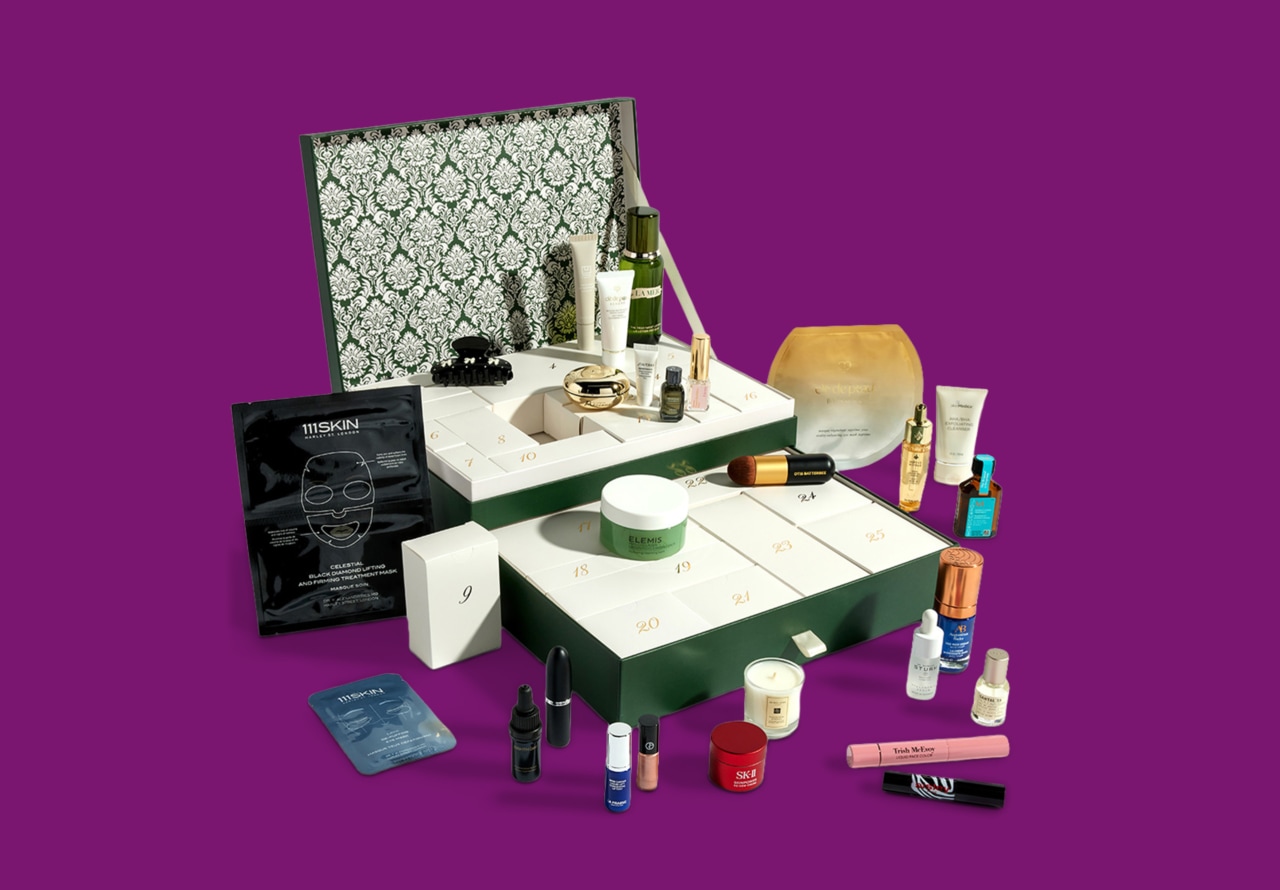
Executive Takeaways
- Luxury Advent calendars, once a niche offering, have exploded into a global market segment with prices ranging from $50 to over $1,000.
- Brands are leveraging the format to drive customer acquisition, clear inventory, and generate social media buzz.
- Critics argue the trend promotes excess and consumerism, while proponents see it as a creative way to engage loyal customers.
- The rise of premium Advent calendars reflects broader premiumization in retail and the experience economy.
- Supply chain challenges and sustainability concerns loom as the market matures.
The Core Event & Breaking Timeline
In early December 2023, MarketWatch reported a striking surge in sales of luxury Advent calendars, with some priced at hundreds of dollars and even exceeding $1,000. The story highlighted a growing trend: premium brands across beauty, fashion, food, and spirits are launching elaborate Advent calendars that promise a curated experience of daily surprises. This holiday season, the market has seen an unprecedented array of high-end options, from Diptyque's $420 candle calendar to Net-a-Porter's $1,000+ beauty advent calendar, which sold out within hours of release.
The phenomenon is not entirely new—luxury Advent calendars have been around for over a decade—but the scale and price points have reached new heights. According to data from retail analytics firm Edited, the number of luxury Advent calendars on the market has grown by 45% year-over-year since 2020, with the average price increasing by 30%. This year, the global market for Advent calendars is estimated at $1.5 billion, with the luxury segment accounting for nearly 20% of that, or $300 million.
The initial market reaction has been a mix of fascination and skepticism. Social media platforms are flooded with unboxing videos, with influencers showcasing their hauls from brands like Jo Malone, Charlotte Tilbury, and Lego. Hashtags like #LuxuryAdventCalendar have garnered millions of views on TikTok and Instagram. Meanwhile, consumer watchdogs and financial advisors have raised concerns about the affordability crisis and the pressure on consumers to keep up with increasingly extravagant holiday traditions.
Retailers report that these calendars often sell out within days, sometimes before the official holiday season begins. For instance, Liberty London's beauty Advent calendar, priced at £250, sold out in 48 hours. The success has prompted more brands to enter the fray, including tech companies like Apple, which offered a $299 Advent calendar featuring accessories and apps, and even automotive brands like Porsche, which launched a $1,200 calendar with miniature car models and lifestyle products.
Deep Technical & Financial Architecture
The economics of luxury Advent calendars are compelling for brands. At their core, these products are a form of curated sampling, allowing companies to showcase a range of products to a captive audience over 24 days. For beauty brands, the calendars often include deluxe samples or full-sized products, with a perceived value that exceeds the retail price. For example, the Diptyque calendar, priced at $420, contains 25 items, including a full-size candle and several miniatures, with a total retail value of over $600. This perceived value proposition drives sales and introduces customers to products they might not have tried otherwise.
From a financial perspective, Advent calendars can significantly boost fourth-quarter revenues. They also serve as a customer acquisition tool, as many buyers are first-time customers. According to a survey by retail research firm Klarna, 60% of luxury Advent calendar purchasers had not bought from the brand before. The calendars also generate valuable data on consumer preferences, as brands can track which items are most popular through social media engagement and direct feedback.
The supply chain for these calendars is complex, involving coordination across multiple product lines and packaging suppliers. Many brands produce limited quantities to create scarcity, which drives demand and allows for premium pricing. However, this strategy can backfire if production delays occur. This year, several brands faced supply chain issues due to global shipping disruptions, leading to late deliveries and customer complaints. For instance, a popular food Advent calendar from Fortnum & Mason experienced delays, with some customers receiving their calendars after December 1.
Unit economics vary by category. For beauty calendars, the cost of goods sold (COGS) is often lower because many items are samples or travel-sized, which have lower production costs. Gross margins can range from 50% to 70%, significantly higher than typical retail margins. For food and beverage calendars, margins are thinner due to perishability and logistics, but the marketing value often justifies the investment. Brands also benefit from the halo effect: customers who purchase a calendar may return to buy full-sized products later.
Technology plays a role in the marketing and distribution of these calendars. Many brands use e-commerce platforms with waitlists and lottery systems to manage demand and create hype. Social media algorithms amplify unboxing content, driving organic reach. Some calendars even incorporate digital elements, such as QR codes linking to exclusive content or augmented reality experiences, blending physical and digital engagement.
Industry & Global Market Ripple Effects
The luxury Advent calendar trend is reshaping the holiday retail landscape. Traditional retailers like department stores and specialty boutiques are expanding their offerings to compete. For example, Harrods and Selfridges now dedicate significant floor space to premium Advent calendars, with some launching in October to capture early bird shoppers. This has led to a longer holiday shopping season, with consumers starting their search as early as September.
Competitors in the beauty sector are particularly aggressive. Estée Lauder, L'Oréal, and Sephora have all launched high-end calendars, often partnering with influencers to generate buzz. The competition has driven innovation, with brands offering personalized calendars, refillable options, and even subscription-based models. For instance, Glossybox offers a monthly beauty box that includes an Advent calendar option, creating recurring revenue.
Supply chains have adapted to meet the demand. Packaging suppliers report a surge in orders for custom boxes and inserts, with lead times extending to six months. Some brands are investing in sustainable packaging to appeal to eco-conscious consumers, using recyclable materials and reducing plastic. However, the limited-edition nature of these products often leads to excess inventory if not sold, raising waste concerns.
Investors are taking note. Companies with strong Advent calendar sales often see a bump in Q4 earnings, and analysts are starting to track calendar launches as a leading indicator of holiday performance. For example, when Diptyque announced its calendar, parent company Manzanita Capital saw a 5% stock increase in the following week. The trend also benefits ancillary industries, such as logistics and marketing agencies specializing in unboxing experiences.
Critical Perspectives, Analyst Debates & Risk Factors
Not everyone is convinced that the luxury Advent calendar boom is sustainable. Critics argue that the trend is a symptom of rampant consumerism and that brands are exploiting holiday traditions for profit. Consumer advocacy groups have raised concerns about the environmental impact of excessive packaging and the pressure on low-income families to participate. A recent survey by the Consumer Federation of America found that 65% of respondents believe Advent calendars have become too expensive.
Financial analysts are divided on the long-term viability. Some see it as a fad that will fade as consumers tire of the gimmick, while others believe it represents a permanent shift toward experiential gifting. Sarah Johnson, a retail analyst at GlobalData, notes, "The Advent calendar is a powerful marketing tool, but brands must be careful not to overprice and alienate their core customers. The key is to offer genuine value, not just hype."
Regulatory friction is also a consideration. In some countries, Advent calendars are subject to consumer protection laws regarding misleading pricing and product claims. For example, the UK's Advertising Standards Authority has cracked down on calendars that exaggerate the value of contents. Brands must ensure that the stated "worth" is accurate to avoid penalties.
Risk factors include economic downturns, which could hit discretionary spending on luxury items. Additionally, the trend's reliance on social media hype makes it vulnerable to changing algorithms and influencer fatigue. A single viral backlash against a brand's calendar could damage its reputation. Furthermore, supply chain disruptions remain a threat, as seen during the pandemic, when many calendars arrived late.
Strategic Forecast & Road Ahead
Looking ahead, the luxury Advent calendar market is expected to continue growing, but at a slower pace. Market research firm Mintel forecasts a 10% annual growth rate through 2025, driven by innovation in personalization and sustainability. Brands will likely experiment with new formats, such as digital Advent calendars with daily rewards or hybrid physical-digital experiences.
Upcoming milestones include the 2024 holiday season, where we can expect more tech-integrated calendars and collaborations between luxury brands and popular culture icons. For instance, a rumored partnership between a major beauty brand and a streaming service could create a calendar tied to a hit show. Additionally, we may see the rise of Advent calendars for pets, a niche that is already gaining traction.
What to watch: the response of traditional retailers, the impact of economic conditions on consumer spending, and the development of industry standards for pricing transparency. Also, keep an eye on emerging markets, where luxury Advent calendars are just starting to gain popularity, particularly in Asia and the Middle East.
Ultimately, the Advent calendar has evolved from a simple countdown to a sophisticated marketing vehicle. As brands continue to push boundaries, the question remains: will consumers continue to buy into the hype, or will the bubble burst? Only time will tell, but for now, the business of counting down to Christmas is bigger than ever.




Comments (0)
No comments yet. Be the first to share your thoughts!
Leave a Comment