Haftar’s Ankara Visit: Energy, Arms & Libya’s Tech Future
Libya’s Khalifa Haftar visits Turkey to discuss energy, defense, and reconstruction, signaling a shift from conflict to economic statecraft as Ankara positions itself as Libya’s key tech and finance partner.
Executive Takeaways
- Strategic Pivot: Khalifa Haftar’s visit to Ankara marks a shift from military confrontation to economic and technological cooperation, with Turkey positioning itself as Libya’s key partner in energy, defense, and reconstruction.
- Energy Focus: Turkish Petroleum and the Libyan National Oil Corporation are negotiating exploration and production-sharing agreements that could unlock billions in revenue for both nations.
- Defense Tech: Turkish defense firms like Baykar and TAI are eyeing Libya’s growing demand for drones, surveillance systems, and cybersecurity infrastructure.
- Reconstruction Contracts: Turkish construction and tech companies are poised to win lucrative contracts to rebuild Libya’s infrastructure, including smart cities and digital payment systems.
- Risk Factors: Political instability, regulatory uncertainty, and security concerns remain significant hurdles for investors, but the potential upside is substantial.
Section 1: The Core Event & Breaking Timeline
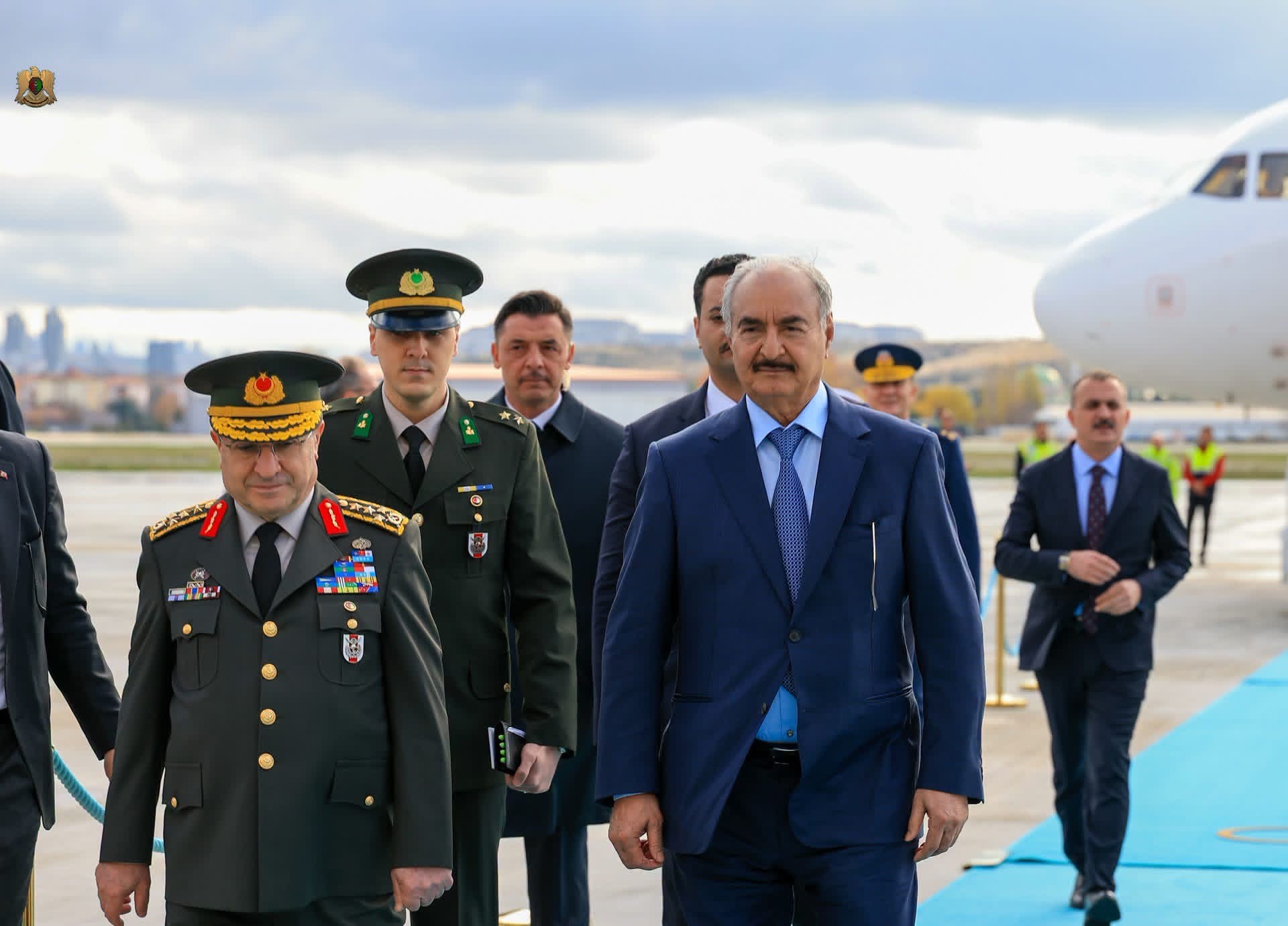
On Monday, Khalifa Haftar, the commander of the Libyan National Army (LNA) and de facto ruler of eastern Libya, arrived in Ankara for high-level talks with Turkish President Recep Tayyip Erdogan. The visit, confirmed by Turkish presidential sources, comes just days after Ukrainian forces struck a Russian warship in the Black Sea, underscoring the shifting geopolitical landscape that is reshaping alliances across the Mediterranean and beyond. While the official agenda focused on bilateral relations and the upcoming Libyan elections, the underlying discussions centered on energy exploration, defense procurement, and reconstruction contracts—areas where Turkish companies see significant opportunities.
The timing of the visit is notable. It follows a series of diplomatic overtures between Turkey and Libya’s rival factions, including a meeting between Erdogan and Libyan Prime Minister Abdul Hamid Dbeibah in Tripoli earlier this year. Haftar’s visit suggests that Ankara is seeking to position itself as a neutral broker capable of bringing Libya’s divided parties together, while simultaneously advancing its economic interests. Turkish officials have publicly stated that they support a unified Libya and are willing to work with all parties to achieve stability.
Initial market reaction was muted, as Libyan financial markets remain thinly traded and largely disconnected from global indices. However, energy analysts noted that any agreement on oil and gas exploration could have a ripple effect on Mediterranean energy dynamics. Turkish energy stocks, particularly those with exposure to Libya, saw modest gains. The Turkish lira remained stable against the dollar, reflecting investor confidence in Ankara’s diplomatic maneuvering.
The visit also included a meeting between Haftar and Turkish Defense Minister Yaşar Güler, where discussions reportedly focused on the potential sale of Turkish drones and other military equipment to the LNA. This would mark a significant shift, as Turkey has historically supported the rival Government of National Accord (GNA) in Tripoli. However, Ankara’s pragmatic approach to Haftar reflects a broader strategy of engaging with all stakeholders to secure its economic and strategic interests.
Section 2: Deep Technical & Financial Architecture
At the heart of the discussions is Libya’s vast energy potential. Despite holding Africa’s largest proven oil reserves—estimated at 48 billion barrels—Libya’s production has been hampered by years of conflict and underinvestment. Turkish Petroleum (TPAO) has expressed interest in exploring Libya’s offshore blocks, particularly in the Mediterranean, where recent gas discoveries have sparked a regional scramble. A potential production-sharing agreement could see TPAO invest billions in exploration and infrastructure, with a share of output going to Turkey.
The financial architecture of such deals is complex. Libya’s National Oil Corporation (NOC) would likely retain majority control, with foreign partners operating under production-sharing agreements (PSAs). These contracts typically involve the foreign partner bearing exploration costs in exchange for a share of production. For Turkey, which is heavily dependent on energy imports, securing a stake in Libyan oil and gas would enhance its energy security and reduce its reliance on Russian and Middle Eastern supplies.
Beyond energy, defense procurement is a key pillar. Turkish defense firms, particularly Baykar, have gained global prominence for their combat-proven drones. The LNA, which has been fighting Islamist militants and rival militias, is keen to acquire advanced drones for surveillance and precision strikes. A deal could involve the sale of Bayraktar TB2 drones, along with training and maintenance packages. The financial terms would likely include export credits from Turkish banks, with repayment tied to future oil revenues.
Reconstruction contracts represent another major opportunity. Libya’s infrastructure, devastated by years of conflict, requires massive investment. Turkish construction companies, which have a strong track record in post-conflict reconstruction, are well-positioned to win contracts for roads, ports, and housing. Additionally, Turkish tech firms are eyeing opportunities in digital infrastructure, including smart city projects, e-government platforms, and mobile payment systems. These projects would be financed through a mix of international loans, foreign direct investment, and public-private partnerships.
The unit economics of these ventures are compelling. For example, a typical offshore oil block in the Mediterranean might require an initial investment of $500 million to $1 billion, with a payback period of 5-7 years at current oil prices. Defense exports offer high margins, with drones costing $5-10 million each and maintenance contracts providing recurring revenue. Reconstruction projects, while lower-margin, offer steady cash flow and long-term relationships.
Section 3: Industry & Global Market Ripple Effects
The potential Turkey-Libya axis has significant implications for regional competitors. Egypt, which has historically supported Haftar, may view Turkey’s growing influence with concern. However, Egypt’s own economic ties with Libya, particularly in the energy sector, could serve as a counterbalance. Egyptian companies are also eyeing reconstruction contracts, and Cairo may seek to coordinate with Ankara to avoid direct competition.
In the defense sector, Turkish firms are challenging established players like the US, China, and Russia. Baykar’s drones have already been sold to over 30 countries, and a Libyan order would further cement Turkey’s position as a leading drone exporter. This could prompt Western defense companies to offer more competitive packages to Libya, potentially leading to a price war.
Energy markets could also be affected. If Libya stabilizes and increases production, it could add up to 1 million barrels per day to global supply, putting downward pressure on prices. This would benefit consumers but hurt producers like Russia and OPEC members. Turkey, as a transit country, could also benefit from increased gas flows through the Trans-Anatolian Pipeline (TANAP) if Libyan gas is exported to Europe.
Investors are watching closely. Turkish companies with exposure to Libya, such as ENKA Insaat and TAV Airports, have seen their shares rise on expectations of new contracts. International oil majors, including BP and TotalEnergies, may also seek to partner with Turkish firms to gain access to Libyan blocks. The Libyan Investment Authority (LIA), the country’s sovereign wealth fund, is exploring co-investment opportunities with Turkish funds.
Section 4: Critical Perspectives, Analyst Debates & Risk Factors
Not everyone is optimistic. Critics argue that Haftar’s visit is a PR stunt designed to legitimize his rule and that Turkey is simply hedging its bets. They point to Haftar’s poor human rights record and the risk that any deals could be reversed if the political situation changes. “Turkey is playing a dangerous game by engaging with Haftar,” said one Western diplomat. “It risks alienating the Tripoli government and undermining the UN-led peace process.”
Security risks are also significant. Libya remains a volatile country with active militias and terrorist groups. Any investment in infrastructure or energy could be targeted by insurgents. Insurance costs for projects in Libya are among the highest in the world, and companies may demand government guarantees to mitigate risk.
Regulatory friction is another concern. Libya’s legal framework for foreign investment is outdated and opaque. Disputes over contracts are common, and the judicial system is weak. Turkey and Libya have signed a bilateral investment treaty, but enforcement remains a challenge. Additionally, international sanctions on certain Libyan entities could complicate deals.
Analysts are divided on the likely outcome. Some believe that Turkey’s pragmatic approach will yield results, citing its successful track record in similar contexts. Others warn that without a political settlement, economic engagement will be limited. “You can’t do business in a war zone,” said one energy analyst. “Turkey needs to use its influence to push for a lasting ceasefire.”
Section 5: Strategic Forecast & Road Ahead
In the next 12 months, expect Turkey and Libya to sign a memorandum of understanding on energy cooperation, possibly during Erdogan’s planned visit to Tripoli. This would be followed by detailed negotiations on specific blocks. Defense deals may be announced sooner, with Baykar potentially opening a maintenance facility in Libya.
By 2025, if stability holds, Turkish companies could begin construction on major infrastructure projects, including a new airport in Benghazi and a smart city development near Tripoli. Turkish tech firms may launch mobile payment platforms and e-government services, leveraging Turkey’s experience in digital transformation.
Key milestones to watch include the Libyan elections, currently scheduled for later this year, and the outcome of UN-brokered talks. A successful election could unlock international funding and accelerate reconstruction. Conversely, a return to conflict would derail all plans.
For investors, the message is clear: Libya offers high risk but potentially high reward. Turkey’s involvement provides a degree of political cover, but due diligence is essential. As one analyst put it, “Libya is not for the faint-hearted, but those who get in early could reap significant benefits.”



Comments (0)
No comments yet. Be the first to share your thoughts!
Leave a Comment