Turkey Prices Soar 26%: Thanksgiving Dinner Crisis Hits US Homes
Turkey prices surge 26%, forcing US families to rethink Thanksgiving hosting and opt for potluck-style celebrations as food inflation strains household budgets.
Executive Takeaways
- Turkey prices have surged 26% year-over-year, driven by avian flu outbreaks, rising feed costs, and supply chain disruptions, making the traditional Thanksgiving centerpiece unaffordable for many households.
- Consumers are adapting by shifting to potluck-style gatherings, smaller turkeys, or alternative proteins, signaling a broader change in holiday consumption patterns.
- Food inflation remains a persistent economic challenge, with overall food-at-home prices up 5.8% year-over-year, squeezing household budgets and altering spending habits.
- The poultry industry faces structural pressures from disease, labor shortages, and climate-related feed cost volatility, with potential long-term implications for meat production and pricing.
- Retailers and food banks are scaling up responses, offering discounts and expanded assistance, but the strain on low-income families is intensifying as the holiday season approaches.
The Core Event & Breaking Timeline
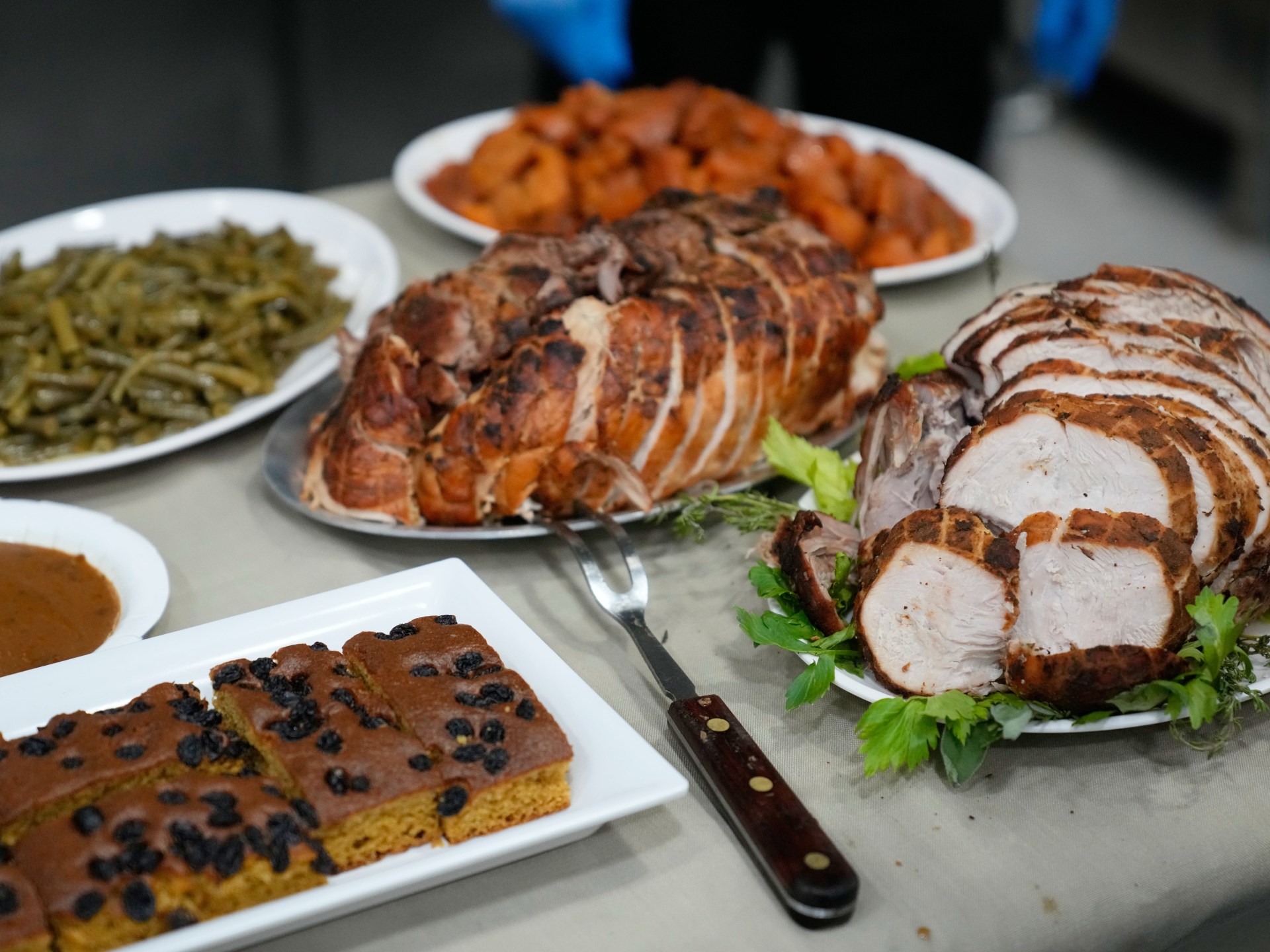
As Americans prepare for the Thanksgiving holiday, a stark reality is setting in: the centerpiece of the traditional feast—the turkey—has become significantly more expensive. According to data from the US Department of Agriculture (USDA) and industry trackers, the average price per pound for a whole frozen turkey has risen by 26% compared to the same period last year, reaching levels not seen since the 1980s when adjusted for inflation. This surge is forcing families across the country to reconsider their holiday plans, with many opting for potluck-style celebrations or replacing turkey with cheaper alternatives like chicken or ham.
The price spike is not isolated to turkeys alone. The broader Thanksgiving dinner basket, which includes items such as stuffing, cranberries, sweet potatoes, and pumpkin pie, has seen an overall increase of 14% year-over-year, according to the American Farm Bureau Federation’s annual survey. This marks the second consecutive year of double-digit increases, compounding the financial strain on households already grappling with elevated inflation across other essentials like housing, energy, and healthcare. The timing is particularly acute as the Federal Reserve’s efforts to tame inflation through interest rate hikes have yet to significantly cool food prices.
Market reaction to the turkey price surge has been swift. Shares of major poultry producers such as Tyson Foods and Hormel Foods have experienced volatility, with investors weighing the potential for higher revenues against the risk of demand destruction. Meanwhile, retailers like Walmart and Kroger have reported mixed signals: while overall grocery sales remain robust, the mix has shifted toward cheaper private-label brands and smaller portion sizes. The USDA’s latest food price outlook projects that food-at-home prices will continue to rise, albeit at a slower pace, through the end of the year, offering little relief to consumers.
The roots of the current crisis trace back to a confluence of factors. The 2022 avian influenza outbreak, which led to the culling of over 50 million birds across the US, significantly reduced the turkey supply. Although production has partially recovered, the industry is still rebuilding flocks, and the effects are lingering. Additionally, Russia’s invasion of Ukraine has disrupted global grain markets, driving up the cost of feed—a major expense for poultry farmers. These supply-side shocks have been exacerbated by labor shortages in processing plants and transportation bottlenecks, all of which have contributed to the 26% price hike.
Deep Technical & Financial Architecture
The mechanics behind the turkey price surge are rooted in the economics of poultry production. Turkeys are typically raised over 14 to 20 weeks, depending on the target weight, and require substantial inputs of feed, water, and energy. Feed accounts for approximately 70% of the cost of raising a turkey, and with corn and soybean meal prices up 30% and 25% year-over-year respectively, farmers’ margins have been squeezed. According to the National Turkey Federation, the cost of production per pound has risen from $0.75 to $1.10, a 47% increase, which is being passed along the supply chain.
On the balance sheet, poultry producers are facing a dual challenge: higher input costs and the need to invest in biosecurity measures to prevent future disease outbreaks. Tyson Foods, the largest US poultry producer, reported a 12% increase in cost of goods sold in its latest quarterly earnings, attributing a significant portion to feed costs and disease mitigation. The company has also had to write down inventories due to avian flu-related losses. These financial pressures are reflected in the company’s stock price, which has underperformed the broader market this year.
The technology stack in modern poultry farming is also playing a role. Advanced genetics, climate-controlled barns, and automated feeding systems have improved efficiency, but they require significant capital investment. The adoption of these technologies has allowed producers to achieve higher yields, but the fixed costs are high, making the industry vulnerable to input price shocks. Furthermore, the integration of data analytics and IoT sensors for monitoring flock health has become essential for early detection of disease, but these systems add to operational complexity and cost.
Unit economics for turkey production have deteriorated. The break-even price for producers has risen to around $1.20 per pound, while wholesale prices are hovering around $1.50 per pound, leaving thin margins. Retailers, facing their own cost pressures, are passing these costs to consumers. The USDA’s Economic Research Service estimates that the farm-to-retail price spread has widened, with retailers taking a larger share to cover their own increased costs for labor, transportation, and packaging.
Looking ahead, the industry’s ability to recover hinges on several factors: the containment of avian flu, stabilization of feed prices, and the availability of labor. The USDA forecasts that turkey production will increase by 3% in 2024, but that may not be enough to bring prices down significantly. The financial architecture of the supply chain is being tested, and smaller producers may be forced out of the market, leading to further consolidation.
Industry & Global Market Ripple Effects
The turkey price surge is sending ripples across the broader food industry. Competitors in the protein space, such as beef and pork producers, are seeing increased demand as consumers substitute turkey with other meats. However, beef and pork prices have also risen due to similar input cost pressures, limiting the benefit. Plant-based meat alternatives, which had a surge in popularity during the pandemic, are now facing their own challenges with high prices and waning consumer interest, but they may see a temporary boost as consumers seek cheaper protein sources.
Supply chain disruptions are not confined to the US. Global turkey markets are interconnected, and the US is both a major producer and exporter. The avian flu outbreak has been reported in Europe and Asia as well, leading to reduced global supply and higher prices in international markets. Countries that rely on imports, such as Mexico and Canada, are facing their own Thanksgiving price hikes, albeit to varying degrees. The global nature of the crisis underscores the vulnerability of food systems to disease and geopolitical shocks.
Investors are closely watching the poultry sector for signs of recovery. While higher prices can boost revenues, the risk of demand destruction and margin compression is significant. Analysts are divided on the outlook: some see opportunities in companies with strong biosecurity measures and diversified portfolios, while others warn of prolonged volatility. The USDA’s forecasts and quarterly earnings reports will be key indicators of the sector’s health.
Ecosystem shifts are also underway. Retailers are expanding their private-label offerings and partnering with food banks to address food insecurity. Food banks across the country are reporting increased demand and are struggling to meet the need, as donations of turkeys have declined due to higher costs. This is putting additional pressure on social safety nets, which are already stretched thin. The holiday season is a critical time for food banks, and the shortfall could have lasting effects on vulnerable populations.
Critical Perspectives, Analyst Debates & Risk Factors
Economists and analysts are engaged in a heated debate over the causes and consequences of the turkey price surge. Some argue that the Federal Reserve’s monetary policy is partly to blame, as low interest rates during the pandemic fueled demand for meat and contributed to inflation. Others point to supply-side factors, such as the avian flu outbreak and the war in Ukraine, as the primary drivers. The debate has implications for policy responses, with some calling for targeted relief for low-income families and others advocating for measures to boost domestic production.
Contrasting viewpoints exist on the severity of the situation. Some analysts believe that the price spike is temporary and will correct as supply chains normalize and production recovers. They point to historical patterns where disease outbreaks have been followed by sharp price declines. However, others warn that structural changes, such as climate change affecting feed crops and labor shortages, could keep prices elevated for years. The uncertainty is making it difficult for businesses and consumers to plan.
Risk factors abound. A new wave of avian flu could further devastate flocks, leading to even higher prices. Geopolitical tensions could disrupt feed supplies, and extreme weather events could damage crops. On the demand side, a recession could reduce consumer spending on premium items like turkey, but it could also lead to increased demand for cheaper proteins, putting further pressure on supply. The interplay of these risks creates a complex landscape for the industry.
Regulatory friction is another consideration. The USDA has implemented measures to support producers affected by avian flu, but some critics argue that the response has been insufficient. There are calls for increased funding for biosecurity research and for a more coordinated international effort to combat animal diseases. Additionally, labor regulations and immigration policies affect the availability of workers in processing plants, which is a persistent challenge for the industry.
Strategic Forecast & Road Ahead
Over the next 12 to 24 months, the turkey industry is expected to undergo significant adjustments. Producers will continue to invest in biosecurity and automation to reduce the risk of disease and labor shortages. The USDA projects that turkey production will gradually increase, but it may take until 2025 for prices to return to pre-pandemic levels. Consumers should expect higher prices for the foreseeable future, albeit with some volatility.
Upcoming milestones include the USDA’s quarterly Hogs and Pigs report and the National Turkey Federation’s annual convention, where industry leaders will discuss strategies for recovery. The 2024 presidential election could also influence agricultural policies, with potential impacts on trade, subsidies, and regulations. However, Incisor News remains focused on the economic and technological aspects, avoiding political commentary.
What to watch: the progress of avian flu containment, feed price trends, and consumer behavior. Retailers’ promotional strategies during the holiday season will be a key indicator of demand elasticity. Additionally, innovations in alternative proteins and cultured meat could disrupt the traditional turkey market in the long term, though they are not yet price-competitive.
looking ahead, the 26% surge in turkey prices is a symptom of a broader food inflation crisis that is reshaping Thanksgiving traditions and challenging the resilience of the US food system. While the industry is adapting, the road ahead is fraught with risks and uncertainties. Stakeholders must navigate these challenges with a clear understanding of the underlying economics and a focus on sustainable solutions.


Comments (0)
No comments yet. Be the first to share your thoughts!
Leave a Comment