Savannah's 'Blackout Wednesday' Triggers Liquor Stock Surge, DUI Crackdown
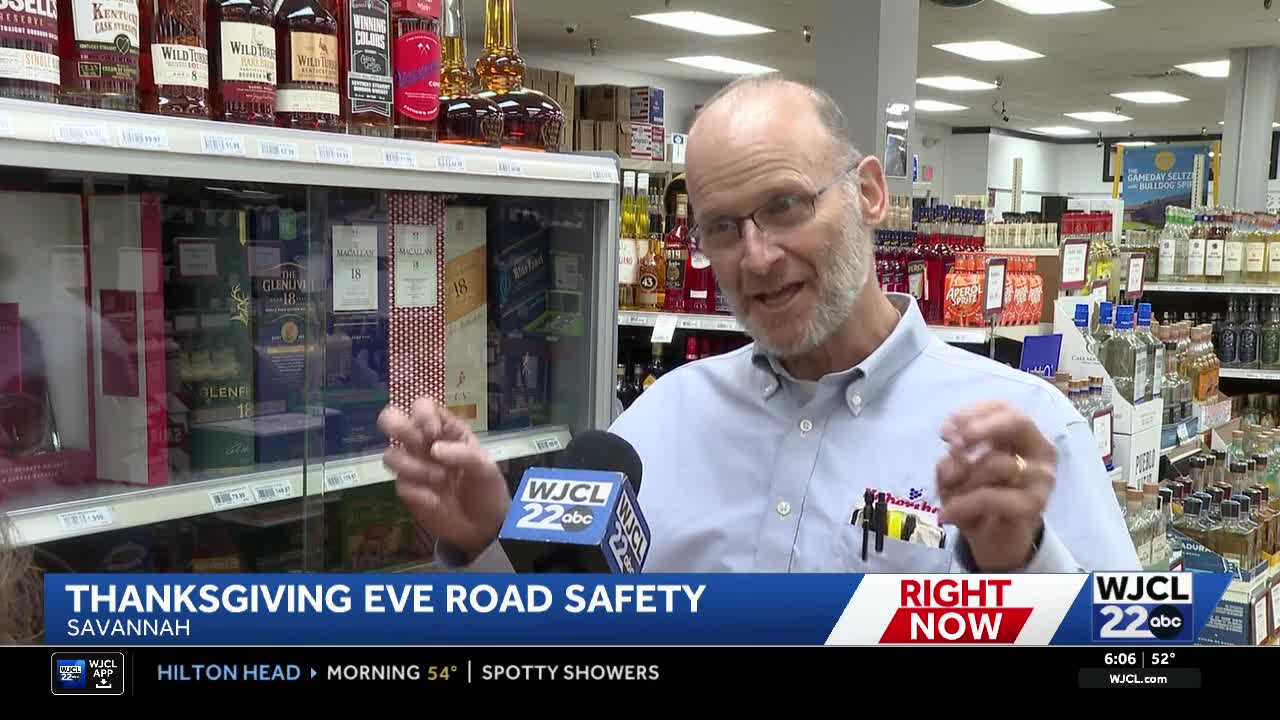
Savannah's bars and liquor stores are staffing up for 'Blackout Wednesday,' one of the year's biggest drinking nights, while Georgia troopers launch a DUI crackdown. The surge tests supply chains and raises safety and liability concerns.
Executive Takeaways
- Blackout Wednesday—the night before Thanksgiving—is one of the busiest bar nights in the U.S., and Savannah is no exception, with bars and liquor stores staffing up for a surge in demand.
- Georgia law enforcement is ramping up patrols targeting speeders and impaired drivers, creating a high-stakes environment for businesses that serve alcohol.
- The event highlights the delicate balance between maximizing revenue and ensuring public safety, with significant financial and reputational risks for retailers and hospitality venues.
- Supply chain logistics, staffing challenges, and liability insurance are key operational concerns for businesses during this peak period.
- Investors in the hospitality and alcohol retail sectors should watch for regulatory scrutiny and shifting consumer behaviors around high-risk drinking occasions.
The Core Event & Breaking Timeline
Savannah’s hospitality and alcohol retail sectors are bracing for a surge in demand as the city approaches “Blackout Wednesday,” the informal holiday that has become one of the busiest nights of the year for bars and liquor stores. According to a report from WJCL Television, establishments across Savannah are adding staff, extending hours, and stocking up on inventory to meet the expected rush of patrons—many of them home for Thanksgiving—who participate in the pre-holiday revelry. The phenomenon, also known as “Drinksgiving” or “Thanksgiving Eve,” has grown in prominence over the past decade, fueled by social media and a cultural shift toward reconnecting with friends and family over drinks.
Simultaneously, Georgia law enforcement agencies, including the Georgia State Patrol, are ramping up enforcement efforts targeting speeders and drunk drivers. The coordinated crackdown is part of a broader national effort to reduce alcohol-related fatalities during the Thanksgiving holiday period, which consistently ranks among the deadliest on U.S. roads. Troopers will be out in force, conducting sobriety checkpoints and saturation patrols in Savannah and surrounding areas, aiming to deter impaired driving and catch offenders before they cause harm.
The timing is critical: Thanksgiving week typically sees a spike in both alcohol consumption and vehicle traffic as millions of Americans travel to gather with loved ones. In Savannah, a popular tourist destination with a vibrant nightlife district, the combination of local celebrations and visitor influx creates a perfect storm. Bars in the historic district and along River Street are expected to be packed, while liquor stores report a surge in sales of beer, wine, and spirits. Some establishments are offering special promotions and extended happy hours to capitalize on the crowds.
Initial market reactions are mixed. While alcohol retailers and bars anticipate a revenue boost, they are also mindful of the risks associated with overconsumption and the potential for alcohol-related incidents that could lead to liability claims or regulatory penalties. Local authorities have emphasized that they will not tolerate drunk driving, and businesses are being reminded of their legal responsibilities, including refusing service to visibly intoxicated patrons and ensuring safe transportation options. The convergence of commerce and enforcement sets the stage for a high-stakes night in Savannah.
Deep Technical & Financial Architecture
The financial mechanics of Blackout Wednesday are substantial. For bars and restaurants, the night can generate revenue equivalent to a typical weekend, with some venues reporting sales increases of 50% to 100% compared to an average Wednesday. Liquor stores similarly see a spike, often ordering extra inventory weeks in advance to avoid stockouts. The surge in demand strains supply chains, particularly for popular beer and spirits brands, and requires careful inventory management to balance supply with demand and minimize waste.
Operationally, businesses face challenges in staffing and logistics. Many bars hire temporary staff or ask existing employees to work extra shifts, leading to higher labor costs. Security is also a concern, with venues hiring additional bouncers and coordinating with local police to manage crowds. Insurance premiums for liquor liability can be significant, and businesses must ensure they are adequately covered for potential incidents. Some establishments invest in technology such as ID scanners and point-of-sale systems that track sales and flag potential over-service, helping to mitigate risk.
The unit economics of Blackout Wednesday vary by establishment type. For a typical bar, the profit margin on alcoholic beverages can range from 70% to 80%, making the night highly profitable if managed well. However, the costs associated with extra staff, security, and insurance can eat into margins. Liquor stores operate on thinner margins, often 20% to 30%, but the volume surge can still yield significant profits. The key is to forecast demand accurately and manage inventory efficiently to avoid overstocking or understocking.
From a broader financial perspective, the alcohol industry is a major contributor to the U.S. economy, with the beverage alcohol market generating over $250 billion in annual sales. Events like Blackout Wednesday contribute to the seasonal fluctuations in revenue, and publicly traded companies in the sector, such as beverage producers and distributors, often see increased sales during the holiday season. Investors monitor these trends as indicators of consumer spending and economic health.
Technology plays an increasing role in the operations of bars and liquor stores. Many establishments use cloud-based point-of-sale systems that provide real-time sales data, enabling owners to make informed decisions about staffing and inventory. Mobile payment solutions and delivery apps have also changed the landscape, offering convenience to customers and new revenue streams for businesses. However, these technologies also introduce cybersecurity risks, and businesses must protect customer data and financial information.
Industry & Global Market Ripple Effects
The Blackout Wednesday phenomenon has ripple effects across the alcohol supply chain. Distributors and wholesalers ramp up deliveries to meet the surge in orders from retailers, often working extended hours in the days leading up to Thanksgiving. This increased demand can strain logistics networks, leading to higher transportation costs and potential delays. For large distributors, the holiday season is a critical period that can account for a significant portion of annual revenue.
Competitors in the hospitality industry, including restaurants and entertainment venues, also feel the impact. While bars may see a surge, restaurants that do not serve alcohol may experience a lull as patrons choose drinking establishments. Conversely, some restaurants offer special Thanksgiving Eve menus and promotions to attract diners. The competition for consumer dollars is intense, and businesses must differentiate themselves through unique offerings and experiences.
Globally, the Thanksgiving holiday is primarily a U.S. tradition, but the concept of a big drinking night before a holiday resonates in other cultures. For example, in the UK, “Black Eye Friday” (the last Friday before Christmas) serves a similar purpose, and in Australia, “Schoolies Week” involves celebrations that can lead to increased alcohol consumption. These events highlight universal challenges in managing public safety and business interests around alcohol.
Investors in the alcohol and hospitality sectors watch these trends closely. Companies that can effectively capitalize on peak events while managing risks are better positioned for long-term growth. Additionally, the rise of non-alcoholic alternatives and health-conscious consumer behavior is gradually reshaping the industry, and businesses that adapt to these trends may gain a competitive edge.
Critical Perspectives, Analyst Debates & Risk Factors
While the economic benefits of Blackout Wednesday are clear, critics argue that the event glorifies excessive drinking and contributes to public safety risks. Law enforcement officials emphasize that impaired driving remains a leading cause of traffic fatalities, and events that encourage heavy drinking can exacerbate the problem. Some advocacy groups call for stricter regulations on alcohol advertising and promotions, particularly those targeting young adults.
From a business perspective, the risks of over-serving and liability are significant. Establishments that serve visibly intoxicated patrons can face lawsuits, fines, and license suspensions. Insurance companies may raise premiums for businesses with a history of incidents. Therefore, responsible service training and adherence to alcohol laws are essential. Some bars implement policies such as cutting off patrons who appear intoxicated and offering free non-alcoholic drinks or food to slow consumption.
Analysts debate the sustainability of such peak events. While they provide a revenue boost, they also highlight the volatility of the hospitality industry and the challenges of managing demand spikes. Some argue that businesses should focus on building sustainable, year-round customer relationships rather than relying on occasional surges. Others point out that these events can serve as marketing opportunities to attract new customers who may return later.
Regulatory friction is another consideration. In some jurisdictions, authorities have imposed additional restrictions on alcohol sales during holiday periods, such as limiting hours or requiring extra security. Businesses must navigate a complex web of local, state, and federal regulations, and non-compliance can result in penalties. The enforcement crackdown in Savannah underscores the importance of staying on the right side of the law.
Strategic Forecast & Road Ahead
Looking ahead, the trend of Blackout Wednesday is likely to continue, driven by social customs and the desire for pre-holiday celebration. However, changing consumer preferences, including a growing interest in moderation and non-alcoholic options, may gradually alter the landscape. Businesses that offer a diverse range of beverages, including low-alcohol and alcohol-free choices, may appeal to a broader audience and mitigate risks.
In the next 12 to 24 months, we can expect increased use of technology in alcohol service, such as digital ID verification and AI-powered monitoring systems to detect over-service. These tools can help businesses comply with regulations and reduce liability. Additionally, the push for safer transportation options, such as ride-sharing partnerships and free shuttle services, may become more prevalent, especially in cities like Savannah with active nightlife districts.
Law enforcement strategies will likely evolve, with a focus on data-driven policing and community engagement. Public awareness campaigns about the dangers of drunk driving will continue, and there may be calls for stricter penalties for repeat offenders. The hospitality industry will need to adapt to these changes while maintaining profitability.
For investors, the key will be to identify companies that demonstrate strong risk management and adaptability. The alcohol industry faces headwinds from health trends and regulatory pressures, but well-managed businesses can still thrive. As Savannah prepares for another Blackout Wednesday, the balance between celebration and safety remains the central challenge—one that will shape the future of the industry.


Comments (0)
No comments yet. Be the first to share your thoughts!
Leave a Comment