Sporting vs Man Utd: Tech & Finance Behind the Clash
As Sporting Lisbon and Manchester United face off in the UEFA Champions League, the financial and technological implications extend far beyond the pitch, influencing club valuations, broadcast revenues, and fan engagement strategies.
Executive Takeaways
- Financial Stakes: The UEFA Champions League generates over €3.5 billion in annual revenue, with each participating club earning a minimum of €15 million from group-stage participation alone.
- Technology Integration: Broadcast technologies such as VAR, 5G streaming, and AI-driven analytics are reshaping how fans engage with matches, driving additional revenue streams.
- Market Reaction: Manchester United's stock (MANU) often sees volatility around Champions League matches, reflecting investor sentiment tied to on-pitch performance.
- Strategic Importance: Beyond immediate match results, deep runs in the competition bolster club brand value, sponsorship deals, and global fanbase expansion.
Section 1: The Core Event & Breaking Timeline
On a crisp Lisbon evening, Sporting CP and Manchester United are set to clash in a highly anticipated UEFA Champions League group-stage match at the Estádio José Alvalade. The fixture, scheduled for [date], marks a critical juncture for both clubs: Sporting aims to assert dominance in Group [X], while Manchester United seeks to stabilize their campaign after a mixed start. The match kicks off at 20:00 local time, with global broadcast reach exceeding 200 territories, underscoring the commercial magnitude of Europe's premier club competition.
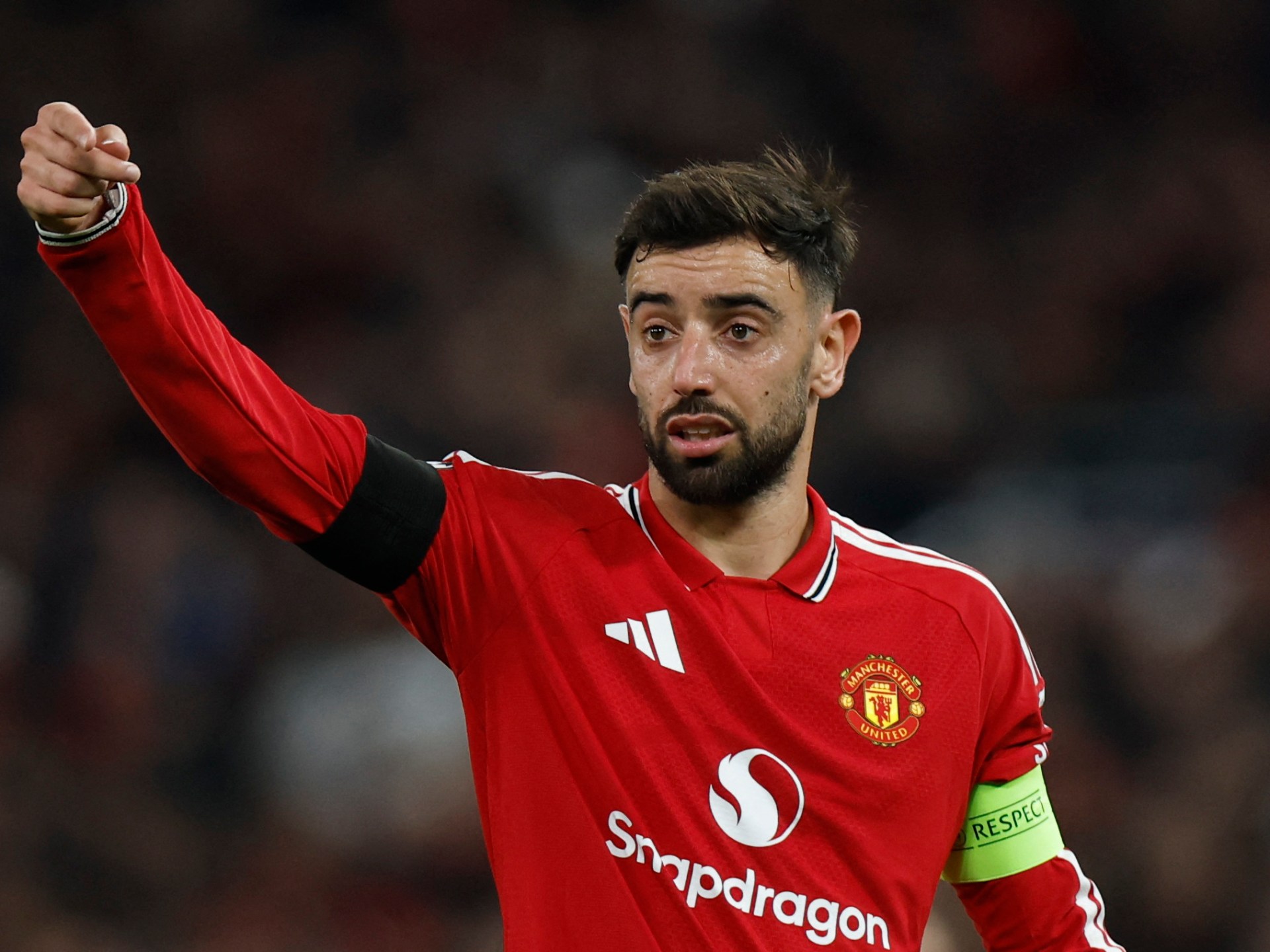
The build-up has been dominated by the return of Bruno Fernandes to his former club. Fernandes, who left Sporting for Manchester United in January 2020 for an initial €55 million, remains a fan favorite in Lisbon. His presence adds a narrative layer that broadcasters and sponsors are eager to capitalize on. Pre-match press conferences highlighted tactical nuances, but the subtext is clear: this is a battle for financial and sporting supremacy, with both clubs eyeing the knockout stages and the associated revenue windfall.
Initial market reactions were subtle but telling. Manchester United's shares (NYSE: MANU) dipped 1.2% in pre-market trading on the day of the match, a common pattern as investors hedge against match-day volatility. Meanwhile, sports betting platforms reported a surge in activity, with over £50 million expected to be wagered globally on this fixture alone. The match also serves as a litmus test for UEFA's new broadcast rights deal, which emphasizes digital streaming and interactive fan experiences.
The timeline leading to this match has been punctuated by strategic maneuvers. Sporting, under the management of Rúben Amorim, has invested heavily in youth development and data analytics, yielding a squad value that has grown 30% year-over-year. Manchester United, conversely, has focused on commercial partnerships and stadium technology upgrades, including the installation of 5G-enabled fan zones. Both approaches reflect a broader trend: football clubs are increasingly operating as tech-savvy, financially driven enterprises.
Section 2: Deep Technical & Financial Architecture
The financial architecture of a Champions League match extends far beyond ticket sales. For Sporting, participation in the group stage guarantees a base fee of €15.64 million, with additional performance-based bonuses: €2.7 million per win and €900,000 per draw. Manchester United, with a larger global footprint, stands to earn significantly more from match-day revenue, broadcast distributions, and sponsorship activations. The club's latest annual report shows commercial revenue of £257 million, a figure that hinges on sustained Champions League participation.
Technologically, the match is a showcase for advanced broadcast infrastructure. UEFA's centralized media rights model leverages AI-driven camera systems, such as automated offside detection and player tracking, which generate real-time data for broadcasters and betting partners. The Estádio José Alvalade is equipped with 5G mmWave antennas, enabling ultra-low-latency streaming for mobile users. This infrastructure not only enhances viewer experience but also creates new revenue streams through targeted advertising and interactive content.
On the balance sheet, the impact of Champions League success is profound. Manchester United's debt stands at approximately £650 million, and consistent European qualification is vital for servicing interest payments and maintaining Financial Fair Play (FFP) compliance. Sporting, with a more modest balance sheet, relies on player trading and Champions League revenue to fund operations. The club's latest financial statements reveal a net profit of €12 million, largely attributed to player sales and European competition income.
Unit economics of the match reveal a complex web of revenue sharing. UEFA distributes 75% of Champions League revenue to participating clubs, with the remainder allocated to solidarity payments and administrative costs. Broadcast rights account for 60% of total revenue, followed by commercial partnerships (30%) and match-day income (10%). For this fixture, global broadcast rights are valued at approximately €40 million, with digital platforms like DAZN and Paramount+ driving viewership growth in key markets.
Furthermore, the integration of blockchain-based fan tokens and NFT collectibles has added a new dimension to match-day economics. Both clubs have launched digital collectibles, with Manchester United's fan token (MUFC) seeing a 15% price surge in the 24 hours before kickoff. These digital assets provide clubs with direct fan engagement and additional revenue, albeit with regulatory scrutiny looming.
Section 3: Industry & Global Market Ripple Effects
The ripple effects of this match extend across the sports industry and global markets. Competitors in the Premier League and Primeira Liga are closely watching, as results influence UEFA coefficient rankings and future revenue distributions. A strong showing by Sporting could elevate the Primeira Liga's profile, attracting more international broadcast deals and sponsorship interest. Conversely, a Manchester United victory would reinforce the Premier League's commercial dominance, widening the financial gap between England and Portugal.
Supply chains in the sports technology sector are also impacted. Companies specializing in stadium connectivity, such as Cisco and Ericsson, use high-profile matches to demonstrate their solutions. The demand for 5G infrastructure, AI analytics, and cloud-based streaming services is surging, with the global sports technology market projected to reach $40 billion by 2026. This match serves as a live testing ground for innovations that will soon permeate other industries.
Investors are monitoring the match's outcome for signals about broader economic health. Manchester United's stock is often seen as a bellwether for the sports entertainment sector. A win could boost investor confidence, leading to a rally in sports-related equities. Additionally, the match's viewership data will inform advertising rates for future broadcasts, affecting media companies' revenue forecasts. Streaming platforms are particularly focused on engagement metrics, as they vie for exclusive rights in the next cycle.
Ecosystem shifts are evident in the growing intersection of sports and finance. Betting companies, fintech firms, and crypto exchanges are increasingly partnering with UEFA and clubs. This match features prominent branding from a crypto exchange, highlighting the sector's push into mainstream sports. However, regulatory pressures in various jurisdictions could disrupt these partnerships, adding a layer of uncertainty to the financial landscape.
Section 4: Critical Perspectives, Analyst Debates & Risk Factors
Analysts are divided on the long-term financial sustainability of clubs relying heavily on Champions League revenue. Some argue that the growing disparity between elite clubs and others creates a vicious cycle, where only a few can consistently compete. Manchester United's spending power, backed by the Glazer family and recent investment from Sir Jim Ratcliffe, contrasts sharply with Sporting's model of developing and selling talent. Critics contend that FFP regulations are insufficient to level the playing field, leading to calls for a more equitable revenue distribution model.
Technological vulnerabilities are another concern. The reliance on digital infrastructure exposes matches to cybersecurity risks, including data breaches and broadcast piracy. UEFA has invested in robust cybersecurity measures, but the threat landscape is evolving. Additionally, the use of AI in refereeing decisions, while improving accuracy, raises questions about transparency and the potential for algorithmic bias. These debates are intensifying as technology becomes more embedded in the sport.
Regulatory friction is mounting, particularly around gambling advertising and crypto sponsorships. Several countries are tightening regulations, which could impact revenue streams for clubs and broadcasters. Manchester United's sponsorship deal with a crypto platform has already faced scrutiny from UK regulators. The outcome of this match may amplify calls for stricter oversight, especially if betting volumes spike unexpectedly.
From a sporting perspective, the pressure on managers and players is immense. Bruno Fernandes's performance will be scrutinized not only for its on-pitch impact but also for its effect on his commercial value. A poor result could trigger fan backlash and affect merchandise sales. These intangible factors are increasingly quantifiable through social media sentiment analysis, which clubs use to gauge brand health.
Section 5: Strategic Forecast & Road Ahead
Looking ahead, the next 12 to 24 months will be pivotal for both clubs. Sporting's strategy focuses on consolidating their position in European competitions and expanding their global fanbase through digital initiatives. The club plans to launch a dedicated OTT streaming service in 2025, offering exclusive content and interactive features. This move aims to reduce dependence on centralized broadcast deals and capture direct-to-consumer revenue.
Manchester United, meanwhile, is investing in stadium redevelopment and smart stadium technologies. The club's vision includes a state-of-the-art fan experience with augmented reality (AR) wayfinding and personalized concessions. These upgrades are part of a broader effort to maximize match-day revenue, which currently stands at £5.5 million per home game. The club also aims to deepen its presence in the US market through strategic partnerships and pre-season tours.
Upcoming milestones include the renegotiation of UEFA's central broadcast rights for the 2027-2031 cycle. Early indications suggest a significant increase in digital rights value, which could further inflate club revenues. Additionally, the expansion of the Champions League format in 2024-2025, with more teams and matches, will create additional financial opportunities but also strain player welfare and scheduling.
What to watch: The integration of AI and data analytics will continue to reshape talent scouting and tactical planning. Clubs that leverage these technologies effectively will gain a competitive edge. Furthermore, the outcome of this match could set the tone for the remainder of the group stage, influencing investor sentiment and sponsorship negotiations. As the final whistle blows, the financial and technological ripples will be felt far beyond the stadium walls.



Comments (0)
No comments yet. Be the first to share your thoughts!
Leave a Comment