Operation Gaja Backfires: Elephant Conflict Escalates in Mudigere
Operation Gaja, a government-led elephant capture operation in Mudigere, Karnataka, has sparked fears of intensified human-elephant conflict. Local communities worry about safety and long-term ecological impacts.
Executive Takeaways
- Operation Gaja, a Karnataka Forest Department initiative to capture and relocate elephants, has left residents of Mudigere fearing heightened human-elephant conflict.
- The operation, aimed at reducing crop damage and human casualties, has raised concerns about the effectiveness and ethics of such measures.
- Experts warn that capturing and relocating elephants may exacerbate conflict by disrupting herd dynamics and increasing stress on the animals.
- Local communities report increased elephant sightings and property damage since the operation began, prompting calls for alternative mitigation strategies.
- The Karnataka government faces pressure to balance conservation goals with public safety, as the debate over human-wildlife coexistence intensifies.
The Core Event & Breaking Timeline
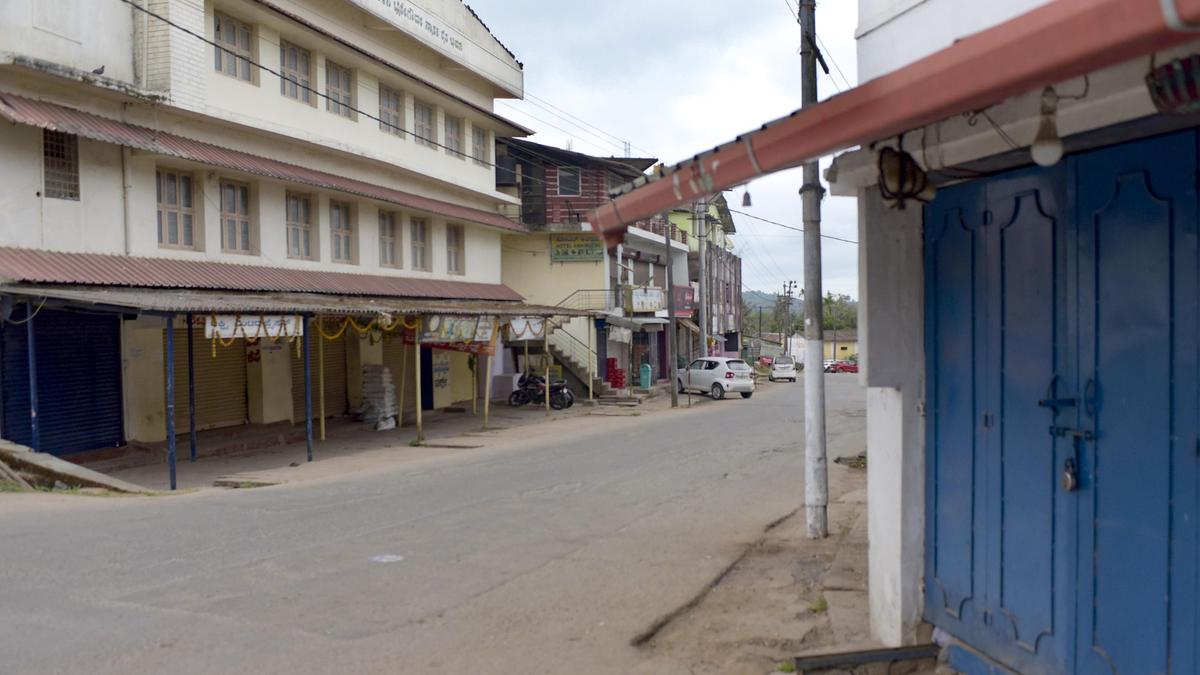
In the lush, coffee-growing region of Mudigere in Karnataka's Chikkamagaluru district, a government-led operation named 'Operation Gaja' has become a flashpoint for human-elephant conflict. Launched in early 2024, the operation aimed to capture and relocate elephants that had been causing crop damage and posing a threat to human life. However, the initiative has left local residents anxious and skeptical, with many reporting an increase in elephant sightings and property damage since the operation commenced.
The operation, spearheaded by the Karnataka Forest Department, involved the deployment of trained elephants (kumkis) and veterinary teams to track and tranquilize problem elephants. According to official statements, the goal was to capture and relocate a specific herd responsible for repeated crop raids in the region. The operation was initially welcomed by farmers who had suffered significant losses, but as the weeks progressed, the situation took an unexpected turn.
Local residents in Mudigere report that the capture of a few elephants has led to increased aggression and erratic behavior among the remaining herd members. "We used to see elephants occasionally, but now they are more frequent and aggressive," said a local coffee plantation owner. "The operation seems to have disturbed the herd, and we are paying the price." The Forest Department, however, maintains that the operation was necessary and conducted with scientific guidance.
The initial market reaction to Operation Gaja was muted, as it primarily affects the agricultural sector in the region. However, the long-term implications for the coffee and spice trade could be significant if the conflict escalates. The region is a major producer of coffee and cardamom, and any disruption to farming activities could impact local livelihoods and supply chains.
Deep Technical & Financial Architecture
Operation Gaja's technical approach involved the use of advanced tracking technologies, including GPS collars and drones, to monitor elephant movements. The operation also relied on the expertise of kumki elephants—trained elephants used to help capture wild ones—and a team of veterinarians to ensure the safe tranquilization and transport of the animals. The Forest Department reported that the captured elephants were relocated to a designated elephant camp in a nearby forest area, where they would be monitored for health and behavior.
From a financial perspective, the operation incurred significant costs, including the deployment of personnel, equipment, and transportation. While the exact figures are not publicly disclosed, similar operations in India have cost upwards of ₹50 lakh (approximately $60,000) per elephant captured. The Karnataka government allocated funds from its wildlife conservation budget, but critics argue that the money could have been better spent on non-invasive mitigation measures such as electric fences and early warning systems.
The balance sheet impact extends beyond the government's expenditure. Local farmers, who are the primary stakeholders, face ongoing losses from crop damage. A study by the Wildlife Trust of India estimated that human-elephant conflict costs Karnataka's agricultural sector around ₹100 crore annually. The operation's failure to reduce conflict could exacerbate these losses, leading to increased insurance claims and potential financial distress for smallholder farmers.
Technologically, the operation highlighted the challenges of using GPS collars in dense forests, where signal transmission can be unreliable. The Forest Department has been exploring the use of AI-powered predictive analytics to anticipate elephant movements, but such systems require robust data and infrastructure. The operation's mixed results underscore the need for a more integrated approach that combines technology with community-based strategies.
Industry & Global Market Ripple Effects
The ripple effects of Operation Gaja extend beyond Mudigere to the broader coffee and spice industry. Karnataka is India's largest coffee producer, accounting for over 70% of the country's output. Any disruption in the region can impact global coffee prices, especially for Arabica and Robusta varieties. Traders and exporters are closely monitoring the situation, as prolonged conflict could lead to supply shortages and price volatility.
Competitors in other coffee-producing regions, such as Kerala and Tamil Nadu, may benefit if Karnataka's production declines. However, the issue of human-elephant conflict is not unique to Karnataka; it is a nationwide problem that affects several states. The operation's outcome could influence policy decisions in other regions, either encouraging similar capture operations or prompting a shift towards alternative mitigation methods.
Investors in agri-tech and conservation technology are watching closely. Companies that provide solutions such as sensor-based early warning systems, drones for wildlife monitoring, and AI-driven analytics could see increased demand if traditional methods prove ineffective. The operation has also sparked discussions among impact investors about funding community-led conservation initiatives that prioritize coexistence.
Globally, the incident highlights the challenges of managing human-wildlife conflict in densely populated countries. International conservation organizations, such as the World Wildlife Fund (WWF) and the International Union for Conservation of Nature (IUCN), have emphasized the need for holistic approaches that involve local communities. The failure of Operation Gaja to achieve its objectives could serve as a case study for other nations grappling with similar issues.
Critical Perspectives, Analyst Debates & Risk Factors
Critics of Operation Gaja argue that the capture and relocation of elephants is a short-sighted solution that fails to address the root causes of conflict. "Relocating elephants only shifts the problem to another area," said Dr. Raman Sukumar, a leading elephant ecologist. "It disrupts social structures and can lead to increased aggression among the remaining herd." Experts advocate for habitat restoration, wildlife corridors, and community-based conflict mitigation as more sustainable alternatives.
On the other hand, supporters of the operation point to the immediate need to protect human lives and livelihoods. "We cannot ignore the safety of our citizens," said a senior Forest Department official. "The operation was a last resort after repeated attempts to deter the elephants failed." They argue that without such interventions, farmers would continue to suffer losses, leading to retaliatory killings of elephants.
The debate also centers on the ethical treatment of animals. Animal rights groups have raised concerns about the stress and potential harm caused to elephants during capture and relocation. The use of kumkis, while traditional, is seen by some as a form of exploitation. The Forest Department claims that all protocols were followed, but independent oversight is lacking.
Regulatory friction is another risk factor. The operation must comply with the Wildlife Protection Act, 1972, which mandates strict procedures for capturing and relocating elephants. Any deviation could lead to legal challenges and public outcry. The Karnataka High Court has previously intervened in similar cases, emphasizing the need for scientific management and community consultation.
Strategic Forecast & Road Ahead
In the next 12 to 24 months, the Karnataka Forest Department is expected to review the outcomes of Operation Gaja and potentially revise its approach to human-elephant conflict. A comprehensive assessment of the operation's impact on elephant behavior and local communities will be crucial. The department may also explore alternative strategies such as the installation of electric fences, the promotion of elephant-friendly crops, and the establishment of early warning systems using mobile technology.
Upcoming milestones include the release of a report by the Wildlife Trust of India on the effectiveness of relocation as a mitigation tool. The report is expected to inform policy decisions at both the state and national levels. Additionally, the Karnataka government has announced plans to invest in AI-based surveillance systems to track elephant movements in real-time, which could be a pivotal factor for conflict prevention.
What to watch: The response of local communities and their willingness to participate in coexistence measures. If trust in government interventions erodes further, it could lead to protests and demands for more drastic measures. Conversely, successful community-led initiatives could serve as a model for other regions.
Investors and technology providers should monitor the demand for innovative solutions in wildlife management. The market for conservation tech is growing, and startups that can offer scalable, cost-effective solutions for human-elephant conflict will find opportunities. The key will be to balance technological innovation with ecological sensitivity and community engagement.


Comments (0)
No comments yet. Be the first to share your thoughts!
Leave a Comment