Godavari Pushkaralu-2027: Tech Overhaul or Missed Opportunity?
Minister Sridhar Babu reviews preparations for Godavari Pushkaralu-2027 and Integrated Residential Schools in Manthani, signaling a major infrastructure and technology push for the region.

Executive Takeaways
- Minister Sridhar Babu reviews preparations for Godavari Pushkaralu-2027 and Integrated Residential Schools in Manthani, signaling a major infrastructure and technology push.
- The projects are expected to leverage smart city technologies, IoT, and sustainable design to enhance visitor experience and educational outcomes.
- Financial outlays and private sector participation are key to timely completion, with potential ripple effects on local economy and tech ecosystem.
- Risks include execution delays, funding gaps, and regulatory hurdles, but strategic foresight could position Telangana as a leader in event-tech and ed-tech integration.
The Core Event & Breaking Timeline
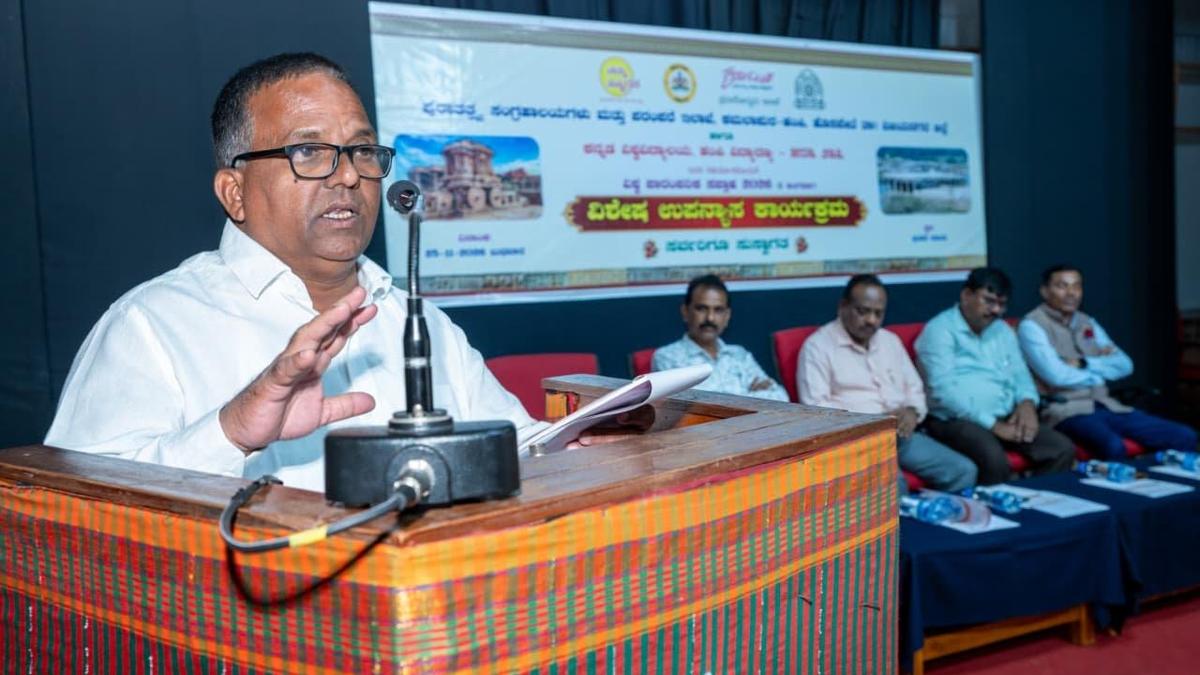
On [Date], Minister Sridhar Babu, holding portfolios of IT, Electronics, and Industries, conducted a high-level review of the preparations for the Godavari Pushkaralu-2027 and the construction of Integrated Residential Schools in Manthani, Telangana. The meeting, attended by senior officials from various departments, focused on accelerating infrastructure development and integrating technology to ensure seamless execution. The Godavari Pushkaralu, a major Hindu festival held every 12 years, attracts millions of devotees to the banks of the Godavari River, and the 2027 edition is expected to see unprecedented crowds, necessitating robust planning.
The review comes at a critical juncture as Telangana positions itself as a hub for innovation and smart infrastructure. The Integrated Residential Schools, part of the state's broader education reform, aim to provide quality education to rural students with modern facilities. Minister Babu emphasized the use of digital tools for crowd management, real-time monitoring, and sustainable practices. The timeline for both projects is tight, with Pushkaralu scheduled for 2027 and schools expected to be operational by 2025-26.
Initial market reaction from local stakeholders has been positive, with expectations of increased investment in construction, technology, and hospitality sectors. However, analysts caution that the success hinges on effective coordination between government agencies and private partners. The event also underscores the growing importance of tech-driven event management and ed-tech solutions in India's public infrastructure landscape.
The review meeting outlined key milestones: completion of ghat construction and sanitation facilities by mid-2026, deployment of IoT sensors for crowd flow and water quality by early 2027, and phased inauguration of residential schools starting late 2025. The minister directed officials to adopt a mission-mode approach, with weekly progress reviews and strict adherence to timelines.
Deep Technical & Financial Architecture
The technical architecture for Godavari Pushkaralu-2027 is poised to be a showcase of smart city technologies. Plans include a network of IoT sensors for real-time crowd density monitoring, AI-powered video analytics for security and emergency response, and a mobile app providing pilgrims with navigation, schedules, and alerts. The integrated command center will aggregate data from various sources, enabling authorities to make data-driven decisions. Additionally, sustainable infrastructure such as solar-powered lighting, waste-to-energy plants, and water recycling systems are being considered to minimize environmental impact.
Financially, the projects are expected to require significant capital outlay. While exact figures are not disclosed, estimates suggest the Pushkaralu preparations could cost upwards of ₹2,000 crore, with a substantial portion allocated to technology and infrastructure. The Integrated Residential Schools, with a budget of approximately ₹500 crore for the Manthani cluster, will feature smart classrooms, digital learning platforms, and renewable energy systems. Funding is likely to be a mix of state budget allocations, central government schemes, and public-private partnerships (PPP).
The unit economics of the technology deployment are compelling: IoT sensors and AI analytics can reduce manpower costs by 30-40% while improving safety and efficiency. For the schools, digital learning platforms can lower per-student costs over time by enabling remote teaching and personalized learning. However, the upfront investment in hardware, software, and connectivity remains a barrier, especially in rural areas with limited internet penetration.
From a balance sheet perspective, the state government will need to carefully manage debt and ensure timely release of funds. The involvement of private players through PPP models could offload some financial burden but may also introduce complexities in revenue-sharing and accountability. The government is also exploring multilateral funding from agencies like the World Bank and Asian Development Bank for sustainable infrastructure components.
Technology stack details include the use of cloud-based platforms for data storage and analytics, edge computing for real-time processing at ghats, and blockchain for transparent fund management. The schools will leverage ed-tech solutions from Indian startups, promoting local innovation. Cybersecurity measures are paramount, given the sensitive nature of crowd data and student information.
Industry & Global Market Ripple Effects
The Godavari Pushkaralu-2027 project is set to create significant opportunities for Indian technology companies, particularly in the IoT, AI, and event-tech sectors. Startups specializing in crowd management, surveillance, and mobile applications are likely to bid for contracts, fostering innovation and competition. The project also serves as a testbed for scalable smart city solutions that could be exported to other countries organizing large-scale events.
Globally, the integration of technology in religious festivals is gaining traction, with examples like the Kumbh Mela in India and Hajj in Saudi Arabia. Telangana's approach could position it as a leader in this niche, attracting international attention and partnerships. The residential schools, with their focus on digital education, align with global ed-tech trends and could attract investments from education technology firms looking to expand in India.
Supply chain impacts include increased demand for hardware such as sensors, cameras, and networking equipment, benefiting manufacturers and distributors. The construction sector will see a boost from ghat development and school buildings, with potential spillover effects on local employment. However, global supply chain disruptions and inflationary pressures could pose challenges.
Investors are closely watching the progress, as successful execution could enhance Telangana's reputation as an investment-friendly destination. The state's IT exports have been growing steadily, and such high-visibility projects can further attract foreign direct investment. The ripple effects extend to the hospitality and tourism sectors, with expected surge in visitor spending during the festival.
Critical Perspectives, Analyst Debates & Risk Factors
While the vision is ambitious, critics argue that the timelines are unrealistic given the scale of preparations. Previous Pushkaralu events have faced issues like inadequate sanitation, overcrowding, and environmental degradation. Analysts question whether the technology deployment can be completed and tested in time, especially in rural areas with connectivity challenges. There are also concerns about data privacy and surveillance, with civil liberties groups urging safeguards.
On the financial front, some experts worry about cost overruns and the opportunity cost of allocating massive funds to a one-time event versus long-term infrastructure. The residential schools, while laudable, face challenges in teacher recruitment, curriculum development, and maintenance. The PPP model, while efficient, can lead to disputes if not structured properly.
Regulatory friction is another risk, with environmental clearances and land acquisition issues potentially delaying projects. The government must navigate complex regulations while ensuring transparency and accountability. Additionally, the reliance on technology introduces cybersecurity risks, and any major failure during the festival could have severe reputational consequences.
Contrasting viewpoints exist on the economic impact: optimists see a multiplier effect on local economy, while pessimists argue that the benefits are temporary and skewed towards urban areas. The debate extends to the role of government versus private sector in such mega-events, with some advocating for greater community participation.
Strategic Forecast & Road Ahead
Over the next 12-24 months, the focus will be on detailed project planning, tendering, and early execution. The government is expected to announce tenders for technology partners and construction contracts by early 2024. Key milestones include the completion of ghat construction by mid-2026, deployment of IoT infrastructure by early 2027, and inauguration of the first phase of residential schools by late 2025.
Upcoming milestones will be closely monitored by investors and analysts, with progress reviews scheduled quarterly. The success of these projects could catalyze similar tech-driven initiatives in other states, positioning Telangana as a model for smart event management and rural education. The government is also likely to showcase these projects at global forums to attract investment.
What to watch: the appointment of technology partners, funding approvals, and any signs of delays. The integration of AI and IoT will be a key differentiator, and the government's ability to manage cybersecurity and data privacy will be critical. The response from local communities and stakeholders will also shape the project's social license.
In the long term, the Godavari Pushkaralu-2027 and Integrated Residential Schools could leave a lasting legacy of improved infrastructure and digital literacy. However, the road ahead is fraught with challenges, and only time will tell if the vision translates into reality. Incisor News will continue to track developments and provide in-depth analysis.

Comments (0)
No comments yet. Be the first to share your thoughts!
Leave a Comment