Bengaluru's Quick-Commerce Bags Get Circular Second Life at Kadlekai Parishe
Zero Waste Collective has set up 10 collection points across Bengaluru, amassing over 3,000 paper bags for reuse at the December 5–8 Kadlekai Parishe fair, showcasing a scalable circular economy model for quick-commerce packaging waste.
Executive Takeaways
- Circular economy in action: Zero Waste Collective's initiative to collect and reuse over 3,000 quick-commerce paper bags at Bengaluru's Kadlekai Parishe demonstrates a practical model for reducing packaging waste.
- Scalable solution: The project's 10 collection points across Bengaluru highlight the potential for city-wide replication, addressing the mounting environmental impact of quick-commerce packaging.
- Consumer engagement: The success of the collection drive underscores growing consumer willingness to participate in sustainability initiatives, a key factor for brands aiming to meet ESG goals.
- Economic viability: Reusing bags reduces costs for vendors and lowers the carbon footprint, presenting a financially and environmentally sustainable alternative to single-use plastics.
- Regulatory tailwinds: With India's push against single-use plastics, such grassroots innovations align with policy trends and could attract corporate partnerships and investment.
Section 1: The Core Event & Breaking Timeline
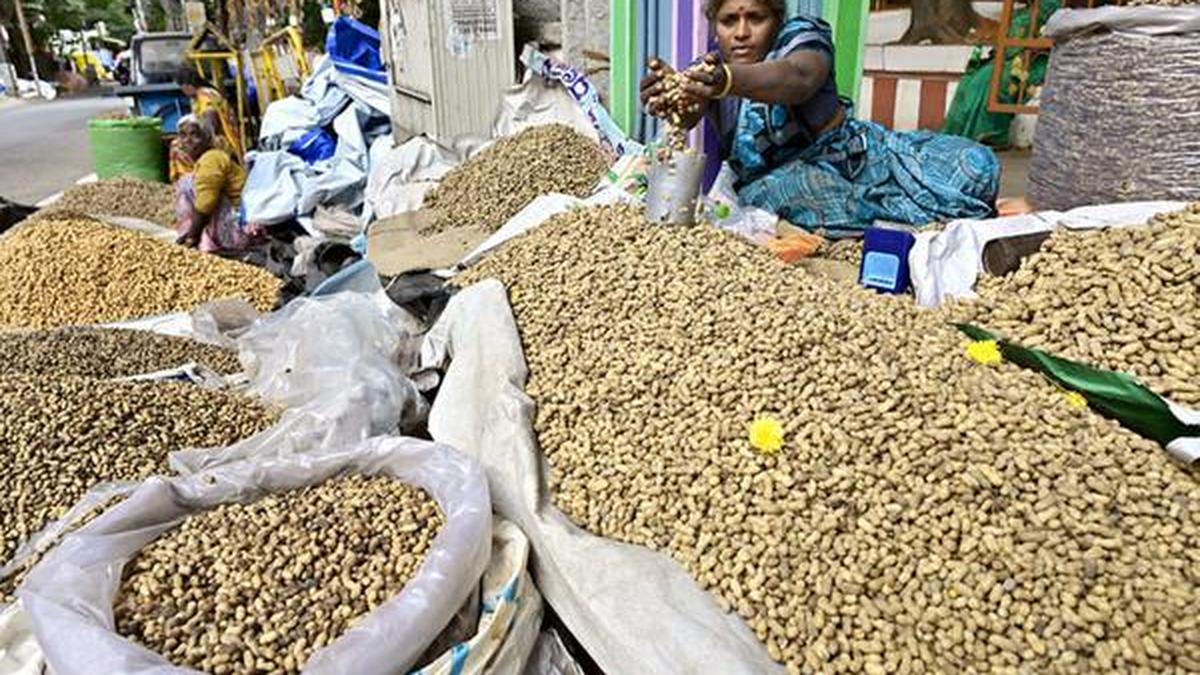
On December 5–8, Bengaluru's historic Kadlekai Parishe, an annual groundnut fair dating back to the 16th century, will serve as the stage for an innovative circular economy experiment. Zero Waste Collective, a city-based environmental NGO, has spearheaded an initiative to collect and redistribute used paper bags from quick-commerce deliveries for reuse by vendors at the fair. The project, which began in late November, has already amassed over 3,000 bags through 10 collection points strategically located across Bengaluru's tech corridors and residential neighborhoods.
The timing is significant. Quick commerce—the ultra-fast delivery of groceries and essentials—has exploded in India, with platforms like Zepto, Blinkit, and Swiggy Instamart delivering millions of orders daily. This surge has led to a corresponding increase in packaging waste, particularly paper bags, which are often discarded after a single use. Zero Waste Collective's initiative seeks to intercept these bags before they enter the waste stream, extending their lifecycle and reducing the demand for new packaging at the fair.
The collection drive was launched with minimal fanfare but quickly gained traction through social media and word-of-mouth. Residents were encouraged to drop off clean paper bags at designated points, including tech parks, apartment complexes, and retail stores. The response exceeded expectations, with over 3,000 bags collected in just two weeks. "We were overwhelmed by the community's enthusiasm," said a spokesperson for Zero Waste Collective. "It shows that people are looking for ways to reduce waste and are willing to participate in solutions."
The bags will be distributed to vendors at Kadlekai Parishe, who traditionally use paper bags to pack groundnuts for customers. By providing free, reused bags, the initiative not only reduces waste but also offers economic relief to small vendors. The fair, which attracts over 100,000 visitors annually, is a cultural staple in Bengaluru, and the partnership between tradition and modern sustainability practices has captured the public imagination. Early market reactions from the quick-commerce industry have been cautiously positive, with some platforms expressing interest in exploring similar reuse models.
Section 2: Deep Technical & Financial Architecture
The mechanics of the initiative are deceptively simple yet impactful. Collection points were set up at high-footfall locations, including tech parks like Embassy TechVillage and residential complexes in Whitefield and Koramangala. Each point was equipped with a bin and signage explaining the purpose. Volunteers from Zero Waste Collective managed the logistics, sorting bags for cleanliness and durability. Bags that were torn or soiled were sent for recycling, while the rest were cleaned and bundled for distribution.
From a financial perspective, the project operates on a shoestring budget. The primary costs include signage, bins, and transportation, estimated at under ₹50,000. These costs were covered through small grants and donations. The economic benefit is twofold: vendors save on packaging costs (approximately ₹2 per bag), and the city avoids the environmental cost of waste disposal. For quick-commerce companies, the initiative offers a potential avenue to reduce their packaging expenses and enhance their sustainability credentials, which could translate into brand loyalty and premium pricing.
The technology stack behind the collection drive is minimal, relying on basic tools like WhatsApp groups for coordination and Google Sheets for inventory tracking. However, the data generated—such as the number of bags collected per location and their condition—provides valuable insights for scaling. Zero Waste Collective plans to use this data to optimize future collection drives and to build a case for corporate partnerships. "We want to demonstrate that reuse is not just environmentally friendly but also economically viable," the spokesperson added.
Unit economics reveal a compelling story. The cost of collecting, cleaning, and redistributing a bag is roughly ₹5, compared to the environmental cost of producing a new paper bag, which includes water, energy, and raw materials. When scaled, the model could save quick-commerce companies significant amounts on packaging while reducing their carbon footprint. For instance, if 10% of Bengaluru's quick-commerce bags were reused, it could divert over 1 million bags from landfills annually, saving approximately ₹2 crore in packaging costs and reducing CO2 emissions by hundreds of tonnes.
Moreover, the initiative aligns with extended producer responsibility (EPR) norms, which mandate companies to manage the waste they generate. By facilitating reuse, Zero Waste Collective is effectively helping quick-commerce platforms meet their EPR obligations, potentially opening doors for formal collaboration. The project also creates local jobs: volunteers and workers involved in sorting and distribution are paid stipends, contributing to the circular economy's social dimension.
Section 3: Industry & Global Market Ripple Effects
The success of this grassroots initiative has not gone unnoticed. Quick-commerce giants are under increasing pressure from consumers and regulators to reduce their environmental footprint. In India, the government's ban on single-use plastics, effective since 2022, has forced companies to switch to paper and biodegradable packaging, but the reuse of these materials remains rare. Zero Waste Collective's model offers a template that could be replicated across cities, potentially disrupting the packaging supply chain.
Globally, the circular economy for packaging is gaining momentum. The Ellen MacArthur Foundation estimates that transitioning to reuse models could reduce greenhouse gas emissions from packaging by 50% and cut waste by 80%. Companies like Loop, a global reuse platform, have partnered with major brands to offer reusable packaging for consumer goods. In India, startups like Banyan Nation and Recykal are building digital platforms for waste management, but the focus has largely been on recycling rather than reuse. Zero Waste Collective's initiative fills a gap by demonstrating a low-tech, community-driven approach.
Investors are taking note. Impact funds and venture capitalists focused on sustainability are increasingly looking at circular economy startups. The reuse model, if proven at scale, could attract investment in logistics, cleaning infrastructure, and digital tracking systems. For quick-commerce platforms, partnering with such initiatives could enhance their ESG ratings, which are increasingly scrutinized by investors. According to a 2023 report by McKinsey, companies with strong ESG profiles have lower cost of capital and higher valuations.
The ripple effects extend to supply chains. Paper bag manufacturers may see a decline in demand if reuse becomes widespread, but they could pivot to producing durable, reusable bags or providing cleaning services. Retailers and vendors at fairs and markets could adopt similar models, reducing their dependence on new packaging. The initiative also fosters a sense of community and shared responsibility, which could lead to broader behavioral changes in waste management.
Section 4: Critical Perspectives, Analyst Debates & Risk Factors
While the initiative has been widely praised, skeptics raise valid concerns. The scalability of the model is questionable: collecting 3,000 bags is a drop in the ocean compared to the millions of bags used daily in Bengaluru alone. Critics argue that without systemic changes in packaging design and logistics, such grassroots efforts remain symbolic. "This is a nice pilot, but it doesn't address the root cause of overpackaging," said a sustainability analyst. "Quick-commerce companies need to redesign their packaging to be reusable from the start."
Hygiene and safety are also concerns. Reusing paper bags, especially for food items, requires rigorous cleaning to prevent contamination. Zero Waste Collective ensures bags are clean, but there is no formal certification. Vendors at Kadlekai Parishe may be hesitant to use bags of unknown origin. To mitigate this, the collective has implemented a visual inspection process, but scaling this without quality control could pose risks.
Regulatory friction is another factor. While the initiative aligns with plastic bans, there are no specific regulations governing the reuse of paper bags. This lack of clarity could hinder formal partnerships with quick-commerce companies, which operate under strict compliance regimes. Additionally, the informal nature of the collection drive means there is no accountability if bags are misused or end up in landfills.
Analyst debates center on whether reuse models can compete with recycling. Recycling infrastructure in India is still nascent, and paper bags are often contaminated with food, making them difficult to recycle. Reuse, therefore, offers a more immediate solution. However, some argue that the energy and water used in cleaning reusable bags may offset the environmental benefits. A life-cycle assessment is needed to quantify the true impact. Despite these debates, the consensus is that multiple approaches—reduce, reuse, recycle—are necessary to tackle packaging waste.
Section 5: Strategic Forecast & Road Ahead
In the next 12–24 months, Zero Waste Collective aims to expand the initiative to other fairs and markets in Bengaluru, with a target of collecting 50,000 bags annually. The organization is in talks with quick-commerce platforms to set up permanent collection points at delivery hubs and to integrate bag reuse into their logistics. A pilot with a major platform is expected in the first quarter of 2025.
Key milestones include the launch of a digital platform to track bag lifecycle and impact metrics, which will help attract corporate sponsors. The collective also plans to conduct a life-cycle assessment to quantify environmental benefits and publish a white paper to advocate for policy support. By the end of 2025, it hopes to replicate the model in at least three other Indian cities, partnering with local NGOs.
What to watch: The response from quick-commerce companies—whether they adopt reuse as a core strategy or treat it as a CSR initiative. Also, regulatory developments around EPR for packaging could mandate reuse targets, accelerating adoption. Consumer behavior is another wild card; if customers demand sustainable options, platforms will respond. The Kadlekai Parishe experiment will serve as a proof point, and its success could catalyze a broader shift towards circular packaging in India's booming e-commerce sector.
Ultimately, the initiative underscores the power of community-led innovation. While technology and finance drive quick commerce, sustainability may be its next frontier. As Bengaluru's groundnut fair kicks off, the humble paper bag—reused, not discarded—symbolizes a small but significant step towards a waste-free future.

Comments (0)
No comments yet. Be the first to share your thoughts!
Leave a Comment