Andhra Floods: Tech & Finance Ops Hit as Rain Paralyzes Coast
Heavy rain batters Prakasam and Nellore, causing waterlogging and traffic chaos. IMD forecasts more thundershowers, threatening agriculture, logistics, and insurance sectors.
Executive Takeaways
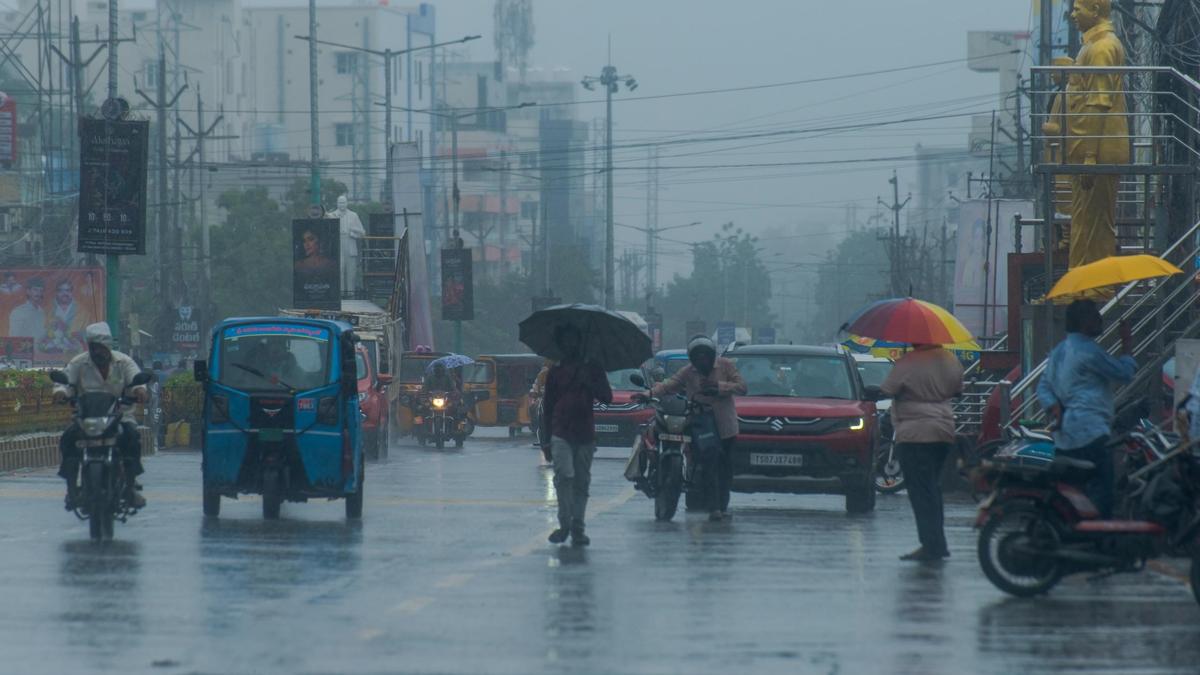
- Breaking: Heavy rain has disrupted normal life in Prakasam and Nellore districts of Andhra Pradesh, with waterlogging and traffic jams reported across key towns.
- Forecast: The India Meteorological Department (IMD) predicts continued rain and thundershowers in Coastal Andhra on Thursday and Friday, raising fears of further flooding.
- Economic Impact: The region is a critical hub for agriculture (rice, chillies, aquaculture) and logistics; prolonged disruption could strain supply chains and insurance claims.
- Tech & Finance Angle: Insurers are bracing for claims, while agri-tech and fintech platforms are activating business continuity plans. Climate risk is becoming a central concern for investors.
- What to Watch: IMD updates, reservoir levels, and crop damage assessments over the next 48 hours.
Section 1: The Core Event & Breaking Timeline
On Wednesday, heavy rainfall lashed the coastal districts of Prakasam and Nellore in Andhra Pradesh, bringing normal life to a standstill. According to reports from The Hindu, waterlogging in low-lying areas and traffic jams inconvenienced commuters, with several roads becoming impassable. The India Meteorological Department (IMD) has forecast rain and thundershowers to continue in Coastal Andhra on Thursday and Friday, exacerbating the situation. Local authorities have not yet reported casualties, but the disruption is significant in a region that serves as an economic corridor for agriculture and aquaculture.
The timing of the downpour is particularly concerning. It comes during the northeast monsoon season, which typically brings heavy rains to Andhra Pradesh between October and December. However, the intensity and duration of this event have caught many off guard. The IMD has issued a yellow alert for the region, advising residents to stay indoors unless necessary. The state disaster management authority has been placed on high alert, with rescue teams and relief materials pre-positioned. Initial reports indicate that several tanks and reservoirs are nearing capacity, raising the risk of downstream flooding.
Market reaction has been muted so far, as the event is localized and no major industrial hubs have been directly affected. However, analysts are monitoring the situation closely. The Prakasam and Nellore districts are key contributors to Andhra Pradesh's agricultural output, particularly rice, chillies, and aquaculture. Any prolonged disruption could impact commodity prices and supply chains. The insurance sector is also on watch, as claims from crop and property damage could rise if the rain persists.
This is not the first time the region has faced such weather events. In recent years, Andhra Pradesh has experienced a series of cyclones and heavy rain episodes, including Cyclone Michaung in 2023, which caused widespread damage. The increasing frequency of extreme weather events is forcing businesses and policymakers to rethink their risk models. For now, the immediate focus is on ensuring public safety and minimizing disruption to daily life.
Section 2: Deep Technical & Financial Architecture
The meteorological mechanics behind this event are rooted in a low-pressure system over the Bay of Bengal, which has been drawing moisture-laden winds towards the coast. The IMD's forecast models indicate that the system is likely to persist for the next 48 hours, bringing sustained rainfall. This is consistent with broader climate patterns: the Indian Ocean is warming, leading to more intense and unpredictable monsoon events. For businesses, this translates into a need for robust weather analytics and risk management tools.
From a financial perspective, the agriculture sector is the most vulnerable. Prakasam and Nellore are major producers of paddy, which is highly sensitive to waterlogging. According to state agriculture department data, the two districts account for over 10% of Andhra Pradesh's rice production. A prolonged spell of rain could lead to crop damage, reducing yields and increasing prices. Aquaculture, another key sector, is also at risk, as flooding can cause fish ponds to overflow and contaminate water supplies.
The insurance industry is bracing for potential claims. Crop insurance schemes, such as the Pradhan Mantri Fasal Bima Yojana (PMFBY), cover a significant portion of farmers in the region. However, the claims process can be slow, and the extent of damage will depend on the duration of the rain. Property insurers are also on alert, as waterlogging can damage homes and commercial establishments. Reinsurance companies are monitoring the situation, given that a major flood event could have ripple effects across the market.
On the technology front, agri-tech startups and fintech platforms are activating their business continuity plans. Many farmers rely on mobile apps for weather forecasts and market prices, and disruptions to connectivity could hamper their ability to respond. Some companies are using satellite imagery and AI to assess crop damage in real-time, which could speed up insurance claims. However, the penetration of such technologies remains limited in rural areas, highlighting a gap in the digital infrastructure.
The unit economics of disaster response are also under scrutiny. State governments often face budget constraints when responding to natural disasters, and the cost of relief and rehabilitation can be substantial. The Andhra Pradesh government has allocated funds for disaster management, but the effectiveness of these measures will be tested in the coming days. Private sector involvement in disaster response is growing, with companies providing logistics and technology support, but coordination remains a challenge.
Section 3: Industry & Global Market Ripple Effects
The immediate industry impact is felt in logistics and transportation. With roads waterlogged, the movement of goods has been slowed, affecting supply chains for essential commodities. Trucking companies are reporting delays, and e-commerce deliveries in the region may be impacted. The National Highways Authority of India (NHAI) has deployed teams to clear debris and restore traffic flow, but full restoration may take time. This disruption comes at a time when global supply chains are already under pressure from geopolitical tensions and trade disputes.
For the agriculture sector, the ripple effects could extend beyond the region. Andhra Pradesh is a major exporter of rice and seafood, and any disruption in production could affect global prices. However, given that the event is localized, the impact on global markets is likely to be limited unless the rain persists and causes widespread damage. Commodity traders are watching the situation closely, as India is a significant player in the global rice market. A decline in production could lead to higher prices, affecting food inflation.
Investors are also assessing the broader implications for climate risk. The increasing frequency of extreme weather events in India is prompting companies to reassess their exposure to physical risks. ESG (Environmental, Social, and Governance) investors are particularly focused on how companies manage climate-related risks. Insurers and banks are incorporating climate risk into their lending and underwriting decisions, which could affect the cost of capital for businesses in vulnerable regions.
Globally, the event is a reminder of the growing threat posed by climate change. While this specific incident may not have global ramifications, it is part of a pattern of extreme weather events that are becoming more common worldwide. From hurricanes in the US to floods in Europe, businesses are facing increasing uncertainty. The insurance industry is at the forefront of this challenge, with some companies withdrawing from high-risk areas or raising premiums. This trend is likely to accelerate, forcing governments and businesses to invest in resilience measures.
Section 4: Critical Perspectives, Analyst Debates & Risk Factors
While the immediate response to the flooding has been swift, critics argue that long-term preparedness remains inadequate. Urban planning experts point out that Prakasam and Nellore have seen rapid urbanization without corresponding upgrades to drainage systems. The result is chronic waterlogging even during moderate rainfall. Climate scientists warn that such events will become more frequent and intense, making it imperative to invest in resilient infrastructure. However, funding for such projects is often limited, and political will can be lacking.
There is also debate over the accuracy of weather forecasts and the effectiveness of early warning systems. While the IMD has improved its forecasting capabilities, some experts argue that the dissemination of warnings to rural communities is still a weak link. Many farmers rely on traditional knowledge rather than official forecasts, which can lead to inadequate preparation. Improving last-mile connectivity and trust in official forecasts is essential to reducing losses.
From a financial perspective, there are concerns about the adequacy of insurance coverage. While crop insurance is available, many farmers are either unaware of the schemes or find the claims process cumbersome. Moreover, the coverage may not fully compensate for losses, leaving farmers vulnerable. The insurance industry, on its part, faces challenges in assessing and pricing climate risk accurately. This can lead to underinsurance or higher premiums, both of which are problematic.
Regulatory friction is another factor. Disaster management in India is governed by a complex framework involving multiple agencies at the central, state, and local levels. Coordination can be challenging, leading to delays in relief and rehabilitation. The private sector can play a role in bridging these gaps, but public-private partnerships in disaster management are still nascent. There is a need for clearer policies and incentives to encourage private investment in resilience.
Section 5: Strategic Forecast & Road Ahead
In the next 12 to 24 months, the focus will be on recovery and rebuilding. The immediate priority is to restore normalcy in the affected districts, including clearing roads and restoring power and communication lines. The state government will need to assess the damage to crops and infrastructure and provide compensation to affected farmers and businesses. This process will be closely watched by insurers and investors, as it will indicate the effectiveness of disaster response mechanisms.
Looking further ahead, there is likely to be increased investment in climate-resilient infrastructure. The Andhra Pradesh government has already announced plans to upgrade drainage systems in coastal towns, but implementation will be key. The private sector can contribute through innovative financing models, such as green bonds and catastrophe bonds, which can raise funds for resilience projects. Technology companies can provide solutions for early warning, risk assessment, and disaster response.
Upcoming milestones include the IMD's updated forecast for the next week, which will determine whether the situation improves or worsens. The state agriculture department's crop damage assessment will be crucial for insurance claims and compensation. Additionally, the annual monsoon review by the IMD will provide insights into long-term trends. Businesses should monitor these developments closely and adjust their risk management strategies accordingly.
What to watch: the duration and intensity of the rainfall, reservoir levels, and any reports of flooding in major towns. The response of the insurance sector, particularly in processing claims quickly, will be a test of its customer-centricity. Finally, the broader conversation on climate adaptation will continue to gain momentum, with implications for policy and investment. For now, all eyes are on the skies over Coastal Andhra.


Comments (0)
No comments yet. Be the first to share your thoughts!
Leave a Comment