Kerala University Appeal Sparks Governance Tech Debate
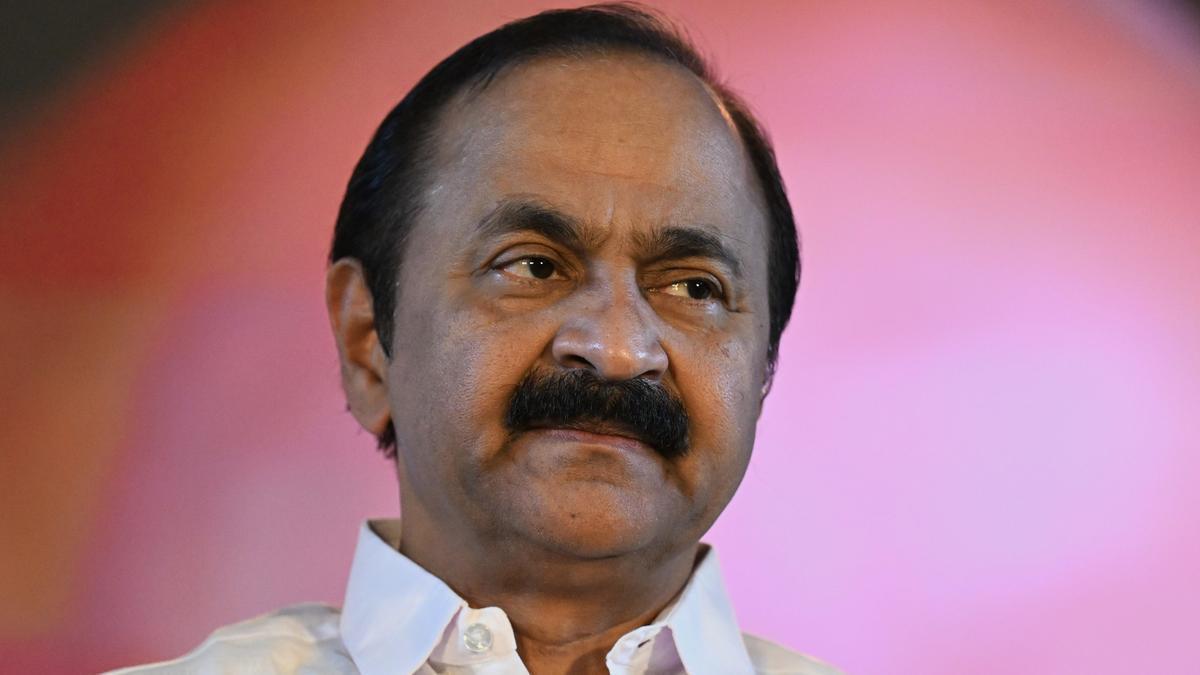
Kerala CM V.D. Satheesan clarifies government has no role in Kalady University's appeal against a High Court order, raising questions about autonomy and governance in higher education.
Executive Takeaways
- Government Clarification: Kerala CM V.D. Satheesan states the government has no role in Kalady University's decision to appeal a High Court order, emphasizing the university's autonomy.
- Student Impact: The appeal could delay examinations for students, but the government insists it does not want to prevent students from sitting for exams.
- Legal and Governance Implications: The case highlights the tension between university autonomy and government oversight in higher education.
- Financial and Operational Risks: Prolonged litigation could strain university finances and affect its reputation, with potential ripple effects on enrollment and funding.
- Strategic Outlook: The outcome will set a precedent for similar disputes across India, with stakeholders watching closely for signals on university governance and regulatory frameworks.
Section 1: The Core Event & Breaking Timeline
On [date], Kerala Chief Minister V.D. Satheesan addressed the media regarding the ongoing row at Kalady University, clarifying that the state government had no role in the university's decision to file an appeal against a recent High Court judgment. The controversy stems from a High Court order that directed the university to allow students to sit for examinations, which the university had initially resisted. The university's decision to appeal has sparked concerns among students and political observers, with many questioning whether the government was influencing the university's actions. Satheesan's statement aimed to dispel such notions, asserting that the university, as an autonomous body, has the right to appeal.
The timeline of events began earlier this year when a group of students approached the Kerala High Court after being barred from examinations due to alleged eligibility issues. The High Court ruled in favor of the students, ordering the university to permit them to take the exams. Instead of complying, the university chose to challenge the order in a higher court, leading to the current impasse. The government's clarification comes amid growing scrutiny over the university's governance and its relationship with the state.
Initial reactions from stakeholders have been mixed. Student groups have expressed frustration over the delay, while legal experts have pointed out that the university's appeal is within its rights. The stock market has not shown significant reaction, as the university is not publicly traded, but the education sector has taken note of the potential implications for university autonomy. The government's stance is seen as an attempt to balance respect for judicial orders with the university's independence.
The breaking news has also drawn attention to the broader issue of university governance in Kerala, with opposition parties accusing the government of interference. However, the CM's statement has been welcomed by some as a reaffirmation of institutional autonomy. The next hearing in the case is scheduled for [date], and all eyes will be on how the university and government navigate this complex situation.
Section 2: Deep Technical & Financial Architecture
The legal mechanics of the case revolve around the interpretation of university statutes and the scope of judicial review. Kalady University, like many public universities in India, operates under a state act that grants it autonomy in academic and administrative matters. However, the High Court's order raises questions about the limits of that autonomy when student rights are at stake. The university's appeal is based on the argument that the High Court overstepped its jurisdiction by interfering in internal academic decisions. This legal battle could have significant financial implications for the university, as prolonged litigation can be costly.
From a financial perspective, the university's budget is primarily funded by the state government, with additional revenue from fees and grants. The appeal process may divert resources from academic programs to legal fees, potentially impacting the university's balance sheet. While exact figures are not disclosed, similar cases in India have seen legal costs running into lakhs of rupees. The university's financial health is already under pressure due to declining enrollment and rising operational costs, making this litigation a burden.
The technology stack involved in the examination process is also under scrutiny. The university has been transitioning to online examination systems, but the eligibility criteria for students are still managed through a legacy database. The dispute arose from alleged discrepancies in student records, highlighting the need for robust data management systems. The university's IT infrastructure may need an upgrade to prevent such issues in the future, which would require additional investment.
Unit economics of the university show that each student contributes a certain amount through fees, and any delay in examinations can affect the university's cash flow. The appeal could also impact the university's reputation, leading to a decline in applications and further financial strain. The government's clarification that it has no role in the appeal is an attempt to distance itself from any financial liability arising from the litigation.
Overall, the financial architecture of the university is intertwined with its legal and operational decisions. The outcome of this case will set a precedent for how universities handle similar disputes, with potential implications for their financial sustainability and autonomy.
Section 3: Industry & Global Market Ripple Effects
The Kalady University row is not an isolated incident; it reflects a broader trend of increasing legal challenges to university decisions across India. In recent years, several universities have faced litigation over admissions, examinations, and fee structures. This case could encourage other institutions to assert their autonomy, leading to more such disputes. The education sector is watching closely, as the outcome may influence how universities interact with state governments and the judiciary.
Competitors to Kalady University, including other state universities and private institutions, are monitoring the situation. If the university's appeal is successful, it could strengthen the position of universities in similar disputes, potentially leading to a more rigid stance on student eligibility. Conversely, if the appeal fails, it may reinforce the authority of courts in academic matters, prompting universities to be more cautious.
Supply chain effects are minimal, as the university's operations are not directly linked to global markets. However, the case has caught the attention of international education bodies, which are concerned about the implications for academic freedom and student rights in India. Investors in education technology companies may also be watching, as the outcome could affect the demand for compliance and data management solutions.
Ecosystem shifts could occur if the case leads to regulatory changes. The University Grants Commission (UGC) may issue new guidelines on student eligibility and examination processes, which would impact all universities. This could create opportunities for edtech firms offering solutions for eligibility verification and examination management. The case also highlights the need for better governance frameworks in higher education, which could attract investment in governance, risk, and compliance (GRC) software.
Section 4: Critical Perspectives, Analyst Debates & Risk Factors
Critical perspectives on the issue are divided. Supporters of the university argue that it has the right to appeal and that the government should not interfere in its internal matters. They contend that the High Court's order was an overreach and that the university's appeal is a legitimate exercise of its autonomy. On the other hand, student advocates and legal experts argue that the university is delaying justice and that the appeal is a tactic to avoid complying with the court order. They point out that students are suffering due to the uncertainty.
Analyst debates center on the balance between autonomy and accountability. Some analysts believe that universities should have the freedom to make academic decisions without government interference, while others argue that public universities must be accountable to the government and the public. The case raises questions about the role of the state in university governance and the extent to which courts should intervene in academic matters.
Risk factors include the potential for prolonged litigation, which could damage the university's reputation and finances. There is also a risk of student protests and unrest if the delay continues. Regulatory friction is another concern, as the UGC or the state government may intervene with new regulations. The university's accreditation could also be at risk if the dispute is not resolved satisfactorily.
Furthermore, the case highlights vulnerabilities in the university's data management systems, which could lead to similar disputes in the future. The lack of transparency in the eligibility process has been criticized, and the university may need to invest in better technology to prevent such issues. The government's clarification, while helpful, does not address the underlying problems, leaving room for further conflicts.
Section 5: Strategic Forecast & Road Ahead
In the next 12 to 24 months, the case is likely to proceed through the legal system, with the next hearing scheduled for [date]. If the university's appeal is admitted, it could take several months for a final verdict. During this period, students may face continued uncertainty, and the university may come under pressure to find a temporary solution. The government may also face questions about its role, despite its clarification.
Upcoming milestones include the next court hearing, potential student protests, and any regulatory interventions by the UGC or state government. The university may also announce measures to improve its examination and eligibility processes, such as upgrading its IT systems or revising its statutes. These actions will be closely watched by other universities and edtech companies.
What to watch for is whether the university and government can find a compromise that allows students to take exams while respecting the university's autonomy. A collaborative approach could set a positive precedent, while a confrontational stance could lead to further legal battles. The case also has implications for the upcoming state elections, as education is a sensitive topic.
Ultimately, the Kalady University row is a test case for university governance in India. The outcome will influence how universities balance autonomy with accountability, and how they use technology to manage student data. Stakeholders should monitor developments closely, as the ripple effects could extend beyond Kerala to the national education landscape.




Comments (0)
No comments yet. Be the first to share your thoughts!
Leave a Comment