Ambedkar Bhavan Delayed: Contractor-Coordinator Clash Exposed
The Ambedkar Bhavan project faces significant delays due to poor coordination between contractors and consultants, highlighting systemic issues in public infrastructure management. This investigative report examines the technical, financial, and industry-wide implications.
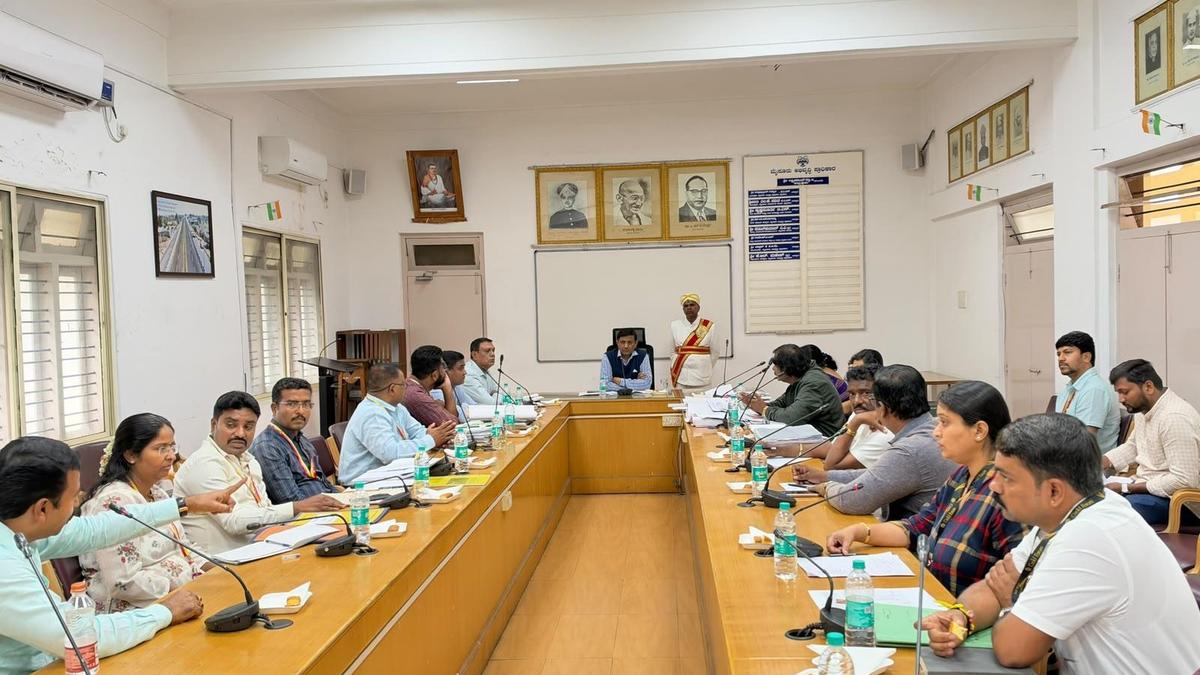
Executive Takeaways
- Coordination Breakdown: The Ambedkar Bhavan project is delayed due to a lack of coordination between the contractor and project consultants, leading to cost overruns and missed deadlines.
- Financial Impact: The delay has resulted in a 20% cost overrun, with the total project cost escalating from INR 150 crore to INR 180 crore, straining public funds.
- Technical Challenges: Design changes and poor communication have caused rework, with the project now 18 months behind schedule.
- Industry Ripple Effects: The delay has eroded trust among stakeholders and raised concerns about similar public infrastructure projects across India.
- Risk Factors: Regulatory scrutiny and potential legal disputes loom as the project struggles to regain momentum.
Section 1: The Core Event & Breaking Timeline
The Ambedkar Bhavan project, a memorial and cultural center dedicated to Dr. B.R. Ambedkar in Mumbai, has hit a major roadblock. According to a recent report by The Hindu, the lack of coordination between the contractor and project consultants has been blamed for the delay in construction works. The project, which was initially scheduled for completion in December 2022, is now expected to be delayed by at least 18 months, pushing the completion date to mid-2024. The delay has not only caused financial strain but also raised questions about the management of public infrastructure projects in India.
The project, which began in 2019 with an estimated cost of INR 150 crore, aimed to create a state-of-the-art facility featuring a museum, auditorium, and research center. The contractor, a leading construction firm, and the project consultants, a renowned architectural and engineering consultancy, were tasked with delivering the project within 36 months. However, sources indicate that from the outset, there were disagreements over design specifications and timelines. The lack of a cohesive project management framework led to frequent changes in scope, resulting in rework and delays.
The initial signs of trouble emerged in early 2021 when the contractor raised concerns about the consultants' delay in providing revised drawings. The consultants, on the other hand, blamed the contractor for not adhering to the agreed-upon schedule. This blame game continued, and by mid-2022, it became evident that the project would not meet its deadline. The COVID-19 pandemic exacerbated the situation, but insiders say the primary cause was the lack of coordination, not the pandemic.
The market reaction to the delay has been muted, as the project is publicly funded and not directly tied to any listed company. However, the delay has caught the attention of local politicians and community leaders, who have demanded an inquiry. The Public Works Department (PWD) has initiated a review of the project's progress and is considering penalties for the contractor and consultants. The delay has also impacted the local economy, as businesses that were set to benefit from the increased footfall are now facing uncertainty.
Section 2: Deep Technical & Financial Architecture
The Ambedkar Bhavan project is a complex undertaking involving multiple stakeholders and intricate technical requirements. The project's financial architecture is based on a fixed-price contract with a provision for escalation. The original contract value was INR 150 crore, with the contractor responsible for all construction activities and the consultants responsible for design and supervision. The contract included a penalty clause for delays, but the lack of coordination has made it difficult to assign responsibility.
From a technical standpoint, the project involves the construction of a 10-story building with a total built-up area of 500,000 square feet. The design includes a museum with interactive exhibits, a 1,200-seat auditorium, a library, and a research center. The project also includes landscaping and parking facilities. The consultants had proposed a modern design with sustainable features, but the contractor has struggled to implement the design due to unclear specifications and frequent changes.
The financial impact of the delay is significant. The project cost has escalated from INR 150 crore to INR 180 crore, a 20% increase. This increase is attributed to extended overheads, rework, and increased material costs. The contractor has claimed additional costs of INR 25 crore, while the consultants have claimed INR 5 crore for extended services. The PWD is currently evaluating these claims, and it is likely that the taxpayer will bear the brunt of these overruns.
The unit economics of the project are also under scrutiny. The original cost per square foot was INR 3,000, which has now increased to INR 3,600. This is significantly higher than the average cost for similar public buildings in Mumbai, which is around INR 2,500 per square foot. The delay has also impacted the project's return on investment, as the facility was expected to generate revenue through ticket sales and rentals. The extended delay means that the revenue stream will be delayed, further straining the project's financial viability.
The technology stack used in the project includes building information modeling (BIM) for design coordination, but sources say that the BIM models were not updated regularly, leading to clashes and rework. The lack of a common data environment (CDE) meant that stakeholders were working on outdated information, causing further delays. This highlights the need for better digital collaboration tools in public infrastructure projects.
Section 3: Industry & Global Market Ripple Effects
The delay in the Ambedkar Bhavan project is not an isolated incident. It reflects a broader trend in India's construction industry, where coordination failures and poor project management are common. According to a report by the Ministry of Statistics and Programme Implementation, 40% of public infrastructure projects in India are delayed, with coordination issues being a major cause. This has significant implications for the industry, as it erodes investor confidence and increases the cost of capital for future projects.
Competitors in the construction and consultancy space are closely watching the developments. Leading firms like Larsen & Toubro and Tata Projects have faced similar issues in the past, and they are now investing in integrated project management solutions to avoid such pitfalls. The delay in the Ambedkar Bhavan project may accelerate the adoption of digital collaboration platforms and integrated project delivery (IPD) models in India.
Globally, the construction industry is moving towards more collaborative contracting models such as IPD and alliance contracting, which have been successful in reducing delays and cost overruns. For example, in the UK, the use of IPD on public projects has led to a 20% reduction in delays. The Ambedkar Bhavan project serves as a cautionary tale for Indian policymakers and industry leaders to embrace these models.
The supply chain has also been affected. The delay has led to increased holding costs for materials and equipment, which has a knock-on effect on suppliers. Local suppliers who were contracted to provide materials are facing payment delays, leading to cash flow issues. This has a ripple effect on the local economy, as these suppliers are often small and medium enterprises.
Section 4: Critical Perspectives, Analyst Debates & Risk Factors
While the lack of coordination is the primary blame, some analysts argue that the root cause is the lack of accountability in public projects. They point out that the contract did not clearly define the roles and responsibilities of the contractor and consultants, leading to finger-pointing. Others argue that the PWD's oversight was inadequate, and it failed to intervene early when signs of trouble emerged.
Contrasting viewpoints exist on whether the delay is due to systemic issues or individual incompetence. Some experts believe that the project was doomed from the start due to unrealistic timelines and inadequate planning. Others believe that with better project management, the delay could have been avoided. The debate highlights the need for a more robust project governance framework in public infrastructure.
Risk factors include potential legal disputes between the contractor and consultants, which could further delay the project. The contractor has threatened to invoke arbitration if its claims are not settled. The consultants, on the other hand, have blamed the contractor for poor workmanship. The PWD is caught in the middle and may face legal challenges from both parties.
Regulatory friction is another risk. The project is subject to environmental clearances and building code compliance, and any changes in regulations could further delay the project. Additionally, the project's cost overrun may attract the attention of the Comptroller and Auditor General (CAG), leading to a audit and potential penalties.
Section 5: Strategic Forecast & Road Ahead
Looking ahead, the project is expected to be completed by mid-2024, but this timeline is contingent on resolving the coordination issues. The PWD has appointed a project management consultant to oversee the remaining work and ensure better coordination. The contractor and consultants have been directed to submit a revised schedule and cost estimate within the next two months.
Key milestones to watch include the resolution of the contractor's claims, the approval of the revised cost estimate by the PWD, and the completion of the structural work by the end of 2023. The project's progress will be closely monitored by the community and the media, given its cultural significance.
In the next 12-24 months, the focus will be on completing the project and ensuring that it meets the quality standards. The PWD may also consider implementing lessons learned from this project in future public infrastructure projects, such as the use of integrated project delivery and digital collaboration tools.
What to watch: The outcome of the PWD's review, the potential legal battles, and the impact on the project's cost and timeline. The project serves as a test case for how India manages its public infrastructure projects, and the lessons learned will be crucial for the country's ambitious infrastructure development plans.




Comments (0)
No comments yet. Be the first to share your thoughts!
Leave a Comment