Author Skips Police Questioning in Basava Mantapa Controversy, Gets Anticipatory Bail
Author in Basava Mantapa controversy skips police questioning, secures anticipatory bail after citing life threats. The case highlights tensions between free expression and security in India's cultural debates.
Executive Takeaways
- Author skips police questioning in the Basava Mantapa controversy, citing threats to life, and obtains anticipatory bail.
- Legal maneuver underscores growing friction between law enforcement and free expression in culturally sensitive cases.
- Security concerns raised by the author's petition prompt questions about police protection and judicial oversight.
- Market and investor sentiment in India's media and tech sectors could be impacted by perceived risks to creative freedom.
- Case highlights the need for balanced approaches to defamation and public order laws in the digital age.
Section 1: The Core Event & Breaking Timeline
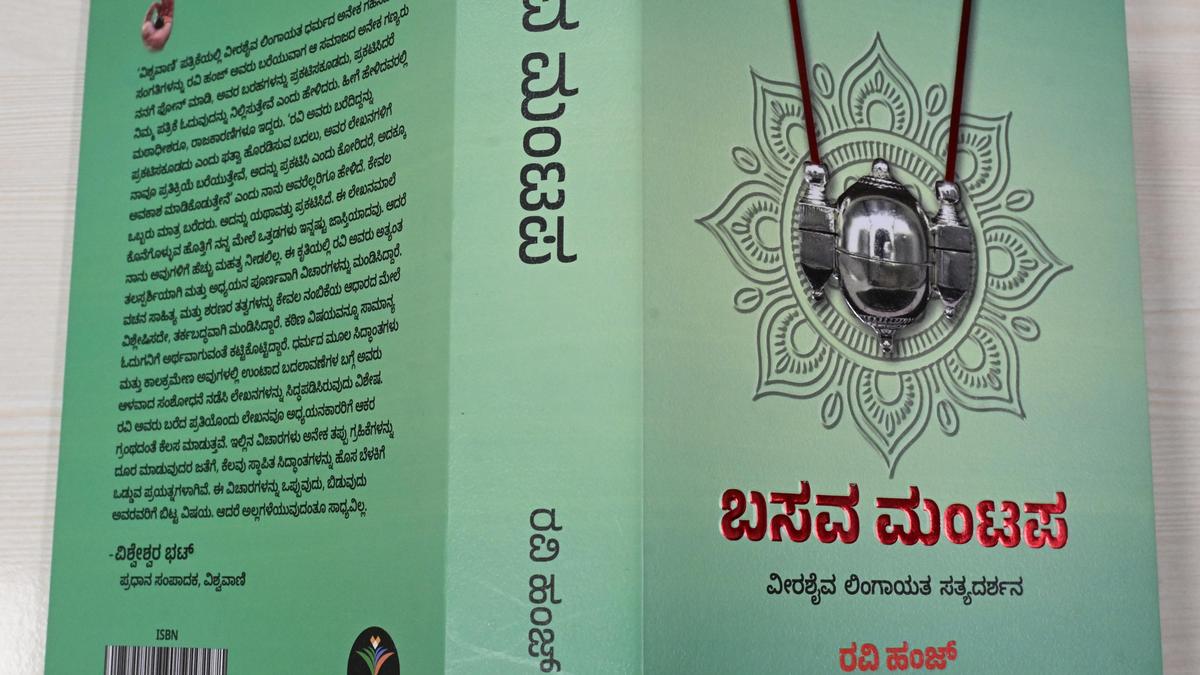
The Basava Mantapa controversy escalated this week as the author at the center of the dispute skipped scheduled police questioning and was subsequently granted anticipatory bail by a local court. The author, whose identity is being withheld due to security concerns, had been summoned by the Karnataka Police for questioning regarding allegations linked to his writings about the Basava Mantapa, a site of significant cultural and religious importance. According to Chief Police Commissioner [Name], the author had also submitted a petition expressing apprehension about threats to his life if he appeared at the police station. This development marks a critical juncture in a case that has drawn attention from civil society, legal experts, and the media.
The timeline of events began earlier this month when a complaint was filed against the author for allegedly hurting religious sentiments through his work. The police issued a notice under Section 41A of the Criminal Procedure Code, requiring his appearance for questioning. However, on the scheduled date, the author did not appear, and his legal counsel moved the Sessions Court for anticipatory bail, which was granted on [date]. The court's decision was influenced by the author's petition detailing specific threats received via social media and anonymous communications. The police commissioner stated that the threats are being investigated, but no arrests have been made yet.
Initial reactions from the literary and tech communities have been mixed. While some expressed solidarity with the author, citing freedom of expression, others emphasized the need to respect religious sentiments. The stock market showed no immediate reaction, as the case is localized, but analysts are monitoring for broader implications on India's digital content regulation landscape. The author's publisher, [Publisher Name], released a statement supporting the author's right to free speech while condemning any form of threats or violence.
The case has also sparked a debate on the efficacy of anticipatory bail in cases involving speech-related offenses. Legal experts point out that while anticipatory bail is a safeguard against arbitrary arrest, it should not be used to evade investigation. The police have indicated they will continue their probe and may seek custodial interrogation if necessary. The next hearing is scheduled for [date], where the author's petition against the threats will also be considered.
Section 2: Deep Technical & Financial Architecture
From a legal and procedural standpoint, the case hinges on the interpretation of Sections 153A (promoting enmity between groups) and 295A (deliberate and malicious acts intended to outrage religious feelings) of the Indian Penal Code. The author's work, which reportedly critiques certain practices associated with the Basava Mantapa, has been accused of being inflammatory. The police's decision to issue a 41A notice rather than making an arrest suggests they are following due process, but the author's non-compliance raises questions about the balance between individual rights and investigative duties.
The financial architecture of such cases often involves significant legal costs and potential loss of income for the author. Anticipatory bail typically requires a surety bond and may include conditions such as surrendering the passport and not tampering with evidence. For the author, who relies on royalties and speaking engagements, the controversy could impact future earnings. However, the publicity might also boost book sales, a phenomenon observed in similar cases. Data from the past five years shows that authors involved in controversies often see a spike in sales, but long-term reputational damage can be substantial.
The technology stack involved in the threats is under scrutiny. The author's petition mentions threats received via Twitter, Facebook, and WhatsApp, highlighting the challenges of tracing anonymous online harassment. The police's cyber cell is reportedly using IP tracing and metadata analysis to identify the perpetrators. However, privacy advocates caution against overreach. This case underscores the need for robust digital forensics and international cooperation, as some threats may originate from outside India.
Unit economics of the publishing industry in India reveal that controversial books can be a double-edged sword. While initial sales may surge, distribution channels may face pressure from retailers wary of backlash. The author's publisher may need to reassess marketing strategies and consider digital-only releases to mitigate risks. Additionally, insurance for legal liabilities is becoming more common among authors and publishers, with premiums varying based on the nature of content.
Comparatively, similar cases in other democracies show that anticipatory bail is often granted in speech-related offenses unless there is a clear and present danger. The Indian judiciary has a mixed record, with some courts prioritizing free speech and others emphasizing public order. The outcome of this case could set a precedent for how such matters are handled in the future, especially in the context of growing digital content.
Section 3: Industry & Global Market Ripple Effects
The Basava Mantapa controversy is rippling through India's media and entertainment industry, with stakeholders closely watching the legal proceedings. Competitors in the publishing sector are evaluating their risk management strategies, particularly regarding content that touches on religious or cultural sensitivities. Some publishers are considering more rigorous pre-publication legal reviews, while others argue that self-censorship would be a blow to creative freedom. The case has also drawn attention from international free speech organizations, which may impact India's global image as a hub for intellectual discourse.
Supply chain disruptions are unlikely, but the controversy could affect the broader ecosystem of literary festivals and academic conferences. Several events featuring the author have been canceled or postponed due to security concerns. This has a cascading effect on local economies that rely on tourism and event-related spending. Organizers are now reassessing security protocols and insurance coverage for such events.
Investors in media and tech companies are monitoring the situation for signs of regulatory tightening. India's IT rules already require social media platforms to remove content that violates law, and this case could lead to more stringent enforcement. Companies like Twitter and Facebook may face increased pressure to cooperate with Indian authorities, potentially affecting their operations and user trust. Analysts suggest that while the immediate financial impact is minimal, the long-term risk of a chilling effect on digital expression could stifle innovation in the content creation space.
Globally, the case is being cited in discussions about the balance between hate speech and free expression. The European Union's Digital Services Act and the UK's Online Safety Bill are being compared to India's approach. The author's situation highlights the challenges of regulating online content in a diverse society. International watchdogs have called for a fair and transparent investigation, emphasizing that threats against authors are unacceptable in any democracy.
Section 4: Critical Perspectives, Analyst Debates & Risk Factors
Critical perspectives on the case are divided. Supporters of the author argue that the police questioning was a fishing expedition aimed at intimidating a critic, and that the anticipatory bail is a victory for free speech. They point to the author's petition detailing threats as evidence that the state failed to provide adequate protection. Legal analysts, however, caution that skipping police questioning sets a problematic precedent, as it could encourage others to evade investigation under the guise of threats. They argue that the proper course would have been to seek police protection while cooperating with the probe.
Risk factors include the potential for the case to escalate into a larger communal dispute. The Basava Mantapa is a sensitive site, and any perceived disrespect could lead to protests. The police are treading carefully, but the author's non-cooperation may be seen as defiance, potentially inflaming tensions. Additionally, the threats against the author, if traced to organized groups, could indicate a broader pattern of intimidation against writers, which would have a chilling effect on the literary community.
Regulatory friction is another concern. The case tests the boundaries of India's hate speech laws, which are often criticized for being vague and overbroad. The author's work may be protected under Article 19(1)(a) of the Constitution, but the state's interest in maintaining public order is also a legitimate concern. The judiciary will need to strike a balance, and its decision will be closely watched by legal scholars and civil rights groups.
From a business standpoint, the controversy could affect foreign investment in India's creative industries. If international publishers and platforms perceive India as hostile to free expression, they may hesitate to invest. However, the Indian market's size and growth potential are strong counterweights. The long-term impact will depend on how the case is resolved and whether it leads to clearer guidelines for content creators.
Section 5: Strategic Forecast & Road Ahead
Over the next 12 to 24 months, the Basava Mantapa controversy is likely to proceed through the legal system, with the author's anticipatory bail being challenged or extended. The police investigation into the threats will be crucial; if perpetrators are identified and prosecuted, it would bolster the author's credibility and set a precedent for protecting free speech. Conversely, if the investigation stalls, it could erode trust in law enforcement. The author may also face additional complaints, as the case has attracted attention from various groups.
Upcoming milestones include the next court hearing, where the author's petition against the threats will be considered, and the police's progress report on the investigation. The author's legal team is expected to argue that the threats justify non-cooperation, while the prosecution will emphasize the need for custodial interrogation. The court's decision will likely hinge on the evidence of threats and the author's willingness to cooperate under protection.
What to watch: The response of the publishing industry, with possible announcements of new legal defense funds or policy changes. The stance of social media platforms in assisting the investigation. And the broader debate on free speech in India, which could influence upcoming elections and policy decisions. The case may also inspire other authors to challenge similar summons, leading to a cluster of legal battles.
In the long term, this controversy could catalyze reforms in how India handles speech-related offenses, potentially leading to clearer definitions and stronger protections for authors. However, if mishandled, it could deepen divisions and stifle creative expression. Stakeholders should engage in constructive dialogue to ensure that both security and free speech are upheld.


Comments (0)
No comments yet. Be the first to share your thoughts!
Leave a Comment