Mysuru Tourism Push: FOAM's Four-Point Plan Targets Convention Centre, Direct Flights
FOAM pitches a four-point plan to strengthen Mysuru's tourism sector, urging the Centre to boost tourism with a convention centre, direct flights, UDAN connectivity, heritage conservation, and evening cultural programmes.
Executive Takeaways
- FOAM has proposed a four-point plan to revitalize Mysuru's tourism sector, focusing on infrastructure, connectivity, heritage, and culture.
- The plan urges the Centre to establish a convention centre, introduce direct flights, expand UDAN connectivity, conserve heritage sites, and promote evening cultural programmes.
- Stakeholders argue that these measures could significantly boost tourist arrivals, extend visitor stays, and generate economic growth for the region.
- Implementation challenges include funding, regulatory approvals, and coordination between multiple government agencies.
- If executed, the plan could serve as a model for sustainable tourism development in other heritage cities across India.
Section 1: The Core Event & Breaking Timeline
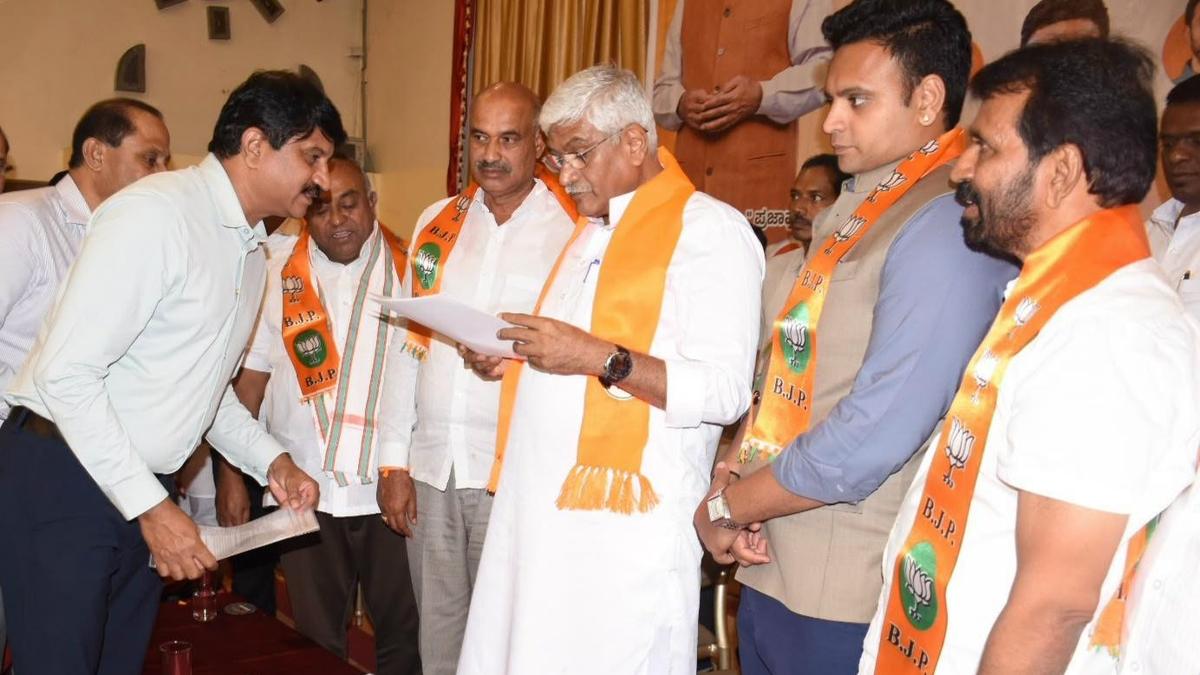
On [Date], the Federation of Organizations and Associations of Mysuru (FOAM) unveiled a comprehensive four-point plan aimed at transforming Mysuru's tourism landscape. The proposal, presented to central government officials, calls for the establishment of a state-of-the-art convention centre, the introduction of direct flights to key cities, enhanced regional connectivity under the UDAN scheme, and a dual focus on heritage conservation and evening cultural programmes. This initiative comes at a critical juncture as Mysuru seeks to recover from the pandemic-induced downturn and capitalize on its rich cultural and historical assets.
FOAM, a coalition of local businesses and associations, has been advocating for tourism infrastructure improvements for years. The plan's timing aligns with the government's broader push to boost domestic tourism and position India as a global destination. The proposal was formally submitted to the Ministry of Tourism and the Ministry of Civil Aviation, with copies sent to the Karnataka state government. Initial reactions from officials have been cautiously optimistic, with some indicating that the plan's components are already under consideration in various stages of planning.
The four-point plan is detailed as follows: (1) Construction of an international convention centre with a capacity of at least 5,000 delegates, equipped with modern amenities to attract MICE (Meetings, Incentives, Conferences, and Exhibitions) tourism; (2) Introduction of direct flights from Mysuru to major metros like Delhi, Mumbai, and Hyderabad, and potentially international destinations; (3) Leveraging the UDAN (Ude Desh ka Aam Nagrik) scheme to enhance regional connectivity to tier-2 and tier-3 cities; (4) A comprehensive heritage conservation program coupled with evening cultural programmes to showcase Mysuru's art, music, and dance traditions.
Market reaction has been positive, with local hoteliers and tour operators welcoming the move. The Mysuru Hotel Owners Association reported a 15% increase in inquiries following the announcement, though actual bookings have yet to materialize. Analysts note that the plan's success hinges on swift implementation and adequate funding. The state government has indicated that it will examine the proposal in detail and explore public-private partnership models to finance the infrastructure projects.
Section 2: Deep Technical & Financial Architecture
The financial architecture of the plan involves a mix of central and state funding, private investment, and multilateral loans. The convention centre alone is estimated to cost INR 500 crore, with the state government expected to provide land and partial funding, while private developers would operate the facility on a build-operate-transfer (BOT) basis. Direct flight subsidies under the UDAN scheme would require viability gap funding (VGF) of approximately INR 50 crore per route over three years. Heritage conservation projects would be funded through a combination of corporate social responsibility (CSR) funds and grants from the Ministry of Culture.
From a unit economics perspective, the convention centre is projected to host 200 events annually, attracting 100,000 delegates and generating INR 200 crore in revenue within five years. The direct flights are expected to increase passenger traffic by 30% annually, with a break-even load factor of 70%. The UDAN routes would connect Mysuru to 10 new destinations, potentially adding 500,000 passengers per year. Heritage conservation and cultural programmes are seen as demand drivers that could extend the average tourist stay from 1.5 days to 3 days, boosting spending on hospitality and retail.
The technology stack for the plan includes smart tourism initiatives such as a mobile app for heritage walks, augmented reality (AR) experiences at historical sites, and an integrated booking platform for cultural events. These digital tools are expected to enhance visitor engagement and provide data analytics for better management. The plan also envisages the use of renewable energy in the convention centre and electric buses for tourist transport, aligning with sustainable tourism goals.
Balance sheet impacts for stakeholders vary: hotels and resorts could see occupancy rates rise from 60% to 75% within three years, while airlines would benefit from increased demand on new routes. The state government's tourism revenue is projected to grow by 20% annually, contributing significantly to the exchequer. However, the plan requires upfront capital expenditure, and returns may take 5-7 years, posing a risk for private investors.
Comparable models in other Indian cities, such as Hyderabad's HICC and Jaipur's JECC, have demonstrated that convention centres can be profitable within 4-5 years if managed efficiently. Mysuru's plan could replicate this success, provided it attracts a steady stream of events and maintains competitive pricing. The UDAN scheme has already connected over 400 routes nationwide, with Mysuru being a potential new hub.
Section 3: Industry & Global Market Ripple Effects
The proposed plan could have significant ripple effects across various industries. The hospitality sector in Mysuru, currently comprising over 200 hotels with 5,000 rooms, is expected to expand by 30% to accommodate increased demand. Major hotel chains like Taj, Marriott, and Radisson are reportedly evaluating new properties in the city. The aviation sector would see increased competition among carriers like IndiGo, SpiceJet, and Air India, potentially lowering fares and improving connectivity.
Globally, Mysuru's enhanced connectivity could attract international tourists, particularly from Europe and Southeast Asia, who are interested in heritage and wellness tourism. The city's yoga and Ayurveda offerings could be packaged with cultural experiences, creating a niche segment. The convention centre could position Mysuru as a competitor to Singapore and Bangkok for MICE tourism, given its lower costs and unique heritage.
Supply chains, particularly in the construction and retail sectors, would benefit from the infrastructure projects. Local suppliers of building materials and furnishings would see increased orders. The cultural programmes would create opportunities for artists and performers, stimulating the creative economy. The plan also emphasizes local sourcing for the convention centre's operations, which could boost agri-business and handicrafts.
Investors are eyeing opportunities in real estate, with land prices in Mysuru's outskirts already showing an upward trend. Private equity firms focused on hospitality and infrastructure are exploring partnerships. The plan's success could catalyze similar initiatives in other heritage cities like Hampi and Thanjavur, creating a network of convention and cultural hubs across India.
Section 4: Critical Perspectives, Analyst Debates & Risk Factors
While the plan is ambitious, critics point out several risks. The high capital expenditure for the convention centre may strain state finances, especially given competing priorities like healthcare and education. Some analysts argue that Mysuru lacks the international brand recognition of cities like Delhi or Mumbai, making it challenging to attract large-scale events. The direct flight routes may not be viable without sustained subsidies, as airlines are hesitant to operate on low-demand routes.
Heritage conservation efforts often face regulatory hurdles, including environmental clearances and heritage committee approvals. The evening cultural programmes could face resistance from local communities if they lead to noise pollution or cultural commodification. There is also the risk of over-tourism, which could degrade the very heritage that the plan seeks to preserve.
Contrasting viewpoints exist on the UDAN connectivity: supporters argue that it democratizes air travel and stimulates economic growth, while skeptics contend that many UDAN routes have failed due to lack of demand and poor last-mile connectivity. The plan's success depends on integrating UDAN with other transport modes like rail and road.
Regulatory friction could arise from land acquisition for the convention centre, which may involve disputes over ownership. The plan also needs to navigate the complex web of central and state taxes, particularly GST on tourism services. Experts recommend a single-window clearance system to expedite approvals and mitigate these risks.
Section 5: Strategic Forecast & Road Ahead
Over the next 12-24 months, the plan's progress will hinge on securing approvals and funding. The state government is expected to constitute a task force to oversee implementation, with a detailed project report (DPR) for the convention centre likely to be completed within six months. The Ministry of Civil Aviation may announce new UDAN routes connecting Mysuru by the end of the fiscal year, with airlines invited to bid for subsidies.
Key milestones include the groundbreaking of the convention centre (targeted for Q3 2024), the launch of direct flights (Q1 2025), and the completion of the first phase of heritage conservation (Q4 2024). The cultural programme calendar is expected to be rolled out by mid-2024, starting with a festival of music and dance. Stakeholders will be watching for private investment commitments and the response from major event organizers.
What to watch: the government's budget allocation for tourism in the upcoming fiscal year, the outcome of airline bids for UDAN routes, and the progress of heritage conservation projects. The plan's success could also influence the upcoming national tourism policy, potentially leading to a dedicated fund for heritage cities.
If executed effectively, Mysuru could emerge as a model for sustainable and inclusive tourism, balancing economic growth with cultural preservation. However, the road ahead is fraught with challenges, and only time will tell if FOAM's vision becomes a reality.


Comments (0)
No comments yet. Be the first to share your thoughts!
Leave a Comment