Rice Price Shock: Sona Masoori Hits ₹120/kg in Nellore
Rice prices in Nellore district have nearly doubled, with Sona Masoori selling at ₹100-120 per kg. Authorities have directed traders to limit stocks, register on a government portal, and display MRPs, warning of legal action and stock seizures for violations.

Executive Takeaways
- Price Surge: Sona Masoori rice prices in Nellore have nearly doubled to ₹100-120 per kg, up from ₹50-60 per kg a year ago.
- Regulatory Crackdown: Traders must limit stocks, register on a government portal, and display government-fixed MRPs on packaged rice bags.
- Enforcement Warning: Authorities threaten legal action and stock seizures for violations, signaling a zero-tolerance approach to hoarding.
- Market Impact: The move aims to curb speculation and ensure affordability, but could disrupt supply chains and trader margins.
- Outlook: Expect increased volatility in rice markets, with potential spillover effects on other staples and inflation metrics.
Section 1: The Core Event & Breaking Timeline
On October 26, 2023, the civil supplies administration of Nellore district in Andhra Pradesh issued a stern warning to rice traders: limit stocks, register on a government portal, and display government-fixed maximum retail prices (MRPs) on packaged rice bags, or face legal action and seizure of stocks. The directive came as prices of Sona Masoori rice, a popular variety in the region, nearly doubled to ₹100-120 per kg from ₹50-60 per kg a year earlier. The administration's move is part of a broader effort to combat hoarding and speculation that have driven up prices, exacerbating food inflation concerns in the state.
The price surge has been attributed to a combination of factors, including a decline in paddy production due to erratic monsoon rains, increased export demand, and speculative hoarding by traders. According to official data, paddy acreage in Nellore district fell by 15% this season, leading to a supply crunch. Traders, anticipating further price increases, have been holding back stocks, further tightening supply. The district administration has now mandated that all rice traders register on a dedicated portal within a week and declare their stock positions. Non-compliance will result in legal action under the Essential Commodities Act, including fines and imprisonment.
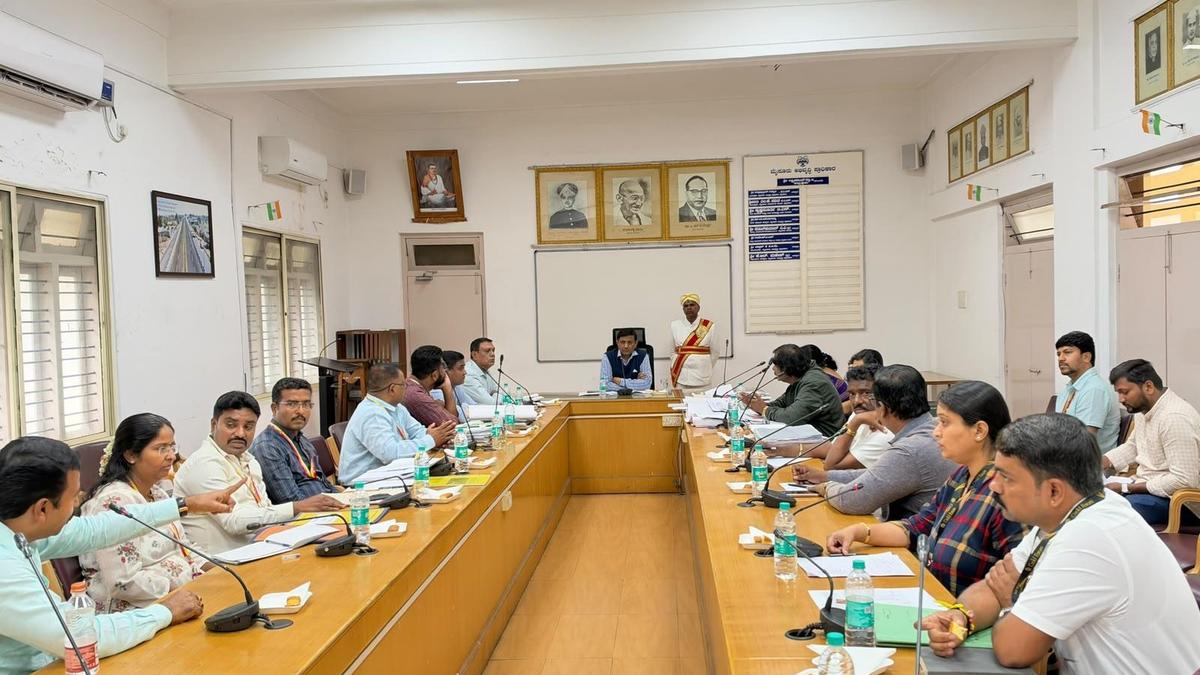
The initial market reaction has been mixed. While some traders have begun registering on the portal, others have expressed concerns over the feasibility of limiting stocks, citing existing contracts and supply chain commitments. Consumer groups have welcomed the move, but many households are already feeling the pinch. Local reports indicate that retail prices for Sona Masoori rice have risen sharply, with many families switching to cheaper alternatives or reducing consumption. The administration has also directed traders to display MRPs on packaged rice bags to ensure transparency and prevent overcharging.
The timeline of events leading to this crackdown is telling. In September 2023, the state government had announced a minimum support price (MSP) for paddy, but farmers complained of delayed payments. By early October, reports of rice shortages began to surface, and the district collector convened a meeting with traders and millers to assess the situation. When prices continued to climb, the administration resorted to regulatory measures. The current directive is the latest in a series of interventions aimed at stabilizing the market, including surprise raids on warehouses and the seizure of hoarded stocks.
Section 2: Deep Technical & Financial Architecture
The mechanics of the rice market in Nellore are complex, involving multiple stakeholders from farmers to millers, wholesalers, and retailers. The price of Sona Masoori rice is determined by a combination of factors: paddy procurement costs, milling expenses, transportation, and margins at each stage. The recent spike can be traced to a 20% increase in paddy prices, which rose from ₹1,800 per quintal to ₹2,200 per quintal. Milling costs have also gone up due to higher energy and labor expenses. Additionally, the cost of packaging and transportation has increased by 10-15% year-on-year, further squeezing margins.
The financial impact on traders is significant. With the directive to limit stocks, traders may be forced to liquidate inventory at lower prices, potentially incurring losses. The registration requirement on the portal adds a layer of compliance cost, including administrative overhead and potential penalties for errors. For millers, the cap on stocks could disrupt their operations, as they typically hold paddy and rice inventories to meet demand. The unit economics of rice trading are such that margins are thin, often around 5-7%. Any regulatory intervention that restricts stock holding can lead to cash flow issues and reduced profitability.
Technology plays a crucial role in the administration's strategy. The government portal for trader registration is designed to track stock levels in real-time, enabling authorities to monitor compliance and identify potential hoarders. The portal, developed by the National Informatics Centre (NIC), uses a web-based interface where traders must upload details of their stock, including quantity, purchase price, and source. This data is then cross-verified with physical inspections. The system also generates alerts for abnormal stock patterns, helping officials target inspections. However, the portal's effectiveness depends on accurate reporting and robust enforcement.
The balance sheet impact on traders and millers could be substantial. For a typical trader holding 1,000 quintals of rice, the value at current prices is ₹1 crore. If forced to sell at a lower price, say ₹80 per kg, the loss could be ₹20 lakh. Moreover, the cost of compliance, including hiring accountants and IT systems, adds to the burden. On the other hand, the government's intervention aims to protect consumers from price gouging, which is a key political and social objective. The challenge is to balance market efficiency with affordability.
From a broader economic perspective, the rice price surge contributes to food inflation, which affects the Consumer Price Index (CPI). Rice has a weight of 4.7% in the CPI basket, and a sustained increase can push up overall inflation. The Reserve Bank of India (RBI) monitors food inflation closely, as it influences monetary policy decisions. The current spike, if not contained, could lead to a tightening of monetary policy, affecting borrowing costs across the economy. The government's intervention is thus a preemptive measure to prevent inflation from becoming entrenched.
Section 3: Industry & Global Market Ripple Effects
The Nellore rice price surge is not an isolated event; it reflects broader trends in the Indian rice market and global food commodity dynamics. India is the world's largest rice exporter, accounting for over 40% of global rice trade. Any disruption in Indian rice supply can have significant ripple effects on global markets. In 2023, India imposed a ban on broken rice exports and a 20% duty on non-basmati rice exports to ensure domestic availability. These measures, combined with the current price surge, have already led to higher global rice prices, affecting importing countries in Africa and Asia.
Within India, the rice market is highly fragmented, with numerous varieties and regional preferences. Sona Masoori is primarily grown in Andhra Pradesh, Telangana, and Karnataka, and is popular in South India. The price surge in Nellore could spread to other regions if traders and consumers seek alternatives. Already, reports suggest that prices of other rice varieties like BPT 5204 and HMT have risen by 10-15% in neighboring districts. This could lead to a broader food inflation problem, prompting state governments to implement similar measures.
Competitors in the rice trade include other staple food providers, such as wheat and pulses. If rice becomes too expensive, consumers may shift to wheat, putting upward pressure on wheat prices. The government has buffer stocks of wheat and rice, which it can release to stabilize prices. However, the current situation is exacerbated by a decline in wheat production due to heat waves, limiting the government's ability to intervene effectively. The interplay between rice and wheat markets is a critical factor in overall food security.
Investors in agricultural commodities and food processing companies are closely watching the situation. Companies like KRBL, LT Foods, and Adani Wilmar, which are major players in the rice and food processing industry, could see their margins impacted by regulatory interventions and price volatility. On the other hand, companies that focus on branded and packaged rice may benefit from the transparency requirements, as they can command a premium for quality. The long-term trend towards branded staples could accelerate as consumers seek assurance of quality and price.
Section 4: Critical Perspectives, Analyst Debates & Risk Factors
Economists and market analysts are divided on the effectiveness of the administration's measures. Some argue that limiting stocks and mandating MRPs will curb speculation and provide immediate relief to consumers. They point to similar interventions in the past, such as the crackdown on hoarding during the 2008 food crisis, which helped stabilize prices. However, critics contend that such measures are short-term fixes that distort market signals and discourage investment in storage and logistics. They argue that the root cause of the price surge is supply-side constraints, which require long-term solutions like investment in irrigation and technology.
One of the key vulnerabilities is the enforcement capacity of the administration. With limited manpower and resources, monitoring thousands of traders and ensuring compliance is a daunting task. The portal may help, but it relies on self-reporting, which can be manipulated. Moreover, the Essential Commodities Act, under which action is threatened, has been criticized for being draconian and outdated. The government has been considering amendments to the act to make it more business-friendly, but the current situation may delay such reforms.
Regulatory friction is another risk factor. Traders may challenge the directive in court, arguing that it violates their fundamental right to trade. Similar challenges have been mounted in the past, with mixed outcomes. The legal battle could prolong the uncertainty, affecting supply chains. Additionally, the directive to display MRPs on packaged rice bags may be difficult to implement for small retailers who sell loose rice. The administration has clarified that the MRP requirement applies only to packaged rice, but enforcement may be uneven.
From a consumer perspective, the measures are welcome but may not address the underlying issue of affordability. Many low-income households spend a significant portion of their income on food, and a doubling of rice prices is a severe blow. While the government may provide subsidized rice through the public distribution system (PDS), the coverage and quality are often inadequate. The current crisis highlights the need for a more resilient food security system that can withstand supply shocks and price volatility.
Section 5: Strategic Forecast & Road Ahead
In the next 12-24 months, the rice market in Nellore and beyond is likely to remain volatile. The administration's measures may provide temporary relief, but structural issues such as declining paddy acreage and climate change-induced weather anomalies will persist. The government may need to invest in research and development to develop drought-resistant rice varieties and improve irrigation infrastructure. Additionally, the promotion of alternative cereals like millets could reduce pressure on rice.
Upcoming milestones include the release of the next crop forecast by the Ministry of Agriculture, which will provide insights into supply trends. The government's decision on the minimum support price for the next season will also be crucial. If the MSP is raised significantly, it could incentivize farmers to increase acreage, but it may also lead to higher market prices. The RBI's monetary policy meetings will be watched for any signals on inflation targeting, as food inflation remains a key concern.
What to watch: The effectiveness of the trader registration portal, the level of compliance, and any legal challenges. The response of other state governments to similar price surges, and whether they adopt similar measures. The impact on global rice prices and trade flows, especially if India further restricts exports. The development of technology solutions for supply chain transparency, such as blockchain-based traceability, which could help prevent hoarding and ensure fair pricing.
Ultimately, the Nellore rice price surge is a symptom of a larger challenge: ensuring food security in an era of climate change and market volatility. The administration's crackdown is a necessary immediate step, but long-term solutions require a collaborative effort between government, industry, and technology providers. As the situation evolves, Incisor News will continue to monitor and provide in-depth analysis on this critical issue.



Comments (0)
No comments yet. Be the first to share your thoughts!
Leave a Comment