Hope for millions as cheaper HIV prevention jab reaches Africa
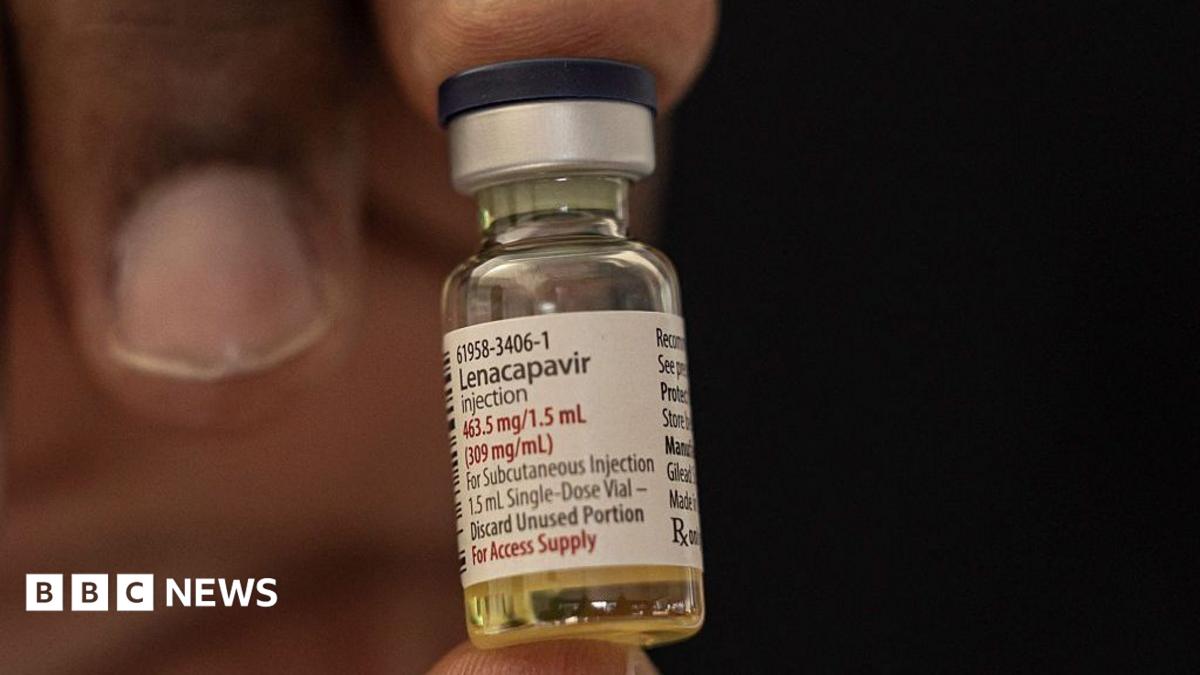
Lenacapavir, a twice-yearly injection nearly 100% effective at preventing HIV, is being rolled out in Africa at a reduced price, offering hope to millions at risk.
Executive Takeaways
- Lenacapavir, a twice-yearly injectable HIV prevention drug, is nearly 100% effective and is now being rolled out in Africa at a significantly reduced price.
- The rollout could reshape HIV prevention, particularly in sub-Saharan Africa where infection rates remain high.
- Gilead Sciences has agreed to supply the drug at cost to low-income countries, but questions remain about long-term affordability and access.
- Health experts hail the move as a major step forward, but warn that infrastructure and stigma challenges must be addressed.
- The global HIV prevention market is poised for disruption, with potential ripple effects on other pharmaceutical innovations.
The Core Event & Breaking Timeline
In a development that could reshape the global fight against HIV, Gilead Sciences announced on Tuesday that its twice-yearly injectable drug, lenacapavir, will be made available in Africa at a drastically reduced price. The drug, which has shown nearly 100% efficacy in preventing HIV infection in clinical trials, was approved by the U.S. Food and Drug Administration in 2022 for treatment-resistant HIV and is now being positioned as a revolutionary prevention tool. The first shipments are expected to arrive in South Africa and Kenya by early next year, with broader distribution across sub-Saharan Africa to follow.
The announcement comes after months of negotiations between Gilead, the World Health Organization (WHO), and the African Union. Under the agreement, Gilead will supply lenacapavir at a not-for-profit price to public health programs in low-income countries, a move that mirrors the company's earlier efforts with its hepatitis C drugs. The price has not been publicly disclosed, but sources close to the deal suggest it will be around $50 per injection, a fraction of the $3,000 monthly list price in the United States. This tiered pricing model is a significant shift in Gilead's strategy, which has faced criticism in the past for prioritizing profits over access.
Market reaction was swift and positive. Gilead's stock rose 3% in after-hours trading, as investors welcomed the potential for expanded market reach. Analysts noted that while the reduced price may lower margins, the volume potential in Africa could offset this, and the move enhances Gilead's reputation as a responsible global health partner. The company also announced a partnership with the Bill & Melinda Gates Foundation to fund distribution logistics and healthcare worker training, further solidifying its commitment to the rollout.
The timeline for the rollout is ambitious. Gilead aims to reach 2 million people in Africa within the first year, with a target of 10 million by 2026. This will require a massive scaling of manufacturing and distribution networks. The company has committed to tech transfer agreements with African manufacturers to produce the drug locally, reducing costs and improving supply chain resilience. The first local production is expected to begin in 2025, with a goal of 50% of the drug for Africa being produced on the continent by 2030.
Deep Technical & Financial Architecture
Lenacapavir is a first-in-class capsid inhibitor, a novel mechanism of action that disrupts the HIV capsid protein, which is essential for viral replication. Unlike other antiretrovirals that target enzymes like reverse transcriptase or protease, lenacapavir binds directly to the capsid, interfering with multiple steps of the viral life cycle. This unique mechanism makes it highly potent and reduces the likelihood of resistance. The drug is administered as a subcutaneous injection every six months, a significant advantage over daily oral pills, which require strict adherence.
From a financial perspective, the tiered pricing model is a carefully calibrated strategy. Gilead will sell the drug at cost to low-income countries, but will continue to charge higher prices in middle-income and high-income markets. This cross-subsidization allows the company to recoup research and development costs while fulfilling its access commitments. The cost of goods sold for lenacapavir is estimated to be around $20 per injection, according to industry analysts, meaning the $50 price point still provides a modest margin. However, the company will also benefit from economies of scale as production ramps up.
The technology stack behind lenacapavir is equally impressive. The drug is a result of years of research using structure-based drug design, leveraging advanced computational chemistry and high-throughput screening. Gilead's patent portfolio on lenacapavir includes claims covering the compound, its formulation, and its use in HIV prevention. The company has filed for patents in over 50 countries, including several in Africa, which could potentially block generic competition until 2037. However, Gilead has agreed to grant voluntary licenses to generic manufacturers for supply within Africa, a move that preempts compulsory licensing threats.
Unit economics for the African rollout are complex. The $50 per injection price covers the drug itself, but the total cost of delivery—including cold chain storage, healthcare worker training, and patient education—could be significantly higher. Gilead and its partners are exploring innovative financing mechanisms, such as advance market commitments and pooled procurement, to reduce these costs. The Gates Foundation has pledged $100 million to support these efforts, and the Global Fund to Fight AIDS, Tuberculosis and Malaria is expected to contribute additional funding.
On the balance sheet, the impact of the African rollout is likely to be modest in the near term. Gilead's HIV portfolio generated $16.5 billion in revenue in 2022, with lenacapavir contributing a small fraction. However, the long-term potential is substantial. If lenacapavir becomes the standard of care for HIV prevention, the market could be worth billions. Gilead is also exploring its use for pre-exposure prophylaxis (PrEP) in high-income countries, where it could compete with GSK's cabotegravir, another long-acting injectable.
Industry & Global Market Ripple Effects
The announcement has sent shockwaves through the pharmaceutical industry. Competitors like GSK and Merck, which have their own HIV prevention portfolios, are now under pressure to respond. GSK's cabotegravir, marketed as Apretude, is also a long-acting injectable but requires monthly dosing. GSK has not yet announced a similar access program for Africa, but analysts expect the company to follow suit to remain competitive. Merck, which has a strong presence in HIV treatment, may accelerate its own research into long-acting prevention methods.
Supply chains are also set to shift. Lenacapavir requires a complex manufacturing process involving multiple chemical steps and specialized equipment. Gilead currently produces the drug at its facilities in Ireland and the United States, but the company plans to transfer technology to African manufacturers like Aspen Pharmacare in South Africa and the Kenya Medical Research Institute. This tech transfer will take time and investment, but it is crucial for long-term sustainability. The move aligns with the African Union's goal of producing 60% of vaccines and medicines locally by 2040.
Investors are closely watching the rollout. Gilead's stock has been volatile in recent years due to patent challenges and pricing pressures, but the African initiative could bolster its ESG credentials and attract socially responsible investment funds. The company's partnership with the Gates Foundation is seen as a vote of confidence. However, some investors worry that the reduced price could set a precedent for other markets, leading to lower revenues. Gilead's management has reassured investors that the tiered pricing model is sustainable and that the company remains committed to shareholder returns.
The broader ecosystem is also reacting. UNAIDS has praised the move, calling it a "pivotal factor" for HIV prevention. The WHO is expected to update its guidelines to include lenacapavir as a recommended prevention option, which would further boost demand. Advocacy groups have welcomed the announcement but are calling for greater transparency on pricing and a clear plan for reaching key populations, such as sex workers and men who have sex with men, who are often stigmatized and underserved.
Critical Perspectives, Analyst Debates & Risk Factors
Despite the optimism, skeptics point out that the rollout faces significant hurdles. The cold chain requirement for lenacapavir—it must be stored at 2-8°C—poses a logistical challenge in rural Africa, where electricity is unreliable. Gilead is working on a heat-stable formulation, but it is not expected to be available for at least three years. In the meantime, the company is investing in solar-powered refrigerators and other cold chain solutions, but these are costly and may not reach all areas.
Another concern is stigma. HIV prevention injections may be perceived as a sign of promiscuity, deterring some individuals from seeking them. Healthcare workers will need training to counsel patients and address misconceptions. Community engagement will be critical, and Gilead has pledged to work with local organizations to design culturally appropriate awareness campaigns. However, some activists argue that the company's past marketing practices have been tone-deaf, and they are calling for greater involvement of affected communities in the rollout planning.
Regulatory friction is also a risk. While lenacapavir is approved in the U.S. and Europe, it has not yet been approved by many African regulatory authorities. The WHO's prequalification process is underway, but it could take months. In the meantime, Gilead will rely on national approvals, which vary in speed and complexity. The company has hired local regulatory experts to navigate these hurdles, but delays are likely.
Analysts are also debating the long-term financial sustainability of the model. While the $50 price is a huge improvement, it is still out of reach for many individuals in low-income settings. Donor funding will be needed to subsidize the cost for the poorest patients. However, global health budgets are under strain, and there is no guarantee that funding will be sustained. Gilead has committed to keeping the price low for at least five years, but beyond that, it could increase. Some experts are calling for a binding agreement to ensure affordability in perpetuity.
Strategic Forecast & Road Ahead
Looking ahead, the next 12 months will be critical for the rollout. Gilead aims to ship the first doses to South Africa and Kenya by the first quarter of 2024, with a target of 500,000 people reached by the end of the year. The company will work with local partners to train healthcare workers and establish injection centers. A key milestone will be the WHO's prequalification, expected in mid-2024, which will allow UNICEF and other UN agencies to procure the drug.
In the longer term, Gilead plans to expand access to other African countries, with a goal of reaching 10 million people by 2026. The company is also exploring the use of lenacapavir for HIV treatment, not just prevention, which could further increase its market potential. Clinical trials for treatment are ongoing, with results expected in 2025. If successful, lenacapavir could become a cornerstone of HIV therapy, simplifying treatment regimens and improving adherence.
Competitors are not standing still. GSK is expected to announce its own access program for cabotegravir in Africa, possibly at a similar price point. Merck is developing a long-acting implant that could offer protection for a year or more. The competitive landscape is heating up, which is good news for patients but could pressure prices further. Gilead's first-mover advantage may be eroded, but its extensive manufacturing capacity and partnerships give it a strong position.
What to watch: the final price agreement, the speed of regulatory approvals, the success of tech transfer to African manufacturers, and the uptake among key populations. The world will be watching closely to see if this bold experiment in tiered pricing can be a model for other diseases. If successful, it could herald a new era of global health equity, where the latest medical innovations reach those who need them most, regardless of where they live.




Comments (0)
No comments yet. Be the first to share your thoughts!
Leave a Comment