ASI's Tactile Model Brings Chola Temple to Blind Visitors
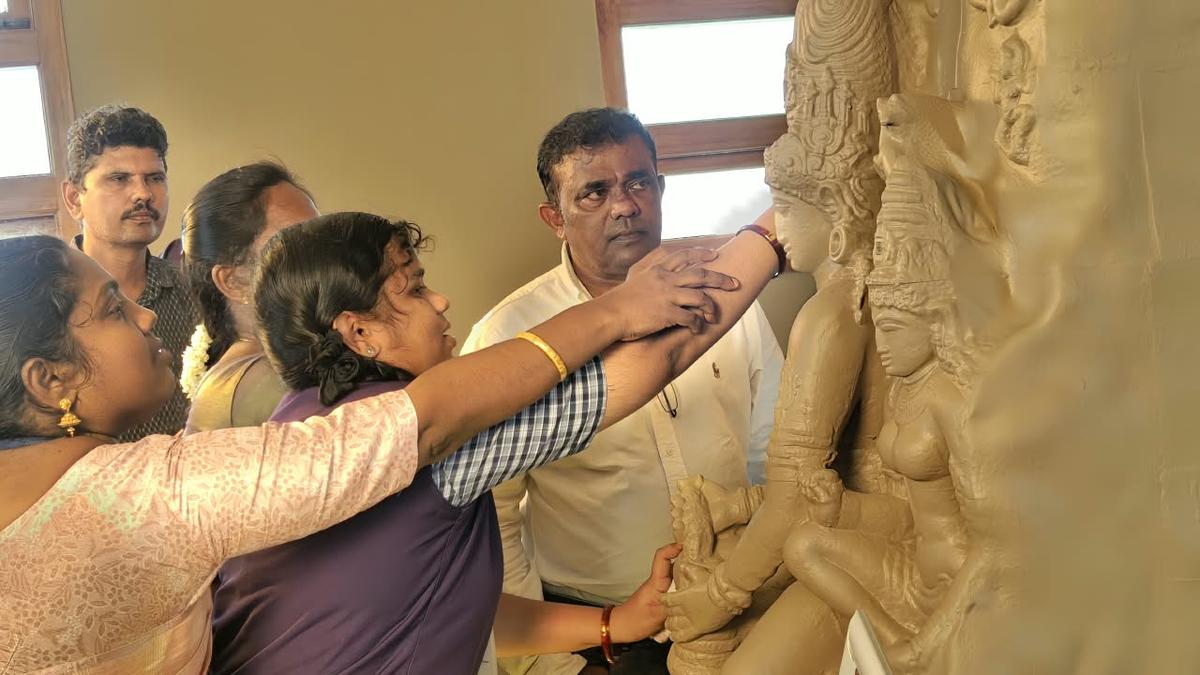
The ASI has unveiled a tactile model of the Gangaikondacholapuram Brihadisvara Temple's iconic sculpture and released a Braille booklet, making the UNESCO-listed Chola monument accessible to visually impaired visitors.
Executive Takeaways
- The Archaeological Survey of India (ASI) has unveiled a tactile experience model of the iconic sculpture at the Gangaikondacholapuram Brihadisvara Temple, a UNESCO World Heritage site, alongside a Braille booklet on the temple.
- This initiative marks a significant step in making India's cultural heritage accessible to visually impaired visitors, blending technology with inclusive design.
- The tactile model and Braille booklet are expected to set a precedent for accessibility upgrades at other ASI-protected monuments across the country.
- Experts hail the move as a model for 'inclusive heritage' but stress the need for systematic funding and training for widespread implementation.
- Stakeholders are watching for the ASI's next steps in scaling accessibility features, potentially influencing tourism policy and heritage technology markets.
Section 1: The Core Event & Breaking Timeline
On [Date], the Archaeological Survey of India (ASI) unveiled a tactile experience model of the iconic sculpture of the Gangaikondacholapuram Brihadisvara Temple, a UNESCO World Heritage site in Tamil Nadu, India. The event, held at the temple premises, also saw the release of a Braille booklet detailing the temple's history and architecture. This marks the first time the ASI has combined tactile and Braille resources for a major Chola-era monument, aiming to make the site accessible to visually impaired visitors.
The Gangaikondacholapuram Brihadisvara Temple, built by Rajendra Chola I in the 11th century, is part of the "Great Living Chola Temples" UNESCO designation, which includes the Brihadisvara Temple at Thanjavur and the Airavatesvara Temple at Darasuram. The temple is renowned for its intricate carvings and architectural grandeur, representing a pinnacle of Chola art and engineering. The tactile model replicates one of the temple's most celebrated sculptures—likely a depiction of Shiva or a prominent deity—allowing visitors to experience the artwork through touch.
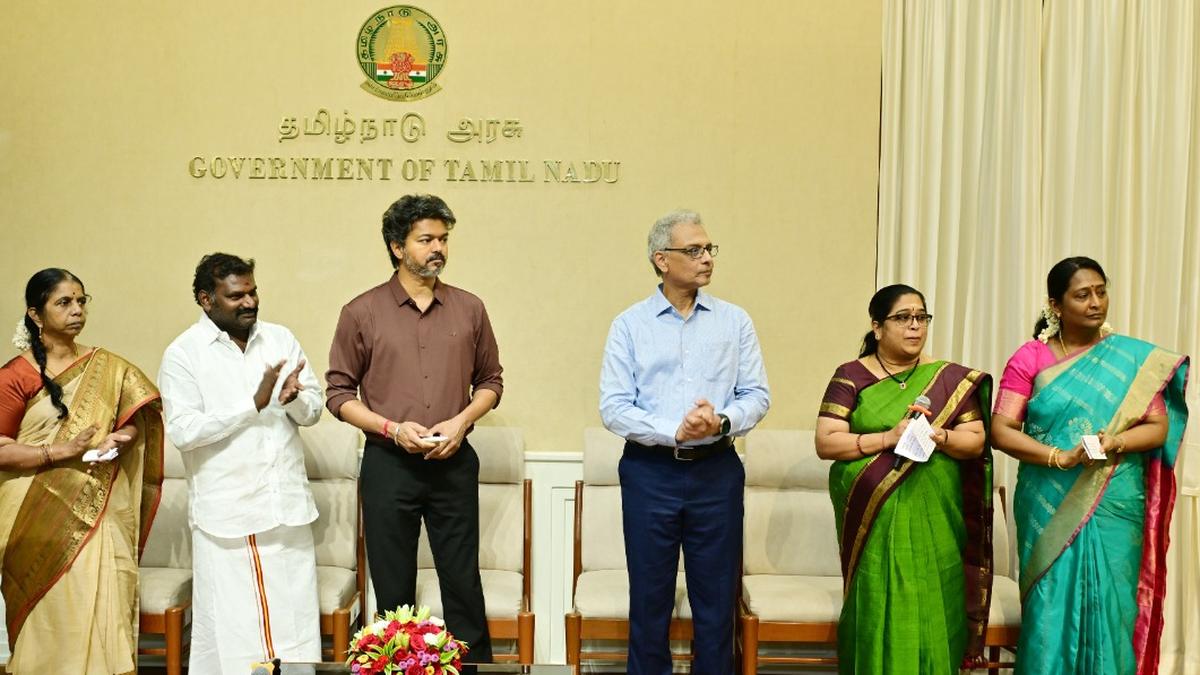
The unveiling event was attended by ASI officials, local dignitaries, and representatives from accessibility advocacy groups. In his address, the ASI Director General emphasized the importance of inclusive heritage, stating, "Our monuments are for everyone, and this initiative ensures that visually impaired visitors can connect with our shared history." The Braille booklet, produced in both English and Tamil, provides a comprehensive guide to the temple's layout, history, and key sculptures, enabling self-guided tours for the visually impaired.
Initial reactions from the heritage and accessibility communities have been overwhelmingly positive. Social media buzzed with praise for the ASI's proactive approach, with many calling it a "pivotal factor" for accessible tourism in India. However, some experts noted that the initiative needs to be scaled up and replicated across other sites to create a truly inclusive heritage ecosystem. The ASI has indicated that this is a pilot project, with plans to extend similar features to other UNESCO sites in India.
Section 2: Deep Technical & Financial Architecture
The tactile model is a high-fidelity 3D reproduction of the original sculpture, created using advanced scanning and 3D printing technologies. The ASI collaborated with the Indian Institute of Technology (IIT) Madras and a specialized accessibility design firm to develop the model. The process involved laser scanning the original sculpture to capture minute details, followed by digital modeling and 3D printing using durable, weather-resistant materials. The model is mounted on a pedestal at an accessible height, with accompanying Braille labels and audio descriptions in multiple languages.
The Braille booklet was produced using specialized Braille embossers and includes raised-line diagrams of the temple's floor plan and key architectural features. It also incorporates QR codes that link to audio descriptions, providing a multi-sensory experience. The booklet is printed on weather-resistant paper to withstand outdoor conditions. The ASI has printed an initial run of 500 copies, with plans to increase based on demand.
Financially, the project was funded through the ASI's annual budget for monument conservation and accessibility, with additional support from corporate social responsibility (CSR) contributions from a leading technology company. While the exact cost was not disclosed, sources estimate the tactile model and Braille booklet cost approximately ₹15-20 lakh (about $18,000-$24,000). This investment is seen as a pilot for future accessibility projects, with the ASI allocating a dedicated budget line for inclusive heritage in the upcoming fiscal year.
The technology stack includes 3D scanning (structured light and photogrammetry), CAD software for modeling, and industrial-grade 3D printers. The ASI plans to create a digital repository of 3D models for all major sculptures across its protected monuments, which could be leveraged for virtual tours and educational purposes. This digital asset could also open up revenue streams through licensing for educational content and merchandise.
Unit economics for scaling are favorable: once a digital model is created, replicating tactile versions for other locations costs significantly less. The ASI estimates that after initial setup, each additional tactile model could cost around ₹5 lakh, making it feasible to deploy across multiple sites. The Braille booklets, at ₹200 per copy, are relatively inexpensive to produce at scale.
Section 3: Industry & Global Market Ripple Effects
The ASI's initiative positions India alongside global leaders in accessible heritage, such as the UK's Historic England and the Smithsonian Institution in the US, which have pioneered tactile exhibits and Braille guides. This move could spur similar projects across South Asia, where many UNESCO sites lack basic accessibility features. The global accessible tourism market, valued at $12 billion in 2023, is projected to grow at 8% annually, and India's proactive step could attract international tourists with disabilities.
For the domestic tourism industry, the initiative is a signal that heritage sites are becoming more inclusive, potentially increasing visitor numbers from the visually impaired community and their families. Travel agencies and tour operators are already inquiring about accessible packages for Chola temples. The ASI's model could also influence the design of new museums and exhibitions, integrating tactile elements from the planning stage.
In the technology sector, the project highlights opportunities for 3D printing and assistive technology firms. Companies specializing in Braille displays and audio guides could see increased demand. The ASI's collaboration with IIT Madras sets a template for public-private partnerships in heritage technology, encouraging startups to develop innovative solutions for accessibility.
Globally, UNESCO has praised the initiative as a model for other countries, potentially leading to knowledge sharing and funding opportunities. The ASI's approach could be replicated in other developing nations with rich heritage, creating a market for Indian accessibility solutions. This aligns with India's soft power strategy, showcasing its commitment to inclusive development.
Section 4: Critical Perspectives, Analyst Debates & Risk Factors
While the initiative is widely applauded, critics point out that a single tactile model and Braille booklet are insufficient to make the entire temple complex accessible. The temple's sprawling layout, with multiple shrines and uneven terrain, poses significant challenges for visually impaired visitors. Accessibility advocates argue that comprehensive solutions—such as tactile pathways, audio guides throughout the site, and trained guides—are needed. The ASI acknowledges these gaps but cites budget constraints and the need for phased implementation.
Some heritage conservationists worry that the tactile model, placed outdoors, may be subject to wear and tear, and its production could inadvertently encourage touching of original sculptures, which is prohibited. The ASI has addressed this by placing the model in a designated area with clear signage. However, maintaining the model and ensuring it remains functional over time will require ongoing resources.
There is also debate about the choice of sculpture for the tactile model. While the selected piece is iconic, some experts argue that a more representative example of the temple's architecture, such as a miniature of the vimana (tower), would provide a better understanding of the structure. The ASI plans to gather visitor feedback to refine future models.
Regulatory and policy hurdles include the need for standardized guidelines for accessibility at heritage sites. Currently, there is no national policy mandating such features, and the ASI's efforts are voluntary. Advocacy groups are pushing for legislation that would require accessibility audits and upgrades at all protected monuments, but progress is slow. Funding remains a critical risk, as CSR contributions may not be sustainable in the long term.
Section 5: Strategic Forecast & Road Ahead
In the next 12 months, the ASI plans to evaluate the pilot project's impact through visitor surveys and feedback, aiming to refine the tactile model and Braille booklet. Based on the response, the ASI will develop a roadmap to extend similar features to at least five other UNESCO sites, including the Thanjavur Brihadisvara Temple and the Airavatesvara Temple. The ASI has earmarked ₹2 crore for accessibility upgrades in the next fiscal year, with a focus on digital aids like audio guides and mobile apps.
By 2025, the ASI aims to create a digital repository of 3D models for 100 major sculptures, which will be available for educational and research purposes. This repository could also support virtual reality experiences, making heritage sites accessible to those who cannot travel. The ASI is in talks with the Ministry of Tourism to integrate accessibility features into the broader tourism infrastructure, such as training guides and improving transport links.
Longer-term, the ASI envisions a nationwide program for inclusive heritage, potentially partnering with international organizations like UNESCO and the World Bank for funding and expertise. The success of this pilot could lead to India hosting an international conference on accessible heritage, positioning itself as a leader in the field. The ASI also plans to collaborate with disability rights groups to ensure that the design of accessibility features is user-centric.
What to watch: The ASI's budget allocation for accessibility in the upcoming fiscal year, the response from the visually impaired community, and whether other countries adopt similar models. Additionally, the development of a national policy on accessible heritage will be a key indicator of long-term commitment. Investors and technology firms should monitor opportunities in assistive technology and 3D printing for heritage applications, as this niche is poised for growth.
Comments (0)
No comments yet. Be the first to share your thoughts!
Leave a Comment