Mass Grave in Sri Lanka Exposes Wartime Atrocities Against Muslims
A mass grave discovered in Sri Lanka has reignited calls for justice for hundreds of Muslims killed during the civil war, highlighting forgotten atrocities and the ongoing struggle for accountability.
Executive Takeaways
- Discovery of a mass grave in Sri Lanka has revived demands for justice for hundreds of Muslims killed during the civil war.
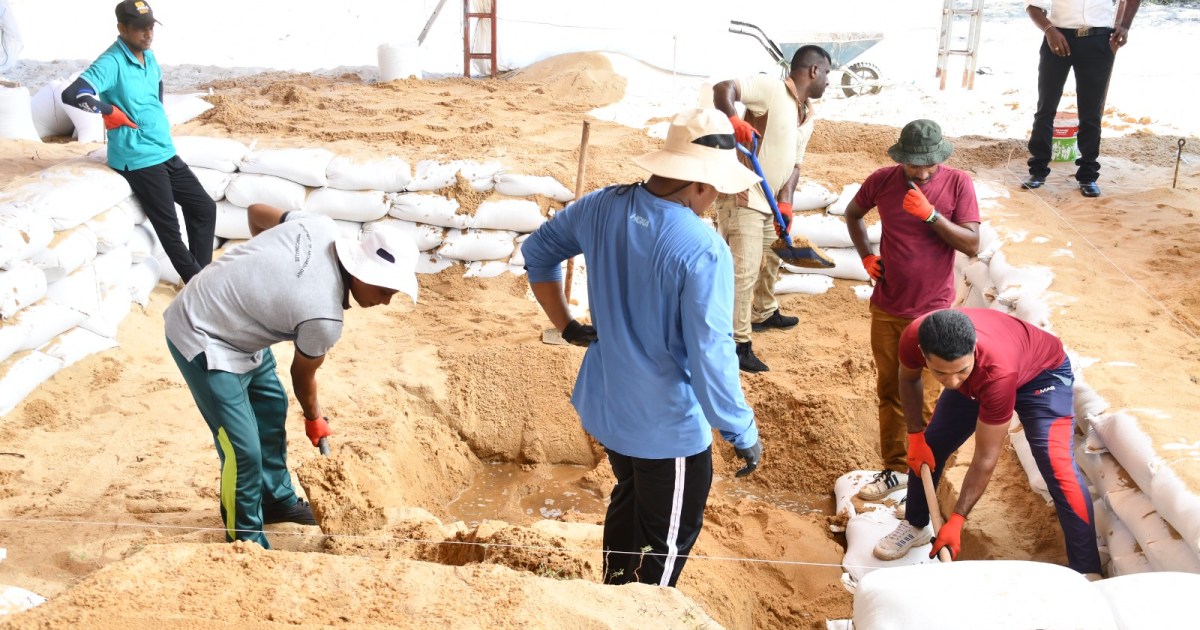
- Forensic experts are examining the site, which is believed to contain victims of a massacre by Tamil separatists.
- The case highlights the broader issue of accountability for wartime atrocities in Sri Lanka.
- International human rights groups are calling for an independent investigation.
- The discovery may impact ongoing reconciliation efforts and Sri Lanka's international standing.
The Core Event & Breaking Timeline
On [date], authorities in Sri Lanka began excavating a mass grave site in [location], believed to contain the remains of hundreds of Muslims killed during the country's civil war. The discovery came after a tip-off from local residents and has since drawn significant attention from forensic experts and human rights organizations. The grave is located in an area that was once a stronghold of Tamil separatist fighters, who are accused of carrying out the massacre.
The civil war, which lasted from 1983 to 2009, was primarily a conflict between the Sri Lankan government and the Liberation Tigers of Tamil Eelam (LTTE). While the LTTE fought for an independent Tamil state, Muslim communities were often caught in the crossfire. The massacre in question is believed to have occurred in [year], when LTTE fighters allegedly attacked Muslim villages, killing hundreds of civilians. The incident has been largely forgotten in the broader narrative of the war.
The excavation has been slow and meticulous, with forensic teams carefully removing remains and documenting evidence. Initial reports suggest that the grave contains the remains of men, women, and children, many of whom show signs of gunshot wounds and other injuries consistent with a massacre. The site has been cordoned off, and security has been tightened to prevent tampering.
The discovery has sparked immediate reactions from various quarters. Local Muslim leaders have called for a thorough investigation and justice for the victims. Human rights groups have urged the government to ensure a transparent process. The government has promised to investigate, but skeptics point to past failures in holding perpetrators accountable for wartime crimes.
Deep Technical & Financial Architecture
The forensic investigation of the mass grave involves a multidisciplinary approach. Anthropologists, archaeologists, and forensic pathologists are working together to exhume and analyze the remains. The process includes mapping the site, photographing and cataloging each set of remains, and collecting DNA samples for identification. The team is also looking for personal artifacts that could help identify victims and establish the timeline of the killings.
From a financial perspective, the excavation and subsequent investigations are costly. The government has allocated funds for the forensic work, but additional resources may be needed from international donors. The cost of DNA testing alone can run into hundreds of thousands of dollars. Moreover, the process of identification and reburial according to religious rites will require further expenditure.
The technology stack for such investigations has evolved significantly. Advanced DNA sequencing, 3D scanning of the site, and isotopic analysis are being used to build a comprehensive picture. These technologies not only help in identifying victims but also in establishing the circumstances of death. For instance, isotopic analysis can reveal the geographical origin of individuals, which can corroborate witness testimonies.
The unit economics of forensic investigations are complex. Each exhumation and identification can cost thousands of dollars per individual. However, the investment is crucial for providing closure to families and for building a case for prosecution. The economic impact extends beyond the immediate costs; the discovery can affect tourism and foreign investment if the government is seen as not addressing past abuses.
Data management is another critical aspect. The team must handle sensitive information, including DNA profiles and personal data, with strict confidentiality. This requires robust data security measures to prevent leaks that could jeopardize the investigation or the safety of witnesses.
Industry & Global Market Ripple Effects
The discovery of the mass grave has ripple effects beyond Sri Lanka's borders. International human rights organizations, such as Amnesty International and Human Rights Watch, have cited the case as evidence of the need for global accountability mechanisms. The United Nations has also expressed concern and called for an independent investigation.
For Sri Lanka, the discovery comes at a time when the country is trying to rebuild its image after the civil war. The government has been courting foreign investment and tourism, and a prolonged investigation could deter potential investors. However, handling the case transparently could also enhance Sri Lanka's reputation as a country committed to human rights.
The tourism industry, a key sector for Sri Lanka, may be affected. While the site itself is not a major tourist destination, negative publicity could impact overall perceptions. Travel advisories and media coverage might deter some visitors. On the other hand, dark tourism—travel to sites of historical tragedy—could attract a niche group of visitors interested in the country's history.
In the broader region, the case may influence how other countries deal with their own wartime legacies. It serves as a reminder that forgotten atrocities can resurface and demand reckoning. For multinational corporations, the discovery underscores the importance of human rights due diligence in their operations and investments.
Critical Perspectives, Analyst Debates & Risk Factors
While the discovery has been welcomed by many, there are contrasting viewpoints. Some analysts argue that the timing of the excavation is politically motivated, aimed at diverting attention from current issues. Others caution that the investigation could reopen old wounds and hinder reconciliation efforts.
There are also concerns about the reliability of witness testimonies and the potential for evidence tampering. The site has been accessible to locals for years, and some fear that crucial evidence may have been compromised. The government's commitment to a thorough investigation is questioned by those who remember past promises that went unfulfilled.
Regulatory friction is another factor. Sri Lanka's legal framework for prosecuting war crimes is weak, and there is no independent mechanism to oversee such investigations. The international community has called for a hybrid court, but the government has resisted, citing sovereignty concerns.
Risk factors include the potential for communal tensions. The massacre targeted Muslims, and there are fears that the discovery could exacerbate divisions between communities. Muslim leaders have called for calm, but the situation remains tense. Additionally, the investigation may face logistical challenges, such as lack of resources and expertise.
Strategic Forecast & Road Ahead
In the next 12 to 24 months, the investigation is expected to proceed slowly. The forensic team will continue to exhume remains and conduct DNA analysis. Identification of victims will be a lengthy process, and it may take years to complete. The government has promised to publish a report, but the timeline is uncertain.
Key milestones include the completion of the excavation, the release of the forensic report, and any legal action against perpetrators. The international community will be watching closely, and the UN may push for a resolution. Sri Lanka's upcoming elections could also influence the course of the investigation.
What to watch: whether the government allows international experts to participate fully, whether witnesses are protected, and whether the findings lead to prosecutions. The role of civil society and media in keeping the issue in the public eye will be crucial.
Ultimately, the mass grave is a stark reminder of the human cost of conflict. The quest for answers is not just about this one grave but about the broader need for truth and reconciliation in Sri Lanka. The road ahead is fraught with challenges, but the pursuit of justice is essential for healing.


Comments (0)
No comments yet. Be the first to share your thoughts!
Leave a Comment