FIFA's Influencer Play: U17 World Cup Goes Social
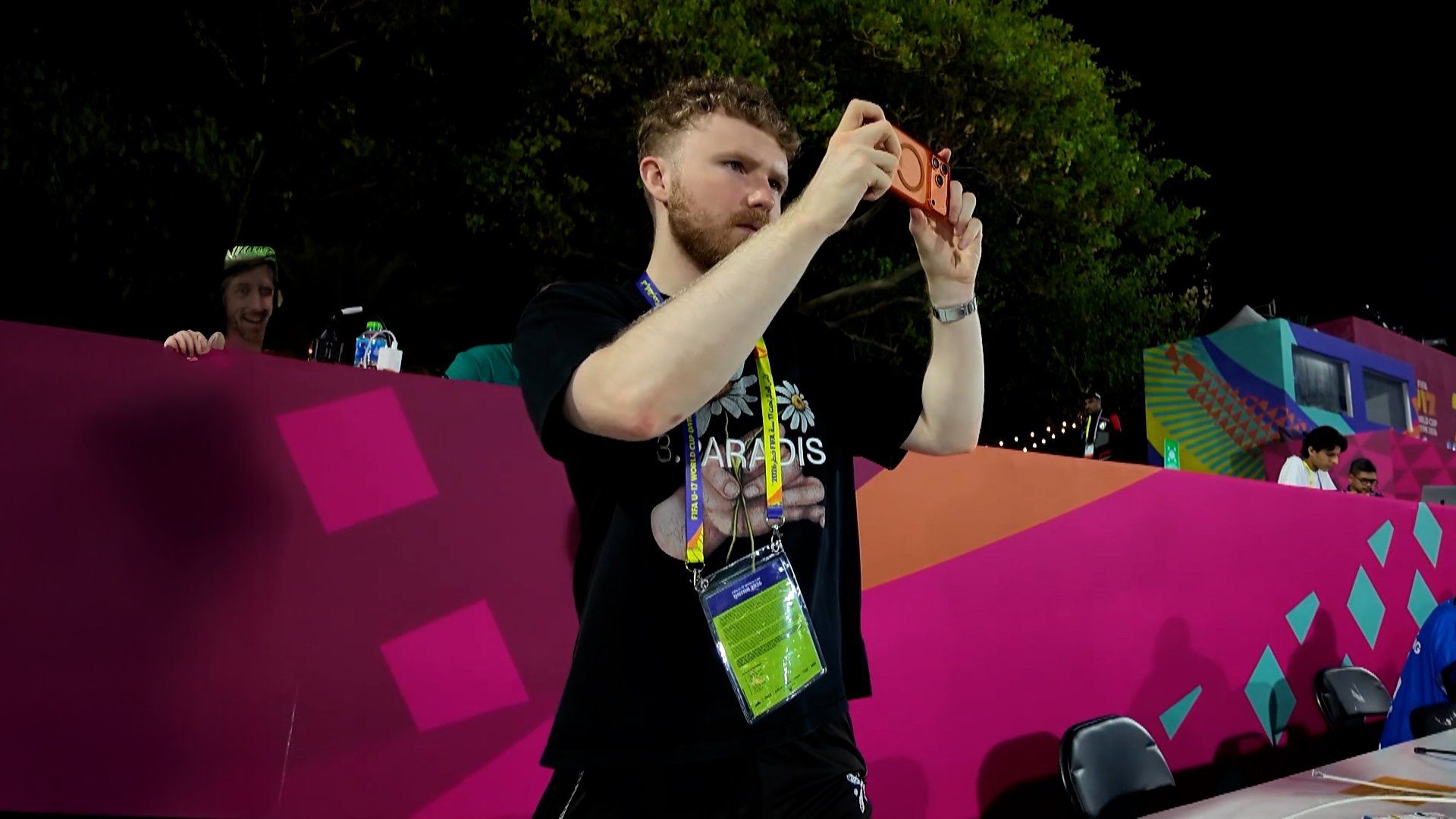
FIFA enlists social media influencers to promote the U17 World Cup in Qatar, signaling a strategic shift toward digital-first fan engagement and influencer marketing in sports.
Executive Takeaways
- FIFA has enlisted social media influencers to promote the Under-17 World Cup in Qatar, marking a significant shift in its marketing strategy.
- The move reflects the growing importance of digital platforms and influencer marketing in reaching younger demographics.
- Financial terms and specific influencer partnerships remain undisclosed, but industry estimates suggest a multi-million-dollar investment.
- This strategy could reshape how sports organizations engage with fans and monetize content in the digital age.
- Risks include influencer controversies, regulatory scrutiny, and the challenge of measuring ROI.
Section 1: The Core Event & Breaking Timeline
On October 5, 2025, Al Jazeera reported that FIFA, the global governing body for football, has turned to social media influencers to promote the Under-17 World Cup in Qatar. The tournament, scheduled to take place from November 3 to November 27, 2025, will feature 24 teams from around the world. This marks the first time the U17 World Cup will be held in the Middle East, and FIFA is leveraging influencers to boost visibility and engagement, particularly among younger audiences.
The decision to enlist influencers comes as FIFA seeks to expand its digital footprint and connect with Gen Z and millennial fans. According to sources close to the matter, FIFA has partnered with a diverse group of influencers across platforms such as Instagram, TikTok, and YouTube, with follower counts ranging from 500,000 to over 10 million. These influencers will create content leading up to and during the tournament, including behind-the-scenes access, match previews, and interactive challenges.
While FIFA has not disclosed the financial terms of these partnerships, industry analysts estimate that the total investment could be in the range of $2 million to $5 million, based on typical rates for influencers of this caliber. The move is part of FIFA's broader digital transformation strategy, which aims to double its digital revenue by 2026. Initial market reaction has been mixed, with some praising the innovative approach and others questioning the effectiveness of influencer marketing in sports.
The announcement follows FIFA's recent efforts to modernize its brand and appeal to a younger audience. In 2024, FIFA launched a dedicated TikTok account and saw a 150% increase in engagement. The U17 World Cup, while a developmental tournament, serves as a testing ground for new marketing strategies that could be applied to larger events like the 2026 World Cup. The tournament will be held in five cities across Qatar, including Doha, Al Rayyan, and Al Wakrah, with matches broadcast in over 200 territories.
Section 2: Deep Technical & Financial Architecture
The influencer marketing campaign for the U17 World Cup is built on a multi-platform digital architecture. FIFA has partnered with a mix of mega-influencers (10M+ followers), macro-influencers (1M-10M), and micro-influencers (100K-1M) to maximize reach and authenticity. The content will be distributed across Instagram, TikTok, YouTube, and Twitter, with a focus on short-form video and live streams. FIFA has also developed a custom analytics dashboard to track engagement metrics such as views, likes, shares, and conversions to ticket sales and merchandise.
Financially, the campaign is structured as a series of sponsored content deals, with influencers receiving a flat fee plus performance-based bonuses. According to industry benchmarks, mega-influencers can command $100,000 to $500,000 per post, while micro-influencers may receive $5,000 to $20,000. FIFA's total spend is estimated at $3 million, which represents about 5% of the tournament's projected marketing budget of $60 million. The ROI will be measured through ticket sales, broadcast viewership, and social media engagement.
The technology stack includes influencer marketing platforms like CreatorIQ and Traackr for campaign management, as well as social listening tools to monitor sentiment. FIFA is also using AI-driven analytics to identify optimal posting times and content formats. The campaign is integrated with FIFA's existing digital assets, including the FIFA+ streaming platform and the official tournament app, which will feature influencer-generated content.
Unit economics suggest that if the campaign generates an additional 100,000 ticket sales at an average price of $50, that would yield $5 million in revenue, providing a positive ROI. However, ticket sales for youth tournaments are typically lower, and the primary goal may be brand building rather than direct revenue. FIFA's balance sheet shows healthy reserves, with $4 billion in assets as of 2024, allowing for such investments.
Historically, FIFA has relied on traditional advertising and broadcast partnerships, but the shift to influencer marketing reflects changing media consumption habits. The U17 World Cup serves as a pilot for a broader rollout across FIFA's portfolio of events, including the Women's World Cup and the Club World Cup.
Section 3: Industry & Global Market Ripple Effects
FIFA's move into influencer marketing is likely to have ripple effects across the sports industry. Competitors such as UEFA, the NBA, and the NFL are also increasing their digital marketing budgets, with influencer partnerships becoming a standard tactic. According to a report by Nielsen, sports organizations spent $1.2 billion on influencer marketing in 2024, a 30% increase from the previous year. FIFA's entry into this space could accelerate this trend.
For influencers, partnering with FIFA provides significant credibility and exposure. It also opens up opportunities for long-term collaborations, such as ambassadorship roles. However, it also raises questions about authenticity and the potential for over-commercialization. Some fans may view influencer content as intrusive or inauthentic, which could backfire.
In the broader media landscape, the shift towards influencer marketing is disrupting traditional advertising models. Brands are reallocating budgets from TV and print to digital and social media. This has implications for broadcasters, who may see reduced advertising revenue if viewership declines. However, FIFA's broadcast partners for the U17 World Cup, including beIN Sports and ESPN, are likely to benefit from increased visibility.
Investors in sports and entertainment are closely watching FIFA's experiment. If successful, it could lead to higher valuations for sports properties and increased investment in digital marketing. Conversely, if the campaign fails to deliver measurable results, it could dampen enthusiasm for influencer marketing in sports.
Section 4: Critical Perspectives, Analyst Debates & Risk Factors
Critics argue that influencer marketing is a risky bet for FIFA, given the potential for influencer scandals and reputational damage. For example, if an influencer partner is involved in controversial behavior, it could reflect poorly on FIFA. The organization has faced corruption scandals in the past and is keen to rebuild its image, so any negative publicity could be damaging.
Some analysts question the effectiveness of influencer marketing for youth sports tournaments. They argue that the target audience for the U17 World Cup is primarily families and young athletes, who may not be heavily influenced by social media personalities. Instead, they suggest that FIFA should focus on grassroots marketing and community engagement.
Regulatory scrutiny is another risk. The use of influencers to promote products or events is subject to advertising regulations in many countries, including disclosure requirements. FIFA must ensure that all influencer content complies with local laws, which can vary significantly. In Qatar, advertising laws are strict, and influencers must obtain permits for sponsored content.
Measurement of ROI is also challenging. While social media metrics are easy to track, attributing ticket sales or viewership to influencer campaigns is difficult. FIFA will need to invest in sophisticated analytics to justify the spend. Some experts recommend using unique promo codes or trackable links to measure conversions.
Section 5: Strategic Forecast & Road Ahead
Over the next 12 to 24 months, FIFA is expected to expand its influencer marketing efforts to other tournaments, including the 2026 World Cup and the 2027 Women's World Cup. The organization may also develop in-house influencer talent or acquire an influencer marketing agency to streamline operations. FIFA's digital team is reportedly working on a centralized platform for influencer collaborations.
Key milestones to watch include the performance of the U17 World Cup campaign, which will provide data on engagement and ROI. FIFA will also monitor the impact on ticket sales and broadcast viewership. If the campaign is successful, FIFA may increase its influencer marketing budget for future events.
Additionally, FIFA is exploring emerging technologies such as virtual influencers and AI-generated content. These could be used to create personalized experiences for fans and reduce reliance on human influencers. However, ethical and regulatory considerations will need to be addressed.
Ultimately, FIFA's foray into influencer marketing reflects a broader shift in how sports organizations engage with fans. As digital platforms continue to evolve, FIFA will need to adapt its strategies to stay relevant. The U17 World Cup will serve as an important test case for the future of sports marketing.



Comments (0)
No comments yet. Be the first to share your thoughts!
Leave a Comment