Cartagena Siege Exposes Security Tech Gaps
Colombian president confronts hostage-takers after 76 held in Cartagena supermarket, raising questions about security technology and financial impacts.
Executive Takeaways
- Hostage Crisis in Cartagena: A hostage situation at a supermarket in Cartagena, Colombia, ended with the arrest of the perpetrators, prompting a presidential confrontation and raising questions about security protocols.
- Security Technology Gaps: The incident highlights potential deficiencies in surveillance, access control, and emergency response systems in commercial retail environments.
- Financial Implications: Retailers face direct costs from business interruption, potential liability, and increased insurance premiums, while the broader market may see volatility in security technology stocks.
- Regulatory Scrutiny: Expect increased pressure on businesses to adopt advanced security technologies and for regulators to revisit safety standards for public spaces.
- Investment Opportunities: Companies specializing in AI-driven surveillance, biometric access, and crisis management platforms could see heightened demand.
Section 1: The Core Event & Breaking Timeline
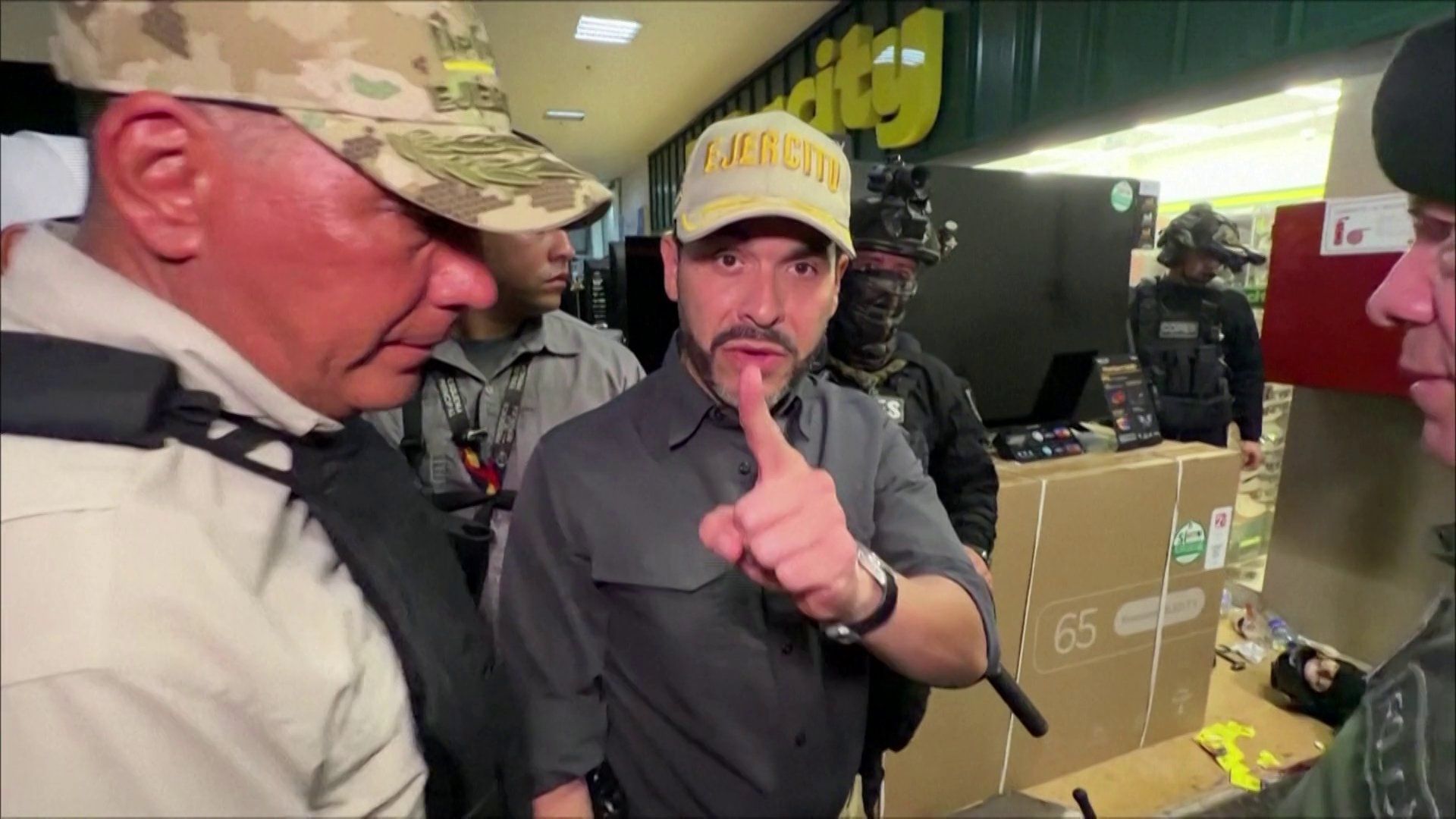
On a tense day in Cartagena, Colombia, a group of armed men seized control of a supermarket, taking 76 people hostage. The standoff, which lasted several hours, ended with the arrest of the perpetrators. Colombian President Gustavo Petro personally confronted the hostage-takers, a move that underscored the gravity of the situation and the government's hands-on approach to resolving the crisis. The event unfolded in a popular commercial area, sending shockwaves through the local community and drawing national attention.
The timeline of the incident began when the assailants entered the supermarket, reportedly with the intent of robbery, but quickly escalated to a hostage situation. Local law enforcement was alerted, and a perimeter was established. Negotiations commenced, with the president himself engaging in dialogue with the hostage-takers. The standoff concluded with a tactical operation that led to the safe release of all hostages and the arrest of the perpetrators. No fatalities were reported, but the psychological impact on the victims and the community is immeasurable.
Initial market reaction was muted, as the incident was localized and resolved relatively quickly. However, retail and security-related stocks in Colombia saw minor fluctuations. The Colombian peso remained stable against the dollar, indicating that investors viewed the event as an isolated security issue rather than a systemic economic threat. The broader Latin American markets showed no significant contagion, but the event served as a reminder of the persistent security challenges in the region.
The immediate aftermath saw President Petro praising the security forces and reiterating his commitment to public safety. The supermarket chain, which has not been named, is likely to face scrutiny over its security measures. The incident has sparked a national conversation about the effectiveness of current security protocols in commercial establishments and the role of technology in preventing and mitigating such crises.
Section 2: Deep Technical & Financial Architecture
The mechanics of a hostage situation in a retail environment involve a complex interplay of physical security, surveillance technology, and emergency response systems. Modern supermarkets typically employ a range of security measures, including CCTV cameras, alarm systems, access control, and on-site security personnel. However, the effectiveness of these systems depends on their integration and the training of staff. In this case, the hostage-takers managed to gain control, suggesting potential gaps in access control or the element of surprise.
From a financial perspective, the direct costs of such an incident include business interruption losses, damage to property, and potential legal liabilities. The supermarket chain could face lawsuits from hostages for negligence if security measures are deemed inadequate. Insurance premiums for retail businesses in high-risk areas may rise, and insurers may require stricter security protocols. The balance sheet impact could be significant, especially for smaller chains with limited resources.
The technology stack for retail security is evolving rapidly. Advanced systems now incorporate AI-powered video analytics that can detect suspicious behavior, biometric access control, and integrated command centers that coordinate with law enforcement. However, the adoption of these technologies is often cost-prohibitive for many retailers. The unit economics of security technology investments must be carefully weighed against the potential losses from incidents. For a supermarket with thin margins, the return on investment (ROI) for high-end security systems may not be immediately apparent, but the long-term risk mitigation can justify the expense.
In the wake of the Cartagena incident, retailers may reassess their security infrastructure. The event could accelerate the adoption of cloud-based surveillance and remote monitoring, which allow for real-time response and reduce the need for on-site personnel. Additionally, the integration of panic buttons and mobile alerts for employees can enhance emergency communication. The financial architecture of security investments is shifting towards subscription-based models, making advanced technology more accessible to smaller businesses.
Furthermore, the insurance industry plays a crucial role in shaping security standards. Insurers may offer premium discounts for businesses that implement certified security technologies, creating a financial incentive for adoption. The Cartagena incident could serve as a catalyst for insurers to update their risk models and require more robust security measures, thereby driving demand for security technology providers.
Section 3: Industry & Global Market Ripple Effects
The ripple effects of the Cartagena hostage crisis extend beyond Colombia's borders. Global security technology providers, such as Honeywell, Johnson Controls, and Axis Communications, could see increased demand for their products in Latin America. The incident highlights the need for integrated security solutions that combine video surveillance, access control, and emergency response. Competitors in the region, like Seguritecnia and Prosegur, may also benefit from heightened awareness.
Supply chains for security equipment could experience a surge in orders as retailers upgrade their systems. However, the industry faces challenges such as semiconductor shortages and logistical bottlenecks, which could delay deployments. Investors in security technology stocks may react positively to the news, anticipating higher sales. The Global X Cybersecurity ETF (BUG) and the iShares Cybersecurity and Tech ETF (IHAK) could see inflows as investors bet on increased security spending.
The incident also underscores the importance of public-private partnerships in security. Governments may seek to collaborate with private companies to deploy smart city technologies that enhance public safety. For example, integrated command centers that link retail security systems with police networks can improve response times. This trend is already evident in cities like Singapore and Dubai, and could gain traction in Latin America.
In the broader market, the event may lead to a reevaluation of country risk for Colombia. While the incident was isolated, it could affect foreign direct investment (FDI) in the retail sector if security concerns persist. However, Colombia's overall economic fundamentals remain strong, and the government's swift response may mitigate negative perceptions. The tourism industry, a key sector for Cartagena, could be impacted if safety concerns escalate, but the quick resolution may limit the damage.
Section 4: Critical Perspectives, Analyst Debates & Risk Factors
Analysts are divided on the implications of the Cartagena incident. Some argue that it is a wake-up call for retailers to invest in advanced security technologies, while others contend that the focus should be on addressing the root causes of crime, such as poverty and inequality. Critics of the government's response question the wisdom of the president personally engaging with hostage-takers, suggesting it could set a dangerous precedent and undermine professional negotiation protocols.
From a risk management perspective, the incident highlights the vulnerability of retail environments to asymmetric threats. Experts emphasize the need for comprehensive risk assessments and the implementation of layered security measures. However, there is debate over the effectiveness of technology alone. Human factors, such as employee training and awareness, are equally important. Some analysts point out that over-reliance on technology can create a false sense of security and may not prevent determined attackers.
Regulatory friction is another consideration. In Colombia, regulations around private security and surveillance are evolving. Data privacy laws, such as the Ley de Protección de Datos Personales (Law 1581 of 2012), impose strict requirements on the collection and use of personal data, which could complicate the deployment of AI-powered video analytics. Retailers must balance security needs with privacy rights, and any perceived overreach could lead to public backlash.
Vulnerabilities in the security technology itself are also a concern. Cyberattacks on connected security systems could disable surveillance or access control, creating new risks. The Internet of Things (IoT) devices used in retail security are often not adequately secured, making them potential entry points for hackers. The Cartagena incident may prompt a review of cybersecurity standards for physical security systems.
Section 5: Strategic Forecast & Road Ahead
In the next 12 to 24 months, we can expect a surge in demand for integrated security solutions in Colombia and across Latin America. Retailers will likely invest in AI-driven surveillance, cloud-based monitoring, and mobile panic buttons. Security technology providers that offer scalable, subscription-based models will be well-positioned to capture this demand. Additionally, insurers may develop new products tailored to retail security risks, creating a financial ecosystem around safety.
Upcoming milestones include potential regulatory changes in Colombia. The government may introduce new safety standards for commercial establishments, mandating certain security technologies. Industry associations, such as the Cámara Colombiana de la Infraestructura, could publish best practices. We may also see pilot projects for smart city integration, linking retail security with municipal emergency response systems.
What to watch: The financial performance of security technology companies in their next quarterly earnings, particularly those with exposure to Latin America. Also, monitor insurance industry announcements regarding premium adjustments for retail clients. On the technology front, advancements in AI and edge computing will enable more sophisticated on-premises analytics, reducing latency and bandwidth costs.
Finally, the human element cannot be overlooked. Investments in employee training and crisis simulation exercises will be critical. The Cartagena incident serves as a stark reminder that technology is only one part of the solution. A holistic approach that combines technology, training, and public-private collaboration will be essential to prevent future tragedies and ensure the safety of customers and employees.



Comments (0)
No comments yet. Be the first to share your thoughts!
Leave a Comment