Madras HC's John Doe Order: A New Legal Firewall for India's Digital Rights
The Madras High Court's John Doe order restricts violations of the Supreme Court's limited lamp-lighting arrangement at Thirupparankundram, raising questions about digital enforcement and fundamental rights.
Executive Takeaways
- The Madras High Court has issued a John Doe order to restrain any violation of the Supreme Court's November 20 order, which permitted a one-time lamp lighting at Thirupparankundram hillock.
- John Doe orders, also known as Ashok Kumar orders, are ex parte injunctions against unidentified persons, commonly used in intellectual property and digital piracy cases.
- The order raises significant questions about the balance between religious traditions, fundamental rights, and the enforcement of court orders in the digital age.
- Legal experts are divided on the appropriateness of such orders in cases involving religious practices, citing potential overreach and impact on freedom of expression.
- The development is likely to set a precedent for how courts handle similar disputes involving public events and digital dissemination.
The Core Event & Breaking Timeline
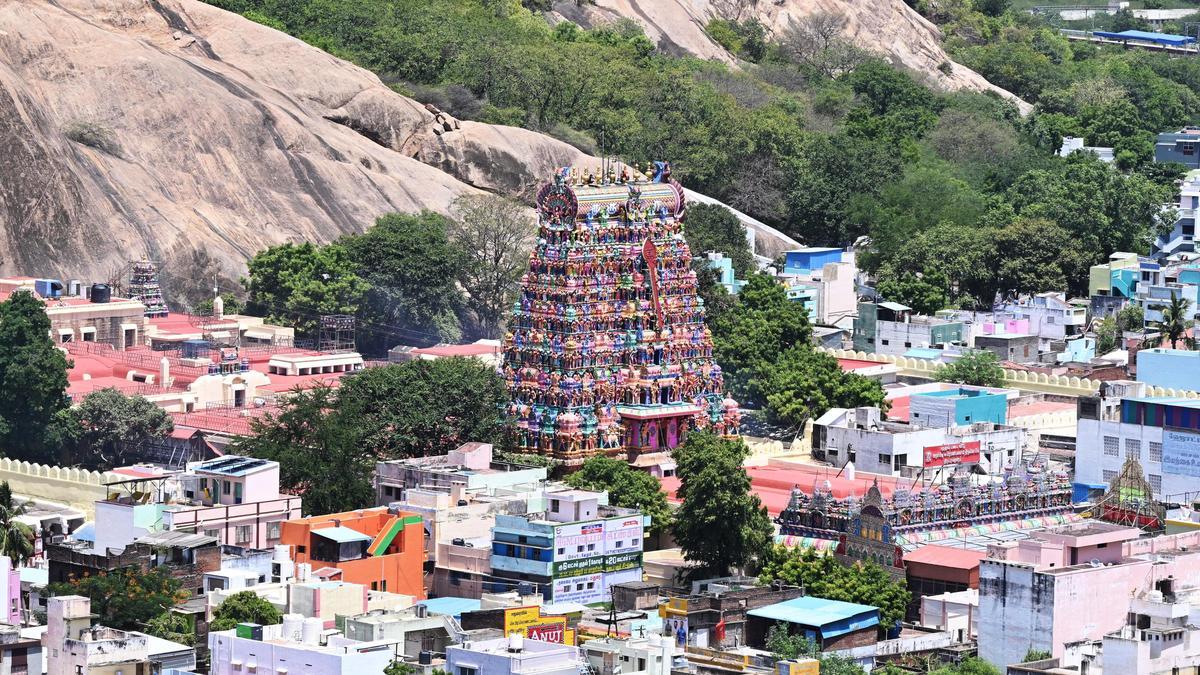
On November 20, the Supreme Court of India passed an order allowing a 'limited one-time arrangement' for lighting a lamp on the hillock at Thirupparankundram, a site of religious significance in Tamil Nadu. The order was specific and temporary, aimed at resolving a long-standing dispute between different groups over the performance of rituals at the site. However, subsequent events saw attempts to violate the order, prompting the Madras High Court to step in.
On [date], the Madras High Court, in a significant move, issued a John Doe order restraining anyone from violating the Supreme Court's November 20 order. The order, passed by a bench headed by [Judge's name], directs law enforcement agencies to take action against unidentified persons who may attempt to disrupt the limited arrangement. This is a rare instance of a John Doe order being used in a religious context, as such orders are typically reserved for intellectual property rights and commercial piracy cases.
The immediate trigger for the High Court's intervention was reports of planned protests and attempts to light lamps in contravention of the Supreme Court's directive. The John Doe order empowers the police to arrest anyone found violating the order without the need for specific identification, a departure from usual legal procedures that require named parties. The order also extends to digital platforms, restraining the dissemination of content that could incite violations.
Market reaction to the development has been muted, as it primarily affects local religious practices rather than financial markets. However, legal analysts and digital rights groups have taken note, given the implications for online speech and the use of John Doe orders in non-commercial contexts. The Hindu reported that the order has sparked a debate on the scope of judicial intervention in religious matters and the potential for misuse of such broad injunctions.
Deep Technical & Financial Architecture
John Doe orders, named after the anonymous placeholder 'John Doe', are a legal mechanism allowing courts to issue injunctions against unidentified parties. In India, they are often referred to as Ashok Kumar orders, after a 2008 Delhi High Court case involving counterfeit goods. The orders are typically used in cases of copyright infringement, trademark violations, and digital piracy, where the identities of infringers are unknown. The legal basis for such orders in India is found in Order XXXIX Rule 1 and 2 of the Code of Civil Procedure, which allows courts to grant temporary injunctions.
The technical architecture of a John Doe order involves several steps: the plaintiff must demonstrate a prima facie case, irreparable harm, and the balance of convenience in their favor. The court then issues an order that is binding on all persons, known or unknown, who may act in violation. Enforcement relies on law enforcement agencies and, increasingly, on internet service providers (ISPs) and online platforms to block access to infringing content. In the digital realm, this often involves blocking entire websites or URLs, raising concerns about over-blocking and collateral censorship.
In the Thirupparankundram case, the financial implications are minimal, as the dispute does not involve commercial interests. However, the use of a John Doe order in this context sets a precedent for its application in religious and social disputes. The order could lead to increased costs for law enforcement and digital platforms tasked with monitoring and enforcing the injunction. Moreover, the potential for over-blocking could affect legitimate content and discussions related to the issue, impacting digital businesses and platforms that host user-generated content.
From a unit economics perspective, the cost of enforcing a John Doe order can be significant. ISPs and platforms may incur costs for implementing blocking mechanisms, while law enforcement agencies may need additional resources to monitor compliance. These costs are often borne by the service providers and, ultimately, consumers. In the absence of clear guidelines, the financial burden of such orders can be unpredictable, leading to calls for more precise and targeted enforcement mechanisms.
Comparatively, John Doe orders in India have been used in high-profile cases like the 2012 Chennai flood relief concert piracy case and the 2019 order against rogue websites. The effectiveness of these orders is debated, with critics arguing that they are often overbroad and ineffective in curbing piracy. The Thirupparankundram case adds a new dimension by applying the mechanism to a religious dispute, where the balance between rights and enforcement is even more delicate.
Industry & Global Market Ripple Effects
The Madras High Court's John Doe order in the Thirupparankundram case has sent ripples through the legal and digital rights communities. While it may not directly impact financial markets, it has significant implications for how technology platforms handle legal requests and content moderation. Global internet companies operating in India, such as Google, Facebook, and Twitter, are closely watching the development, as they may be required to implement blocking orders that could affect their operations and user trust.
In the broader tech industry, the order underscores the growing trend of courts using broad injunctions to regulate online content. This could lead to increased compliance costs for platforms, which must develop systems to respond to John Doe orders swiftly and accurately. It also raises concerns about the potential for such orders to be used to suppress legitimate speech, particularly in sensitive religious or political contexts. Industry observers note that the lack of clear guidelines for John Doe orders in India creates uncertainty for businesses.
Supply chain effects are minimal, as the dispute is localized. However, the precedent could influence how courts handle similar cases involving digital content and public events. For instance, if John Doe orders become more common in religious disputes, platforms may need to invest in more sophisticated content moderation tools and legal expertise. This could lead to a shift in how digital rights are managed and enforced in India.
Investors in Indian tech companies may view the development as a regulatory risk, particularly for platforms that rely on user-generated content. The potential for broad blocking orders could affect user engagement and advertising revenue. However, the immediate financial impact is likely to be limited, as the order is specific to a local issue. Analysts are monitoring whether this case will lead to a more systematic use of John Doe orders in non-commercial contexts, which could have wider ramifications.
Critical Perspectives, Analyst Debates & Risk Factors
Legal experts are divided on the appropriateness of the John Doe order in the Thirupparankundram case. Supporters argue that the order is necessary to uphold the rule of law and prevent chaos, as the Supreme Court's order was being openly defied. They contend that the High Court had no alternative but to issue a broad injunction to ensure compliance. Former judge [Name] commented, 'The court must have found compelling reasons to resort to such a measure, given the potential for violence and disruption.'
Critics, however, argue that the order is an overreach and could set a dangerous precedent for restricting fundamental rights. They point out that John Doe orders are inherently broad and can ensnare innocent parties. Digital rights advocate [Name] stated, 'Using a John Doe order in a religious dispute is like using a sledgehammer to crack a nut. It chills free speech and assembly, and the lack of specificity makes it ripe for abuse.' The order's extension to digital platforms is particularly concerning, as it could lead to censorship of legitimate discussions.
Risk factors include the potential for the order to be challenged in higher courts, which could lead to a stay or modification. There is also the risk of misinterpretation by law enforcement, leading to heavy-handed actions against peaceful protesters. The order's reliance on police to identify violators could result in profiling and harassment. Furthermore, the digital blocking provisions may be challenged by platforms on grounds of proportionality and transparency.
Regulatory friction is evident, as the order intersects with existing laws on religious freedom and online speech. The Supreme Court's November 20 order was itself a delicate balance, and the High Court's John Doe order may upset that balance. The case highlights the need for clearer guidelines on the use of John Doe orders, especially in non-commercial contexts. Analysts suggest that the Law Commission of India should examine the issue and propose reforms to prevent misuse.
Strategic Forecast & Road Ahead
In the next 12 to 24 months, the Thirupparankundram case is likely to proceed through the legal system, with potential appeals to the Supreme Court. The outcome will set a precedent for the use of John Doe orders in religious disputes. If upheld, it could encourage courts to use similar measures in other sensitive cases, leading to a rise in broad injunctions. Conversely, if struck down, it could curtail the use of John Doe orders outside commercial contexts.
Upcoming milestones include the next hearing in the Madras High Court, where the order may be challenged or extended. The Supreme Court may also take suo motu cognizance of the matter, given its earlier involvement. Additionally, digital rights organizations are likely to file interventions, arguing against the order's digital blocking provisions. The case may also attract attention from international human rights bodies.
What to watch: The response of tech platforms to the blocking orders, and whether they comply or challenge them. The enforcement actions by police and any reports of abuse. The impact on religious harmony in the region. The development of legal guidelines for John Doe orders by the judiciary or legislature. The potential for similar orders in other disputes involving public events and digital media.
In the long term, the case could catalyze a broader debate on the balance between religious traditions and fundamental rights in India's digital age. It may lead to legislative changes to clarify the scope of John Doe orders, ensuring they are used only when necessary and with adequate safeguards. For now, the Thirupparankundram John Doe order stands as a test case for the intersection of law, technology, and religion.



Comments (0)
No comments yet. Be the first to share your thoughts!
Leave a Comment