Sutherland Defends Sandpapergate Probe as Warner Denies Superglue Claim
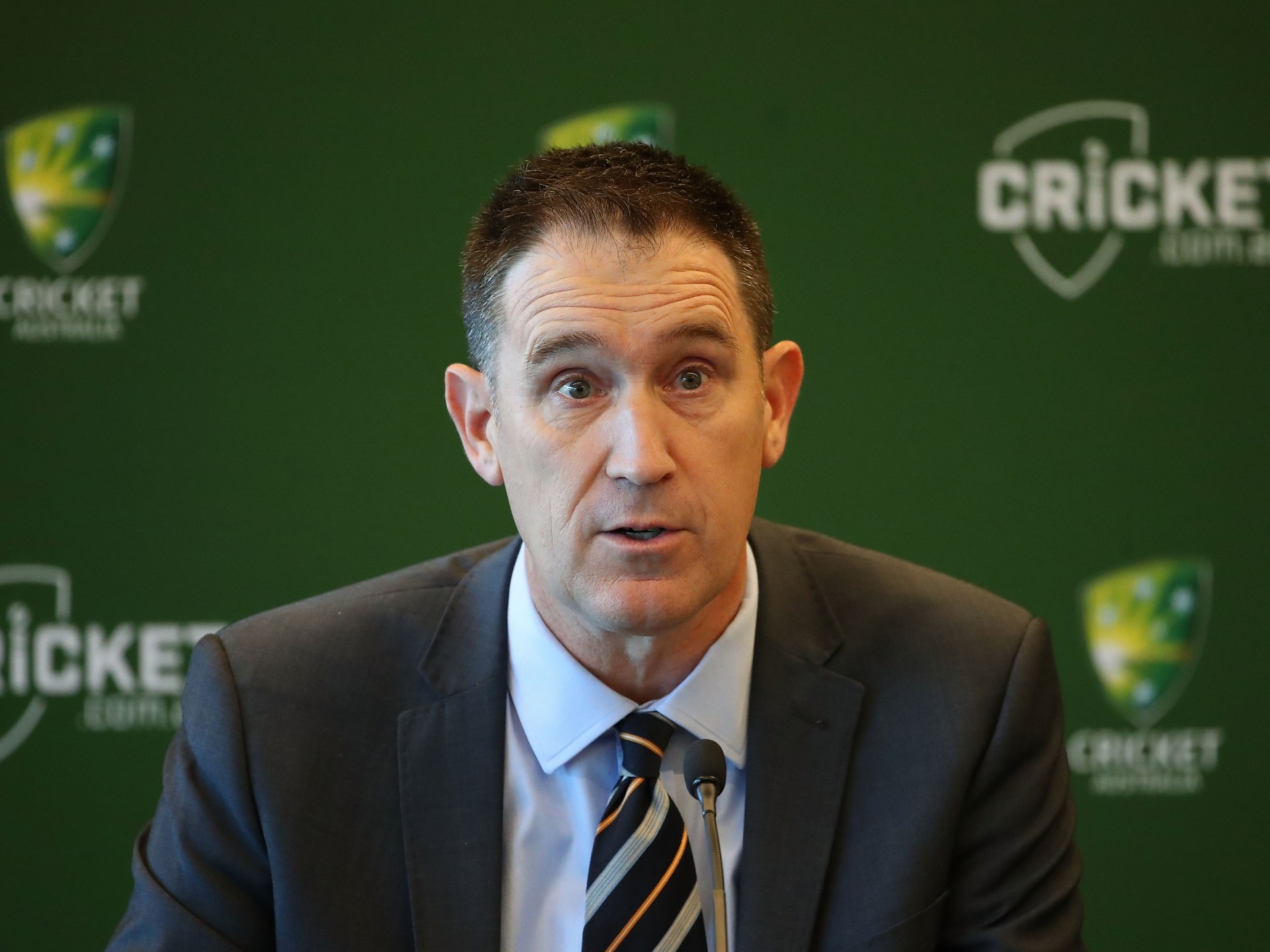
Former Cricket Australia CEO James Sutherland defends the investigation into the 2018 ball-tampering scandal, while David Warner denies new claims of using superglue and grit to alter the ball.
Executive Takeaways
- Former Cricket Australia CEO James Sutherland has publicly defended the integrity of the 2018 'Sandpapergate' investigation, rejecting claims that the probe was a whitewash.
- David Warner has denied a broadcaster's allegation that he used superglue and grit to tamper with the ball, adding a new layer of controversy to the saga.
- The scandal continues to cast a shadow over Cricket Australia's governance and financial standing, with questions lingering about the thoroughness of the original inquiry.
- Sponsors and broadcasters are monitoring the situation closely, as reputational risk remains a key concern for the sport's commercial partners.
- The incident highlights the growing importance of integrity units and forensic technology in sports governance, with potential ripple effects across global cricket.
The Core Event & Breaking Timeline
In a dramatic re-ignition of one of cricket's most infamous episodes, former Cricket Australia (CA) chief executive James Sutherland has defended the governing body's investigation into the 2018 ball-tampering scandal, known colloquially as 'Sandpapergate'. Sutherland's comments came in response to fresh allegations that the original probe was insufficient and that key details were overlooked. Simultaneously, disgraced former vice-captain David Warner has vehemently denied a claim by a broadcaster that he used superglue and grit to tamper with the ball during the same period, further muddying the waters of a scandal that many had hoped was consigned to history.
The original incident occurred in March 2018 during the third Test match between Australia and South Africa in Cape Town. Cameron Bancroft was caught on camera using sandpaper to rough up the ball, with captain Steve Smith and Warner subsequently implicated in the plot. CA swiftly handed down severe sanctions: Smith and Warner received 12-month bans from international and domestic cricket, while Bancroft was suspended for nine months. The scandal led to a cultural review of Cricket Australia, the resignation of several top officials, and a tearful public apology from Smith and Bancroft.
Now, more than five years later, the controversy has resurfaced. Sutherland, who was at the helm during the investigation, has staunchly defended the process, stating that the probe was thorough and that the sanctions were appropriate. He dismissed suggestions that the investigation was a 'whitewash' designed to protect the board's commercial interests. 'We conducted a comprehensive investigation with the assistance of external legal counsel, and the penalties reflected the seriousness of the breach,' Sutherland said in a recent interview. 'Any suggestion that we did not pursue all leads is simply incorrect.'
Meanwhile, Warner, who has consistently maintained his innocence regarding the use of sandpaper, has now been forced to deny a new allegation. A broadcaster claimed that Warner had used superglue and grit to alter the condition of the ball, a method that would be even more egregious than the sandpaper incident. Warner's management issued a strongly worded statement rejecting the claim as 'baseless and defamatory'. The timing of these revelations, just as Warner is attempting to rebuild his career and reputation, has sparked a media frenzy and raised questions about the thoroughness of the original investigation.
Deep Technical & Financial Architecture
The Sandpapergate scandal and its aftermath have significant financial implications for Cricket Australia and the broader cricket ecosystem. At the time of the incident, CA was in the midst of negotiating a lucrative broadcast deal, and the scandal threatened to undermine the sport's reputation and commercial appeal. The initial fallout saw major sponsor Magellan Financial Group terminate its naming rights partnership with CA, reportedly worth AUD 20 million, citing the damage to the brand's reputation. Other sponsors, including Qantas and Commonwealth Bank, expressed concerns but ultimately maintained their relationships, albeit with increased scrutiny.
From a governance perspective, the investigation itself was a costly affair. CA engaged external legal firm Bird & Bird to conduct the probe, with legal fees and associated costs estimated to be in the hundreds of thousands of dollars. The board also commissioned a cultural review led by The Ethics Centre, which cost a further AUD 500,000. These expenses, while necessary for reputational repair, added to the financial burden at a time when CA was already facing declining participation rates and revenue pressures.
The technology stack used in the investigation was relatively rudimentary: video evidence from the host broadcaster, interviews with players and staff, and forensic analysis of the ball. However, the lack of advanced forensic tools, such as chemical analysis of the ball or comprehensive digital forensics on player communications, has been criticized by some integrity experts. In contrast, modern sports integrity units increasingly rely on data analytics, AI-driven anomaly detection, and blockchain-based evidence chains to ensure tamper-proof investigations. The Sandpapergate probe, by today's standards, appears somewhat antiquated.
Unit economics of cricket broadcasting are heavily dependent on the sport's clean image. Broadcasters pay premium rates for rights, and any scandal that tarnishes the product can lead to renegotiations or reduced viewership. For instance, the 2018 incident led to a temporary dip in television ratings for the subsequent Test matches, although the long-term impact was mitigated by the drama of the series. Nevertheless, the financial architecture of cricket is built on trust, and any erosion of that trust can have cascading effects on sponsorship, merchandising, and ticket sales.
Moreover, the players themselves are economic actors. Warner, Smith, and Bancroft lost significant income during their bans, with Warner estimated to have forfeited over AUD 2 million in match fees and endorsements. Their return to the game was carefully managed to rebuild their commercial value, with Warner in particular undergoing a reputational rehabilitation campaign that included documentary appearances and social media engagement. The new allegations threaten to undo that work, potentially affecting future endorsement deals and post-career opportunities.
Industry & Global Market Ripple Effects
The Sandpapergate saga has had ripple effects across the global cricket market, influencing how other cricket boards and leagues approach integrity and governance. The incident prompted the International Cricket Council (ICC) to review its anti-corruption protocols, leading to the introduction of stricter penalties for ball-tampering and a greater emphasis on player education. Other boards, such as the England and Wales Cricket Board (ECB) and the Board of Control for Cricket in India (BCCI), have since implemented more robust integrity units, often staffed with former law enforcement officials and forensic experts.
In the commercial realm, sponsors and investors have become more cautious about associating with cricket, particularly in markets where governance is perceived as weak. The scandal also affected the marketability of the Australian national team, which saw a decline in sponsorship interest during the 2018-19 season. However, the team's subsequent success, including the 2021 T20 World Cup and the 2023 Ashes retention, has helped restore some of that value. The current resurgence of the scandal could test that recovery, especially if it leads to a prolonged media cycle.
Competitors to Cricket Australia, such as Cricket South Africa, have used the incident to highlight their own integrity measures. CSA, which was the host board during the 2018 series, has since revamped its anti-corruption unit and introduced a whistleblower policy. The incident also accelerated the growth of private cricket leagues, such as the Indian Premier League (IPL), which have capitalized on the turmoil by offering lucrative contracts to banned players, thereby shifting the balance of power in global cricket's financial ecosystem.
Supply chains in cricket are not limited to goods but also include talent pipelines. The bans on Smith and Warner meant that they missed a year of international cricket, during which younger players were given opportunities. This had a knock-on effect on player valuations and auction dynamics in leagues like the IPL, where the absence of star players altered team strategies and bidding wars. The new allegations could further impact player valuations, particularly for Warner, who is in the twilight of his career and relies on short-format leagues for income.
Critical Perspectives, Analyst Debates & Risk Factors
Critical perspectives on the Sandpapergate investigation abound. Some analysts argue that CA's probe was compromised from the start because it was conducted by the same organization that employed the players, creating a conflict of interest. They point to the fact that Sutherland was a former player and had close ties to the team, which may have influenced the decision to limit the scope of the investigation. 'The investigation was designed to contain the damage, not to uncover the full truth,' said Dr. Sarah Thompson, a sports governance expert at the University of Melbourne. 'The board's priority was protecting the brand, not necessarily upholding the spirit of the game.'
Others, however, defend CA's actions, noting that the sanctions were among the harshest ever imposed for ball-tampering and that the board cooperated fully with the ICC. They argue that the investigation was thorough given the available evidence and that the players' admissions of guilt negated the need for a more extensive probe. 'You have to remember that Smith and Bancroft confessed almost immediately,' said former ICC anti-corruption chief Sir Ronnie Flanagan. 'The investigation was about determining the extent of the conspiracy, and the evidence pointed to a limited number of individuals.'
The new allegations against Warner, if proven, would suggest that the original investigation missed key details. Warner has been a polarizing figure throughout his career, and his denial of the superglue claim has been met with skepticism by some and support by others. The risk factors for CA include potential legal action from Warner if the allegations are deemed defamatory, as well as further reputational damage if new evidence emerges. Additionally, the broadcaster that made the claim could face legal challenges if it cannot substantiate its report.
Regulatory friction is another concern. The ICC's anti-corruption unit has the authority to reopen investigations if new evidence comes to light. While the ICC has not indicated any plans to do so, the possibility remains. Furthermore, the Australian Sports Commission has the power to intervene if it believes CA's governance is lacking. The ongoing scrutiny could lead to calls for an independent review of CA's integrity processes, which would be costly and time-consuming.
Strategic Forecast & Road Ahead
Looking ahead, the next 12 to 24 months will be crucial for Cricket Australia as it navigates the fallout from these renewed allegations. The board is likely to face pressure to demonstrate transparency and accountability, possibly through the release of previously confidential documents related to the investigation. CA may also consider commissioning an independent review of its integrity framework, similar to the cultural review conducted in 2018, to reassure stakeholders. Such a move would be costly but could help restore trust.
For David Warner, the immediate priority is to clear his name. His legal team is reportedly considering defamation action against the broadcaster, which could lead to a protracted court battle. Warner's on-field performance will also be under intense scrutiny, as any dip in form could be interpreted as a sign of distraction. His commercial partners, including brands like Toyota and LG, are likely to adopt a wait-and-see approach, with some potentially reviewing their endorsement deals if the controversy escalates.
The broader cricket ecosystem will be watching closely. The ICC may use this opportunity to reinforce its anti-corruption message and could introduce new guidelines for ball-tampering investigations, including mandatory forensic analysis. Broadcasters and sponsors will be looking for assurances that the sport is clean, and any further scandals could lead to reduced investment. The upcoming ICC Men's T20 World Cup in 2024 and the Ashes series in 2025 will be key milestones, as they offer a platform for cricket to showcase its integrity and appeal.
What to watch: whether CA releases the full investigation report, whether Warner pursues legal action, and whether the ICC initiates its own inquiry. Additionally, the reaction of major sponsors and broadcasters will be a bellwether for the commercial impact. The saga serves as a reminder that in the digital age, no scandal is ever truly buried, and the cost of reputational damage can far exceed the immediate financial penalties.




Comments (0)
No comments yet. Be the first to share your thoughts!
Leave a Comment