Bangkok Oil Depot Blast: Evacuations Underway as Energy Markets Brace
A massive explosion at an oil depot in eastern Bangkok has forced authorities to evacuate residents, sparking concerns over energy infrastructure safety and potential market disruptions in Southeast Asia.
Executive Takeaways
- Breaking Event: A major explosion at an oil depot in eastern Bangkok has prompted immediate evacuations and raised questions about industrial safety protocols.
- Market Impact: Energy markets are on edge as Thailand's role as a regional energy hub faces scrutiny; oil prices could see short-term volatility.
- Infrastructure Under Microscope: The incident highlights aging energy infrastructure and the need for technological upgrades in safety monitoring.
- Regulatory Response: Thai authorities are expected to tighten regulations, potentially affecting operational costs for energy firms.
- Supply Chain Risks: With Bangkok being a key distribution point, disruptions could ripple through Southeast Asian supply chains.
The Core Event & Breaking Timeline
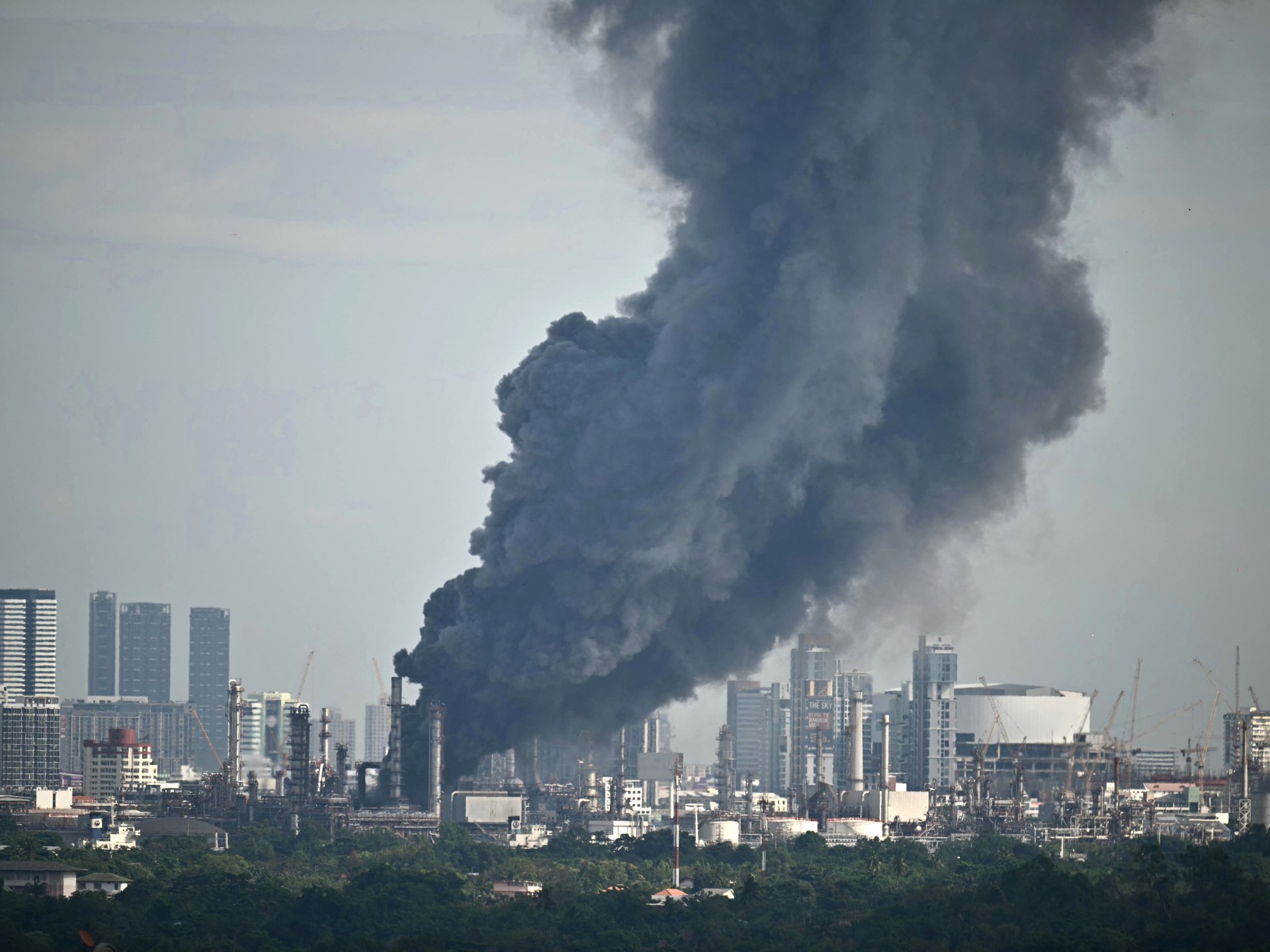
At approximately 3:00 PM local time on Tuesday, a massive explosion rocked an oil depot in the eastern Bangkok district of Bang Chak, sending a towering plume of black smoke into the sky and triggering immediate evacuations of surrounding residential areas. The blast, which occurred at a facility operated by a subsidiary of Thailand's state-owned energy giant PTT, was felt several kilometers away, shattering windows in nearby buildings and causing widespread panic. Emergency services rushed to the scene, and authorities swiftly ordered the evacuation of homes within a two-kilometer radius as a precaution against further explosions and toxic fumes.
The oil depot, which stores diesel, gasoline, and aviation fuel, is a critical node in Bangkok's energy supply chain, serving numerous gas stations and industrial consumers across the eastern seaboard. According to initial reports, the explosion originated in a storage tank containing diesel, though the exact cause remains unknown. Firefighters battled the blaze for several hours before bringing it under control. As of now, there are no confirmed fatalities, but at least 15 people have been injured, including workers and residents, and the toll could rise as search and rescue operations continue.
Financial markets reacted swiftly to the news. Thailand's benchmark SET Index dipped 0.8% in afternoon trading, with energy stocks taking a hit. PTT's shares fell 1.5%, while other energy-related companies also saw declines. The Thai baht weakened slightly against the US dollar, reflecting investor concerns over potential economic disruptions. Regional oil prices showed minimal immediate impact, but analysts warn that if the facility remains offline for an extended period, supply constraints could push up prices in Southeast Asia.
The explosion has also raised serious questions about safety protocols at industrial facilities in densely populated areas. This is not the first incident of its kind in Thailand; in 2012, a fire at a petrochemical plant in Rayong province killed 12 people and injured over 100. That disaster led to stricter regulations, but critics argue that enforcement has been lax. The current incident is likely to reignite debates over the proximity of hazardous facilities to residential zones and the adequacy of emergency response plans.
Deep Technical & Financial Architecture
The Bang Chak oil depot is one of the largest in Bangkok, with a storage capacity of approximately 500,000 cubic meters. It operates as a hub for pipeline distribution to the city and surrounding provinces, and its disruption could have cascading effects on the region's fuel supply. The facility is equipped with modern safety systems, including foam fire suppression and gas detection sensors, but the explosion suggests a possible failure in these systems or a breach in operational protocols. Industry experts speculate that a combination of equipment malfunction and human error could be to blame, though a full investigation is pending.
From a financial perspective, the incident will likely impact PTT's balance sheet. The company may face costs related to damage to the facility, environmental cleanup, and potential legal liabilities. Insurance claims could be substantial, but PTT's robust insurance coverage is expected to mitigate some of the financial burden. However, the downtime of the facility will affect revenue, as the depot handles a significant portion of PTT's distribution volume. Analysts estimate that a month-long shutdown could cost the company up to 2 billion baht (approximately $60 million) in lost revenue and additional expenses.
The technology stack at such facilities includes advanced SCADA (Supervisory Control and Data Acquisition) systems for real-time monitoring, automated shut-off valves, and thermal imaging cameras to detect hotspots. However, the integration of these systems is often complex, and maintenance can be neglected in favor of cost-cutting. The explosion may prompt a review of the reliability of these systems and the frequency of safety drills. Furthermore, the incident underscores the importance of predictive maintenance using AI and IoT sensors, which can detect anomalies before they escalate into disasters.
Unit economics of oil storage and distribution are highly sensitive to scale and efficiency. The Bang Chak depot benefits from economies of scale, but its location in a densely populated area increases the cost of safety measures and insurance. The facility's proximity to residential areas has long been a concern, and any relocation would be prohibitively expensive. Instead, operators may need to invest in additional safety barriers and community engagement programs to maintain their social license to operate.
In the broader context, Thailand's energy sector is undergoing a transition towards renewable sources, but oil and gas remain dominant. The government's National Energy Plan aims to increase the share of renewables to 30% by 2037, but in the meantime, fossil fuel infrastructure will continue to be vital. The explosion serves as a reminder of the risks associated with this dependency and the need for a balanced approach to energy security and safety.
Industry & Global Market Ripple Effects
The explosion at the Bang Chak oil depot has sent shockwaves through the Southeast Asian energy market. Thailand is a net importer of oil, and the depot is a key distribution point for the region. Neighboring countries such as Vietnam, Laos, and Cambodia rely on Thai fuel exports, and any disruption could lead to supply shortages and price hikes. Regional oil traders are closely monitoring the situation, and some have already begun to source alternative supplies, which could tighten the market further.
Competitors of PTT, such as Bangchak Corporation and IRPC, may see short-term gains as they ramp up production to fill the gap. However, the entire sector faces increased scrutiny from regulators and the public. The incident could accelerate the adoption of stricter safety standards across the industry, leading to higher compliance costs. Investors are likely to reassess the risk profiles of energy companies with aging infrastructure, potentially leading to a revaluation of stocks in the sector.
Globally, the oil market is already volatile due to geopolitical tensions and supply chain bottlenecks. While the Bangkok explosion is a local event, it adds to the list of supply-side risks that traders must consider. Oil prices, which have been hovering around $80 per barrel for Brent crude, could see a temporary spike if the market perceives a significant disruption. However, the impact is likely to be limited unless the facility remains offline for an extended period or if similar incidents occur elsewhere.
The insurance industry will also feel the effects. Major insurers with exposure to Thai energy assets may face claims, and the incident could lead to higher premiums for industrial coverage in the region. Reinsurance companies are likely to reassess their risk models for similar facilities, potentially leading to stricter underwriting standards. This could have a long-term impact on the cost of insuring energy infrastructure in Southeast Asia.
Critical Perspectives, Analyst Debates & Risk Factors
While the immediate focus is on containing the damage, analysts are debating the root causes of the explosion. Some point to aging infrastructure and insufficient maintenance, while others suggest that the rapid expansion of Bangkok's urban areas has encroached upon industrial zones, increasing the risk of such incidents. The government's zoning regulations have been criticized for allowing residential development near hazardous facilities, and this incident may force a reevaluation of land-use policies.
Contrasting viewpoints exist on the role of technology in preventing such disasters. Proponents argue that advanced monitoring systems and AI-driven predictive maintenance can significantly reduce risks. However, skeptics contend that technology is only as good as its implementation and that human factors, such as inadequate training and cost-cutting, are often the weak link. The investigation will likely examine whether the facility's safety systems were functioning correctly and whether regular drills were conducted.
Regulatory friction is another key risk factor. Thailand's energy regulators may face pressure to tighten safety standards, but this could increase operational costs for companies already grappling with thin margins. There is also the question of liability: who will bear the cost of the damage and compensation for affected residents? Legal battles could ensue, and the outcome may set a precedent for future incidents.
From a risk management perspective, the incident highlights the need for comprehensive business continuity planning. Companies must assess their exposure to similar risks and develop strategies to mitigate them. This includes diversifying supply chains, investing in redundant infrastructure, and enhancing emergency response capabilities. The financial implications of such investments must be weighed against the potential costs of a disaster.
Strategic Forecast & Road Ahead
In the next 12 to 24 months, we can expect a thorough investigation into the cause of the explosion, which will likely lead to new regulations and safety mandates. The Thai government may introduce stricter inspections and penalties for non-compliance, and companies will need to allocate more resources to safety and maintenance. This could accelerate the adoption of digital technologies for safety monitoring, such as IoT sensors and AI analytics, creating opportunities for tech providers.
PTT and other energy companies will need to rebuild trust with the public and investors. Transparency will be crucial, and companies may need to demonstrate their commitment to safety through third-party audits and community engagement. The incident could also spur a shift towards more decentralized energy systems, such as solar and battery storage, reducing reliance on large, centralized fossil fuel facilities.
Upcoming milestones include the release of the official investigation report, expected within six months, and the potential announcement of new safety regulations. The insurance industry will also adjust its risk models, and we may see a rise in premiums for energy infrastructure. Investors should watch for any signs of supply disruptions and the impact on PTT's financial performance in the coming quarters.
Ultimately, the Bang Chak explosion serves as a stark reminder of the risks inherent in our energy systems. As the world transitions to cleaner energy, it is imperative that we do not neglect the safety and resilience of existing infrastructure. The lessons learned from this incident will shape the future of energy safety in Thailand and beyond.



Comments (0)
No comments yet. Be the first to share your thoughts!
Leave a Comment