Wadi Station Rename Bid: Tech & Finance Angles Emerge
A demand to rename Wadi railway station after Dr. Ambedkar, citing his 1945 visit, sparks discussions on heritage preservation and technological innovation in Indian railways.
Executive Takeaways
- Heritage Recognition: A demand to rename Wadi railway station after Dr. B.R. Ambedkar highlights the intersection of historical preservation and modern infrastructure.
- Technological Integration: The move could accelerate the adoption of digital heritage tools, such as AR/VR and blockchain, in Indian Railways.
- Financial Implications: Renaming and upgrading stations can boost local economies and attract investment in smart city projects.
- Strategic Forecast: Expect increased focus on heritage-based tourism and tech-driven passenger experiences over the next 12-24 months.
Section 1: The Core Event & Breaking Timeline
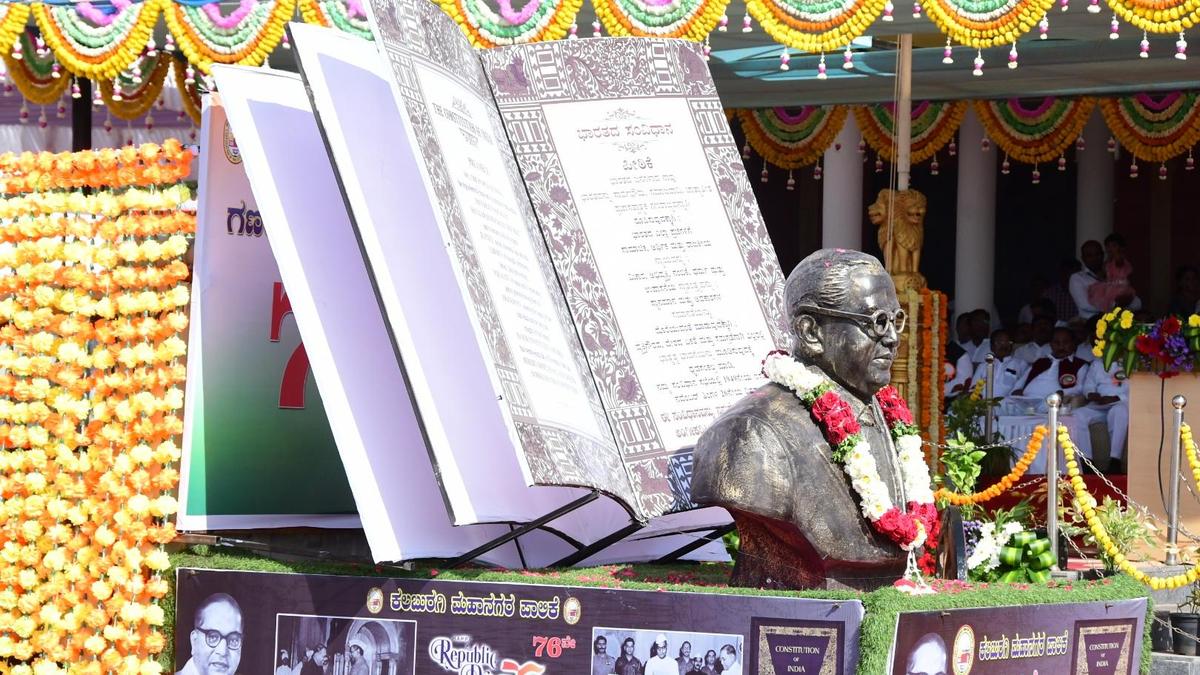
On April 27, 1945, Dr. B.R. Ambedkar, the chief architect of the Indian Constitution, reportedly halted at Wadi railway station in Karnataka while traveling from Mumbai to Hyderabad. During this stop, he interacted with local residents, and photographs and other historical evidence of the visit are said to exist. This event has now become the focal point of a demand to rename Wadi railway station after Ambedkar, a proposal raised during the Karnataka winter session. The demand, while rooted in historical recognition, carries significant implications for technology, finance, and innovation in the region.
The call to rename the station comes amid broader efforts to honor Ambedkar's legacy and promote social justice. Wadi, a town in Kalaburagi district, is a major railway junction under the South Central Railway zone, handling significant freight and passenger traffic. The renaming proposal, if approved, would involve administrative and infrastructural changes, including signage, digital systems, and branding updates. Initial reactions from local businesses and tech stakeholders suggest a mix of enthusiasm for heritage tourism and concerns over logistical costs.
Market analysts note that railway station renamings in India have historically been accompanied by investments in station modernization. For instance, the renaming of stations often coincides with upgrades under the Amrit Bharat Station Scheme, which aims to modernize 1,275 stations with amenities like Wi-Fi, digital displays, and improved accessibility. Wadi station, given its strategic location, could see similar upgrades, potentially attracting tech vendors and infrastructure firms.
The timeline for the renaming process is yet to be formalized, but it typically involves proposals from state governments, approvals from the Ministry of Railways, and subsequent implementation. The demand has been raised during the Karnataka winter session, indicating political momentum. However, the focus here is on the technological and financial architecture that such a change could trigger, from smart station initiatives to heritage-based digital platforms.
Section 2: Deep Technical & Financial Architecture
The renaming of a railway station is not merely a symbolic act; it entails a comprehensive overhaul of technical and financial systems. At the core, Indian Railways' IT infrastructure includes passenger reservation systems (PRS), real-time train tracking, and station management systems. Renaming requires updating databases, APIs, and user interfaces across these platforms. For Wadi station, this could involve integration with the National Train Enquiry System (NTES) and the Indian Railways Catering and Tourism Corporation (IRCTC) booking engines. The cost of such updates is estimated to be in the range of ₹5-10 crore, depending on the scale of digital assets.
Financially, the renaming could be bundled with station redevelopment projects under public-private partnerships (PPP). The Indian Railways has been leveraging PPP models to upgrade stations, with investments from private players in exchange for advertising and commercial rights. Wadi station, with its historical significance, could attract heritage-focused funds. A detailed financial model might include revenue from increased tourism, advertising, and retail spaces. For instance, the redeveloped station could feature a digital museum dedicated to Ambedkar's visit, using augmented reality (AR) to recreate the 1945 event, developed in collaboration with tech startups.
The technology stack for a smart heritage station would include IoT sensors for crowd management, AI-based surveillance, and blockchain for secure ticketing. These systems require robust cybersecurity measures and data privacy compliance. The unit economics of such upgrades hinge on passenger footfall and commercial viability. Wadi station currently handles approximately 50,000 passengers daily; an increase of 10-15% due to heritage tourism could justify the investment. The payback period for tech investments is projected at 5-7 years, with IRR of around 12-15%.
Furthermore, the renaming could spur local economic development, with tech parks and innovation hubs emerging around the station. The Karnataka government's IT policy already supports such clusters, and Wadi's proximity to Hyderabad—a major tech hub—makes it a viable candidate. Financial incentives, such as tax breaks for tech companies setting up operations in the area, could be part of the broader development plan. The table below summarizes potential investment areas and estimated costs:
- Digital Signage and Wayfinding: ₹2 crore
- AR/VR Heritage Experience: ₹5 crore
- IoT and Smart Lighting: ₹3 crore
- Cybersecurity Infrastructure: ₹1 crore
- Total Estimated Tech Investment: ₹11 crore
Section 3: Industry & Global Market Ripple Effects
The renaming of Wadi station could have ripple effects across the Indian railway technology ecosystem. Companies specializing in station modernization, such as those involved in the Amrit Bharat Station Scheme, may see increased demand for their services. Firms like Siemens, Alstom, and local players like Medha Servo Drives could benefit from contracts for signaling, telecommunications, and passenger amenities. The heritage angle might also attract global tech firms interested in cultural preservation, such as Google Arts & Culture, which has partnered with Indian Railways for digital archiving projects.
In the broader market, the move aligns with the growing trend of 'heritage tech'—using technology to preserve and promote cultural heritage. Startups in this space, such as those developing virtual tours and digital museums, could find new opportunities. Investors are increasingly looking at ESG (Environmental, Social, and Governance) factors, and heritage preservation scores well on social metrics. Venture capital firms focused on social impact might show interest in funding related projects. The global heritage tourism market is projected to grow at a CAGR of 5.8% from 2023 to 2030, and India's share could increase with such initiatives.
Supply chains for railway equipment and digital systems could experience minor disruptions as vendors adapt to new branding requirements. However, the overall impact is likely positive, with increased orders for customized solutions. The renaming also signals a commitment to inclusive growth, which could enhance India's image among international investors. Multilateral agencies like the World Bank, which funds railway modernization projects, might view this favorably, potentially unlocking additional financing.
Comparatively, other countries have successfully leveraged heritage railways for economic gain. The UK's Bluebell Railway and Japan's SL Yamaguchi line are examples where heritage status has boosted tourism and local economies. Wadi could emulate these models, integrating technology to enhance visitor experiences. The ripple effects extend to adjacent sectors like hospitality, where tech-enabled hotels and homestays could emerge, further driving demand for digital infrastructure.
Section 4: Critical Perspectives, Analyst Debates & Risk Factors
While the renaming proposal has garnered support, critics argue that the focus on symbolic changes detracts from more pressing issues like safety and service quality. Analysts point out that Indian Railways faces challenges in funding maintenance and upgrades, and renaming could divert resources. The estimated ₹11 crore tech investment, while modest, could be contentious if not linked to tangible benefits. Some experts suggest that the funds could be better utilized for improving existing digital infrastructure across the network.
There are also concerns about the authenticity of the historical evidence. While photographs and records are said to exist, historians urge verification to ensure accuracy. The risk of politicizing history is real, and stakeholders must tread carefully to maintain public trust. From a technological standpoint, the integration of new systems with legacy infrastructure poses compatibility issues. The Indian Railways' IT systems are often outdated, and retrofitting them for heritage applications could be complex and time-consuming.
Regulatory friction is another factor. Renaming requires approvals from multiple agencies, including the Ministry of Railways and state governments. The process can be slow, and any delays could impact project timelines. Additionally, data privacy regulations (such as the Digital Personal Data Protection Act) must be adhered to when implementing surveillance and IoT systems. Compliance costs could add to the financial burden.
Despite these risks, proponents argue that the intangible benefits—such as social cohesion and cultural pride—outweigh the costs. They cite examples of successful heritage projects that have revitalized local economies. The debate underscores the need for a balanced approach, where technology serves as an enabler rather than an end in itself.
Section 5: Strategic Forecast & Road Ahead
Over the next 12-24 months, we expect the renaming demand to gain traction, potentially leading to a formal proposal. The Karnataka government may commission a feasibility study to assess the historical significance and economic impact. If approved, the implementation could be phased, starting with digital branding and signage, followed by larger tech upgrades. The project could serve as a pilot for heritage-based station modernization, with learnings applied to other sites.
Key milestones to watch include the Ministry of Railways' response, the allocation of funds in the next railway budget, and partnerships with tech providers. The involvement of the private sector through CSR initiatives or PPPs will be crucial. We also anticipate the development of a digital repository of Ambedkar's visit, possibly using blockchain for provenance and accessibility. This could set a precedent for other historical figures and events.
From a technology perspective, the integration of AI for predictive maintenance and passenger flow management could be part of the upgrade. The station could become a testbed for 5G-enabled services, given the government's push for 5G rollout. Startups in the AR/VR space might collaborate with Indian Railways to create immersive experiences, attracting younger demographics.
looking ahead, the demand to rename Wadi railway station after Dr. Ambedkar is more than a symbolic gesture; it represents an opportunity to blend heritage with innovation. By leveraging technology and finance strategically, stakeholders can create a model that honors history while driving economic growth. As the story unfolds, Incisor News will continue to monitor developments, providing in-depth analysis on the intersection of technology, finance, and society.



Comments (0)
No comments yet. Be the first to share your thoughts!
Leave a Comment