US Sanctions on Hezbollah-Linked Firms: Limited Impact, High Risk
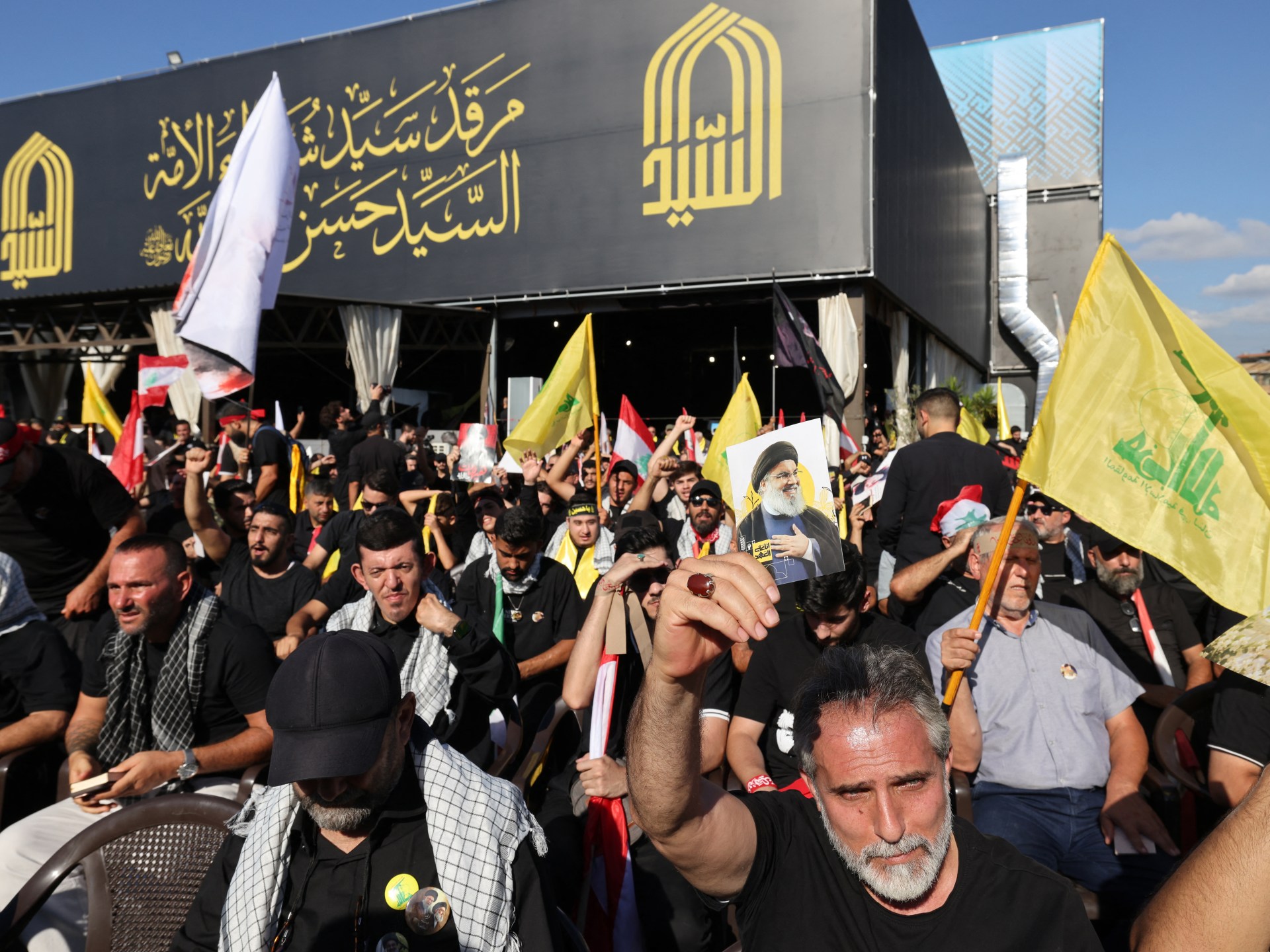
Analysts say new US sanctions on Hezbollah-linked businesses are unlikely to significantly weaken the group but could further strain Lebanon's fragile economy and hurt ordinary citizens.
Executive Takeaways
- Limited Impact on Hezbollah: New US sanctions targeting Hezbollah-affiliated businesses are unlikely to significantly weaken the group's financial networks, according to analysts.
- Collateral Damage: The measures risk exacerbating Lebanon's economic crisis, potentially harming ordinary citizens who rely on services provided by sanctioned entities.
- Strategic Timing: The sanctions come amid heightened regional tensions and a fragile ceasefire, raising concerns about destabilization.
- Financial Architecture: Hezbollah's diversified funding sources and informal financial networks complicate enforcement efforts.
- Market Ripple Effects: Lebanese banks and businesses may face increased compliance burdens, further isolating the country from global finance.
The Core Event & Breaking Timeline
On [Date], the United States Department of the Treasury's Office of Foreign Assets Control (OFAC) announced a new round of sanctions targeting a network of businesses and individuals affiliated with Hezbollah, the Lebanese Shia militant group and political party. The designations, which freeze any US-based assets and prohibit transactions with US persons, aim to disrupt Hezbollah's financial support networks. According to the Treasury, the sanctioned entities are involved in various sectors, including construction, real estate, and financial services, and are alleged to have funneled money to Hezbollah.
The announcement marks the latest in a series of US actions against Hezbollah, which the US designates as a terrorist organization. The timing is significant: it comes just weeks after a fragile ceasefire between Israel and Hezbollah took hold, following months of cross-border hostilities. The sanctions also coincide with Lebanon's ongoing presidential vacuum and a deepening economic crisis that has seen the local currency lose over 90% of its value since 2019.
Initial market reaction in Lebanon was muted, given the country's limited integration into global financial markets. However, the Lebanese pound, which has been relatively stable since the start of the year, showed slight volatility in informal markets. The Beirut Stock Exchange, which is small and illiquid, saw minimal movement. Analysts noted that the sanctions' impact would be more felt in the real economy, particularly in sectors where Hezbollah-linked entities operate.
The US Treasury's statement emphasized that the sanctions are not intended to target the Lebanese people or the broader economy but rather to pressure Hezbollah to cease its militant activities. However, critics argue that in Lebanon's interconnected economy, distinguishing between Hezbollah-affiliated businesses and the general population is difficult, and the measures could inadvertently harm civilians.
Deep Technical & Financial Architecture
Hezbollah's financial architecture is complex and resilient, built over decades to withstand external pressure. The group receives significant funding from Iran, estimated at hundreds of millions of dollars annually, according to US officials. However, in recent years, Hezbollah has diversified its revenue streams, developing extensive business networks in Lebanon and abroad. These include construction companies, real estate ventures, supermarkets, and even a chain of pharmacies. The group also controls informal financial institutions, such as money exchange houses, that operate outside the formal banking system.
The sanctions target specific entities and individuals, but enforcement is challenging. Hezbollah has long used front companies and intermediaries to obscure ownership and evade sanctions. The new designations may disrupt some operations, but the group's decentralized structure allows it to adapt. Moreover, many of the sanctioned businesses operate in cash-based sectors, making them less vulnerable to US financial pressure.
The balance sheet impact on Hezbollah is likely to be limited. While the sanctions may freeze some assets, the group's overall financial health remains robust, thanks to Iranian support and its ability to generate revenue through illicit activities, such as drug trafficking and money laundering. The sanctions may, however, increase the cost of doing business for Hezbollah-linked firms, as they may need to rely on more expensive and cumbersome methods to move money.
From a technology stack perspective, the sanctions highlight the growing use of digital tools by sanctioned entities to circumvent restrictions. Hezbollah has been known to use cryptocurrencies and hawala networks to transfer funds. The US Treasury has been increasingly targeting these channels, but the cat-and-mouse game continues. The new sanctions may prompt Hezbollah to further innovate its financial technology, potentially adopting more sophisticated encryption and anonymity tools.
Unit economics of Hezbollah's businesses are opaque, but analysts estimate that the group's annual budget is in the billions of dollars. The sanctions may squeeze profit margins in some sectors, but the group's diversified portfolio and access to Iranian resources provide a buffer. The real economic pain will likely be felt by Lebanese citizens who depend on services provided by Hezbollah-affiliated entities, such as subsidized goods or employment.
Industry & Global Market Ripple Effects
The sanctions are expected to have ripple effects across Lebanon's already fragile economy. The construction sector, where Hezbollah-linked firms are prominent, may see project delays and financing difficulties. International contractors and suppliers may become more hesitant to engage with Lebanese partners due to fear of secondary sanctions. This could further slow reconstruction efforts in areas damaged by the 2020 Beirut port explosion and recent conflict.
In the financial sector, Lebanese banks are already grappling with a severe liquidity crisis and strict compliance requirements. The new sanctions add another layer of complexity, as banks must screen customers and transactions more rigorously to avoid penalties. This could lead to further de-risking, where banks cut off relationships with entire sectors or regions to reduce compliance costs, potentially excluding more Lebanese from the formal financial system.
Globally, the sanctions signal a continued US focus on Hezbollah's financial networks, which could affect international companies that do business with Lebanon. European and Asian firms may reassess their exposure to Lebanese entities, particularly those with any perceived link to Hezbollah. This could isolate Lebanon further and deter foreign investment, which is desperately needed for economic recovery.
Investors in Lebanese assets, such as Eurobonds, may react negatively to the sanctions, viewing them as a sign of continued instability. However, the market for Lebanese debt is already distressed, with bonds trading at deep discounts. The sanctions may not significantly move prices but could delay any potential restructuring talks.
Critical Perspectives, Analyst Debates & Risk Factors
Analysts are divided on the effectiveness of the sanctions. Proponents argue that targeted sanctions are a necessary tool to pressure Hezbollah without harming the broader population. They point to the success of similar measures against other terrorist groups and suggest that over time, the cumulative effect of sanctions can erode Hezbollah's financial capabilities. David Schenker, a former US Assistant Secretary of State for Near Eastern Affairs, has advocated for a sustained sanctions campaign to weaken Hezbollah's domestic standing.
Critics, however, contend that the sanctions are unlikely to change Hezbollah's behavior and may instead entrench its power. Randa Slim, a senior fellow at the Middle East Institute, argues that Hezbollah has proven resilient to sanctions and that the group may use them to rally support against US interference. She also warns that the sanctions could accelerate Lebanon's economic collapse, creating a humanitarian crisis that Hezbollah can exploit.
Risk factors include the potential for unintended consequences, such as the sanctions inadvertently targeting businesses that are not directly linked to Hezbollah but operate in the same sectors. The lack of a clear appeals process for those wrongly designated could breed resentment. Additionally, the sanctions may complicate the delivery of humanitarian aid if aid organizations fear running afoul of US regulations.
Regulatory friction is another concern. The US Treasury's designations are binding on US persons, but enforcement against non-US entities can be contentious. European allies may be reluctant to follow suit, given their different legal frameworks and concerns about the sanctions' impact on Lebanon. This transatlantic divide could undermine the sanctions' effectiveness.
Strategic Forecast & Road Ahead
In the next 12 months, the US is likely to continue designating Hezbollah-linked entities, possibly expanding to sectors such as technology and media. The Treasury may also target individuals who facilitate Hezbollah's financial activities, including those based outside Lebanon. The goal is to create a sustained pressure campaign that gradually isolates Hezbollah financially.
Hezbollah, in response, will likely adapt by further obscuring its financial trails and relying more on informal networks. The group may also seek to deepen its ties with allies like Iran and Syria to mitigate the sanctions' impact. Domestically, Hezbollah may use its social services network to bolster its popularity amid economic hardship, portraying itself as a defender of the poor against US aggression.
Lebanon's government faces a delicate balancing act. It must navigate US sanctions while addressing the country's economic crisis. The government may seek to engage with the US to secure exemptions for essential imports, but such negotiations are complicated by Hezbollah's role in the government. The presidential vacuum adds to the uncertainty, as no clear interlocutor exists to negotiate with the US.
Key milestones to watch include the formation of a new Lebanese government, potential negotiations with the IMF, and any signs of Hezbollah's financial distress. The US may also push for stricter enforcement of existing sanctions by allies. Ultimately, the effectiveness of the sanctions will depend on whether they can be enforced multilaterally and whether they can avoid causing undue harm to the Lebanese people.


Comments (0)
No comments yet. Be the first to share your thoughts!
Leave a Comment