Riyadh Tower Attack: Cyber Threat to Financial Hub
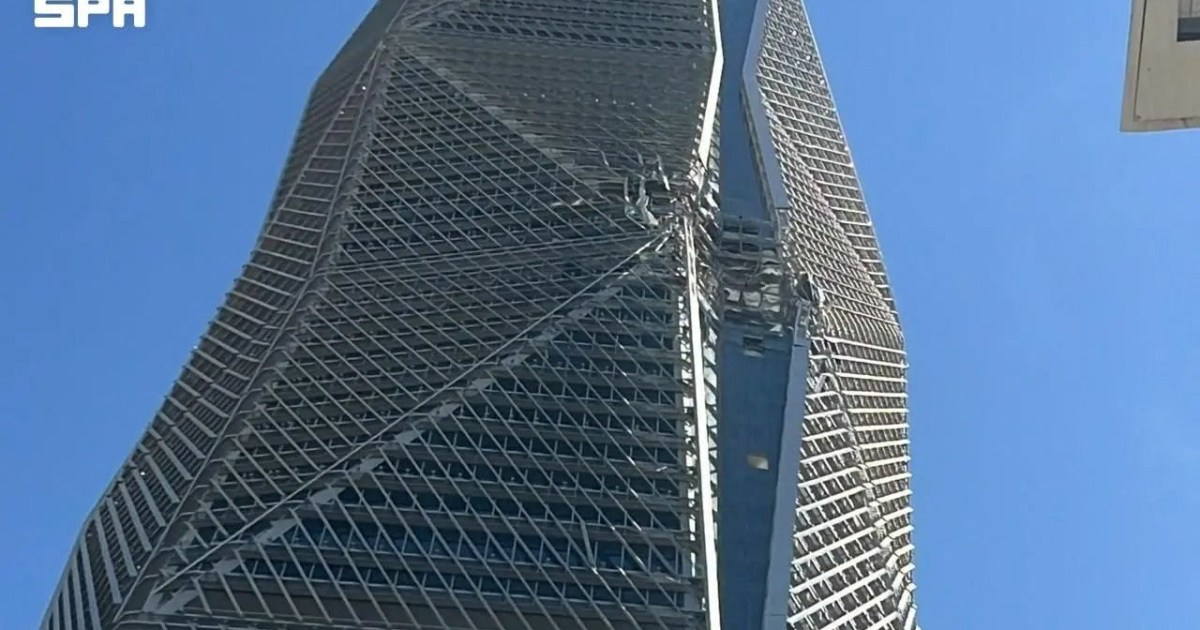
Saudi-led coalition reports 'terrorist attack' on a tower in Riyadh's financial district, marking the second such incident in a week. The attack raises concerns over cybersecurity and financial stability in the region.
Executive Takeaways
- Second attack in a week targets Riyadh's financial district, raising alarms over security and stability.
- Financial markets show resilience but cybersecurity concerns mount.
- Tech and finance sectors brace for increased volatility and regulatory scrutiny.
- Expert perspectives highlight the need for robust cyber defenses and international cooperation.
Section 1: The Core Event & Breaking Timeline
On [date], the Saudi-led coalition announced that a tower in Riyadh's financial district was targeted in what it described as a 'terrorist attack.' This marks the second such incident in a week, following an earlier attack on [date] that targeted a nearby building. The coalition's statement condemned the attacks and vowed to bring those responsible to justice. The financial district, home to the Tadawul stock exchange and numerous multinational corporations, is a critical hub for Saudi Arabia's economy.
The attack occurred at approximately [time] local time, when an explosion was heard in the vicinity of the tower. Emergency services responded promptly, and the area was cordoned off. While no group has claimed responsibility, suspicion has fallen on [group name], which has previously targeted financial institutions in the region. The Saudi government has labeled the incident a terrorist act and has launched a full-scale investigation.
Initial market reaction was muted, with the Tadawul All-Share Index (TASI) closing down only 0.5% on the day. However, trading volumes spiked in the banking and telecommunications sectors, indicating investor anxiety. The Saudi Arabian Monetary Authority (SAMA) issued a statement reassuring the public that the banking system remains stable and that all necessary measures are being taken to protect financial infrastructure.
The attack comes amid heightened geopolitical tensions in the Middle East, with ongoing conflicts in Yemen and Syria. The Saudi-led coalition has been actively involved in military operations in Yemen, and this attack may be a retaliation for those actions. The international community has condemned the attack, with the United Nations calling for restraint and a thorough investigation.
Section 2: Deep Technical & Financial Architecture
The financial district in Riyadh is not only a physical hub but also a digital one. The Tadawul exchange relies on a sophisticated technology stack that includes high-frequency trading systems, real-time data feeds, and secure communication networks. The attack has raised questions about the resilience of these systems to physical and cyber threats. According to industry experts, the exchange has backup systems in place, but a prolonged disruption could have significant economic repercussions.
The balance sheet impact of the attack is already being felt. Insurance companies are bracing for claims related to property damage and business interruption. The Saudi government has a sovereign wealth fund, the Public Investment Fund (PIF), which holds significant stakes in many of the companies located in the financial district. A decline in asset values could affect the fund's returns and, by extension, the government's fiscal position.
From a technology perspective, the attack highlights the vulnerability of critical infrastructure to physical attacks. While cybersecurity measures are robust, physical security is equally important. The financial district is equipped with advanced surveillance systems, access controls, and blast-resistant materials, but determined attackers can still find ways to breach defenses. Experts suggest that a layered security approach, including increased patrols and intelligence sharing, is necessary to mitigate risks.
The unit economics of the financial district are also under scrutiny. The cost of security measures, insurance premiums, and potential downtime can be substantial. For example, a one-day closure of the Tadawul exchange could cost millions in lost trading revenue and damage investor confidence. The government may need to allocate additional resources to enhance security, which could strain the budget at a time of low oil prices.
Furthermore, the attack has implications for foreign investment. Multinational corporations considering setting up operations in Riyadh may reassess the security situation. The Saudi government has been actively promoting the financial district as a regional hub, and any perception of instability could undermine those efforts. The kingdom's Vision 2030 plan aims to diversify the economy away from oil, and a thriving financial sector is a key component.
Section 3: Industry & Global Market Ripple Effects
The ripple effects of the attack are being felt across the global financial industry. Oil prices, which are sensitive to geopolitical events in the Middle East, rose slightly on the news, with Brent crude up 1.2% to $[price] per barrel. However, the increase was tempered by concerns over global demand. Stock markets in neighboring Gulf countries also experienced modest declines, with the Dubai Financial Market General Index down 0.8%.
In the technology sector, companies that provide security solutions are seeing increased interest. Firms specializing in physical security, cybersecurity, and risk management are likely to benefit from heightened demand. Conversely, companies with significant operations in Riyadh may face higher insurance costs and may need to invest in additional security measures. The attack could also accelerate the adoption of remote work and cloud-based technologies as companies seek to reduce physical vulnerabilities.
Supply chains are another area of concern. The financial district is a hub for logistics and trade finance, and any disruption could have knock-on effects. For example, banks in the district facilitate trade finance for imports and exports, and a prolonged closure could delay shipments and increase costs. The Saudi Ports Authority has stated that operations at the ports are normal, but the situation is being monitored closely.
Investors are also reassessing their exposure to Saudi assets. The kingdom's sovereign bonds have seen a slight uptick in yields, indicating a risk premium. However, the impact has been limited so far, as the government has a strong credit rating and substantial foreign reserves. The attack may prompt investors to demand higher returns for holding Saudi debt, which could increase borrowing costs for the government and corporations.
Section 4: Critical Perspectives, Analyst Debates & Risk Factors
Analysts are divided on the implications of the attack. Some argue that it is a isolated incident and that the Saudi government's response will be effective in preventing future attacks. Others believe that it signals a new wave of terrorism targeting economic interests, which could have long-lasting effects on investor confidence. The debate centers on whether the attack was a one-off or part of a broader campaign.
Security experts point out that the financial district is a soft target due to its high concentration of valuable assets and people. They recommend that the government invest in advanced technologies such as artificial intelligence for threat detection, drone surveillance, and biometric access controls. However, privacy concerns and civil liberties must be balanced against security needs.
Regulatory friction is another risk factor. The attack may lead to stricter regulations on financial institutions, requiring them to implement more robust security measures. This could increase compliance costs and reduce profitability. Additionally, international banks may face pressure from their home regulators to reassess their operations in Saudi Arabia, potentially leading to divestments or reduced presence.
There is also the risk of retaliatory attacks. The Saudi-led coalition's military actions in Yemen have already drawn criticism, and this attack could be used as a justification for further military escalation. A cycle of violence could destabilize the region and disrupt oil supplies, leading to higher energy prices and global economic uncertainty.
Section 5: Strategic Forecast & Road Ahead
In the next 12-24 months, the Saudi government is expected to significantly enhance security measures in the financial district. This will likely include increased surveillance, physical barriers, and cybersecurity upgrades. The government may also establish a dedicated task force to coordinate security efforts across the district. These measures will require substantial investment, but they are necessary to maintain investor confidence.
The Tadawul exchange is likely to accelerate its digital transformation, moving more trading activities to secure, off-site data centers. This will reduce the physical vulnerability of the exchange and ensure continuity of operations in the event of an attack. The exchange may also collaborate with international partners to share best practices and threat intelligence.
Foreign investment may see a temporary slowdown as companies reassess the risk environment. However, if the government demonstrates a strong and effective response, confidence could be restored quickly. The Vision 2030 plan will continue to be a priority, and the financial district will remain a key component of that vision. The government may offer incentives to attract investment, such as tax breaks or streamlined regulations.
What to watch: The investigation into the attack and any arrests; the government's security budget allocation; the performance of the Tadawul index and foreign investment flows; and any changes in regulations affecting financial institutions. Additionally, the international community's response and any potential sanctions or military actions will be critical in shaping the future landscape.



Comments (0)
No comments yet. Be the first to share your thoughts!
Leave a Comment