KPSC Exam Scam: ED Chargesheet Exposes ₹3.5 Crore Leak Economy
The ED has filed a chargesheet against four accused in the KPSC question paper leak scam, alleging a ₹3.5 crore demand of which ₹1.82 crore was collected, built on candidate statements and OMR sheet forensics.
Executive Takeaways
- The Enforcement Directorate has filed a chargesheet against four accused in the Karnataka Public Service Commission (KPSC) question paper leak scam, alleging an extortion demand of ₹3.5 crore of which ₹1.82 crore was actually collected.
- The prosecution case rests on two evidentiary pillars: recorded statements from candidates and forensic analysis of OMR answer sheets, a data-driven approach that mirrors financial-crime investigations.
- The gap between the ₹3.5 crore demanded and ₹1.82 crore collected — roughly 52% — is itself an investigative signal, suggesting a partially executed scheme rather than a fully realized one.
- The case sits at the intersection of public-institution integrity, exam-technology security, and financial-crime enforcement, with implications for how India secures high-stakes recruitment pipelines.
- Watch for the money trail: asset attachments, bank-account forensics, and whether the OMR methodology becomes a template for future exam-fraud prosecutions.
Section 1: The Core Event & Breaking Timeline
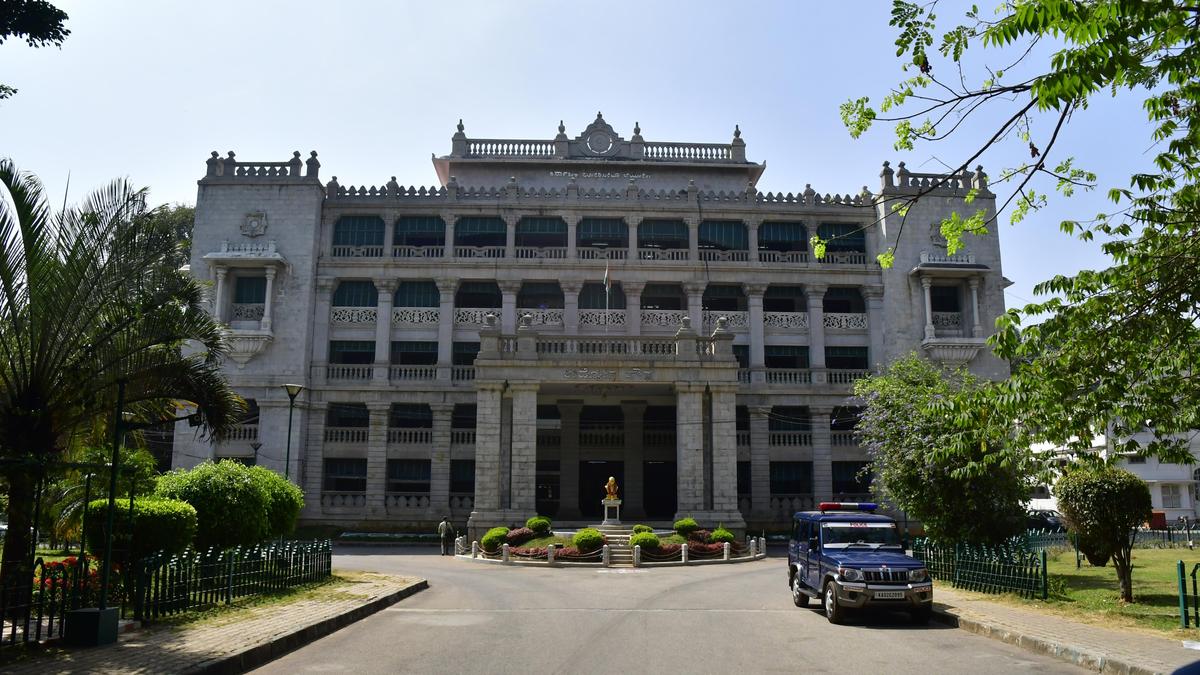
The Enforcement Directorate has moved from investigation to prosecution in one of Karnataka's most closely watched examination-integrity cases, filing a chargesheet against four individuals accused of orchestrating a question paper and answer key leak for the Karnataka Public Service Commission (KPSC). According to the agency's account, the accused demanded ₹3.5 crore from aspirants in exchange for advance access to examination material, but ultimately managed to collect approximately ₹1.82 crore. The chargesheet, reported by The Hindu, marks a formal escalation in a case that has unsettled public confidence in one of the state's principal recruitment institutions.
The timeline matters. The case moved from allegation to formal chargesheet only after investigators assembled two distinct evidentiary streams: statements recorded from candidates who allegedly participated in or were solicited by the scheme, and forensic analysis of OMR (Optical Mark Recognition) answer sheets. The OMR analysis is the more technically interesting leg — it allows investigators to test whether answer patterns deviate statistically from what random or independently-prepared candidates would produce. In effect, the agency is treating exam answer sheets the way financial investigators treat transaction ledgers: as structured data that can betray coordination.
The financial framing is equally significant. The ₹3.5 crore demand versus ₹1.82 crore collected implies a scheme that was priced ambitiously but executed partially. Investigators typically treat such gaps as evidence of a staged operation — perhaps a leak that was sold to a limited pool of candidates, or a scheme interrupted before full monetization. The chargesheet's reliance on candidate statements suggests the agency has secured cooperating witnesses, a common and often decisive tactic in white-collar and organized-fraud prosecutions where documentary evidence alone is insufficient.
Initial reaction across the recruitment-preparation ecosystem has been one of grim familiarity rather than shock. Coaching hubs and aspirant communities have long flagged vulnerabilities in high-stakes public examinations, and the KPSC matter has become a reference case for those arguing that paper-based and hybrid examination systems remain exposed to insider leakage. For the Enforcement Directorate, the filing is a procedural milestone; for the commission and the state's recruitment machinery, it is a reputational stress test that will be measured in public trust, not just courtroom outcomes.
Section 2: Deep Technical & Financial Architecture
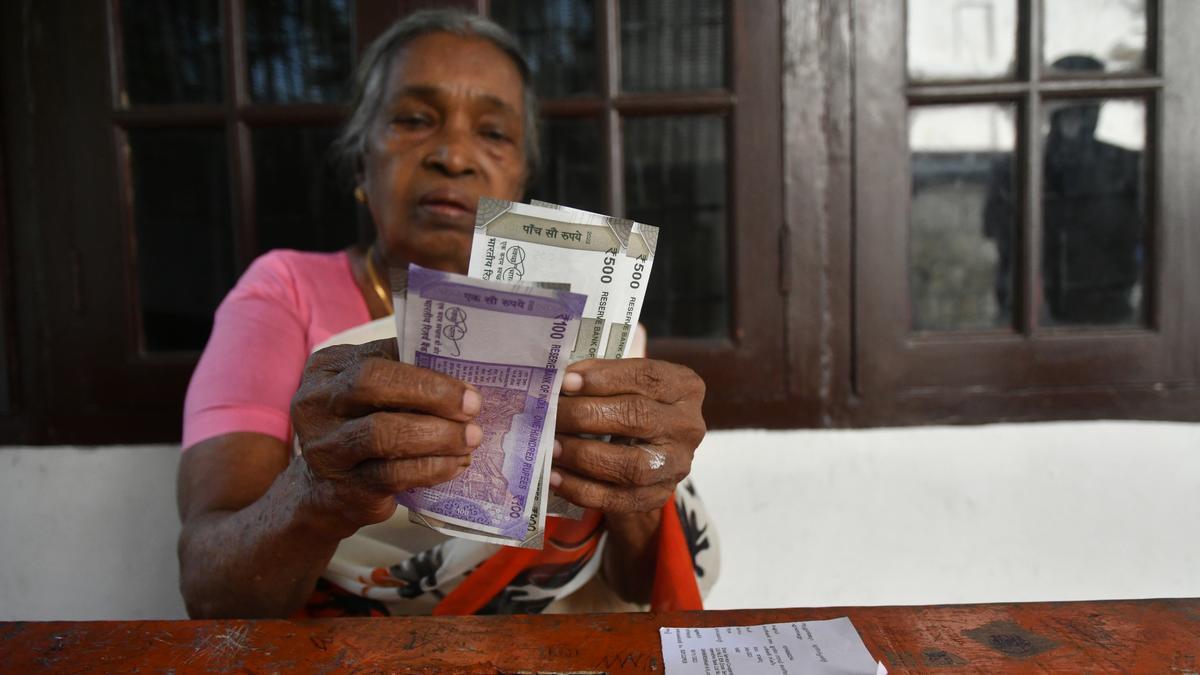
The mechanics of the alleged scheme follow a recognizable pattern in examination fraud: access to question papers or answer keys is the scarce asset, and candidates are the buyers. What distinguishes this case is the pricing structure. A ₹3.5 crore aggregate demand implies a tiered or package-based offering — likely segmented by post, examination stage, or candidate profile. The ₹1.82 crore actually collected suggests either partial uptake or partial delivery. Investigators will be examining whether payments were structured in installments, routed through intermediaries, or held in escrow-like arrangements pending examination outcomes.
The OMR sheet analysis deserves close attention as an investigative technology. OMR sheets are machine-readable by design, producing structured data on answer selection, erasure patterns, timing artifacts, and sequence anomalies. Forensic exam-integrity analysts compare response strings across candidates to detect improbable similarity — identical wrong answers, identical unusual answer sequences, or synchronized patterns that exceed statistical chance. In this case, the agency's reliance on OMR analysis indicates it has built a quantitative bridge between the alleged leak and actual candidate behavior, converting answer sheets into corroborating evidence.
From a financial-crime standpoint, the case requires tracing the ₹1.82 crore. Enforcement Directorate investigations typically map bank accounts, UPI and digital payment trails, cash movements, and asset acquisitions by the accused. The chargesheet's financial allegations will need to be supported by transaction records, and the gap between demand and collection will be scrutinized for evidence of additional undisclosed flows. The unit economics of exam fraud — high per-candidate pricing, low marginal delivery cost once a leak exists, and significant detection risk — make it an attractive but fragile illicit market.
The technology stack underpinning public examinations is also implicated. Paper-based examinations rely on secure printing, sealed transport, and controlled storage — each a potential leak point. Hybrid systems that use OMR answer sheets add a data layer that can be both exploited and audited. The KPSC case illustrates a broader truth: the more data an examination system generates, the more forensic surface it creates for investigators. OMR sheets, originally designed for efficient grading, have become an audit trail.
Finally, the evidentiary architecture of the chargesheet — candidate statements plus OMR forensics — reflects a maturing approach to exam-fraud prosecution in India. Rather than relying solely on seized material or confessions, investigators are combining human intelligence with data analytics. That combination is more resource-intensive but far more resilient in court, and it signals that exam-integrity cases are being treated with the same rigor as financial fraud.
Section 3: Industry & Global Market Ripple Effects
The immediate ripple effects are felt across India's examination and recruitment ecosystem. KPSC is a high-volume recruiter for state government posts, and any credible allegation of leakage affects aspirant behavior — application volumes, coaching demand, and willingness to pay for preparation. Coaching institutes and test-prep platforms may see shifts in demand as candidates seek additional verification and mock-test rigor, while trust in official examination processes becomes a marketing differentiator.
Globally, examination security is a recognized market. Secure printing, digital assessment platforms, biometric candidate verification, and AI-based anomaly detection are established segments, and cases like the KPSC scam strengthen the business case for technology-led integrity solutions. Vendors offering OMR analytics, candidate identity verification, and exam-center surveillance have a clear narrative: leakage is detectable, and detection is increasingly data-driven. The case may accelerate procurement of such systems by public recruitment bodies.
Supply-chain implications extend to the printing and logistics of examination material. Secure examination printing involves controlled facilities, chain-of-custody documentation, and tamper-evident packaging. Each link is a potential vulnerability, and investigations that trace leaks back to specific custody points tend to trigger reforms in procurement and vendor management. Expect scrutiny of how question papers move from design to distribution, and whether digital transmission can replace physical transport for sensitive material.
For investors and ecosystem watchers, the case is a reminder that public-sector digitization is not merely an efficiency story but a risk-management story. Ed-tech and gov-tech companies that can demonstrate tamper-resistant assessment infrastructure may find a growing addressable market. Conversely, institutions implicated in leaks face remediation costs, reputational damage, and potential litigation. The broader signal is that integrity is becoming a purchasable technology category, and the KPSC case is likely to be cited in procurement discussions for years.
Section 4: Critical Perspectives, Analyst Debates & Risk Factors
The strongest defense-side argument will likely center on the reliability of candidate statements. Cooperating witnesses in fraud cases can have incentives to implicate others, and statements recorded during investigation must withstand cross-examination. The prosecution's case will be strengthened or weakened by how well those statements are corroborated by independent evidence — bank records, communication logs, and the OMR analysis. Analysts will watch whether the OMR findings are statistically robust or merely suggestive.
There is also a methodological debate about OMR forensics. Similarity analysis can produce false positives, particularly in examinations with constrained answer distributions or widely shared coaching material. A rigorous defense would challenge the statistical thresholds used, the handling of the OMR sheets, and whether the analysis controlled for legitimate sources of answer convergence. The credibility of the forensic methodology may become a central courtroom battleground.
Regulatory and institutional friction is another risk factor. Public recruitment commissions operate under state rules, and coordination between the Enforcement Directorate and state authorities can raise jurisdictional and procedural questions. Delays in trial, appeals, and evidentiary challenges are common in high-profile fraud cases. The gap between the ₹3.5 crore demand and ₹1.82 crore collection may also be contested — the defense could argue the demand figure is inflated or based on unreliable testimony.
Finally, there is the systemic risk of overcorrection. Aggressive prosecution of exam fraud is necessary, but if investigations rely too heavily on broad candidate statements or algorithmic similarity flags, they risk chilling legitimate aspirant behavior and eroding confidence in the very institutions they aim to protect. The balance between deterrence and due process will define how this case is remembered.
Section 5: Strategic Forecast & Road Ahead
Over the next 12 months, the case will move through trial preparation, with the prosecution expected to formalize its evidence on financial trails and OMR analysis. Asset attachment proceedings may follow if the agency identifies proceeds of the alleged scheme. Watch for supplementary chargesheets or additional accused as the money trail is mapped further.
In the 12–24 month horizon, the KPSC matter is likely to influence examination-reform debates. Expect proposals for digital question-paper delivery, randomized answer-key release, biometric verification at exam centers, and independent audit of OMR data. Procurement of exam-integrity technology could accelerate, creating opportunities for vendors with credible forensic capabilities.
Key milestones to track include court proceedings on the admissibility of OMR analysis, the outcome of any asset-attachment actions, and whether the commission announces procedural reforms. Each of these will signal how seriously the system is treating the case beyond the courtroom.
The broader lesson is that examination integrity is now a data problem as much as a security problem. The KPSC chargesheet demonstrates that investigators can use the artifacts of the examination system itself — answer sheets, payment trails, candidate testimony — to reconstruct an alleged scheme. Whether that approach holds up in court will determine not just the fate of four accused, but the template for how India prosecutes exam fraud in the years ahead.


Comments (0)
No comments yet. Be the first to share your thoughts!
Leave a Comment