Gold, Silver Price Fall Boosts Retail Sales But Raises Concerns Among Jewellers in Bengaluru
Gold and silver price declines have spurred retail sales in Bengaluru, but jewellers remain divided over the impact on businesses and future price movements, highlighting tensions in the precious metals market.
Executive Takeaways
- Gold and silver prices in Bengaluru have fallen significantly, triggering a surge in retail jewellery sales.
- Jewellers are divided: some celebrate increased footfall and volume, while others worry about margin compression and inventory losses.
- The price decline is linked to global factors including a stronger dollar and shifting Federal Reserve policy expectations.
- Industry experts caution that volatility may persist, urging stakeholders to adopt hedging strategies and focus on value-added products.
- Long-term demand fundamentals remain robust, but short-term uncertainty could reshape business models and consumer behavior.
Section 1: The Core Event & Breaking Timeline
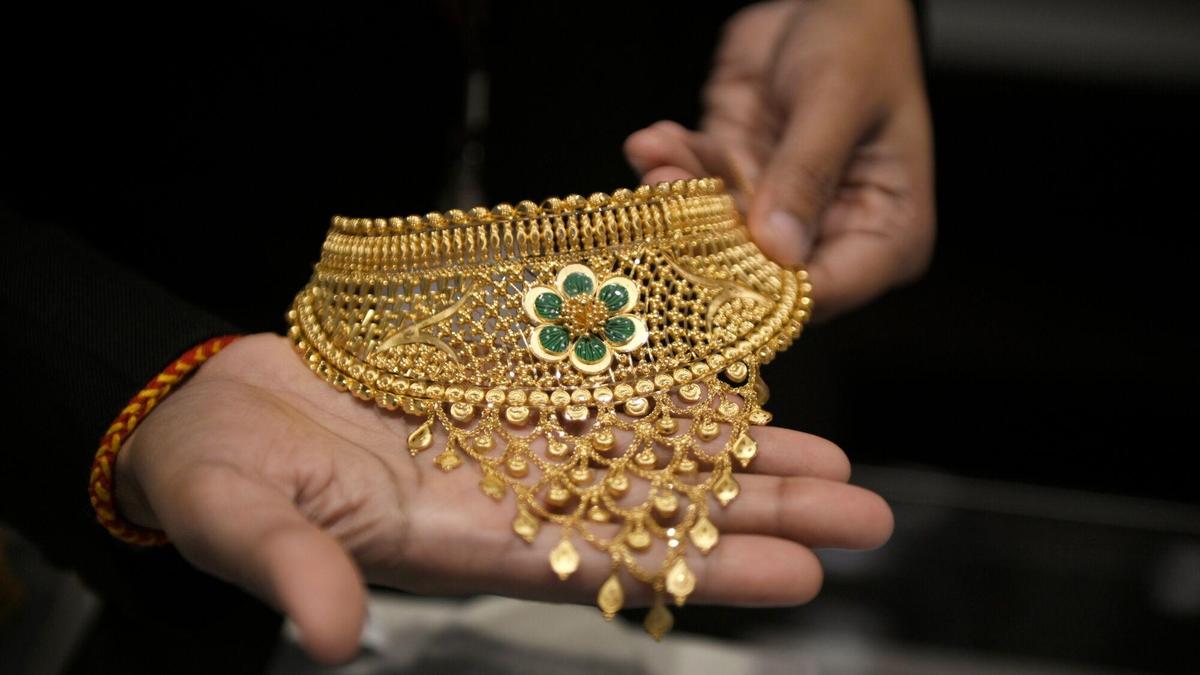
On Tuesday, jewellers across Bengaluru reported a sharp increase in retail sales as gold and silver prices declined for the third consecutive week. The price of 22-carat gold dropped to approximately ₹5,200 per gram, down from ₹5,600 a month ago, while silver fell to ₹68,000 per kilogram from a peak of ₹75,000. The decline, driven by global market dynamics, has prompted consumers to flock to jewellery stores, eager to capitalize on lower prices ahead of the festive and wedding season.
The price correction began in mid-August when the U.S. Federal Reserve signaled a more hawkish stance, strengthening the dollar and pressuring precious metals. Since then, gold has lost nearly 7% of its value, and silver has tumbled over 9%. In Bengaluru, the immediate impact was a spike in foot traffic at major jewellery hubs like Chickpet and Jayanagar. “We have seen a 30-40% increase in walk-ins compared to last month,” said a store manager at a prominent jewellery chain. “Customers who were waiting on the sidelines are now making purchases.”
However, the surge in sales has not been uniformly welcomed. While retailers are enjoying higher volumes, many jewellers are concerned about the sustainability of the trend. The All India Gem and Jewellery Domestic Council (GJC) has noted that while sales have picked up, the sharp price drop has led to inventory devaluation for those who stocked up at higher prices. “It’s a mixed bag,” said a GJC spokesperson. “Retailers who bought gold at elevated levels are now facing losses on their existing stock, even as new sales rise.”
The market reaction has been swift. Shares of listed jewellery companies such as Titan and Kalyan Jewellers have seen modest gains, reflecting investor optimism about volume growth. However, bond yields and gold ETFs have shown outflows, indicating a shift in investor sentiment. The Reserve Bank of India (RBI) has not intervened directly, but its recent monetary policy stance has influenced the rupee-dollar exchange rate, which in turn affects import costs for gold. The coming weeks will be crucial as the market watches for further price movements and consumer response.
Section 2: Deep Technical & Financial Architecture
The price of gold and silver in India is determined by a complex interplay of global and domestic factors. Internationally, gold is priced in U.S. dollars per ounce, and its value is inversely related to the strength of the dollar and real interest rates. When the Federal Reserve hints at tapering asset purchases or raising rates, the dollar appreciates, making gold more expensive for holders of other currencies. Additionally, rising bond yields increase the opportunity cost of holding non-yielding assets like gold, further pressuring prices.
In India, the landed cost of gold is influenced by import duties, which currently stand at 10.75% (including the Agriculture Infrastructure and Development Cess). The RBI’s exchange rate policy also plays a role; a weaker rupee makes imports costlier, partially offsetting the decline in global prices. For silver, industrial demand—particularly from the solar and electronics sectors—adds another layer of complexity. Silver’s dual role as a precious and industrial metal makes it more volatile than gold.
For jewellers, the financial architecture of their business is heavily dependent on inventory management and hedging. Most large jewellers use gold metal loans or futures contracts to hedge their exposure. When prices fall, those who are unhedged suffer inventory losses. Smaller jewellers, who often lack sophisticated hedging mechanisms, are more vulnerable. “The unorganized sector, which constitutes about 60% of the market, is particularly exposed,” noted a financial analyst. “They operate on thin margins and cannot absorb sudden price shocks.”
The unit economics of jewellery retail are also shifting. With gold prices lower, the absolute margin per gram decreases, but higher volumes can compensate. However, making charges—which are a significant revenue component—may come under pressure as consumers become more price-sensitive. “Retailers are offering discounts on making charges to attract customers, which erodes profitability,” said a Bengaluru-based jeweller. “It’s a volume game now.”
Technology is playing an increasing role in how jewellers manage price risk. Many are adopting real-time price monitoring systems and automated hedging platforms. Blockchain-based traceability solutions are also gaining traction, ensuring transparency in sourcing and reducing fraud risks. These technological advancements, while promising, require investment that smaller players may struggle to afford, widening the gap between organized and unorganized sectors.
Section 3: Industry & Global Market Ripple Effects
The decline in gold and silver prices is not isolated to India; it reflects a broader global trend. In the U.S., gold futures have fallen below $1,800 per ounce, while silver is hovering around $23 per ounce. This has been driven by a combination of factors: a stronger dollar, rising Treasury yields, and expectations of tighter monetary policy. The European Central Bank and other major central banks are also moving towards normalization, further dampening the appeal of safe-haven assets.
For India, the world’s second-largest gold consumer, the price drop has significant implications for imports and the trade deficit. Lower prices could stimulate demand, leading to higher import volumes and putting pressure on the current account deficit. However, the government may be wary of a surge in imports, as it seeks to curb the deficit. The jewellery industry, which employs over 5 million people, is a key contributor to the economy, and its health is closely watched.
Globally, major gold mining companies are reassessing their production plans. With prices falling, marginal mines may become unviable, leading to supply cuts. This could eventually support prices, but in the short term, it adds to market uncertainty. In India, the supply chain—from importers to wholesalers to retailers—is adjusting to the new normal. Some wholesalers are holding back stock, anticipating further price declines, while others are liquidating inventory to avoid losses.
The ripple effects extend to related industries. The gems and jewellery export sector, which earned $40 billion last year, could benefit from lower raw material costs, enhancing competitiveness. However, the reverse is true for recycling units, which thrive on high prices. The overall ecosystem is thus experiencing a redistribution of gains and losses, with stakeholders jockeying for position.
Section 4: Critical Perspectives, Analyst Debates & Risk Factors
Industry experts are divided on the implications of the price decline. Bullish analysts argue that lower prices will stimulate demand, especially in price-sensitive markets like India, and that the long-term fundamentals—such as central bank buying and inflation hedging—remain intact. “This is a buying opportunity,” said a commodity strategist at a Mumbai-based brokerage. “Gold’s role as a store of value hasn’t diminished; it’s just a cyclical correction.”
Bears, however, caution that the downward trend may persist. They point to the Federal Reserve’s tightening cycle, which could strengthen the dollar further, and the possibility of a global economic recovery reducing safe-haven demand. “Gold could test $1,700 per ounce if the Fed accelerates rate hikes,” warned an international analyst. “Indian jewellers should prepare for prolonged volatility.”
Regulatory risks also loom. The Indian government has been considering measures to curb gold imports, such as increasing import duties or introducing a gold monetization scheme. Any such move could disrupt the market and affect jewellers’ margins. Additionally, the GST Council’s decisions on jewellery taxation are closely watched. The industry is also facing stricter compliance requirements under the Prevention of Money Laundering Act (PMLA), which adds to operational costs.
Consumer behavior is another wild card. While lower prices have attracted buyers, a sustained decline could lead to a wait-and-watch approach, as consumers anticipate further drops. “The psychology of the market is such that people buy when prices are rising, not falling,” noted a consumer behavior expert. “This surge may be temporary.” Jewellers must therefore balance inventory levels carefully to avoid being caught off-guard by a sudden reversal.
Section 5: Strategic Forecast & Road Ahead
Looking ahead, the next 12-24 months will be pivotal for the Indian jewellery industry. The festive season (Diwali and weddings) will be a key test of demand resilience. If prices stabilize or rise, pent-up demand could be unleashed, boosting sales. However, if volatility continues, jewellers may need to adopt more flexible pricing strategies and diversify into lab-grown diamonds or other alternative products to maintain margins.
Technological adoption will accelerate. From AI-driven demand forecasting to blockchain for provenance, jewellers will invest in tools that enhance efficiency and transparency. The government’s push for digital payments and formalization of the economy will also shape the industry, favoring organized players with better compliance and scalability.
On the global front, the trajectory of U.S. monetary policy and the dollar will remain the primary drivers of gold prices. Geopolitical tensions, such as the Ukraine conflict and Middle East unrest, could provide safe-haven support. Central bank buying, particularly by emerging economies, is expected to continue, providing a floor to prices. For silver, the green energy transition will underpin industrial demand, making it a more attractive long-term bet.
looking ahead, the current price decline is a double-edged sword for Bengaluru’s jewellers. While it has spurred retail sales, it has also exposed vulnerabilities in inventory management and margin protection. Stakeholders must navigate this landscape with agility, leveraging data and technology to mitigate risks. As the market evolves, those who adapt will emerge stronger, while others may struggle. The coming months will reveal whether this is a temporary blip or a structural shift in the precious metals market.



Comments (0)
No comments yet. Be the first to share your thoughts!
Leave a Comment