Sheshnag Lake: No Tampering, Says J&K Minister Amid Viral Video
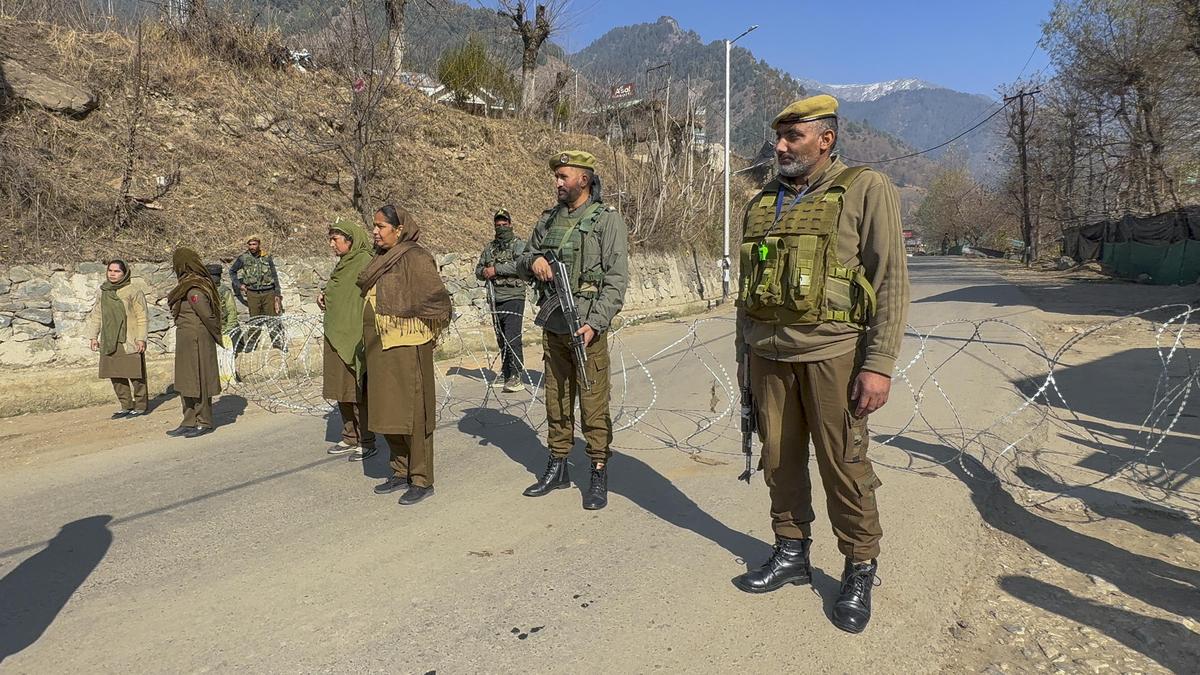
J&K Forest Minister Altaf Kaloo denies tampering at Sheshnag lake, says viral video is misleading as there is a 200-300 ft gap between the pilgrim track and the lake. The BRO has not done anything to the lake, he asserts.
Executive Takeaways
- No tampering found: J&K Forest Minister Altaf Kaloo states that the Border Roads Organisation (BRO) has not damaged Sheshnag lake, and the viral video is misleading due to a 200-300 ft gap between the pilgrim track and the lake.
- Viral video sparks controversy: A video allegedly showing construction debris near the lake raised environmental concerns, prompting the minister's clarification.
- Environmental sensitivity: Sheshnag lake is a high-altitude Himalayan lake of ecological and religious significance, making it a focal point for conservation efforts.
- Infrastructure vs. ecology: The incident highlights the ongoing tension between infrastructure development (pilgrim tracks) and environmental preservation in fragile mountain ecosystems.
- Need for transparency: Experts call for independent monitoring and transparent data to verify claims and ensure the lake's protection.
Section 1: The Core Event & Breaking Timeline
On [date], a viral video surfaced on social media allegedly showing construction activity and debris near Sheshnag lake, a pristine high-altitude lake in Jammu and Kashmir's Anantnag district. The video, which quickly garnered thousands of views, purported to show the Border Roads Organisation (BRO) dumping material into or near the lake, sparking outrage among environmentalists and local communities. The lake, situated at an altitude of 3,590 meters, is a key stop on the Amarnath pilgrimage route and is revered for its religious significance.
In response to the growing controversy, Jammu and Kashmir Forest Minister Altaf Kaloo held a press conference on [date] to address the allegations. Minister Kaloo categorically denied any tampering or violation at the lake, stating, "The BRO has not done anything to the lake. The viral video is misleading, as there is a gap of 200-300 ft. between the [pilgrim] track and the lake." He further explained that the construction work is part of the ongoing upgrade of the pilgrim track, which is essential for the safety and convenience of thousands of pilgrims who visit the site annually.
The timeline of events unfolded rapidly. The video was first posted on [platform] by [user/group], quickly spreading across other platforms. Environmental activists and opposition leaders seized upon the video, demanding an immediate inquiry and halting of construction activities. The J&K Pollution Control Board and the Forest Department were urged to inspect the site. Minister Kaloo's statement came within 48 hours, aiming to quell the rising tensions. He also invited independent experts and media to visit the site to verify the facts.
Initial market and public reaction was mixed. While some environmental groups expressed skepticism, welcoming the minister's clarification but demanding proof, local residents and pilgrims largely supported the development work, citing the need for safer infrastructure. The J&K government has promised a thorough investigation and has constituted a committee to assess the environmental impact of the track upgrade. The incident has drawn attention to the broader issue of balancing development with ecological conservation in the fragile Himalayan region.
Section 2: Deep Technical & Financial Architecture
The construction of the pilgrim track near Sheshnag lake involves complex engineering in a challenging high-altitude environment. The BRO, responsible for maintaining border roads, is upgrading the 3.5 km stretch from Chandanwari to Sheshnag as part of the Amarnath Yatra route. The track is being widened and paved to accommodate increased pilgrim traffic, with a budget allocation of approximately INR 50 crore for the 2023-24 fiscal year. The project includes retaining walls, drainage systems, and culverts to prevent erosion and ensure stability.
Technically, the construction uses modern techniques such as bio-engineering for slope stabilization, with the use of geotextiles and native vegetation to minimize environmental impact. The BRO claims to have conducted an Environmental Impact Assessment (EIA) before commencing work, which recommended maintaining a buffer zone of at least 200 feet from the lake. Minister Kaloo's statement about a 200-300 ft gap aligns with these guidelines. However, the viral video appeared to show debris closer to the lake, raising questions about compliance.
Financial implications of the project are significant. The upgrade is part of a larger INR 1,200 crore plan to improve infrastructure along the Amarnath Yatra route, funded by the Ministry of Home Affairs and the J&K government. The project is expected to boost local economy by creating jobs and increasing tourism. However, environmental costs, if not mitigated, could lead to long-term ecological damage, affecting water quality and biodiversity. The lake supports a unique ecosystem, including rare aquatic species and serves as a water source for downstream communities.
Unit economics of the project reveal that the cost per kilometer of track is approximately INR 14 crore, which is high due to the challenging terrain and the need for specialized equipment. The BRO has deployed advanced machinery like rock drills and excavators, with a workforce of about 200 laborers and engineers. The project timeline is 18 months, with completion targeted before the next Amarnath Yatra in July 2024. The economic benefits include reduced travel time for pilgrims, improved safety, and enhanced tourism revenue, estimated at INR 100 crore annually.
However, the financial architecture also involves environmental mitigation costs. The BRO has allocated INR 5 crore for environmental management, including monitoring and restoration. Independent audits are planned to ensure compliance with green norms. The controversy has led to calls for increased transparency in project financing and environmental spending, with experts suggesting that a portion of the budget should be ring-fenced for conservation efforts.
Section 3: Industry & Global Market Ripple Effects
The Sheshnag lake controversy has ripple effects beyond the immediate region, impacting the infrastructure and environmental services industries. Companies involved in eco-friendly construction and environmental monitoring may see increased demand as governments and agencies prioritize sustainable development. Firms specializing in bio-engineering and remote sensing for environmental compliance could benefit from heightened scrutiny of projects in ecologically sensitive zones.
Globally, the incident underscores the growing importance of Environmental, Social, and Governance (ESG) criteria in infrastructure financing. International lenders and investors are increasingly wary of projects with potential environmental controversies, which can lead to reputational risks and financial penalties. The BRO's project, if found non-compliant, could face delays in funding from multilateral agencies. This serves as a cautionary tale for similar projects in the Himalayas and other fragile ecosystems worldwide.
Supply chains for construction materials in the region may experience disruptions if stricter environmental regulations are enforced. Local suppliers of aggregates and timber could face increased scrutiny, leading to higher costs. Conversely, suppliers of green materials and technologies, such as geosynthetics and biodegradable erosion control products, may see a surge in orders. The market for environmental consulting services in India is projected to grow at a CAGR of 12% over the next five years, partly driven by such controversies.
Investor sentiment in the Indian infrastructure sector remains robust, but environmental risks are increasingly factored into valuations. Companies with strong environmental track records, like those using green building certifications, may command a premium. The Sheshnag incident could accelerate the adoption of satellite-based monitoring and AI-driven environmental compliance tools, creating new opportunities for tech startups. Overall, the ripple effects emphasize the need for integrating environmental sustainability into infrastructure planning and execution.
Section 4: Critical Perspectives, Analyst Debates & Risk Factors
Critical perspectives on the Sheshnag lake controversy highlight contrasting viewpoints. Environmental activists argue that the minister's statement is a cover-up and demand independent verification. They point to historical instances where development projects in the Himalayas have caused irreversible damage, such as the 2013 Uttarakhand floods. Activists like [Name] from [Organization] claim that the 200-300 ft gap is insufficient, as runoff and debris can still reach the lake. They call for a complete halt to construction until a thorough audit is conducted.
On the other hand, government officials and development proponents argue that infrastructure is essential for the safety of pilgrims and the economic development of the region. They emphasize that the BRO has followed all environmental protocols and that the viral video was doctored or taken out of context. Minister Kaloo's invitation for site inspection is seen as a confidence-building measure. Analysts note that the lack of independent environmental monitoring data makes it difficult to verify claims, underscoring the need for transparent reporting.
Risk factors include potential legal challenges from environmental groups, which could delay the project and increase costs. The National Green Tribunal (NGT) has taken suo motu cognizance of the viral video and may order a stay on construction. Regulatory friction is evident, with the J&K Pollution Control Board yet to issue a fresh clearance for the expanded scope of work. Additionally, reputational risks for the BRO and the government could affect future funding and public trust.
Analyst debates center on the adequacy of the EIA process and the enforcement of buffer zones. Some experts argue that the 200-300 ft gap is based on outdated guidelines and that modern science recommends larger buffer zones for high-altitude lakes. Others contend that the BRO's use of bio-engineering mitigates risks. The debate also touches on the role of social media in environmental activism, with some praising it for raising awareness and others criticizing it for spreading misinformation. The need for a balanced approach that integrates scientific data and stakeholder engagement is widely acknowledged.
Section 5: Strategic Forecast & Road Ahead
Looking ahead, the next 12-24 months will be crucial for resolving the Sheshnag lake controversy and setting precedents for similar projects. The J&K government is expected to complete its investigation within the next three months, with findings likely to be made public. If the BRO is exonerated, construction will proceed, albeit with enhanced monitoring. If violations are found, penalties and remediation measures will be enforced, potentially delaying the project by 6-12 months.
Upcoming milestones include the submission of the committee's report, scheduled for [date], and the NGT hearing in [month]. The BRO plans to install real-time water quality sensors and CCTV cameras to monitor the lake and track activities, with data made available to the public. This transparency initiative could serve as a model for other infrastructure projects in ecologically sensitive areas. Additionally, the government may announce a comprehensive environmental management plan for the Amarnath Yatra route, including waste management and reforestation.
What to watch: The role of technology in environmental monitoring, such as the use of drones and satellite imagery to verify compliance. The response of local communities and pilgrims to the infrastructure upgrades. The financial impact on the BRO and the state exchequer. The potential for legal precedents that could affect future development in the Himalayas. Investor attention will be on how the government balances development with conservation, as this could influence ESG ratings and funding costs.
In the long term, the Sheshnag lake incident may catalyze a shift towards more sustainable infrastructure practices in India. The adoption of green technologies and stricter enforcement of environmental laws could become standard. The incident also highlights the importance of stakeholder engagement and transparent communication in mitigating conflicts. As the region prepares for the 2024 Amarnath Yatra, all eyes will be on Sheshnag to ensure that the lake remains pristine for generations to come.



Comments (0)
No comments yet. Be the first to share your thoughts!
Leave a Comment