Nandini Curd Price Cut: KMF Slashes Rates by ₹2/kg After CM Pressure
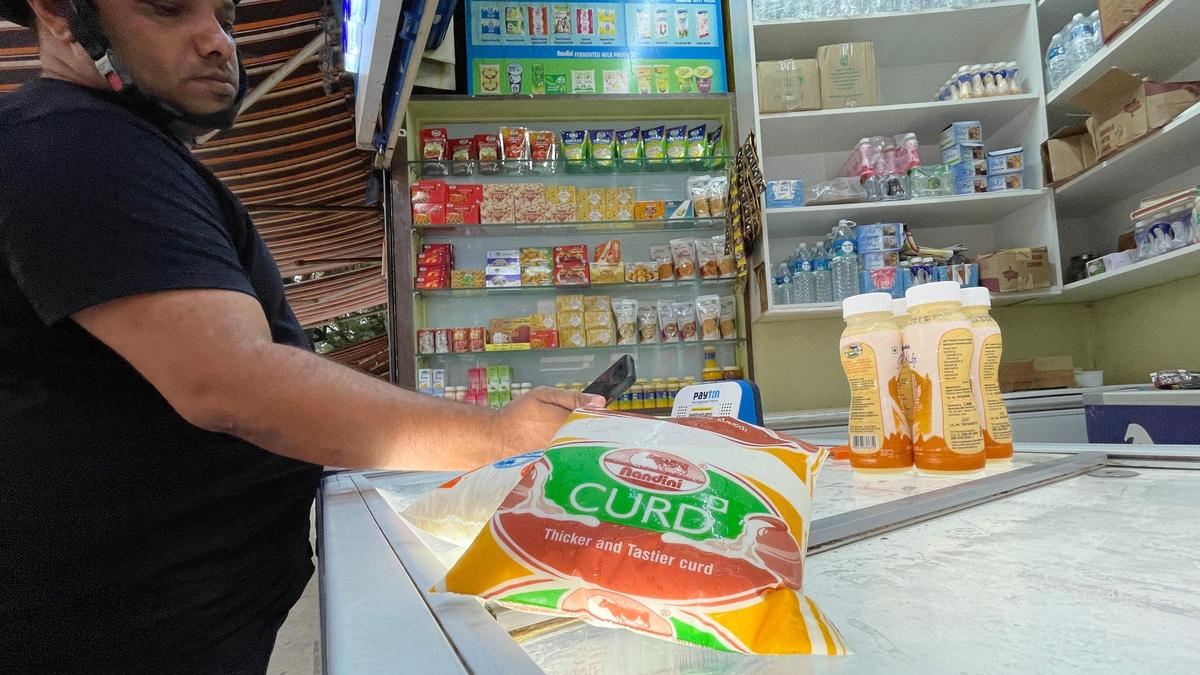
Karnataka Milk Federation has reduced Nandini curd prices by ₹2 per kg, effective November 29, following criticism from hoteliers and the public over a previous hike. The move comes 20 days after the Karnataka CM's directive, highlighting the intersection of politics and dairy economics.
Executive Takeaways
- Karnataka Milk Federation (KMF) has reduced the price of Nandini curd by ₹2 per kg, effective November 29, following a directive from the Karnataka Chief Minister.
- The price cut comes after widespread criticism from hoteliers, the public, and other stakeholders over a previous price hike.
- The move is seen as a response to political pressure and aims to balance consumer affordability with farmer profitability.
- KMF's decision reflects the complex dynamics of dairy pricing in India, where cooperatives must navigate market forces, government intervention, and public sentiment.
- The price reduction is expected to boost curd sales and ease inflationary pressures on households, but may impact KMF's margins and farmer incomes.
The Core Event & Breaking Timeline
On November 29, the Karnataka Milk Federation (KMF), the apex body of milk cooperatives in Karnataka, implemented a reduction in the retail price of Nandini curd by ₹2 per kilogram. This decision came 20 days after a directive from the Karnataka Chief Minister, who had intervened amid growing public discontent over the cost of essential dairy products. The price cut applies to all variants of Nandini curd, including the popular 500g and 1kg packs, and is effective across Karnataka.
The backdrop to this development is a previous price hike by KMF, which had raised curd prices by ₹4 per kg in October 2023, citing increased procurement costs and the need to support dairy farmers. That hike drew sharp criticism from hoteliers, restaurants, and households, who argued that it added to their financial burden amid rising inflation. The public outcry intensified when the Karnataka Chief Minister publicly directed KMF to reconsider the price increase, emphasizing the need to protect consumers.
KMF initially resisted the directive, citing the financial strain on dairy farmers and the cooperative's own operational costs. However, after a series of meetings with government officials and stakeholder consultations, KMF agreed to a partial rollback. The ₹2 per kg reduction is seen as a compromise, balancing the need to appease consumers while not fully reversing the earlier hike. The new price for Nandini curd is now ₹52 per kg for the standard variant, down from ₹54 per kg.
Market reaction to the price cut has been largely positive. Retailers and consumers have welcomed the move, with many taking to social media to express relief. Hoteliers, who had threatened to switch to alternative brands, have cautiously welcomed the decision but remain watchful of further price movements. KMF's shares, though not publicly traded, are held by cooperative societies, and the price cut is expected to impact the federation's revenue in the short term.
Deep Technical & Financial Architecture
KMF operates a three-tier cooperative structure, with village-level milk producers' cooperative societies (MPCS) at the base, district milk unions in the middle, and the state federation at the top. The pricing of dairy products like curd is determined by a complex interplay of factors, including procurement costs, processing expenses, distribution margins, and government subsidies. The recent price cut by ₹2 per kg is estimated to reduce KMF's annual revenue by approximately ₹120 crore, based on an annual curd sales volume of around 60,000 metric tonnes.
To offset this revenue loss, KMF may need to optimize its supply chain and reduce wastage. The federation has been investing in cold chain infrastructure and technology upgrades to improve efficiency. For instance, KMF has implemented an automated milk collection system that uses RFID tags and weigh scales to ensure accurate payments to farmers. However, the curd segment is more complex due to its shorter shelf life and higher perishability. KMF's curd is produced at 14 district milk unions and distributed through a network of over 10,000 retailers.
The unit economics of curd production reveal that procurement cost accounts for about 60% of the retail price, processing and packaging for 20%, distribution for 10%, and margins for 10%. The price cut will squeeze the margins of both KMF and retailers. To mitigate this, KMF is exploring value-added products and bulk packaging for institutional buyers. Additionally, the federation is in talks with the government for a subsidy to compensate for the price reduction, though no formal announcement has been made.
From a financial perspective, KMF's balance sheet shows total revenues of around ₹15,000 crore in FY2023, with curd contributing about 10% to the top line. The price cut is expected to impact the bottom line by 2-3% unless offset by volume growth. KMF's debt-equity ratio is comfortable at 0.5, giving it room to absorb short-term shocks. However, the cooperative's ability to sustain farmer incomes is crucial, as any reduction in procurement prices could lead to farmer protests.
Technology plays a growing role in KMF's operations. The federation has launched a mobile app for consumers to order Nandini products, including curd, directly. It is also using data analytics to forecast demand and optimize production. These initiatives are part of KMF's digital transformation strategy, aimed at improving customer experience and operational efficiency. The price cut may accelerate the adoption of these digital channels as consumers seek value.
Industry & Global Market Ripple Effects
The price reduction by KMF is likely to have a ripple effect on the dairy industry in Karnataka and beyond. Competitors such as Amul, which has a strong presence in the state, may need to reassess their pricing strategies. Amul, the Gujarat Cooperative Milk Marketing Federation (GCMMF) brand, has been expanding in South India and could use the opportunity to gain market share if KMF's price cut is seen as insufficient. However, Amul's pricing is also influenced by its own cost structure and may not respond immediately.
At the national level, the dairy sector is grappling with inflationary pressures. Milk procurement prices have risen due to increased feed costs and adverse weather conditions. The Karnataka government's intervention in curd pricing could set a precedent for other states, where similar consumer grievances exist. Already, there are reports of political leaders in Maharashtra and Tamil Nadu calling for price controls on dairy products. This could lead to a broader debate on the role of government in agricultural markets.
Globally, India is the largest producer of milk, accounting for about 23% of global output. The price of dairy products in India is influenced by international trade dynamics, but the sector is largely domestic-oriented. The price cut by KMF is unlikely to have a significant impact on global markets, but it underscores the importance of cooperatives in ensuring food security and affordability. International dairy companies eyeing the Indian market may need to factor in such price interventions when formulating their strategies.
Investors in the dairy sector, including private equity firms and impact investors, are closely watching the developments. The price cut may be seen as a negative for margins but positive for volume growth and brand loyalty. KMF's cooperative model, which prioritizes farmer welfare, may be less attractive to profit-driven investors, but it has proven resilient in times of crisis. The federation's ability to balance social and commercial objectives will be key to its long-term sustainability.
Critical Perspectives, Analyst Debates & Risk Factors
While the price cut has been welcomed by consumers, analysts are divided on its long-term implications. Some argue that the reduction is a populist move that undermines the financial health of dairy cooperatives. They point out that KMF's margins are already thin, and further price cuts could jeopardize its ability to pay fair prices to farmers. According to a report by the National Dairy Development Board (NDDB), dairy cooperatives need to maintain a margin of at least 5% to reinvest in infrastructure and technology. The current price cut may push KMF's margin below this threshold.
Others contend that the price cut is a necessary correction after an excessive hike. They argue that KMF's earlier price increase was not fully justified by cost increases and that the rollback restores consumer trust. A study by the Karnataka Agricultural Price Commission found that the cost of milk production had increased by only 3% in the past year, while KMF had raised curd prices by 8%. This suggests that the cooperative had some room to absorb the cost without a significant price hike.
Risk factors include the possibility of farmer protests if procurement prices are reduced to offset the revenue loss. KMF has assured farmers that procurement prices will remain unchanged, but this may not be sustainable in the long run. Additionally, the price cut could trigger a price war with competitors, leading to lower margins for all players. Regulatory risks also loom, as the government may impose further price controls if inflation persists.
From a consumer perspective, the price cut is a relief, but it may not be enough to stimulate demand significantly. Curd is a staple in Indian households, and demand is relatively inelastic. The price reduction may lead to a marginal increase in consumption but is unlikely to cause a surge. Retailers, who operate on thin margins, may be hesitant to pass on the full benefit to consumers, leading to a muted impact at the retail level.
Strategic Forecast & Road Ahead
In the next 12 months, KMF is expected to focus on cost optimization and diversification to mitigate the impact of the price cut. The federation plans to expand its product portfolio with value-added dairy products such as flavored yogurt, lassi, and cheese, which command higher margins. It is also exploring export opportunities for ghee and milk powder, where India has a competitive advantage. These initiatives will be crucial to maintaining profitability.
By 2025, KMF aims to increase its curd sales volume by 15% through aggressive marketing and distribution expansion. The federation is investing in a new curd processing plant in Belagavi with a capacity of 50,000 liters per day, expected to be operational by mid-2024. This will help meet growing demand and reduce logistics costs. Additionally, KMF is piloting a direct-to-consumer subscription model for curd and other dairy products in Bengaluru, which could disrupt traditional retail channels.
Upcoming milestones include the launch of a blockchain-based traceability system for its dairy products, which will enhance transparency and quality assurance. KMF is also in discussions with the Karnataka government for a comprehensive package to support dairy farmers, including subsidies for cattle feed and veterinary care. These measures are expected to stabilize farmer incomes and ensure the long-term viability of the cooperative.
What to watch: The response of competitors like Amul and private dairy players to KMF's price cut, the impact on KMF's financials in the next quarter, and any further government interventions in dairy pricing. The success of KMF's digital initiatives and value-added products will determine its ability to navigate the challenging market environment. Ultimately, the price cut is a test of KMF's resilience and its commitment to balancing the interests of consumers, farmers, and the cooperative's own sustainability.


Comments (0)
No comments yet. Be the first to share your thoughts!
Leave a Comment