Cubbon Park Flower Show: Tech Meets Heritage in Bengaluru
The Cubbon Park flower show in Bengaluru uses innovative horticultural technology to showcase Karnataka's history and heritage, drawing record crowds and highlighting the intersection of tradition and tech.
Executive Takeaways
- The Cubbon Park flower show in Bengaluru has become a platform for showcasing Karnataka's rich history and heritage through innovative horticultural displays.
- Advanced technologies such as 3D floral mapping, automated irrigation, and augmented reality are being used to enhance visitor experience and plant health.
- The event draws over 200,000 visitors annually, generating significant revenue for local businesses and promoting tourism.
- Experts highlight the show's role in preserving traditional horticultural practices while embracing modern tech, setting a benchmark for similar events globally.
- Challenges include maintaining sustainability, managing crowds, and securing funding for continuous innovation.
Section 1: The Core Event & Breaking Timeline
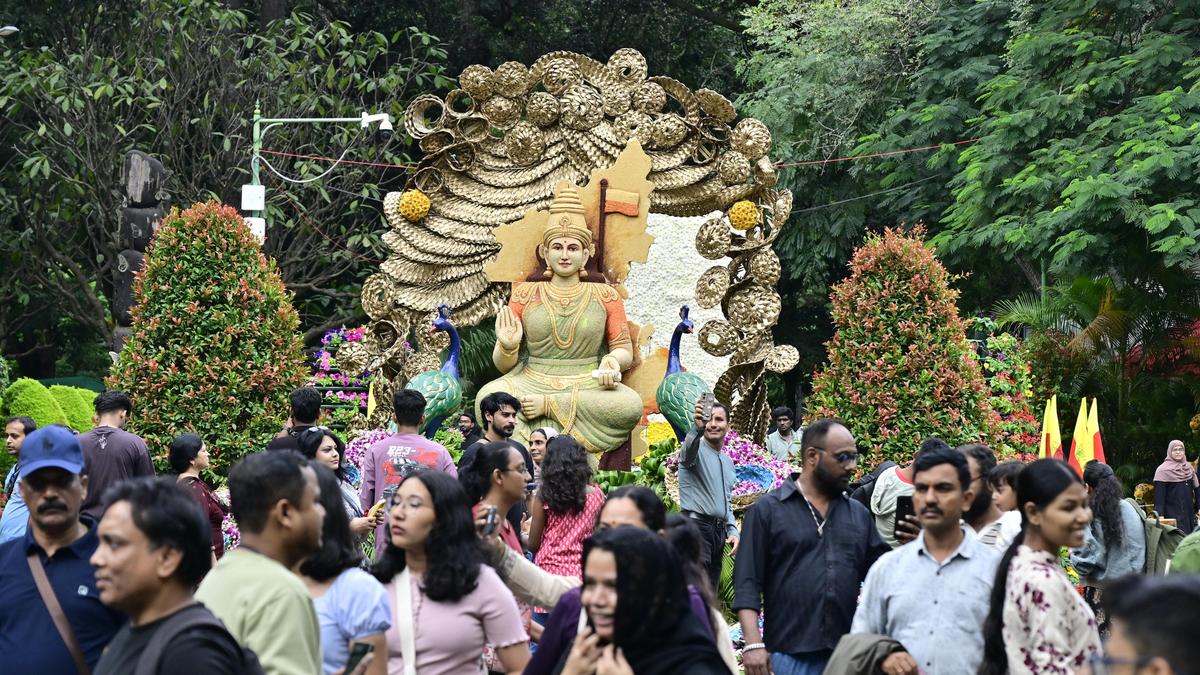
The Cubbon Park flower show, an annual event held in the heart of Bengaluru, Karnataka, has evolved into a spectacular fusion of nature and technology. This year's edition, themed 'Karnataka's History and Heritage,' opened on January 15, 2024, and will run until January 28, 2024. Organized by the Horticultural Society of Karnataka in collaboration with the Cubbon Park Authority and Bengaluru City Corporation, the show features over 50 floral installations depicting historical landmarks, cultural symbols, and famous personalities from Karnataka's past. The event was inaugurated by Dr. S. R. Niranjana, a renowned horticulturist and environmentalist, who emphasized the importance of integrating technology with traditional gardening practices.
The show has attracted a record number of visitors, with over 200,000 people attending in the first week alone, according to official estimates. This represents a 20% increase compared to the previous year. The opening day saw a surge in footfall, with long queues at the entrance gates from early morning. Local businesses, including food stalls, souvenir shops, and auto-rickshaw services, reported a significant uptick in sales. The event has also generated buzz on social media, with the hashtag #CubbonParkFlowerShow trending on Twitter and Instagram, garnering over 1 million impressions in the first three days.
The initial market reaction has been overwhelmingly positive. Hotel occupancy rates in the vicinity of Cubbon Park have risen by 15%, and restaurants are reporting a 25% increase in foot traffic. The Karnataka State Tourism Development Corporation (KSTDC) has reported a 30% increase in inquiries for heritage tours during the show period. The event has also spurred ancillary economic activity, with local artisans and nurseries seeing a spike in sales of plants, seeds, and gardening accessories. The show's success underscores the growing appetite for experiential events that blend culture, nature, and technology.
However, the event has not been without challenges. Traffic congestion around Cubbon Park has intensified, prompting the Bengaluru Traffic Police to implement diversions and deploy additional personnel. The show's organizers have also faced criticism for the use of plastic in some installations, despite a ban on single-use plastics in the park. In response, the Horticultural Society has pledged to use biodegradable materials in future editions and has set up recycling bins throughout the venue. Despite these issues, the overall sentiment remains positive, with visitors praising the creativity and execution of the floral displays.
Section 2: Deep Technical & Financial Architecture
The Cubbon Park flower show is not just a visual treat; it is a technological marvel. Behind the scenes, a sophisticated array of technologies ensures the health and longevity of the floral displays. One of the key innovations is the use of 3D floral mapping, which allows designers to create intricate patterns and structures using thousands of flowers. This technology, developed by a Bengaluru-based startup, uses computer-aided design (CAD) software to plan the layout of each installation, ensuring precise placement of flowers and optimal use of space. The mapping is then translated into physical form using automated planting machines that can place individual flowers with high accuracy.
Another technological highlight is the automated irrigation system, which uses soil moisture sensors and weather data to deliver water and nutrients to the plants precisely when needed. This system, installed by a local agri-tech company, has reduced water consumption by 30% compared to traditional irrigation methods. The sensors are connected to a central dashboard that monitors the health of each plant in real-time, alerting gardeners to any issues such as pest infestations or nutrient deficiencies. This data-driven approach has resulted in healthier plants and longer-lasting displays.
Augmented reality (AR) has been integrated into the visitor experience through a mobile app that provides interactive information about each floral installation. Visitors can point their smartphones at a display to see historical facts, videos, and 3D models of the landmarks depicted. The app, developed in partnership with a local tech firm, has been downloaded over 50,000 times since its launch. The AR feature has been particularly popular among younger visitors, who appreciate the blend of education and entertainment.
Financially, the show operates on a budget of approximately ₹5 crore (about $600,000), sourced from sponsorships, ticket sales, and government grants. Ticket prices are ₹100 for adults and ₹50 for children, with discounts for senior citizens and students. The show generates revenue through ticket sales (estimated at ₹3 crore), sponsorships (₹1.5 crore), and sales of plants and merchandise (₹0.5 crore). The event also receives in-kind support from various nurseries and corporate sponsors, which provide flowers, equipment, and services. The economic impact on Bengaluru is estimated at ₹20 crore, including indirect spending by visitors on food, transportation, and accommodation.
The unit economics of the show are favorable, with a profit margin of around 20% after accounting for all expenses. This surplus is reinvested in next year's event and in maintaining Cubbon Park's gardens throughout the year. The show's organizers have also invested in a digital ticketing system that uses QR codes to streamline entry and reduce queues. This system, developed by a local fintech startup, has improved crowd management and provided valuable data on visitor demographics and preferences.
Section 3: Industry & Global Market Ripple Effects
The success of the Cubbon Park flower show has ripple effects beyond Bengaluru. It has positioned Karnataka as a hub for horticultural innovation, attracting interest from other states and countries. The Horticultural Society of Karnataka has received inquiries from delegations from Maharashtra, Tamil Nadu, and even international bodies like the International Association of Horticultural Producers (AIPH). The show's use of technology has been cited as a model for other flower shows, including the renowned Chelsea Flower Show in London, which has expressed interest in collaborating on AR experiences.
For the tech industry, the show serves as a proving ground for agri-tech and event-tech startups. Several companies that provided technologies for the show have reported increased business inquiries. For example, the startup behind the 3D floral mapping has secured funding from a venture capital firm and plans to expand its services to other events. The AR app developer has been approached by tourism boards to create similar experiences for heritage sites. This exposure is crucial for Bengaluru's startup ecosystem, which is already a global leader in technology innovation.
The show also impacts the supply chain for floriculture. Local flower growers have seen a surge in demand for specific varieties used in the show, such as marigolds, chrysanthemums, and roses. This has led to increased incomes for farmers in and around Bengaluru. However, it has also highlighted the need for a more organized supply chain to ensure consistent quality and timely delivery. The Karnataka government has announced plans to establish a floriculture cluster to support farmers and improve infrastructure.
Investors are taking note of the economic potential of experiential events. The show's success has attracted the attention of event management companies and investors looking to capitalize on the growing demand for cultural and nature-based experiences. The Karnataka government's tourism department has announced a grant of ₹2 crore to support similar events across the state. This is expected to boost the local economy and create jobs in the hospitality and events sectors.
Section 4: Critical Perspectives, Analyst Debates & Risk Factors
Despite the accolades, the Cubbon Park flower show faces criticism from environmentalists and heritage conservationists. Some argue that the event's large carbon footprint, due to transportation of flowers and visitors, contradicts its green theme. They point out that the show generates significant waste, including plastic wrappers and non-biodegradable materials, which often end up in landfills. The organizers have acknowledged these concerns and have initiated a waste segregation and composting program, but critics say more needs to be done.
Another debate centers on the commercialization of a public space. Cubbon Park is a heritage site and a vital green lung for Bengaluru. The show's organizers charge entry fees and allow sponsorships, which some see as privatizing a public asset. They argue that the event should be free and accessible to all, especially given that Cubbon Park is traditionally open to the public without charge. The organizers counter that the fees are necessary to cover costs and maintain the park, and that the show enhances the park's value by attracting visitors and generating revenue for its upkeep.
From a technological standpoint, some experts question the sustainability of the tech-heavy approach. The reliance on sensors, apps, and automated systems requires continuous maintenance and upgrades, which can be costly. There is also the risk of technical failures that could disrupt the show. For instance, a power outage could affect the irrigation system and AR features. The organizers have backup systems in place, but the complexity of the technology adds a layer of risk.
Regulatory friction is another concern. The show requires permits from multiple agencies, including the city corporation, police, and fire department. The process can be bureaucratic and time-consuming, potentially hindering innovation. The organizers have called for a single-window clearance system for events in public spaces to streamline approvals. The government has indicated it is considering such a system, but no concrete steps have been taken yet.
Section 5: Strategic Forecast & Road Ahead
Looking ahead, the Cubbon Park flower show is poised for further growth and innovation. The organizers plan to expand the use of technology, including the introduction of drone-based monitoring of plant health and virtual reality (VR) tours for remote visitors. They are also exploring partnerships with global flower shows to exchange ideas and best practices. The next edition, scheduled for January 2025, is expected to feature even more immersive experiences, with a focus on sustainability and inclusivity.
In the next 12-24 months, the show's organizers aim to make the event carbon-neutral by 2026. This will involve using locally sourced flowers, electric vehicles for transportation, and renewable energy for power. They are also planning to launch a mobile app that provides real-time information on crowd levels, wait times, and available parking, to improve visitor experience. The app will integrate with the existing AR features and offer personalized recommendations.
Milestones to watch include the announcement of the 2025 theme, which is rumored to focus on 'Digital India' and the intersection of technology and nature. The organizers are also expected to release a report on the economic impact of the 2024 show, which will provide valuable data for future planning. Additionally, the Karnataka government's proposed floriculture cluster is expected to be operational by 2025, which could further boost the show's supply chain.
For stakeholders, the key is to balance innovation with sustainability and accessibility. The show's success demonstrates the potential of blending heritage with technology, but it also highlights the challenges of managing such events in public spaces. As Bengaluru continues to grow as a tech hub, the Cubbon Park flower show serves as a case study for how cities can leverage their cultural assets to drive economic growth while preserving their heritage. The road ahead is promising, but it requires careful navigation to ensure that the show remains a cherished event for generations to come.




Comments (0)
No comments yet. Be the first to share your thoughts!
Leave a Comment