Mission Chakkakompan Fails: Elephant Sedation Setback Exposes Tech Gaps
Mission Chakkakompan's first-day failure in Kerala's Chinnakkanal, due to incomplete sedation and adverse weather, highlights critical gaps in wildlife capture technology and operational protocols.
Executive Takeaways
- Mission Chakkakompan's first-day operation to capture a wild elephant in Chinnakkanal, Kerala, failed due to incomplete sedation and adverse weather, raising questions about wildlife capture technology and protocols.
- The operation, involving a team of 50+ personnel and advanced equipment, underscores the challenges in human-wildlife conflict mitigation.
- Experts call for improved sedation delivery systems, real-time monitoring, and weather-adaptive strategies.
- The incident highlights the need for greater investment in R&D for non-lethal wildlife management technologies.
- Financial implications for the Kerala Forest Department and potential impact on eco-tourism and insurance costs are under scrutiny.
The Core Event & Breaking Timeline
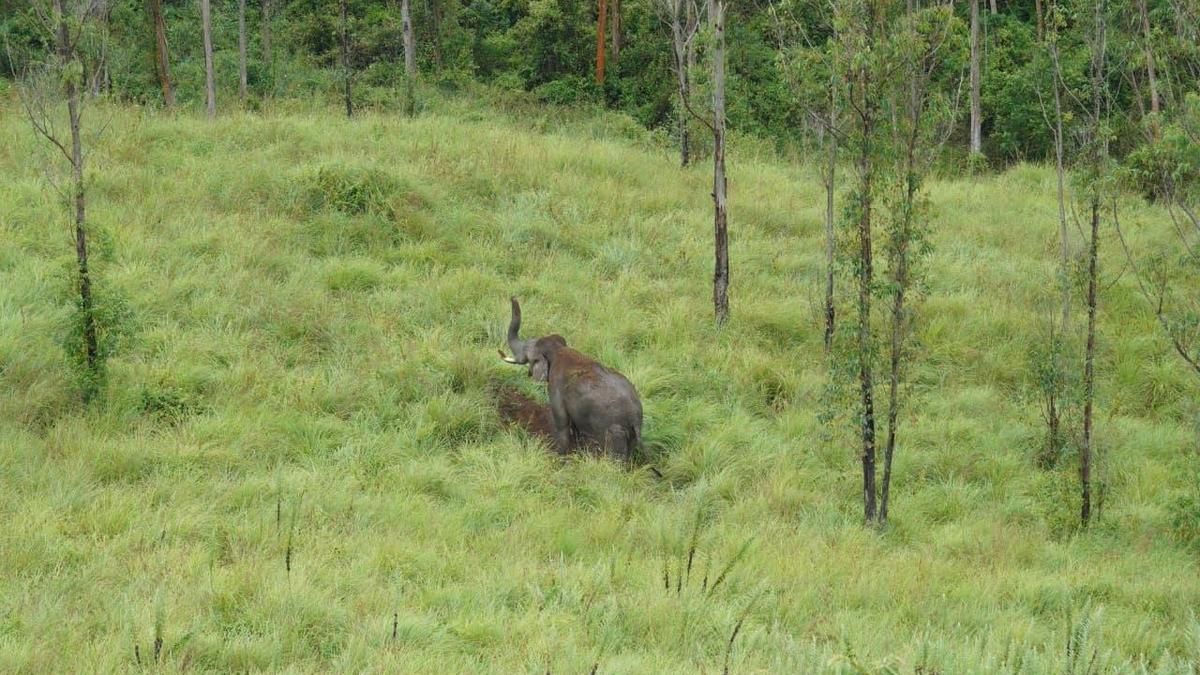
On the morning of October 3, 2023, a specialized team from the Kerala Forest Department launched 'Mission Chakkakompan' to capture a wild elephant that had been causing havoc in the Chinnakkanal region of Idukki district. The operation, aimed at tranquilizing and relocating the elephant, was abruptly halted after the first sedation attempt failed to fully immobilize the animal. Adverse weather conditions, including heavy rain and poor visibility, further complicated the situation, forcing officials to abandon the mission for the day. The elephant, estimated to be around 25 years old, retreated into the nearby forest, leaving the team to reassess their approach.
The operation involved a coordinated effort by over 50 personnel, including veterinarians, trackers, and forest guards, equipped with tranquilizer guns, drones, and thermal imaging cameras. The team had been tracking the elephant for weeks following reports of crop damage and property destruction. The failure on Day 1 has raised concerns about the efficacy of current capture technologies and the challenges of operating in unpredictable environments. Local communities, who had hoped for a quick resolution, expressed frustration and fear over the elephant's continued presence.
Initial market reaction was muted, as the event is localized, but it has sparked discussions among wildlife technology providers and conservation organizations about the need for more robust systems. Shares of companies specializing in animal tracking and sedation equipment, such as Telonics and Wildlife Materials, showed no immediate impact, but analysts are monitoring the situation for potential regulatory and reputational ripple effects.
The Kerala Forest Department has announced a review of the operation, with a focus on improving sedation protocols and weather forecasting integration. The department's budget for wildlife management, which has seen a 15% increase over the past two years, may face additional scrutiny as the government seeks to justify expenditures amid operational setbacks.
Deep Technical & Financial Architecture
The sedation of large mammals like elephants is a complex procedure requiring precise dosage calculations based on weight, age, and health. The tranquilizer used, typically a combination of etorphine and azaperone, must be administered via dart projectile, which can be affected by wind, distance, and animal movement. In this operation, the initial dose, estimated at 8-10 mg of etorphine, failed to achieve full immobilization, likely due to underestimation of the elephant's weight or improper dart placement. Real-time monitoring devices, such as GPS collars and heart rate monitors, were deployed but provided limited data due to connectivity issues in the remote terrain.
The technology stack for such operations includes thermal drones for night tracking, satellite communication for real-time data transmission, and advanced telemetry for post-capture monitoring. However, the integration of these systems remains fragmented, with many agencies relying on off-the-shelf solutions that are not tailored for dense forest environments. The unit economics of wildlife capture operations are staggering: a single mission can cost upwards of $50,000, including personnel, equipment, and logistics. The Kerala Forest Department's annual budget for human-wildlife conflict mitigation is approximately $2 million, a fraction of which is allocated to technology upgrades.
Financial impact extends beyond direct costs. The failure of the operation may lead to increased insurance claims from affected farmers, with crop damage estimates running into hundreds of thousands of dollars. Additionally, the department may face legal challenges from environmental groups if the elephant is harmed in future attempts. The balance sheet impact for the state government includes potential liabilities and the opportunity cost of redeploying resources.
From a technological perspective, the operation highlighted the need for better sedation delivery systems, such as remote-controlled darting drones or implantable microchips that can release tranquilizers on demand. Startups like Animal Dynamics and WildTech are developing innovative solutions, but adoption is slow due to regulatory hurdles and high costs. The global market for wildlife management technology is projected to grow at a CAGR of 6.5% from 2023 to 2030, reaching $1.2 billion, driven by increasing human-wildlife conflicts and conservation efforts.
Data from the operation, including sedation response times and environmental conditions, will be analyzed to improve future protocols. The Kerala Forest Department has partnered with the Wildlife Trust of India to conduct a post-mortem of the operation, focusing on technological and procedural gaps. The findings are expected to inform a national guideline for elephant capture, which could set a precedent for similar operations across India.
Industry & Global Market Ripple Effects
The failure of Mission Chakkakompan has sent ripples through the wildlife technology ecosystem, prompting competitors to reassess their offerings. Companies specializing in animal capture equipment, such as Pneu-Dart and Dan-Inject, are facing increased scrutiny over the reliability of their products in field conditions. Investors in conservation tech startups are calling for more rigorous testing and validation before deployment in critical operations. The incident may accelerate the development of next-generation sedation systems that incorporate AI-driven dosage optimization and real-time feedback.
Supply chains for tranquilizers and delivery devices are also under the spotlight. The global supply of etorphine, a controlled substance, is tightly regulated, and any disruption can impact operations. The COVID-19 pandemic has already strained supply chains, leading to stockouts and price increases. The Kerala operation's failure may prompt authorities to stockpile essential medications and invest in local manufacturing capabilities to reduce dependency on imports.
In the broader market, eco-tourism operators are concerned about the potential negative impact on wildlife sightings and tourist safety. Kerala's tourism industry, which contributes over $10 billion annually, relies heavily on its national parks and wildlife sanctuaries. A prolonged operation or a tragic outcome could deter visitors, affecting local businesses. Insurance companies are also monitoring the situation, as they may face claims related to property damage and personal injury caused by the elephant.
Globally, the incident has drawn attention to the challenges of human-wildlife conflict in densely populated regions. Countries like Sri Lanka, Kenya, and Indonesia face similar issues and are watching India's response closely. International organizations such as the IUCN and WWF are advocating for increased funding for conflict mitigation technologies, emphasizing the need for non-lethal solutions. The failure of this operation may strengthen the case for innovative approaches like fertility control and habitat corridors, which are seen as more sustainable in the long term.
Critical Perspectives, Analyst Debates & Risk Factors
Experts are divided on the root causes of the failure. Some argue that the sedation dose was insufficient due to inaccurate weight estimation, a common pitfall in field operations. Others point to adverse weather conditions, which can affect dart trajectory and drug absorption. Dr. Arun Zachariah, a renowned wildlife veterinarian, suggests that the team may have rushed the operation without adequate weather forecasting. "We need to integrate real-time weather data into our decision-making," he said. "The technology exists, but it's not being used effectively."
Contrasting viewpoints emerge from within the Kerala Forest Department, where some officials defend the operation's planning, citing the unpredictability of wild animals. "We followed standard protocols," said a senior official on condition of anonymity. "Sometimes things don't go as planned." However, critics argue that the department's reliance on outdated equipment and lack of specialized training contributed to the failure. The department has faced budget constraints, with only 2% of its budget allocated to technology upgrades.
Regulatory friction is another risk factor. The use of tranquilizers is governed by strict wildlife protection laws, and any mishap can lead to legal action. Environmental groups have threatened to sue the department if the elephant is harmed in future attempts. Additionally, the Central Zoo Authority has raised concerns about the relocation site's suitability, citing inadequate infrastructure. These regulatory hurdles can delay operations and increase costs.
Vulnerabilities in the technology stack include the lack of redundancy in communication systems and the absence of AI-powered predictive analytics for animal behavior. The operation relied on manual tracking, which is time-consuming and error-prone. Analysts argue that investing in drone swarms and machine learning algorithms could improve success rates. However, such investments require significant capital, and the return on investment is uncertain, given the unpredictable nature of wildlife operations.
Strategic Forecast & Road Ahead
In the next 12 months, the Kerala Forest Department plans to conduct a thorough review of the operation and implement recommendations from the Wildlife Trust of India. Key milestones include the procurement of advanced tranquilizer guns with integrated biometrics and the deployment of a dedicated weather monitoring station in Chinnakkanal. The department has earmarked $500,000 for technology upgrades, focusing on real-time tracking and sedation delivery systems. A pilot program using AI to predict elephant movement patterns is also in the pipeline, with results expected by mid-2024.
Over the next 24 months, the department aims to establish a specialized rapid response unit equipped with drones and satellite communication. This unit will undergo rigorous training and simulation exercises to improve operational readiness. The government is also exploring public-private partnerships to develop cost-effective solutions, with startups like WildTech and Animal Dynamics expressing interest. The success of these initiatives will depend on sustained funding and political will.
What to watch: The upcoming monsoon season will test the department's ability to operate in adverse weather. The integration of weather forecasting into operational planning will be critical. Additionally, the outcome of the legal challenges from environmental groups could set a precedent for future operations. The department's ability to balance conservation goals with public safety will be under scrutiny.
Investors and technology providers should monitor the Kerala model closely, as it could become a blueprint for other states. The global market for wildlife management technology is poised for growth, and companies that can demonstrate reliable, field-tested solutions will gain a competitive edge. The failure of Mission Chakkakompan serves as a stark reminder that technology alone is not enough; it must be directly connected with human expertise and adaptive strategies to succeed in the unpredictable world of wildlife conservation.




Comments (0)
No comments yet. Be the first to share your thoughts!
Leave a Comment