Elephant Conservation Shifts: Bhadra Sanctuary Expands Natural Habitat Approach
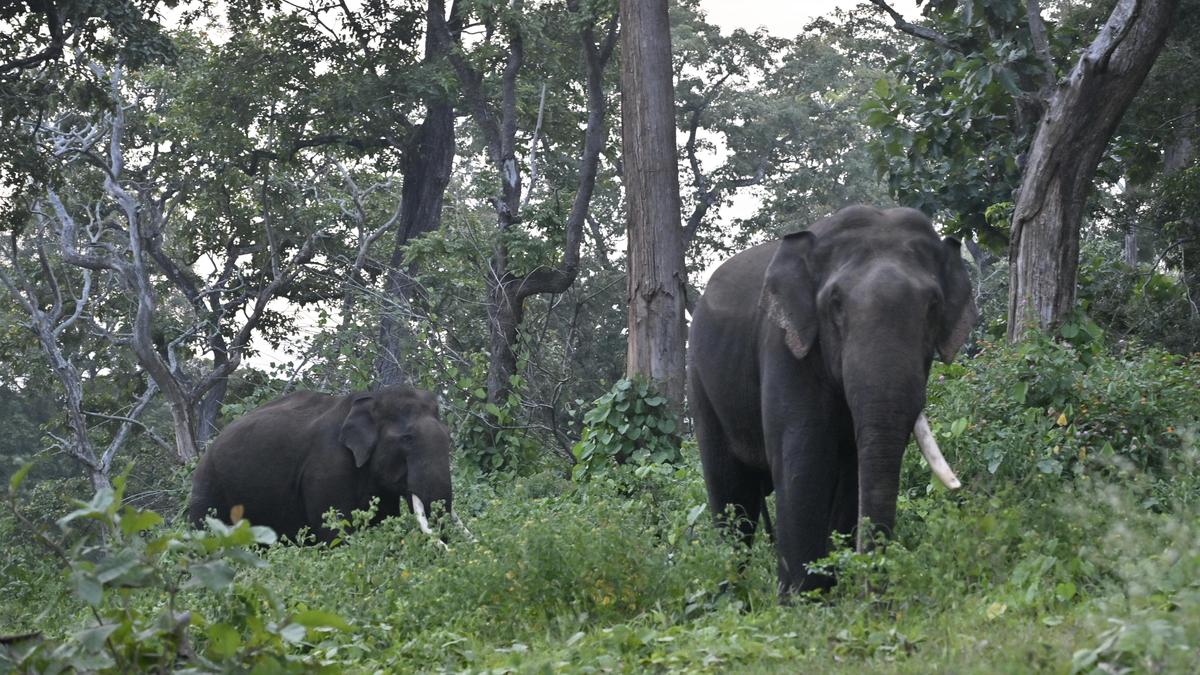
The APCCF of Bhadra Wildlife Sanctuary announces that the sanctuary can accommodate more elephants and that staff will not forcibly drive them, allowing natural movement. This signals a shift in conservation strategy.
Executive Takeaways
- Policy Shift: The Additional Principal Chief Conservator of Forests (APCCF) declares Bhadra Wildlife Sanctuary capable of supporting more elephants, adopting a non-intrusive approach to elephant movement.
- Natural Movement: Forest staff will not forcibly drive elephants toward Bhadra, allowing them to move naturally, which could reduce human-elephant conflict.
- Conservation Implications: This strategy may set a precedent for wildlife management in India, balancing ecological needs with human safety.
- Scientific Basis: The decision likely stems from habitat assessments and population studies indicating Bhadra's carrying capacity.
- Stakeholder Impact: Local communities, conservationists, and policymakers will closely watch the outcomes, with potential ripple effects on tourism and land use.
Section 1: The Core Event & Breaking Timeline
On October 26, 2023, the Additional Principal Chief Conservator of Forests (APCCF) of Karnataka made a landmark announcement regarding the Bhadra Wildlife Sanctuary's capacity to host a larger elephant population. The statement, reported by The Hindu, emphasized that the sanctuary is vast enough to accommodate more elephants and that forest staff will refrain from forcibly driving elephants toward Bhadra, instead allowing them to move naturally. This declaration comes amid growing concerns over human-elephant conflict in the region and marks a significant shift from traditional herd management practices that often involve driving elephants into designated reserves.
The Bhadra Wildlife Sanctuary, located in the Chikkamagaluru and Shivamogga districts of Karnataka, spans approximately 492 square kilometers and is part of the Nilgiri Biosphere Reserve. It is home to a rich diversity of flora and fauna, including tigers, leopards, and a significant population of Asian elephants. The sanctuary has been a focal point for conservation efforts, particularly for elephants, which are endangered and face threats from habitat fragmentation and human encroachment. The APCCF's statement underscores a growing recognition that forced herding can be counterproductive, leading to stress and increased conflict.
The announcement was made during a period of heightened scrutiny of elephant management practices in India. Recent years have seen a rise in human-elephant conflicts, with elephants straying into agricultural lands and villages, causing crop damage and occasionally loss of life. Traditional methods of driving elephants back into forests have sometimes exacerbated the problem, leading to aggressive behavior and further conflict. The APCCF's approach aligns with recommendations from wildlife experts who advocate for natural movement corridors and habitat connectivity.
Initial reactions from conservationists have been cautiously optimistic. While the move is seen as progressive, questions remain about the practical implementation and monitoring of elephant movements. Local communities, particularly farmers, are anxious about potential crop raids and safety concerns. The forest department has yet to release detailed plans on how it will manage the situation, but the APCCF assured that staff will be trained to handle elephants without force, using techniques such as barriers and repellents only when necessary.
Section 2: Deep Technical & Financial Architecture
The decision to allow natural elephant movement is grounded in ecological science and habitat assessment. The Bhadra Wildlife Sanctuary, with its diverse vegetation and water sources, can support a higher density of elephants if managed properly. According to the 2017 elephant census, Karnataka has an estimated 6,049 elephants, with Bhadra hosting a significant portion. The sanctuary's carrying capacity is estimated to be around 500 elephants, and current populations are below that threshold, providing room for growth. The APCCF's statement likely draws from recent studies indicating that the habitat can sustain more elephants if connectivity with adjacent reserves is maintained.
From a financial perspective, the shift away from forced herding could lead to cost savings for the forest department. Traditional drives require significant manpower, equipment, and logistical support, often involving trained elephants (kumkis) and personnel. By allowing natural movement, the department can allocate resources to other conservation activities, such as habitat restoration and community engagement. However, there may be initial costs for training staff in non-invasive techniques and for installing early warning systems to prevent conflicts. The long-term economic benefits include reduced crop damage and fewer compensation claims, which currently strain state finances.
The technology stack for monitoring elephant movements is also evolving. The forest department has been using GPS collars and camera traps to track elephant herds, providing data on migration patterns and habitat use. This data is crucial for implementing the new strategy, as it helps identify corridors and potential conflict hotspots. The APCCF's approach may involve expanding the use of such technologies, including drones for surveillance and mobile apps for real-time reporting by field staff. These tools enable proactive management, allowing authorities to alert communities and deploy resources efficiently.
Unit economics of elephant conservation in India reveal that the cost of managing human-elephant conflict is substantial. A 2019 study estimated that Karnataka spends around ₹100 crore annually on compensation for crop damage and human casualties caused by elephants. By reducing conflict through natural movement and better land-use planning, the state could save significant funds. Moreover, elephants are a keystone species, and their conservation supports biodiversity and ecosystem services, which have intangible economic value. The new strategy aligns with global trends toward coexistence and sustainable financing for conservation.
Section 3: Industry & Global Market Ripple Effects
The Bhadra Wildlife Sanctuary's new approach could influence elephant conservation strategies across India and beyond. Karnataka is one of the few states with a substantial elephant population, and its policies often serve as a model for others. If successful, the non-forced movement strategy could be adopted in other elephant range states such as Kerala, Tamil Nadu, and Odisha, where similar conflicts exist. This shift could lead to a more harmonized national policy on elephant management, emphasizing connectivity and coexistence over containment.
Globally, the decision resonates with international conservation frameworks such as the Convention on Migratory Species (CMS) and the IUCN's Asian Elephant Specialist Group, which advocate for maintaining elephant corridors and reducing barriers to movement. India is a signatory to these agreements, and the Bhadra example could bolster its position in global conservation dialogues. It may also attract funding from international donors and NGOs interested in supporting innovative, science-based approaches to human-wildlife conflict resolution.
The tourism industry, a significant stakeholder in wildlife conservation, is watching closely. Bhadra Wildlife Sanctuary is a popular destination for wildlife enthusiasts, and a healthy elephant population can enhance tourism revenue. However, if conflicts increase, it could deter visitors. The forest department's ability to manage the situation will be critical. Eco-tourism operators may need to adapt their practices, such as avoiding areas with high elephant activity and promoting responsible viewing guidelines. The shift could also spur demand for guided tours that educate visitors about coexistence strategies.
Supply chains related to agriculture and forestry may experience ripple effects. Farmers adjacent to the sanctuary are concerned about crop damage, and the new strategy might require changes in cropping patterns or the use of physical barriers like beehive fences, which have proven effective in some African contexts. The forest department could collaborate with agricultural extension services to promote elephant-friendly farming practices. Additionally, the timber industry, which operates in some buffer zones, may face stricter regulations to preserve corridors, potentially affecting local livelihoods. Balancing these interests will be a key challenge.
Section 4: Critical Perspectives, Analyst Debates & Risk Factors
While the APCCF's announcement has been welcomed by many conservationists, critics argue that it may be overly optimistic. Some experts point out that Bhadra's habitat is not pristine; invasive species like Lantana camara have degraded large areas, reducing forage quality. They caution that simply allowing elephants to move naturally without addressing habitat degradation could lead to increased conflict as elephants search for food in agricultural lands. The forest department must invest in habitat restoration to ensure the sanctuary can truly support more elephants.
Another concern is the lack of clear protocols for managing elephants that leave the sanctuary. Without forced herding, how will authorities prevent elephants from entering villages? The APCCF's statement mentions that staff will not forcibly drive elephants, but it does not detail alternative measures. Analysts debate whether non-lethal deterrents, such as chili fences and noise makers, are sufficient. There is also the risk that elephants may become habituated to human presence, leading to bolder behavior and potential danger. The success of the strategy hinges on effective monitoring and rapid response to conflict incidents.
Regulatory friction is another risk factor. The Wildlife Protection Act (1972) provides strict protections for elephants, but it also empowers authorities to take measures to prevent conflict. The new approach may require reinterpretation of existing laws or new guidelines. Additionally, land-use policies outside the sanctuary, such as mining and infrastructure projects, could undermine connectivity. The forest department will need to coordinate with other government agencies to ensure that development does not fragment elephant habitats. Political will and inter-departmental cooperation are essential.
From a financial standpoint, the shift may face budget constraints. While long-term savings are possible, the initial investment in technology, training, and community engagement requires funding. The forest department's budget is often stretched, and competing priorities may limit resources. Moreover, compensation for crop damage remains a contentious issue; if conflicts persist, the government may face public pressure to increase compensation, straining finances. Analysts suggest that public-private partnerships and corporate social responsibility (CSR) initiatives could supplement government funds.
Section 5: Strategic Forecast & Road Ahead
In the next 12 months, the Karnataka forest department is expected to roll out a detailed action plan for implementing the natural movement strategy. This will likely include mapping of elephant corridors, installation of early warning systems, and training of field staff in non-invasive techniques. The department may also conduct awareness campaigns in local communities to foster coexistence. Key milestones include the completion of a habitat assessment to determine carrying capacity and the establishment of a monitoring framework using GPS collars and camera traps. The success of these initial steps will set the tone for broader adoption.
Over the next 24 months, the focus will shift to adaptive management based on data collected. If elephant movements are successfully managed without forced herding, the model could be expanded to other sanctuaries in Karnataka. The department may also seek to strengthen connectivity with adjacent protected areas, such as the Pushpagiri Wildlife Sanctuary and the Kudremukh National Park, to create a larger elephant landscape. This would require collaborative efforts with neighboring states and the central government. International recognition and funding could follow if the initiative demonstrates measurable reductions in conflict.
What to watch: The number of human-elephant conflict incidents in the buffer zones of Bhadra will be a key indicator. A decline would validate the approach, while an increase could prompt a policy review. The forest department's ability to secure funding and implement technology solutions will also be critical. Additionally, community attitudes will shape the outcome; if farmers perceive the strategy as favoring elephants over their livelihoods, resistance may grow. Ongoing dialogue and compensation mechanisms will be essential.
Ultimately, the Bhadra experiment represents a structural realignment in wildlife management, moving from control to coexistence. If successful, it could herald a new era in elephant conservation, not just in India but globally. The world will be watching as Karnataka navigates the complex interplay of ecology, economics, and human welfare. The road ahead is fraught with challenges, but the potential rewards—sustainable elephant populations and reduced conflict—are immense.




Comments (0)
No comments yet. Be the first to share your thoughts!
Leave a Comment