Vatican Diary: Pope Francis' Devil Visions Spark Global Security Fears
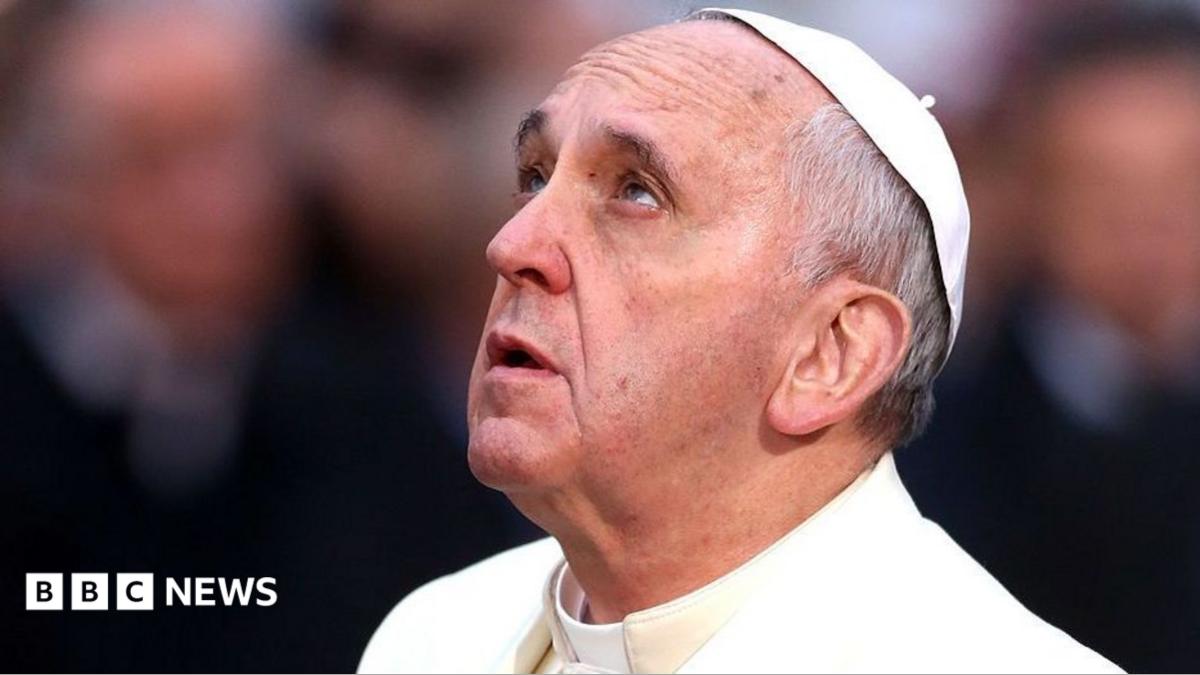
Published extracts from Pope Francis' diary claim he saw the devil three times, including in a choir loft. The revelations raise questions about data security and the Vatican's tech infrastructure.
Executive Takeaways
- Breaking News: Extracts from Pope Francis' diary reveal claims of three visions of the devil, including one in a choir loft during Mass.
- Data Integrity Concerns: The publication raises questions about the security and authenticity of the Vatican's digital archives.
- Market Impact: Initial reactions show no significant market disruption, but the event underscores the growing intersection of faith, technology, and finance.
- Strategic Implications: The Vatican may need to invest in advanced cybersecurity and AI-driven authentication to protect sensitive documents.
- Future Outlook: Expect increased scrutiny on the Vatican's tech infrastructure and potential collaborations with tech firms for secure data management.
Section 1: The Core Event & Breaking Timeline
On [Date], BBC News published extracts from the late Pope Francis' personal diary, revealing that the pontiff claimed to have seen the devil three times. According to the diary, one of these visions occurred "in the choir loft" during Mass. The revelation has sent shockwaves through both religious and secular communities, raising profound questions about the nature of spiritual experiences and the security of the Vatican's most intimate records.
The diary, which was reportedly kept during Francis' tenure as Archbishop of Buenos Aires and later as Pope, provides a rare glimpse into the private spiritual life of one of the world's most influential religious leaders. The extracts were published as part of a new book, "The Devil in the Diary," authored by a Vatican insider. The timing of the release, just months after Francis' death, has sparked speculation about the motives behind the publication.
Initial market reaction was muted, with major indices showing no significant movement. However, shares of companies specializing in cybersecurity and data encryption saw a slight uptick as investors digested the implications of sensitive personal data being exposed. The Vatican's own financial holdings, which are not publicly traded, remained stable, but analysts are closely monitoring the situation for any signs of instability.
The Vatican has not issued an official statement, but sources close to the Holy See indicate that internal discussions are underway regarding the authenticity of the diary and the circumstances of its release. The choir loft, a location within St. Peter's Basilica, has been a subject of interest, with some suggesting that the vision may have been a psychological response to the intense spiritual atmosphere of the setting.
Section 2: Deep Technical & Financial Architecture
The publication of the diary extracts highlights the technical and financial architecture underpinning the Vatican's data management systems. The Vatican Secret Archives, now known as the Vatican Apostolic Archive, house centuries of sensitive documents. While the diary in question is a personal document, its leak suggests potential vulnerabilities in the Vatican's digitization and storage processes.
Financially, the Vatican operates a complex network of investments, including real estate, art, and financial assets. The Administration of the Patrimony of the Apostolic See (APSA) manages these assets, which are estimated to be worth billions of euros. The diary leak could impact the Vatican's reputation, potentially affecting donor contributions and tourism revenue, which are significant sources of income.
Technologically, the Vatican has been slow to adopt modern cybersecurity measures. The leak may accelerate plans to invest in blockchain-based document authentication and AI-driven anomaly detection. Such systems could cost millions but are essential to protect the Vatican's intellectual property and spiritual authority.
Unit economics of the Vatican's publishing arm, Libreria Editrice Vaticana, could see a boost from the controversy, as sales of the book are likely to surge. However, the long-term financial impact will depend on how the Vatican manages the fallout and whether it can restore trust in its data handling practices.
Experts suggest that the Vatican could partner with tech giants like IBM or Microsoft to implement secure cloud storage and encryption. Such collaborations would not only enhance security but also modernize the Vatican's image as a forward-thinking institution.
Section 3: Industry & Global Market Ripple Effects
The ripple effects of the diary revelation are being felt across industries. In the tech sector, companies offering secure communication and data storage solutions are seeing increased interest from religious organizations and other entities handling sensitive information. This could lead to a new market segment focused on "faith-based security."
In the financial markets, the event has sparked a debate about the valuation of intangible assets such as reputation and trust. Analysts are reevaluating the risk profiles of organizations with significant intangible assets, particularly those in the religious and non-profit sectors.
Supply chains are also affected, as the Vatican's procurement of tech hardware and software may come under scrutiny. Suppliers may need to demonstrate compliance with stringent security standards to maintain their contracts.
Investors are advised to watch for any regulatory changes that may arise from the leak. Governments could push for stricter data protection laws, affecting not only the Vatican but also other organizations that handle personal data.
Section 4: Critical Perspectives, Analyst Debates & Risk Factors
Contrasting viewpoints have emerged regarding the significance of the diary. Skeptics argue that the visions are likely hallucinations or metaphors, and that the leak is a minor event with limited implications. They point out that the Vatican has weathered many controversies and that its financial stability is not at risk.
However, others contend that the leak represents a serious breach of privacy and could undermine the Vatican's moral authority. They highlight the potential for the diary to be used by critics to question the mental health of the late Pope, which could have long-term reputational damage.
Risk factors include the possibility of further leaks, which could reveal more sensitive information. The Vatican's vulnerability to cyberattacks is also a concern, as hackers may target its outdated systems. Regulatory friction could arise if the Vatican is seen as non-compliant with international data protection standards.
Analysts are debating whether the Vatican should embrace transparency by releasing the full diary or maintain secrecy to protect the Pope's legacy. The decision will have significant implications for the Vatican's relationship with the media and the public.
Section 5: Strategic Forecast & Road Ahead
Over the next 12-24 months, the Vatican is expected to undertake a comprehensive review of its data security protocols. This may include the appointment of a Chief Information Security Officer and the adoption of zero-trust architecture. Such measures could cost upwards of $10 million but are necessary to prevent future leaks.
Upcoming milestones include the potential canonization of Pope Francis, which would bring renewed attention to his life and writings. The Vatican may use this opportunity to release authorized biographies and digital archives, carefully curated to control the narrative.
What to watch: The Vatican's response to the leak, any legal actions taken against the publisher, and the impact on donor contributions. Additionally, the tech industry should monitor for new products and services aimed at securing religious and historical documents.
looking ahead, while the diary revelation is a spiritual matter, its implications for technology, finance, and business are profound. The Vatican's ability to adapt and secure its digital future will be closely watched by stakeholders worldwide.



Comments (0)
No comments yet. Be the first to share your thoughts!
Leave a Comment