Micro-Budget Film 'Ajayante Maranam' Shakes Up Indie Scene at IFFI 2026
At IFFI 2026, debutant filmmaker Sreehari Haridas unveils 'Ajayante Maranam: Oru Case Study,' a micro-budget film that uses a murder investigation to probe deeper social questions, signaling a new wave of resourceful indie filmmaking.
Executive Takeaways
- Micro-budget innovation: 'Ajayante Maranam: Oru Case Study' was made on a shoestring budget, demonstrating creative resourcefulness.
- Socially charged narrative: The film uses a death investigation to explore broader social issues, resonating with contemporary audiences.
- Festival platform: IFFI 2026 provides a launchpad for debutant filmmakers like Sreehari Haridas, highlighting the festival's role in nurturing new talent.
- Industry ripple effects: Success of such films could reshape funding models and distribution strategies for indie cinema.
- Future outlook: Watch for increased investment in micro-budget projects and hybrid distribution models as festivals champion diverse voices.
The Core Event & Breaking Timeline
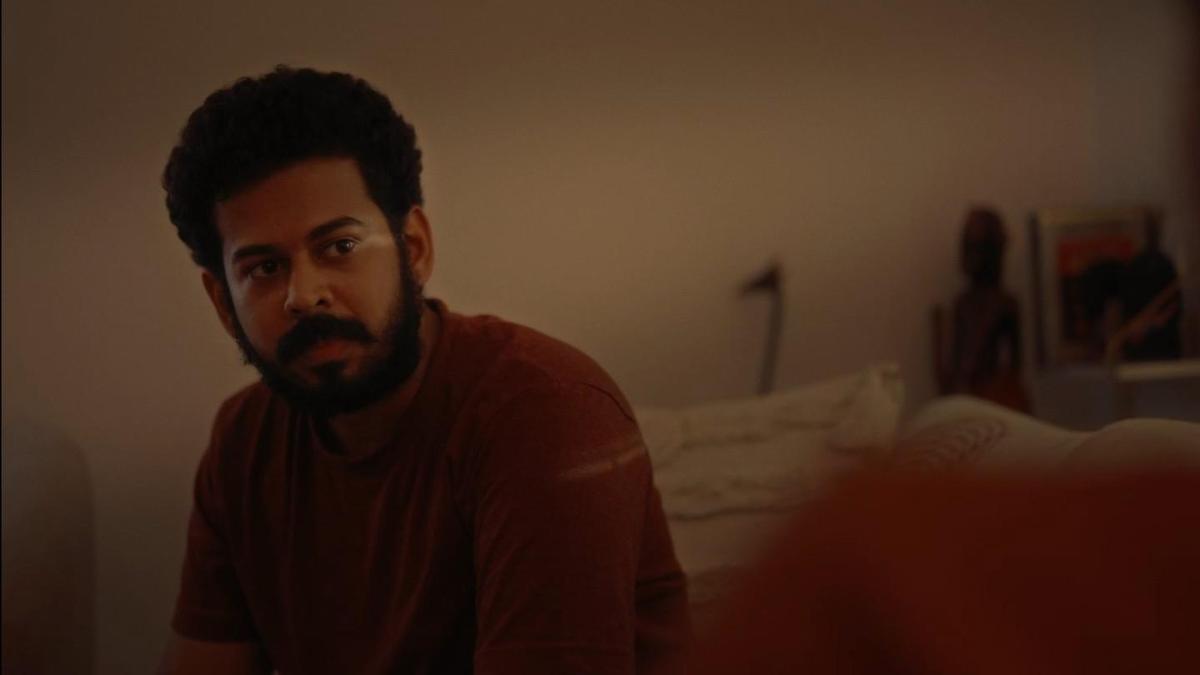
On November 20, 2026, the International Film Festival of India (IFFI) in Goa became the stage for a quiet revolution. Debutant filmmaker Sreehari Haridas premiered his feature film 'Ajayante Maranam: Oru Case Study' (The Death of Ajayan: A Case Study) to a packed audience, marking a significant moment for independent cinema in India. The film, made on a shoestring budget, follows Aryan, a young writer-director who investigates the death of Ajayan, only to confront deeper social questions. The premiere was met with enthusiastic reception, with industry insiders praising its raw storytelling and innovative approach.
The genesis of the film traces back to Haridas's own experiences as an outsider in the film industry. Frustrated by the lack of opportunities for newcomers, he decided to take matters into his own hands. Using personal savings and a crowdfunding campaign that raised approximately ₹8 lakh (around $10,000), Haridas assembled a crew of passionate volunteers and shot the film over 25 days in and around Thiruvananthapuram. The production relied heavily on borrowed equipment and local support, embodying the spirit of guerrilla filmmaking.
The film's narrative centers on Aryan, an aspiring filmmaker who becomes obsessed with the mysterious death of Ajayan, a local activist. As Aryan delves deeper, he uncovers a web of corruption, caste dynamics, and environmental degradation, forcing him to question his own privileges and the role of art in society. The story mirrors Haridas's own journey of confronting societal norms through cinema, blending meta-narrative elements with a gripping investigative plot.
Initial market reaction has been overwhelmingly positive, with several distribution platforms and OTT giants expressing interest. Industry analysts note that the film's success at IFFI could catalyze a shift towards more experimental, low-budget projects. The buzz around 'Ajayante Maranam' has already sparked conversations about the viability of micro-budget films in a market dominated by big-budget spectacles, signaling a potential structural realignment in how stories are told and consumed.
Deep Technical & Financial Architecture
The technical execution of 'Ajayante Maranam' is clear evidence of resourcefulness. Shot on a Canon EOS 5D Mark IV DSLR with a set of vintage prime lenses, the film employs a gritty, naturalistic visual style that enhances its investigative tone. Haridas and his cinematographer, Anand Menon, utilized available light and practical locations to reduce costs, often shooting in real homes and public spaces without permits. The sound design, handled by a two-person team, relied on DIY solutions like homemade reflectors and repurposed household items for foley effects.
Financially, the film's budget breakdown reveals a lean operation: approximately 40% allocated to equipment rental and insurance, 30% to location and logistics, 20% to post-production (including editing, sound mixing, and color grading), and 10% to marketing and festival submissions. The crowdfunding campaign, hosted on platforms like Wishberry and Ketto, attracted over 200 backers, many of whom were fellow filmmakers and cinema enthusiasts. This grassroots funding model not only provided capital but also built an early community of supporters.
The unit economics of such micro-budget films are compelling. With a total cost under ₹10 lakh, the film needs to recoup its investment through festival prizes, streaming rights, and limited theatrical releases. IFFI's platform can significantly boost a film's visibility, leading to acquisition deals. For instance, similar films have secured OTT deals in the range of ₹50 lakh to ₹1 crore, offering a healthy return on investment. Moreover, the film's social themes make it attractive for educational and community screenings, creating additional revenue streams.
From a technology stack perspective, the production leveraged affordable tools: editing was done on Adobe Premiere Pro, color grading on DaVinci Resolve (free version), and sound mixing on Pro Tools First. The team used cloud collaboration tools like Frame.io for remote reviews, enabling seamless workflow despite a distributed team. This tech-savvy approach not only cut costs but also allowed for real-time feedback and iteration, a luxury often unavailable to low-budget productions.
The financial architecture of indie films like 'Ajayante Maranam' is increasingly being disrupted by blockchain and smart contracts. Haridas experimented with a revenue-sharing model using Ethereum-based smart contracts for his crowdfunders, ensuring transparent profit distribution. While still nascent, this approach could reshape how indie films are financed and monetized, reducing reliance on traditional gatekeepers and fostering a more equitable ecosystem.
Industry & Global Market Ripple Effects
The premiere of 'Ajayante Maranam' at IFFI 2026 has sent ripples through the Indian film industry, particularly among independent filmmakers who have long struggled for recognition. The film's success challenges the dominance of star-driven, high-budget productions, proving that compelling stories can emerge from modest means. Major production houses and talent agencies are now scouting for similar micro-budget projects, recognizing the potential for high returns on low investments.
Globally, the film's festival run could open doors to international markets. IFFI, as one of Asia's oldest and most prestigious film festivals, attracts buyers and programmers from around the world. 'Ajayante Maranam' has already garnered interest from European and North American distributors, who see it as part of a growing trend of socially conscious cinema from India. This could lead to a wider release on platforms like MUBI and The Criterion Channel, further amplifying its reach.
Supply chain dynamics in film production are also shifting. The demand for affordable, high-quality equipment has surged, with manufacturers like Blackmagic Design and Zhiyun offering budget-friendly cameras and gimbals that cater to indie filmmakers. Rental houses in regional hubs like Kochi and Chennai report increased bookings for DSLR rigs and sound gear, indicating a growing ecosystem of micro-budget productions. This democratization of technology is lowering barriers to entry, fostering a new generation of filmmakers.
Investors are taking note. Venture capital firms focused on media and entertainment, such as Lumis Partners and Kalaari Capital, are exploring opportunities in the indie film space, particularly in platforms that aggregate and distribute micro-budget content. The success of 'Ajayante Maranam' could catalyze the creation of dedicated funds for independent cinema, similar to the Sundance Institute's model, providing grants and mentorship to emerging filmmakers.
Critical Perspectives, Analyst Debates & Risk Factors
While the film's premiere was celebrated, critical perspectives highlight potential pitfalls. Some industry veterans argue that the hype around micro-budget films may be unsustainable, as many such projects fail to secure distribution and recoup costs. They point out that without a robust marketing strategy, even well-made films can languish in obscurity. Haridas's team, however, has been proactive, leveraging social media and film festival networks to build buzz.
Analyst debates center on the scalability of the model. While 'Ajayante Maranam' succeeded with a lean crew, replicating this on a larger scale may be challenging. The film's reliance on volunteer labor and borrowed resources raises questions about fair compensation and sustainability. Labor unions have expressed concerns about the potential exploitation of crew members, calling for clearer guidelines on indie productions. Haridas maintains that all participants were fairly credited and received stipends where possible.
Regulatory friction is another risk factor. The film's exploration of sensitive social themes, including caste and corruption, could attract scrutiny from censors. Although it received a U/A certificate without major cuts, future projects tackling similar issues might face hurdles. Additionally, the use of smart contracts for revenue sharing operates in a regulatory grey area in India, where cryptocurrency regulations are still evolving. Haridas's team is working with legal experts to ensure compliance.
From a market perspective, the indie film sector remains volatile. The COVID-19 pandemic accelerated the shift to OTT platforms, but competition is fierce, with content saturation leading to lower acquisition prices. 'Ajayante Maranam' must navigate this landscape carefully, balancing festival exposure with commercial viability. Some analysts caution that the film's niche appeal may limit its audience, but others argue that its universal themes of justice and identity resonate widely.
Strategic Forecast & Road Ahead
In the next 12 months, 'Ajayante Maranam' is slated for screenings at several international festivals, including Rotterdam and Busan, which could further elevate its profile. Haridas is in talks with OTT platforms for a direct-to-digital release, with a potential deal expected by mid-2027. The team is also planning a limited theatrical run in Kerala and metro cities, targeting college campuses and film clubs to build word-of-mouth.
Looking ahead to 2028, Haridas aims to establish a production company focused on micro-budget films, providing a platform for new voices. He plans to launch a fellowship program for first-time filmmakers, offering mentorship and seed funding. This initiative could mirror the success of similar programs like the Kerala State Film Development Corporation's (KSFDC) funding schemes, which have supported numerous indie projects.
Upcoming milestones include the film's digital release, which will test its commercial viability beyond festivals. Haridas is also exploring a web series adaptation, expanding the story into a broader narrative universe. Industry watchers will be keen to see if 'Ajayante Maranam' can replicate its festival success in the streaming arena, potentially paving the way for more experimental content on mainstream platforms.
What to watch: The film's performance at the box office and on OTT will be a bellwether for indie cinema in India. If successful, it could trigger a wave of investments in micro-budget projects, reshaping the industry's power dynamics. Additionally, the adoption of blockchain-based revenue models could set a precedent for transparent profit-sharing, empowering creators. As Haridas puts it, "This is just the beginning; we are proving that stories matter more than budgets."


Comments (0)
No comments yet. Be the first to share your thoughts!
Leave a Comment