Egypt Fuel Truck Fire Kills 30: Safety Tech Under Scrutiny
A fuel truck overturned and caught fire in Egypt, killing at least 30 and injuring 15. The tragedy highlights urgent needs for advanced safety tech in hazardous materials transport.
Executive Takeaways
- Deadly Incident: A fuel truck overturned and caught fire in Egypt, resulting in at least 30 deaths and 15 injuries, per the health ministry.
- Safety Gaps: The tragedy underscores persistent vulnerabilities in hazardous materials transport, where advanced telematics and fire-suppression technologies remain underutilized.
- Economic Impact: Beyond the human toll, such incidents disrupt supply chains and insurance markets, with potential ripple effects on fuel logistics and infrastructure investment.
- Tech Opportunity: IoT-enabled monitoring, AI-driven risk analytics, and autonomous safety systems could mitigate future disasters, presenting a market opportunity for safety-tech firms.
- Regulatory Scrutiny: Expect increased pressure on Egyptian authorities to adopt stricter safety standards and invest in smart transport infrastructure.
The Core Event & Breaking Timeline
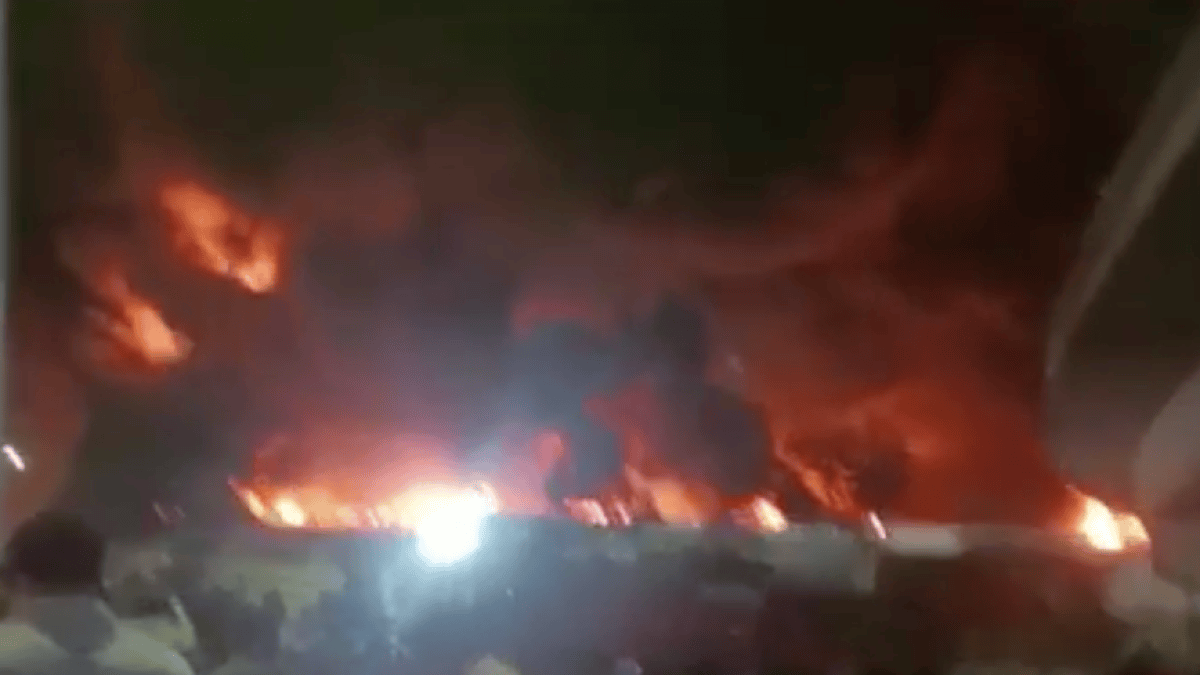
On a major highway in Egypt, a vehicle transporting petroleum products overturned and ignited, creating a massive fireball that claimed the lives of at least 30 people and injured 15 others, according to the Egyptian health ministry. The incident, reported by Al Jazeera, occurred on a busy road, though the exact location and time were not immediately disclosed. Emergency responders rushed to the scene, but the intensity of the blaze hampered rescue efforts. The death toll is expected to rise as authorities continue to search the wreckage.
The immediate cause of the accident remains under investigation, but preliminary reports suggest the truck may have been speeding or suffered a mechanical failure. Eyewitnesses described scenes of chaos as flames engulfed nearby vehicles and pedestrians. The health ministry has mobilized additional medical teams to treat the injured, some of whom are in critical condition. Local hospitals are overwhelmed, and calls for blood donations have been issued.
This tragedy is one of the deadliest road accidents in Egypt in recent years, highlighting the country's poor road safety record. According to World Health Organization data, Egypt has one of the highest traffic fatality rates in the region, with thousands of deaths annually. The government has pledged to improve infrastructure and enforcement, but critics argue that progress has been slow.
Market reaction to the incident has been muted, as it is a localized tragedy with limited direct financial impact. However, shares of logistics and transport companies operating in Egypt could face short-term pressure as investors assess regulatory risks. The Egyptian pound remained stable against the dollar, and the main stock index showed no significant movement. Analysts note that while the human cost is immeasurable, the economic fallout will likely be contained unless it triggers broader safety crackdowns.
Deep Technical & Financial Architecture
The transport of hazardous materials like petroleum products involves a complex web of safety protocols, technologies, and financial considerations. Modern fuel trucks are equipped with advanced telematics systems that monitor vehicle dynamics, driver behavior, and cargo conditions in real-time. These systems can detect rollover risks, sudden braking, and temperature fluctuations, alerting drivers and fleet managers to potential hazards. However, adoption rates vary widely; in developing markets like Egypt, many trucks lack even basic safety features such as stability control or fire suppression systems.
From a financial perspective, the incident underscores the hidden costs of inadequate safety infrastructure. Insurance premiums for hazardous materials transport are typically high, reflecting the catastrophic risk. A major accident can lead to substantial claims, potentially straining insurers' balance sheets. Moreover, liability costs can be enormous, especially if negligence is proven. For fleet operators, investing in safety technology is not just a regulatory requirement but a financial imperative: a single disaster can wipe out years of profits.
The technology stack for modern fuel trucks includes electronic stability control (ESC), automatic fire suppression systems, and collision avoidance systems. ESC helps prevent rollovers by automatically braking individual wheels, while fire suppression systems use sensors to detect and extinguish fires in their incipient stages. Collision avoidance uses radar and cameras to warn drivers of impending crashes. These technologies are proven to reduce accidents, but their high cost (often tens of thousands of dollars per vehicle) is a barrier in price-sensitive markets.
Unit economics of fuel transport are tight, with thin margins dictated by fuel prices and competition. Adding safety technology increases upfront costs but can lower insurance premiums and reduce downtime. A 2019 study by the International Transport Forum found that every dollar invested in advanced safety systems yields up to $4 in savings from reduced accidents. However, in Egypt, where fuel subsidies and informal competition distort the market, the incentive to invest is weaker. The government's role in enforcing standards and providing incentives is crucial.
Data from the Egyptian General Petroleum Corporation (EGPC) shows that the country transports over 20 billion liters of petroleum products annually, mostly by road. With thousands of tanker trucks on the road, the risk exposure is significant. The lack of a centralized monitoring system means that many incidents go unreported or unaddressed. Implementing a nationwide IoT-based tracking system could cost an estimated $50 million but could save hundreds of lives and billions in economic losses.
Industry & Global Market Ripple Effects
The Egypt fuel truck fire is a stark reminder of the global challenge of hazardous materials transport. Similar incidents occur worldwide, from Nigeria to India, often with devastating consequences. The logistics industry is increasingly turning to technology to mitigate these risks. Companies like Samsara, Omnitracs, and Verizon Connect offer fleet management solutions that include real-time monitoring and driver safety analytics. These platforms are gaining traction in developed markets but are still nascent in Africa and the Middle East.
In the wake of the tragedy, Egyptian authorities may face pressure to accelerate the adoption of smart transport technologies. This could open opportunities for tech providers specializing in IoT, AI, and cloud-based fleet management. Local startups like Cairo-based Fleetio and Logistica are already offering telematics solutions, but scaling them requires investment and regulatory support. International players might also see an opening, partnering with local firms to deploy advanced safety systems.
Supply chain disruptions are another concern. The accident occurred on a major road, likely a key artery for fuel distribution. Prolonged closures could lead to fuel shortages in affected regions, driving up prices and impacting businesses. The Egyptian government maintains strategic fuel reserves, but logistical bottlenecks could still cause localized disruptions. The incident may prompt a review of transport routes and contingency plans.
Investors in the transport and logistics sector will be watching closely. Companies with strong safety records and advanced technology could be seen as more resilient, while those with aging fleets may face sell-offs. The insurance industry will also reassess risk models for Egypt, potentially raising premiums for hazardous materials transport. This could accelerate the adoption of safety tech as operators seek to mitigate costs. Globally, the incident adds to the growing body of evidence that technology is essential for preventing such disasters.
Critical Perspectives, Analyst Debates & Risk Factors
While the need for advanced safety technology is clear, critics argue that technology alone cannot solve the problem. Corruption, weak enforcement, and lack of driver training are systemic issues that must be addressed. In Egypt, traffic laws are often poorly enforced, and drivers may work excessive hours without rest. A 2022 report by the World Bank highlighted that road safety in Egypt is hampered by inadequate funding for enforcement and a lack of political will. Without addressing these root causes, even the best technology may not prevent accidents.
Some analysts question whether the private sector can afford the necessary investments. Fuel transport margins are thin, and many operators are small businesses with limited access to capital. Government subsidies for safety upgrades could help, but Egypt's fiscal constraints may limit such programs. Alternatively, public-private partnerships could be explored, with the government providing incentives for technology adoption. However, bureaucratic hurdles and corruption risks could undermine such initiatives.
There is also debate about the role of autonomous technology. While self-driving trucks are being tested in developed countries, they are far from deployment in Egypt. The infrastructure and regulatory frameworks are not ready. Instead, focus should be on incremental improvements: better driver training, stricter enforcement of speed limits, and mandatory rest periods. These low-tech solutions can be highly effective if implemented properly.
Risk factors include the potential for copycat incidents or terrorism. While there is no evidence of foul play in this case, fuel trucks are attractive targets for extremists. Security measures at fuel depots and along transport routes may need to be reviewed. Additionally, the incident could trigger public outrage and demands for accountability, putting pressure on officials to act. If the response is seen as inadequate, it could erode trust in the government and lead to protests.
Strategic Forecast & Road Ahead
In the next 12 to 24 months, expect the Egyptian government to announce new safety regulations for hazardous materials transport. These may include mandatory installation of electronic stability control and fire suppression systems, as well as stricter licensing requirements for drivers. Enforcement will be key, and authorities may deploy automated monitoring systems to catch violations. The government might also seek international assistance, such as loans or grants from the World Bank or African Development Bank, to fund safety upgrades.
The private sector will likely respond with innovation. Telematics companies may offer affordable, cloud-based solutions tailored to local needs. Startups could emerge with low-cost sensors and analytics platforms. International firms may partner with local distributors to penetrate the market. The insurance industry will play a crucial role by offering discounts for vehicles equipped with safety technology, creating a financial incentive for adoption.
Investors should watch for policy announcements and pilot programs. Companies that position themselves as leaders in transport safety technology could see significant growth. Additionally, the incident may accelerate the development of alternative fuel transport methods, such as pipelines, which are inherently safer for bulk transport. However, pipeline projects require massive investment and political stability, so they are a long-term prospect.
Ultimately, the Egypt fuel truck fire is a tragic reminder of the cost of neglecting safety. It presents an opportunity for the country to modernize its transport sector and for technology providers to make a meaningful impact. The road ahead is challenging, but with concerted effort from government, industry, and civil society, similar disasters can be prevented. As the investigation unfolds, the world will be watching to see if Egypt can turn this tragedy into a catalyst for change.


Comments (0)
No comments yet. Be the first to share your thoughts!
Leave a Comment