IIMBAA Sports Fest: 500 Alumni, 115 CXOs Descend on Bengaluru
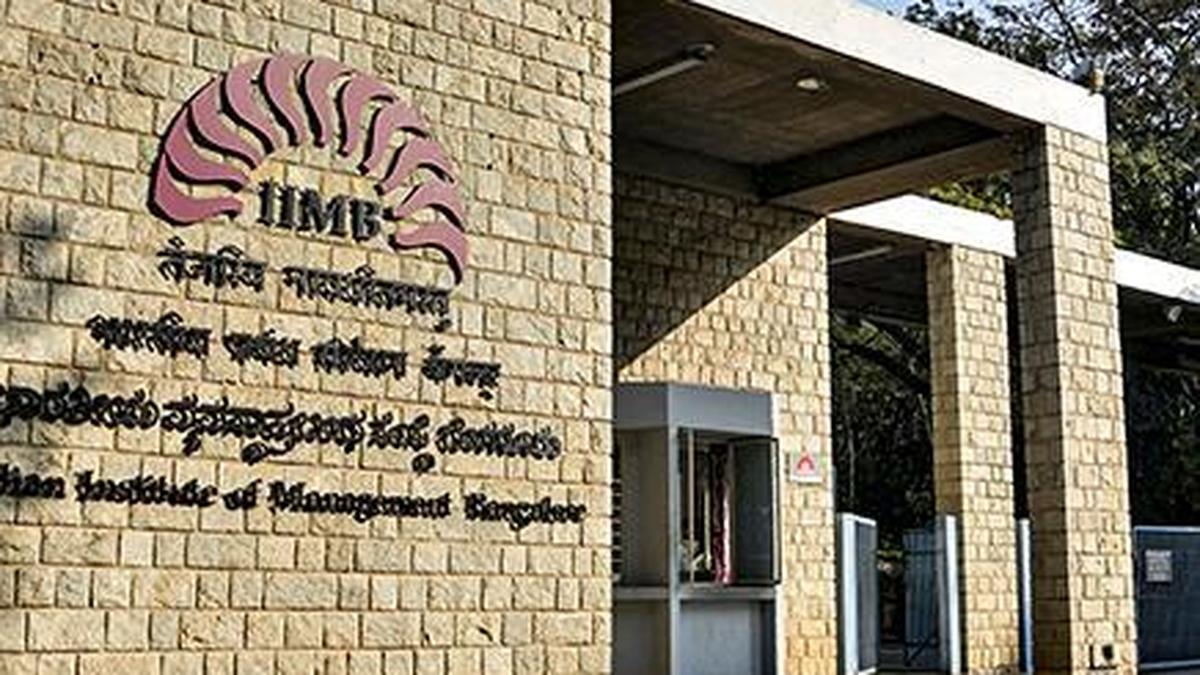
IIMBAA will convene 500 alumni, 115 CXOs and 21 management institutions for a two-day inter-institutional alumni sports festival in Bengaluru, drawing IIM, ISB and XLRI communities.
Executive Takeaways
- Scale: The IIM Bangalore Alumni Association (IIMBAA) is convening roughly 500 alumni, 115 CXOs and representatives of 21 management institutions for a two-day inter-institutional alumni sports festival in Bengaluru.
- Participants: Alumni communities from the IIM system, the Indian School of Business (ISB) and XLRI are among the premier institutions expected to take part.
- Signal: The event is a case study in how elite B-school alumni networks convert sporting camaraderie into deal flow, hiring pipelines and institutional brand equity.
- Watch: Whether the festival becomes a recurring, monetizable platform and how sponsors, recruiters and rival alumni bodies respond.
Section 1: The Core Event & Breaking Timeline
The Indian Institute of Management Bangalore Alumni Association (IIMBAA) is set to stage a two-day inter-institutional alumni sports festival in Bengaluru, bringing together an estimated 500 alumni, 115 chief experience officers and senior executives, and participants from 21 management institutions. The gathering, first reported by The Hindu, marks one of the more ambitious attempts by an Indian B-school alumni body to formalise a sporting calendar across competing campuses.
The headline numbers tell the story of intent. Five hundred alumni is a mid-sized corporate conference; 115 CXOs is a boardroom-scale roster; 21 institutions is a coalition, not a single-school reunion. Alumni communities from the IIM system, the Indian School of Business (ISB) and XLRI are named among the premier participants, according to the dispatch. The event is scheduled across two days in Bengaluru, India's startup and technology capital and the home city of IIM Bangalore.
Timeline and logistics remain the immediate unknowns. The raw dispatch does not specify exact dates, venue, sport disciplines, sponsorship structure or ticketing model. What is clear is the organising architecture: IIMBAA is acting as convener rather than host, positioning the festival as an inter-institutional platform. That distinction matters. A single-school alumni meet is a reunion; a 21-institution festival is a network event with its own governance, scheduling and commercial questions.
Initial market reaction is best read through the lens of alumni-network economics rather than public markets. No listed company is directly implicated, and no financial terms were disclosed. But within India's management-education ecosystem, the announcement lands as a competitive signal. Alumni engagement is a proxy for institutional relevance, and a festival that pulls CXOs from rival campuses gives IIMBAA a visible convening advantage. Expect rival alumni associations to study the format closely.
Section 2: Deep Technical & Financial Architecture
The mechanics of an event of this size are deceptively complex. Coordinating 21 institutions means harmonising eligibility rules, team rosters, sport formats, insurance, medical support and venue scheduling. Each participating alumni body typically fields its own captains and coordinators, creating a federated structure in which IIMBAA sets the framework and member institutions execute locally. The 115 CXO figure implies a deliberate senior-leadership track, likely spanning networking sessions, keynote conversations and curated matchups alongside conventional sport.
On the financial side, the unit economics of alumni festivals rest on four revenue and cost pillars. Revenue typically flows from title and category sponsorships, registration fees, institutional contributions and in-kind partnerships. Costs concentrate in venue hire, hospitality, logistics, insurance, technology and marketing. A 500-participant, two-day event in a metro like Bengaluru can plausibly run into tens of lakhs of rupees in direct costs, with sponsorship offsetting much of the outlay. No figures were disclosed, so any modelling remains indicative.
The technology stack is where modern alumni events differentiate themselves. Registration and payment gateways, CRM-linked attendee databases, mobile event apps, live scoring platforms, digital credentials and post-event analytics are now standard. For IIMBAA, the more valuable asset is the data layer: a structured map of which alumni attend, which companies they lead and which institutions they represent. That dataset has long-term value for mentorship programmes, fundraising and corporate partnerships.
Balance-sheet impact for participating institutions is indirect but real. Alumni associations are typically non-profit entities funded by membership dues and endowments. A successful festival can strengthen the case for dues renewal and donor engagement, while a poorly executed one creates reputational drag. For the CXOs involved, the return is measured in relationship capital rather than cash: peer access, hiring conversations and deal-sourcing opportunities that rarely surface in formal conference settings.
There is also an operational risk layer. Large alumni gatherings require clear codes of conduct, liability coverage and contingency planning. The presence of senior executives raises the stakes on safety, privacy and media management. How IIMBAA handles these details will determine whether the festival scales into a repeatable franchise or remains a one-off showcase.
Section 3: Industry & Global Market Ripple Effects
India's management-education sector is intensely competitive, and alumni networks are increasingly treated as strategic assets. IIM Ahmedabad, IIM Calcutta, ISB and XLRI all maintain active alumni bodies with their own events, mentorship programmes and fundraising machines. A multi-institution festival convened by IIMBAA subtly reframes the pecking order, casting Bengaluru's alumni association as a platform builder rather than a single-campus organiser.
For corporate India, the event is a talent and business-development opportunity in disguise. CXOs from 21 institutions in one city over two days represent a dense concentration of decision-makers. Recruiters, startup founders seeking senior hires, and professional-services firms all have incentives to attach themselves as sponsors or partners. Expect sponsorship interest to extend beyond traditional B-school advertisers into fintech, consulting, healthcare and consumer brands.
Globally, alumni sports festivals are an established format. Oxford and Cambridge maintain fierce inter-collegiate sporting traditions, and US university alumni networks run large-scale reunions and golf tournaments that double as fundraising engines. The Indian variant is distinctive in its cross-institution, CXO-heavy composition. If IIMBAA's model succeeds, it could inspire similar coalitions among engineering alumni networks, medical colleges and even corporate alumni groups.
Supply-chain effects are modest but present. Venues, hospitality providers, sports equipment vendors, event-technology platforms and media-production firms in Bengaluru stand to benefit. The broader ecosystem shift is cultural: Indian B-schools are moving from episodic reunions toward structured, year-round alumni engagement, and sport is proving a low-friction entry point that sidesteps the awkwardness of pure networking events.
Section 4: Critical Perspectives, Analyst Debates & Risk Factors
Sceptics will note that the announcement is long on ambition and short on specifics. Dates, venues, sports, budgets and sponsorship details are absent from the dispatch. Without those particulars, it is difficult to assess whether the festival is a genuinely scaled operation or a headline-friendly framing of a conventional alumni meet. The 115-CXO figure in particular deserves scrutiny: is it confirmed attendance or an invitation list?
There is also a debate about purpose. Supporters argue that sport builds trust faster than panel discussions and that cross-institution rivalry generates genuine engagement. Critics counter that elite alumni festivals risk becoming insular showcases for the already-privileged, with limited benefit to students, faculty or the wider startup ecosystem. The absence of women's participation metrics, accessibility provisions or student involvement in the dispatch leaves those questions open.
Regulatory and institutional friction is another consideration. Alumni associations operate under society or trust structures with their own governance rules. Cross-institution events require agreements on branding, data sharing and liability. If CXOs are attending in a personal capacity, their employers may have compliance requirements around gifts, hospitality and public appearances. None of this is insurmountable, but it adds administrative weight.
Finally, there is the risk of overreach. Alumni bodies that expand into large-format events can strain volunteer capacity and finances. A single weather disruption, venue failure or safety incident could damage the brand. The prudent path is a measured first edition with clear success metrics, followed by disciplined scaling.
Section 5: Strategic Forecast & Road Ahead
Over the next 12 months, the immediate milestone is execution. Watch for the release of dates, venue, sport disciplines and sponsorship partners. A credible title sponsor and a named venue would signal institutional commitment. Registration numbers, particularly the ratio of confirmed CXOs to invited ones, will be the first real test of the festival's pulling power.
In the 12-to-24-month window, the key question is whether the format becomes recurring. A successful first edition could evolve into an annual inter-B-school alumni league, with rotating host cities and a season-long points table. That would require formal governance, a permanent secretariat and multi-year sponsor commitments, but it would also create a durable asset for IIMBAA.
Adjacent opportunities are considerable. A digital platform for alumni matchmaking, mentorship and hiring could extend the festival's value beyond two days. Corporate partnerships around executive education, startup pitch competitions and research collaborations are natural extensions. If IIMBAA builds the data and community infrastructure properly, the sports festival becomes the front door to a year-round alumni economy.
What to watch: confirmation of dates and venue; the sponsor roster; the mix of participating institutions; safety and governance protocols; and whether rival alumni bodies launch competing formats. For Incisor News readers in technology, finance and business, the story to track is not the cricket or the football. It is whether India's elite alumni networks can professionalise into platforms that move capital, talent and ideas, not just trophies.


Comments (0)
No comments yet. Be the first to share your thoughts!
Leave a Comment