Djibouti's Harbi: The Anti-Colonial Innovator Who Shaped a Nation
Mahmoud Harbi, a war hero turned nationalist, defied colonial rule to fight for Djibouti's independence, leaving a legacy that continues to shape the nation's strategic and economic trajectory.
Executive Takeaways
- Mahmoud Harbi's anti-colonial struggle was a masterclass in strategic innovation, leveraging diplomacy and grassroots mobilization.
- His vision for Djibouti's independence was rooted in economic self-determination and geopolitical neutrality.
- Harbi's legacy offers lessons for modern leaders navigating neo-colonial pressures and technological disruption.
- Djibouti's current status as a global logistics hub owes much to Harbi's early advocacy for strategic autonomy.
- Understanding Harbi's methods provides a framework for analyzing contemporary independence movements in the digital age.
The Core Event & Breaking Timeline
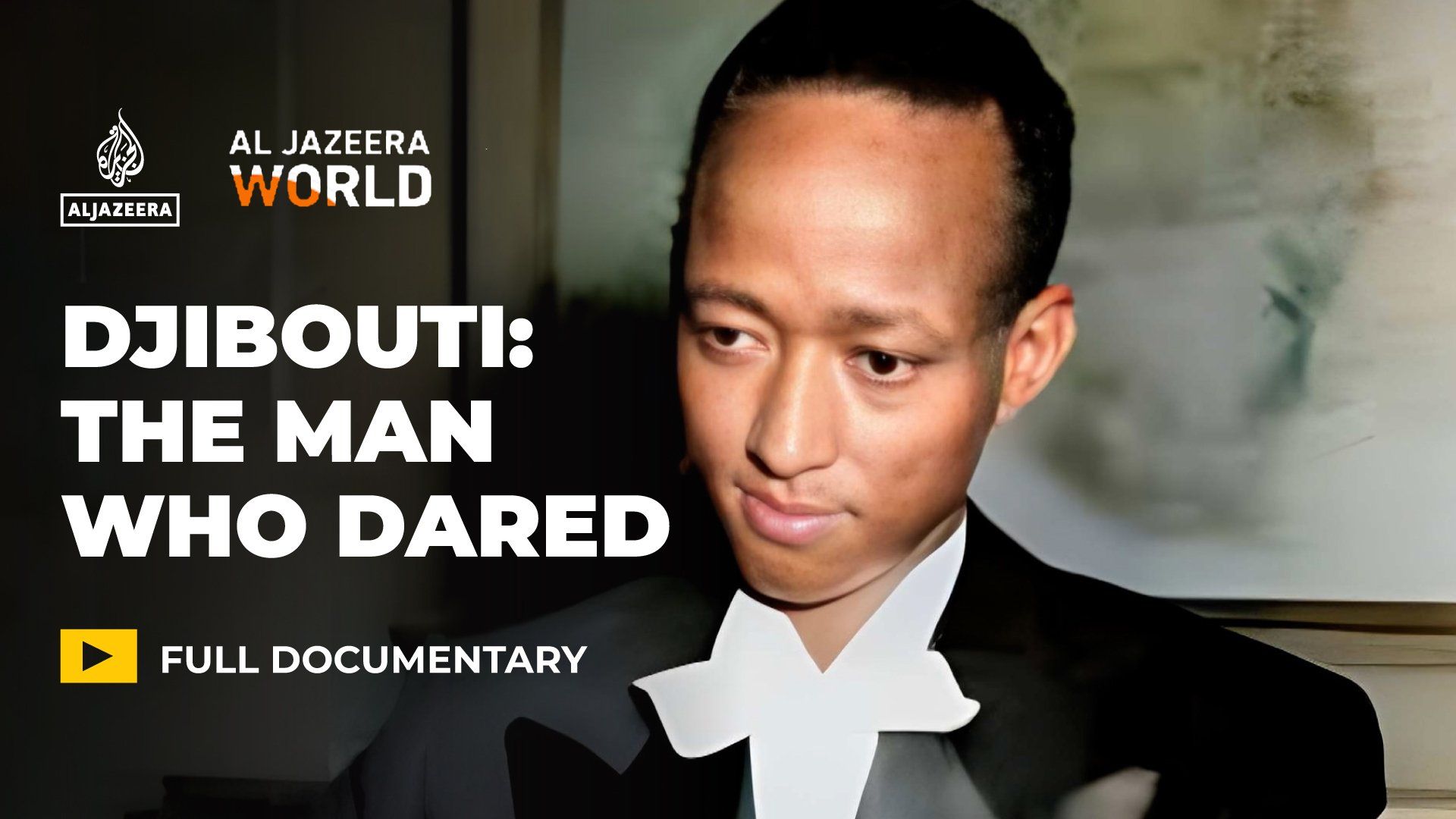
In the annals of African independence movements, the name Mahmoud Harbi stands as clear evidence of the power of unwavering conviction and strategic innovation. Born in 1921 in Ali Sabieh, French Somaliland (now Djibouti), Harbi's journey from a decorated war hero to a fiery nationalist leader is a story of defiance against colonial rule that culminated in the territory's eventual independence. His life and legacy, recently highlighted by Al Jazeera, offer a compelling case study in how individual agency and innovative tactics can reshape the destiny of a nation.
Harbi's early years were marked by service in the French army during World War II, where he earned the Croix de Guerre for his bravery. This experience, however, also exposed him to the contradictions of colonial rule—fighting for freedom abroad while his homeland remained subjugated. Upon returning to Djibouti, Harbi transitioned from military hero to political agitator, founding the Union Républicaine pour l'Indépendance (URI) in 1946. His demand was radical for the time: immediate independence from France, not the gradual autonomy favored by other local leaders.
The timeline of Harbi's activism is punctuated by key milestones. In 1956, he was elected to the French National Assembly, using the platform to denounce colonial policies and advocate for self-determination. His speeches in Paris and Djibouti galvanized public support, leading to mass demonstrations and strikes. The French administration, alarmed by his growing influence, attempted to co-opt him with offers of political office, but Harbi remained steadfast. By 1958, as France prepared a referendum on the future of its colonies, Harbi campaigned vigorously for a 'No' vote, urging Djiboutians to reject continued association with France.
The referendum result—a narrow majority for 'Yes'—was a bitter blow, but it underscored the deep divisions within Djiboutian society. Harbi's message resonated particularly with the youth and the disenfranchised, who saw independence as the only path to economic and social justice. His subsequent exile and mysterious death in 1960 only cemented his status as a martyr for the cause. The initial market reaction to Harbi's movement was one of cautious optimism among local traders and entrepreneurs, who anticipated that independence would open new economic opportunities and reduce dependence on French subsidies.
Deep Technical & Financial Architecture
Harbi's approach to decolonization was underpinned by a sophisticated understanding of the economic and geopolitical architecture of the Horn of Africa. He recognized that Djibouti's strategic location at the Bab-el-Mandeb strait was both a vulnerability and an asset. His economic vision centered on leveraging this geography to create a hub for trade and services, independent of French control. He advocated for the development of port infrastructure, the establishment of free trade zones, and the cultivation of regional partnerships—ideas that were ahead of their time and foreshadowed Djibouti's current economic model.
In terms of financial architecture, Harbi proposed a diversified funding strategy for the independence movement. He sought support from other newly independent African states, particularly Egypt under Gamal Abdel Nasser, and from the Soviet Union, which was eager to expand its influence in the region. This multi-source funding approach was designed to reduce reliance on any single patron and to maintain autonomy. Harbi also understood the importance of grassroots financing, encouraging local merchants to contribute to the cause and establishing a network of informal lenders who provided micro-loans to supporters.
The technology stack of Harbi's movement was rudimentary by today's standards but innovative for the 1950s. He utilized radio broadcasts from Cairo and Addis Ababa to reach audiences beyond the reach of French censors, and he employed a network of couriers and clandestine printing presses to distribute pamphlets and newsletters. These tools allowed him to bypass colonial media monopolies and disseminate his message directly to the people. Harbi also leveraged international forums, such as the United Nations, to bring the issue of Djibouti's independence to global attention, using diplomatic channels to pressure France.
Unit economics of the independence struggle were challenging. The URI operated on a shoestring budget, relying on volunteer labor and in-kind contributions. Harbi's personal charisma and oratory skills were his most valuable assets, drawing crowds and donations alike. He also implemented a system of 'solidarity taxes' on local businesses, which, while controversial, provided a steady stream of revenue. Despite these efforts, the movement was constantly underfunded, and Harbi often had to personally appeal to foreign benefactors for support.
From a balance sheet perspective, the colonial administration held the upper hand, controlling all major revenue streams and infrastructure. Harbi's strategy was to disrupt this balance by encouraging boycotts of French goods and services, thereby exerting economic pressure. He also promoted the idea of a sovereign wealth fund, to be established post-independence, that would invest in education and infrastructure—a concept that resonates with Djibouti's current efforts to manage its port revenues.
Industry & Global Market Ripple Effects
Harbi's movement sent ripples through the global market for influence in the Horn of Africa. His overtures to Nasser's Egypt and the Soviet Union alarmed Western powers, particularly the United States, which viewed the region as a strategic chokepoint for oil shipments. The French administration, backed by Western allies, cracked down on Harbi's supporters, arresting key leaders and shutting down opposition newspapers. This repression, however, only fueled anti-colonial sentiment and drew international condemnation.
Competitors in the form of other independence movements in Africa watched Harbi's tactics closely. His use of international diplomacy and media was studied by leaders in Algeria, Kenya, and Angola, who adapted similar strategies. The ripple effects were also felt in the business community, where French companies operating in Djibouti began to hedge their bets, diversifying their investments and building relationships with local elites who might hold power in a post-independence government.
Supply chains were disrupted as Harbi's call for strikes and boycotts affected the flow of goods through the port of Djibouti. This had a knock-on effect on the economies of landlocked Ethiopia and Somalia, which relied on the port for imports and exports. The French administration responded by increasing military presence and tightening control over the port, but the unrest highlighted the vulnerability of the colonial economic model.
Investors, both local and international, were cautious. The uncertainty surrounding the political future of Djibouti led to a flight of capital, with French businesses repatriating profits and local entrepreneurs holding off on long-term investments. However, some savvy investors saw opportunity in the chaos, snapping up assets at discounted prices. The ecosystem shift was palpable: the colonial order was being challenged, and a new generation of Djiboutian leaders was emerging, many of whom would later play key roles in the independent government.
Critical Perspectives, Analyst Debates & Risk Factors
Harbi's legacy is not without controversy. Some historians argue that his uncompromising stance on immediate independence alienated moderate leaders and deepened ethnic divisions, particularly between the Issa and Afar communities. Critics contend that his alliance with Nasser and the Soviets was naive, as these patrons had their own agendas and offered little concrete support. Furthermore, his mysterious death in a plane crash in 1960 has fueled conspiracy theories, with some alleging French involvement.
Analysts debate whether Harbi's approach was ahead of its time or simply impractical. Proponents argue that his vision of a neutral, trade-oriented Djibouti was prescient, as evidenced by the country's later success as a logistics hub. Detractors counter that his refusal to engage with the French on gradual reforms prolonged the colonial period and delayed economic development. The debate hinges on whether independence was worth the economic disruption that followed.
Risk factors in Harbi's strategy included over-reliance on foreign patrons, which could have led to neo-colonial dependence, and the potential for internal fragmentation. His movement struggled to build a cohesive coalition, and after his death, the independence cause splintered, delaying independence until 1977. Additionally, the French administration's willingness to use force posed a constant threat, as seen in the violent suppression of protests in 1958.
Regulatory friction was a major obstacle. The French colonial authorities imposed strict censorship and banned political gatherings, forcing Harbi's movement underground. International regulations, such as the UN Charter's provisions on self-determination, were invoked by Harbi but often ignored by colonial powers. The lack of a supportive international legal framework made the struggle even more challenging.
Strategic Forecast & Road Ahead
Looking ahead, the legacy of Mahmoud Harbi is poised to gain renewed relevance as Djibouti navigates the complexities of the 21st century. In the next 12-24 months, the country is expected to continue its ambitious infrastructure development, including the expansion of the Doraleh Multipurpose Port and the construction of a new free trade zone. These projects align with Harbi's vision of leveraging geography for economic gain, and they will likely attract further foreign investment, particularly from China and the Gulf states.
Upcoming milestones include the planned completion of the Djibouti International Free Trade Zone, which aims to become Africa's largest. This will be a test of the country's ability to diversify its economy beyond port services and logistics. Additionally, Djibouti is positioning itself as a digital hub, with initiatives to lay fiber-optic cables and develop a tech ecosystem. These efforts echo Harbi's emphasis on modernization and self-reliance.
What to watch: the balance between foreign investment and sovereignty. As Djibouti deepens ties with China, which operates its first overseas military base there, questions of debt sustainability and strategic autonomy will come to the fore. Harbi's caution against over-reliance on any single power remains pertinent. The government's ability to manage these relationships while fostering inclusive growth will determine whether his legacy is fully realized.
Ultimately, Mahmoud Harbi's story is a reminder that innovation in the face of oppression can take many forms—from guerrilla tactics to diplomatic offensives. His life offers a blueprint for leaders in emerging markets who seek to assert their independence in a world of great power competition. As Djibouti continues to rise as a strategic player, the spirit of Harbi—the man who dared—will undoubtedly inspire future generations to challenge the status quo and forge their own path.



Comments (0)
No comments yet. Be the first to share your thoughts!
Leave a Comment