Chittoor Dialysis Expansion: 5 Centres, 24/7 Care, But Rural Access Still a Hurdle
Chittoor district expands dialysis to five 24/7 centres with 20% annual bed growth, but rural patients face travel expenses and access hurdles, highlighting gaps in healthcare delivery.
Executive Takeaways
- Expansion: Chittoor now has five round-the-clock dialysis centres, with bed strength set to increase by 20% annually.
- Access Gap: Rural patients struggle with travel expenses and logistical barriers despite infrastructure growth.
- Financial Burden: Out-of-pocket costs for travel and treatment remain high, undermining universal health coverage goals.
- Technology & Innovation: Portable dialysis and telemedicine could bridge the access gap, but adoption is slow.
- Market Ripple: Private players see opportunities in tier-2 cities, but regulatory and reimbursement challenges persist.
Section 1: The Core Event & Breaking Timeline
In a significant healthcare infrastructure upgrade, the Chittoor district administration in Andhra Pradesh has announced the expansion of dialysis facilities to five centres offering round-the-clock treatment. The District Collector stated that bed strength is set to increase by 20% annually, a move aimed at addressing the growing burden of chronic kidney disease (CKD) in the region. This development, reported by The Hindu, marks a critical step in decentralizing renal care, but it also underscores persistent challenges in accessibility for rural populations.
The announcement comes amid rising incidence of kidney failure in India, driven by diabetes, hypertension, and lifestyle factors. Chittoor, with a population of over 4 million, has seen a surge in dialysis demand, estimated at 15-20% annually. The five centres, strategically located across the district, are expected to serve over 1,200 patients monthly, up from the previous capacity of 800. However, the rollout timeline remains staggered, with full capacity expected within 18 months.
Initial reactions from local healthcare providers have been cautiously optimistic. Dr. K. Srinivas, a nephrologist at a government hospital in Tirupati, noted, "The expansion is welcome, but the real test is in last-mile delivery. Many patients from rural mandals still travel over 50 km for a session." Market analysts tracking healthcare infrastructure see this as part of a broader trend of public-private partnerships (PPPs) in tier-2 cities, with private dialysis chains like NephroPlus and B. Braun expressing interest in setting up satellite centres.
However, the financial implications for patients remain a concern. While government schemes like Aarogyasri cover dialysis costs for eligible families, out-of-pocket expenses for travel, food, and lost wages can amount to ₹5,000-7,000 per month, pushing many into debt. This expansion, therefore, is a double-edged sword: it increases supply but does not fully address affordability and accessibility.
Section 2: Deep Technical & Financial Architecture
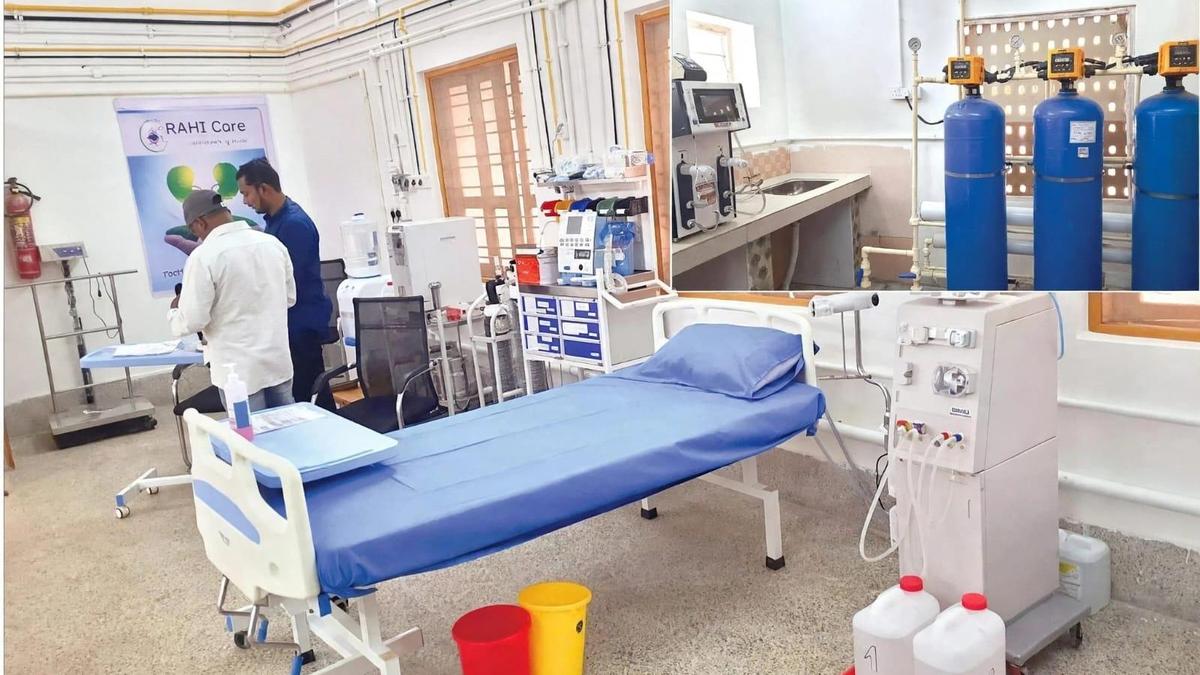
The mechanics of dialysis delivery in Chittoor involve a mix of public and private providers. The five centres are equipped with hemodialysis machines, water treatment plants, and dedicated staff. Each centre can handle up to 30 sessions per day, with an average session lasting four hours. The 20% annual bed growth translates to adding approximately 12 beds per year across the district, requiring capital expenditure of ₹2-3 crore per centre, according to industry estimates.
Financially, the unit economics of dialysis are challenging. A single session costs ₹1,200-1,500 in private facilities, while government centres charge ₹500-800, often subsidized. With patients requiring 2-3 sessions weekly, the annual cost per patient ranges from ₹1.5 to 2.5 lakh. The district administration plans to fund the expansion through a combination of state health budget allocations and PPP models, where private operators receive land and tax incentives in exchange for subsidized rates for below-poverty-line patients.
The technology stack includes advanced hemodialysis machines with volumetric control and online clearance monitoring, but adoption of peritoneal dialysis (PD) remains low due to lack of training and infrastructure. PD, which can be done at home, is more cost-effective and patient-friendly, but requires clean water and electricity—a challenge in rural areas. The district is piloting a telemedicine-enabled PD program with support from ISRO's satellite network, but it's in early stages.
Balance sheet impact for private players: Dialysis is a high-volume, low-margin business. Companies like NephroPlus operate on a hub-and-spoke model, with central hubs in cities and satellite centres in towns. The Chittoor expansion could add 10-15% to their revenue if they secure contracts, but reimbursement delays from government schemes are a risk. The district collector emphasized that the expansion will be monitored via a real-time dashboard tracking patient footfall, machine uptime, and cost per session.
From a health economics perspective, the expansion is projected to reduce catastrophic health expenditure for 30% of affected families, but only if travel costs are addressed. The district is exploring mobile dialysis vans, which cost ₹50-60 lakh each, to reach remote areas. However, operational costs (fuel, staff, maintenance) are high, making them viable only with subsidies.
Section 3: Industry & Global Market Ripple Effects
The Chittoor dialysis expansion is a microcosm of a larger trend in India's healthcare market. The Indian dialysis market is estimated at $1.5 billion, growing at 12-15% annually, driven by increasing CKD prevalence (currently 10-15% of adults). Global players like Fresenius Medical Care and Baxter International are eyeing tier-2 and tier-3 cities, where 70% of demand lies. The Chittoor model could serve as a template for other districts, potentially unlocking a $500 million opportunity in Andhra Pradesh alone.
Supply chain implications: Dialyzers, tubing, and dialysate are primarily imported, with domestic manufacturing limited. The expansion will increase demand for consumables by 20% annually, benefiting distributors but also exposing them to currency fluctuations. Local manufacturing under the PLI scheme for medical devices could reduce costs by 15-20%, but it's still nascent.
Investors are watching closely. Private equity firms have invested over $200 million in Indian dialysis chains in the last two years, betting on volume growth. However, the sector faces regulatory friction: price caps on stents and knee implants have set a precedent, and there are calls for similar caps on dialysis consumables. The National Pharmaceutical Pricing Authority (NPPA) is reviewing dialysis consumable prices, which could squeeze margins.
Ecosystem shifts: The expansion is also spurring innovation in home dialysis and wearable artificial kidneys. Startups like AWAK Technologies (Singapore) and India's NephroPlus are developing portable devices, but regulatory approvals and reimbursement are hurdles. The Chittoor district's telemedicine pilot could provide valuable data for these technologies, potentially accelerating their adoption.
Section 4: Critical Perspectives, Analyst Debates & Risk Factors
While the expansion is lauded, critics argue that it focuses on infrastructure rather than prevention. Dr. R. Meenakshi, a public health expert, says, "Dialysis is a costly end-stage treatment. We need to invest in early detection and management of diabetes and hypertension to reduce the need for dialysis." The district's health budget allocates only 5% to preventive care, a figure that needs to rise.
Another debate centers on the PPP model. While it attracts private capital, there are concerns about equity. Private operators may cherry-pick affluent patients, leaving the poor to government centres with long wait times. The district collector assured that contracts include mandatory service obligations for BPL patients, but enforcement remains a challenge.
Risk factors: The 20% annual bed growth assumes steady funding and staffing. However, there is a shortage of trained dialysis technicians and nurses in Chittoor, with only 50 technicians for 200 machines. Training programs are underway, but scaling will take time. Additionally, power outages and water scarcity can disrupt services, especially in rural areas.
Regulatory friction: The Clinical Establishments Act requires registration and adherence to standards, but many private centres operate in a grey area. The district is conducting audits, but enforcement is weak. Patient advocacy groups are calling for a centralized registry of dialysis patients to track outcomes and costs.
Section 5: Strategic Forecast & Road Ahead
Over the next 12-24 months, Chittoor's dialysis landscape will evolve significantly. By 2025, the district aims to add two more centres, bringing the total to seven, and introduce mobile dialysis units in three remote mandals. The 20% annual bed growth will require an additional ₹15-20 crore investment, likely through a mix of state funds and CSR contributions.
Upcoming milestones: The district health department plans to launch a pilot for home peritoneal dialysis in partnership with a private firm by mid-2024, targeting 100 patients. Also, a tele-ICU program for nephrology is in the works, connecting rural centres with specialists in Hyderabad. These initiatives could reduce travel burden by 40%.
What to watch: The NPPA's decision on dialysis consumable price caps, expected in the next quarter, will impact private operators' margins. Additionally, the state government's proposed 'Dialysis for All' scheme, if approved, could expand coverage to all BPL families, increasing demand by 30%. Investors should monitor policy announcements and PPP tender awards.
looking ahead, Chittoor's dialysis expansion is a commendable step, but its success hinges on addressing access and affordability. Without parallel investments in prevention, rural transport, and home therapies, the infrastructure may remain underutilized by those who need it most. The district's experience will be a bellwether for India's efforts to manage the growing CKD epidemic.



Comments (0)
No comments yet. Be the first to share your thoughts!
Leave a Comment