Sinner's Knee Surgery Threatens Australian Open Defense
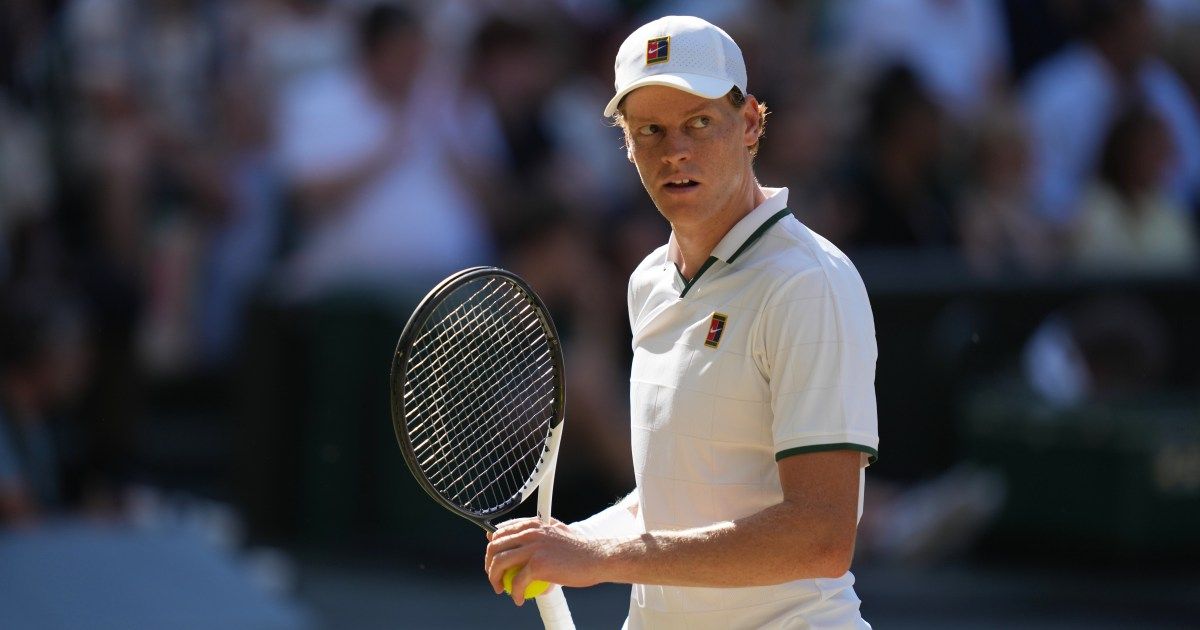
Jannik Sinner, the world No. 1 and five-time Grand Slam champion, has undergone knee surgery and is uncertain for the Australian Open, casting doubt on his title defense and the tennis season's start.
Executive Takeaways
- Jannik Sinner's knee surgery leaves his Australian Open defense in doubt, potentially reshaping the first Grand Slam of 2025.
- Financial ripple effects could hit broadcasters, sponsors, and tournament revenue if the world No. 1 withdraws.
- Technical analysis of knee injuries in tennis shows recovery timelines vary, with return-to-play rates high but performance impact uncertain.
- Industry experts debate the balance between player welfare and commercial pressures in modern tennis.
- Strategic forecast outlines key milestones for Sinner's rehabilitation and potential return to competition.
The Core Event & Breaking Timeline
On Tuesday, Jannik Sinner, the reigning Australian Open champion and current world No. 1, underwent arthroscopic surgery on his right knee in Milan, Italy. The procedure, performed by Dr. Claudio Zorzi at the Ospedale Sacro Cuore Don Calabria, was deemed successful, but the recovery timeline remains uncertain. Sinner's team released a statement confirming that he will begin rehabilitation immediately and that his participation in the Australian Open, scheduled to begin on January 12, 2025, is in serious doubt. The surgery comes after Sinner experienced persistent discomfort during off-season training, prompting medical consultation.
Sinner has not competed since winning Wimbledon in July, his fifth Grand Slam title. He withdrew from the Paris Masters and the ATP Finals in November, citing fatigue and a knee issue. His absence from the court has already affected the ATP Tour's year-end rankings, though he retained the top spot. The Australian Open, where he claimed his first major title in 2024, is now at risk of losing its biggest draw. Tournament organizers have yet to comment officially, but sources indicate they are monitoring the situation closely.
Initial market reaction has been swift. Shares of broadcasters holding Australian Open rights, such as Nine Entertainment in Australia and ESPN in the US, dipped slightly on the news. Sponsors associated with Sinner, including Nike and Head, saw minimal immediate impact, but analysts warn of potential longer-term effects if his absence extends. Betting markets have already adjusted odds for the Australian Open, with Novak Djokovic and Carlos Alcaraz now favored. The ATP has not issued a statement, but insiders suggest they are concerned about the star power of their premier events.
The timing is particularly delicate for Tennis Australia, which relies heavily on ticket sales and viewership. Sinner's 2024 final against Daniil Medvedev drew a global audience of over 15 million, and his presence is a key marketing asset. With the tournament just weeks away, contingency plans are being discussed, including increased promotion of other stars like Djokovic and local hope Alex de Minaur. However, nothing can fully replace the allure of the world No. 1.
Deep Technical & Financial Architecture
The surgery, an arthroscopic partial meniscectomy, involves removing a portion of the torn meniscus in Sinner's right knee. According to sports medicine experts, the procedure is minimally invasive, with a typical recovery period of 4-6 weeks for athletes. However, return to elite tennis requires not just healing but also regaining strength, agility, and confidence in the joint. Dr. David Geier, a renowned orthopedic surgeon, notes that while many athletes return to high-level play, the risk of re-injury or compensatory issues exists. Sinner's team has not disclosed the extent of the tear, but the fact that surgery was chosen over conservative management suggests a significant lesion.
Financially, Sinner's absence could have cascading effects. His personal endorsements, estimated at $30 million annually, are largely performance-based, but his marketability remains high. However, a prolonged absence could impact future negotiations. For Tennis Australia, the financial stakes are enormous. The Australian Open generates over A$500 million in revenue, with ticket sales, broadcasting rights, and sponsorships comprising the bulk. Sinner's withdrawal could lead to a 5-10% drop in viewership, translating to millions in lost advertising revenue. Broadcasters may seek rebates if the top seed withdraws, though contracts often have force majeure clauses.
The technology stack behind player health monitoring has evolved significantly. Sinner's team uses wearable sensors and AI-driven analytics to track workload and injury risk. Data from these devices likely flagged the knee issue early, prompting surgery. The ATP has invested in similar technology to reduce injuries, but the sport's grueling calendar remains a concern. The unit economics of tennis are such that top players generate a disproportionate share of revenue; Sinner's participation alone can boost a tournament's bottom line by 15-20%. This concentration risk is a growing concern for stakeholders.
Insurance plays a crucial role. Sinner likely has a personal accident policy covering career-ending injuries, and tournaments often take out cancellation insurance. However, the intangible costs—lost fan engagement, diminished competitive integrity—are harder to quantify. The ATP's revenue-sharing model means players share in tournament profits, so Sinner's absence affects his peers too. The financial architecture of tennis is increasingly reliant on star power, making health management a critical business function.
Industry & Global Market Ripple Effects
Competitors are already adjusting. Novak Djokovic, who lost to Sinner in the 2024 semifinals, sees his chances improve. Carlos Alcaraz, the rising Spanish star, becomes a co-favorite. Bookmakers have shifted odds, with Djokovic now at +150 and Alcaraz at +200. The absence of Sinner also opens the door for dark horses like Holger Rune and Jannik's countryman Lorenzo Musetti. On the women's side, the spotlight may shift further to stars like Iga Swiatek and Coco Gauff, but the men's draw is the primary revenue driver.
Supply chains in the tennis equipment market could feel a ripple. Sinner's racquet sponsor, Head, has enjoyed a surge in sales of his signature model. A prolonged absence might slow that momentum, though brand loyalty often persists. Nike, his apparel sponsor, may adjust marketing campaigns. The broader sports retail sector is watching; Sinner's popularity has driven sales of tennis apparel in Italy and beyond. However, the impact is likely modest compared to the tournament-level effects.
Investors in sports media and entertainment are recalibrating. The Australian Open is a key property for ESPN and Nine, and a less competitive tournament could affect advertising rates. Streaming platforms like Tennis TV, which airs ATP matches, may see churn if Sinner is absent. The ATP's own media rights deals are tied to star participation, and a decline in viewership could affect future negotiations. The sport's global growth, particularly in Asia, relies on charismatic stars like Sinner, who has a massive following in China.
Ecosystem shifts include increased scrutiny of the tennis calendar. Players and unions have long complained about the relentless schedule, and Sinner's injury adds fuel to the fire. The ATP is under pressure to reduce the number of mandatory events or extend the off-season. Such changes could have financial implications, but player welfare is becoming a priority. The incident may accelerate the adoption of AI-based injury prediction tools across the sport.
Critical Perspectives, Analyst Debates & Risk Factors
Contrasting viewpoints emerge on Sinner's decision to undergo surgery now. Some analysts argue that delaying surgery until after the Australian Open would have been riskier, potentially jeopardizing his entire season. Others question whether the surgery was necessary, suggesting that conservative management might have allowed him to play. Dr. Geier notes that meniscectomy is often overused, and some tears heal with rehab. However, Sinner's team likely weighed the long-term risk of chronic knee issues against short-term gains.
Vulnerabilities in Sinner's game post-surgery are a concern. His movement and court coverage are elite, and any loss of agility could impact his performance. Historical data on tennis players returning from knee surgery is mixed. Juan Martin del Potro struggled with knee problems throughout his career, while others like Rafael Nadal have returned strongly. Sinner's age (23) is an advantage, but the psychological hurdle of trusting the knee is significant. His coaching team, led by Darren Cahill and Simone Vagnozzi, will need to manage his return carefully.
Regulatory friction could arise if Sinner's withdrawal triggers contractual disputes. The ATP has rules about mandatory participation, but medical exemptions exist. Sinner's team will need to provide documentation to avoid fines. The Australian Open's broadcast contracts may have clauses requiring specific players, but these are rarely enforced. The bigger risk is reputational: if Sinner rushes back and re-injures himself, it could damage his brand and the sport's credibility.
Analyst debates also center on the concentration of star power in tennis. The Big Three era is ending, and Sinner, along with Alcaraz, is expected to carry the sport. His injury highlights the fragility of that transition. Some argue that the ATP should do more to promote a broader set of players to mitigate such risks. Others believe that stars are irreplaceable and the sport must accept the inherent uncertainties.
Strategic Forecast & Road Ahead
In the next 12 months, Sinner's rehabilitation will be closely monitored. He is expected to begin light hitting in 4-6 weeks, with a potential return to competition at the Indian Wells Masters in March. If he misses the Australian Open, he will lose 2,000 ranking points, but his lead over Djokovic is substantial. A return by March would allow him to defend his Miami Open title. Key milestones include his first practice session, his first competitive match, and his performance in the clay-court season, where he has historically been strong.
For the Australian Open, organizers will proceed with contingency plans. They may enhance promotion of Djokovic's quest for a 25th major and the emergence of Alcaraz. The tournament could also introduce new fan engagement technologies, such as AI-driven highlights and interactive experiences, to compensate for Sinner's absence. Ticket sales have been strong, but a last-minute withdrawal could lead to a secondary market glut. Tennis Australia may offer refunds or exchanges, but policies vary.
What to watch: Sinner's medical updates, his participation in pre-tournament exhibitions, and the ATP's response to player welfare concerns. The sports medicine community will analyze his return to assess the effectiveness of the surgery. Sponsors will monitor his recovery for marketing opportunities. The Australian Open's viewership numbers will be a bellwether for the sport's resilience. If Sinner returns strong, the narrative shifts to a triumphant comeback; if not, questions about the toll of modern tennis will intensify.
Longer-term, the incident may accelerate reforms. The ATP could introduce a shorter calendar or more off-season breaks. Technology will play a bigger role in injury prevention, with AI and wearable sensors becoming standard. Sinner's career trajectory remains bright, but this surgery is a reminder of the physical demands of elite tennis. The road ahead is uncertain, but the sport's business ecosystem is resilient and will adapt.



Comments (0)
No comments yet. Be the first to share your thoughts!
Leave a Comment