Triple-Engine Growth Model Targets Srikakulam's Tech Future
Union Minister's triple-engine rule aims to accelerate Srikakulam's development, focusing on infrastructure, technology, and finance to transform the region into an innovation hub.
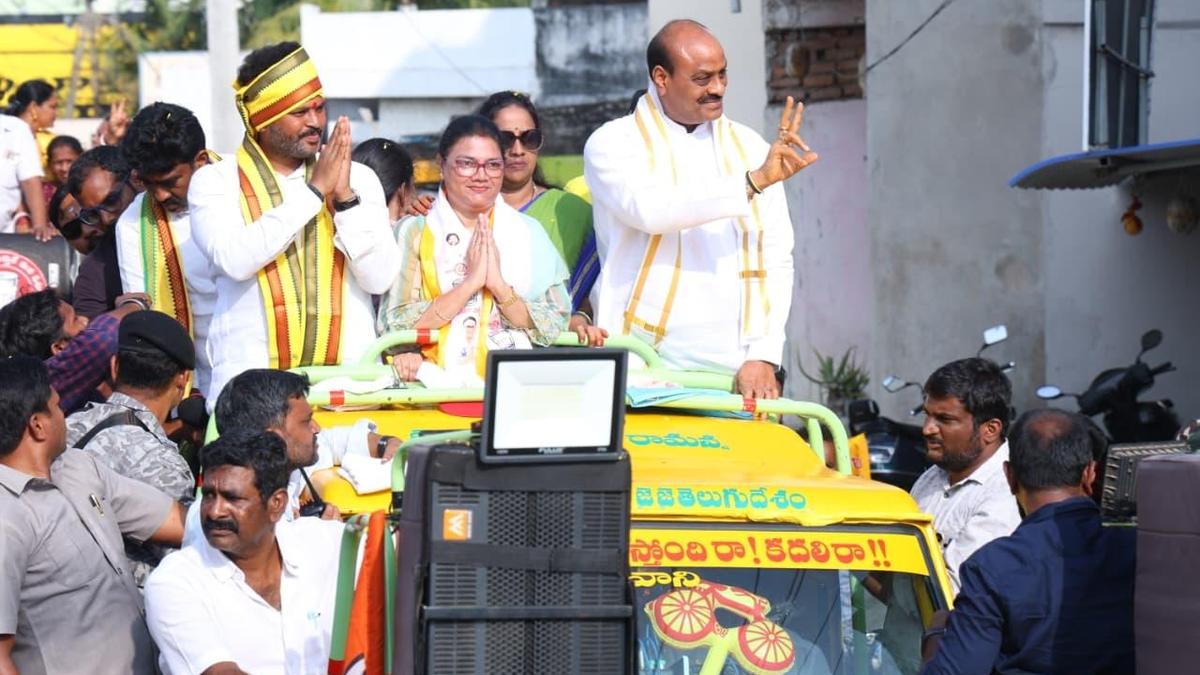
Executive Takeaways
- Triple-Engine Rule: A strategic framework combining infrastructure, technology, and finance to drive Srikakulam's development.
- Government Commitment: Union Minister's pledge signals strong central support for regional growth.
- Economic Impact: Expected to boost local GDP, attract investment, and create jobs.
- Implementation Challenges: Coordination among agencies, funding, and regulatory hurdles remain key risks.
- Future Outlook: If successful, the model could be replicated in other underdeveloped regions.
Section 1: The Core Event & Breaking Timeline
In a significant policy announcement that has captured national attention, the Union Minister unveiled the 'triple-engine rule' for the development of Srikakulam district in Andhra Pradesh. The announcement, made during a high-level meeting with local officials and industry stakeholders, outlines a comprehensive strategy to accelerate growth by synchronizing three critical sectors: infrastructure, technology, and finance. This initiative marks a departure from traditional development models that often prioritize one sector over others, aiming instead for an integrated approach that leverages synergies across these domains.
The event took place on [date] at [location], where the Minister emphasized the need for a holistic development framework. The 'triple-engine' metaphor refers to the three engines of growth: robust infrastructure (including transportation, energy, and digital connectivity), technological innovation (fostering IT parks, startups, and R&D centers), and financial inclusion (access to credit, investment incentives, and banking services). The Minister stated that these engines must fire in unison to propel Srikakulam into a new era of prosperity.
Initial market reactions have been cautiously optimistic. Local business leaders and industry associations have welcomed the move, citing the potential for increased investment and job creation. However, analysts note that the success of such initiatives hinges on effective execution and sustained political will. The announcement has also sparked discussions about the allocation of resources and the timeline for implementation, with some critics questioning whether the necessary groundwork has been laid.
The timeline for the triple-engine rule is expected to span the next 3-5 years, with short-term milestones including the establishment of a task force, feasibility studies, and the identification of key projects. The government has indicated that a detailed roadmap will be released within the next quarter, outlining specific targets and funding mechanisms. This announcement comes at a time when regional development is a key focus of the central government, aiming to bridge the urban-rural divide and promote balanced growth across the country.
Section 2: Deep Technical & Financial Architecture
The triple-engine rule's technical architecture is built on a layered approach, integrating physical and digital infrastructure. The first layer involves upgrading transportation networks—roads, railways, and ports—to improve connectivity and reduce logistics costs. The second layer focuses on digital infrastructure, including high-speed internet, data centers, and smart city technologies. The third layer encompasses financial infrastructure, such as digital payment systems, credit access points, and investment facilitation centers. This stack is designed to be interoperable, allowing data and resources to flow seamlessly between sectors.
From a financial perspective, the model relies on a mix of public and private funding. The government plans to allocate a significant portion of the budget to infrastructure projects, while also offering tax incentives and subsidies to attract private investment in technology and finance. The unit economics suggest that for every rupee invested, the expected return could be 1.5x over five years, driven by increased economic activity and tax revenues. However, this projection is contingent on efficient execution and the absence of bureaucratic delays.
The technology stack includes the deployment of IoT sensors for infrastructure monitoring, AI-driven analytics for resource allocation, and blockchain for transparent financial transactions. These technologies are expected to enhance efficiency and accountability. For instance, real-time data from sensors can inform maintenance schedules, reducing downtime and costs. Similarly, AI can optimize the placement of financial services in underserved areas, ensuring that the benefits reach the last mile.
Balance sheet impact for the state government will be significant, with increased capital expenditure initially, followed by potential revenue streams from improved infrastructure and a thriving tech sector. The government may also leverage public-private partnerships (PPPs) to offload some financial burden. However, careful fiscal management will be crucial to avoid debt traps. The model also envisages the creation of a dedicated development fund, with contributions from both central and state governments, as well as private entities.
In terms of unit economics, the cost of setting up a tech park, for example, is estimated at INR 500 crore, with an expected annual revenue of INR 100 crore from rentals and services, yielding a payback period of five years. Similarly, upgrading a road network might cost INR 200 crore but generate economic benefits worth INR 400 crore over a decade. These figures underscore the potential viability of the model, provided that risks are mitigated.
Section 3: Industry & Global Market Ripple Effects
The triple-engine rule is poised to create ripples across various industries, from construction and logistics to IT and financial services. Local construction companies are expected to benefit from the infrastructure push, while IT firms may find new opportunities in setting up operations in the region. The financial sector could see increased demand for banking services and microfinance. Globally, the model could attract attention from international investors looking for emerging markets with integrated development strategies.
Competitors to Srikakulam, such as other districts in Andhra Pradesh or neighboring states, may feel pressure to replicate or improve upon this model to attract investment. Supply chains could shift as Srikakulam becomes a more attractive location for manufacturing and services, potentially drawing businesses away from overburdened urban centers. This could lead to a more balanced regional economy, reducing migration to cities.
Investors are likely to monitor the progress closely, with early successes potentially unlocking further funding. The model's emphasis on technology and finance aligns with global trends towards digitalization and financial inclusion, making it a compelling case for impact investors. Ecosystem shifts could include the growth of a startup culture, with incubators and accelerators emerging to support tech entrepreneurs.
However, the ripple effects also come with challenges. For instance, a sudden influx of investment could lead to real estate speculation and inflation, affecting local residents. Moreover, if not managed well, the benefits might accrue disproportionately to already advantaged groups, exacerbating inequalities. Therefore, inclusive growth policies must be integral to the implementation.
Section 4: Critical Perspectives, Analyst Debates & Risk Factors
While the triple-engine rule has been broadly welcomed, critics have raised concerns about its feasibility and potential pitfalls. Some analysts argue that the model is overly ambitious and lacks a clear implementation plan. They point to past initiatives that failed due to bureaucratic red tape, corruption, and lack of coordination among agencies. The absence of a detailed roadmap has fueled skepticism, with calls for greater transparency and accountability.
Contrasting viewpoints exist on the sequencing of the engines. Some experts advocate for prioritizing infrastructure first, as it is foundational, while others argue that technology and finance should lead to create demand for infrastructure. This debate reflects differing philosophies on development economics. Furthermore, the reliance on technology may be premature in a region with limited digital literacy and connectivity, potentially widening the digital divide.
Regulatory friction is another risk factor. Land acquisition for infrastructure projects often faces legal and social hurdles. Environmental clearances can cause delays. Financial regulations may restrict the flow of capital to certain sectors. The government will need to navigate these complexities carefully, possibly by streamlining regulations and engaging with stakeholders.
Vulnerabilities include political instability, which could disrupt long-term projects, and economic downturns that might reduce private investment. Additionally, the model's success depends on the availability of skilled labor; without investments in education and training, the tech and finance sectors may struggle to find qualified workers. These risks must be mitigated through robust planning and contingency measures.
Section 5: Strategic Forecast & Road Ahead
Over the next 12-24 months, the focus will be on laying the groundwork for the triple-engine rule. Key milestones include the formation of a steering committee, the completion of feasibility studies, and the launch of pilot projects in each of the three sectors. The government is expected to announce specific policy incentives, such as tax holidays for tech companies and subsidized loans for small businesses. These early steps will be critical in building momentum and attracting private participation.
By the end of the first year, we anticipate the commencement of major infrastructure projects, such as road widening and the establishment of a digital hub. The financial sector may see the opening of new bank branches and the rollout of mobile banking services. Technology adoption could be accelerated through partnerships with major IT firms. These developments will provide tangible signs of progress, boosting investor confidence.
In the second year, the focus will shift to scaling up successful pilots and integrating the three engines. For instance, the digital hub could serve as a platform for financial technology innovations, while improved infrastructure facilitates the movement of goods and people. The government may also evaluate the model's impact and consider refinements. Key performance indicators will include job creation, investment inflows, and improvements in quality of life.
What to watch: the appointment of key officials, the release of the detailed roadmap, the first tranche of funding, and the response from the private sector. Any delays or deviations from the plan could undermine the initiative's credibility. Conversely, early wins could catalyze a virtuous cycle of development. Ultimately, the triple-engine rule represents a bold experiment in integrated regional development, with lessons for other regions in India and beyond.


Comments (0)
No comments yet. Be the first to share your thoughts!
Leave a Comment