Passport Notice Grounds Journalist: Tech & Travel Chaos
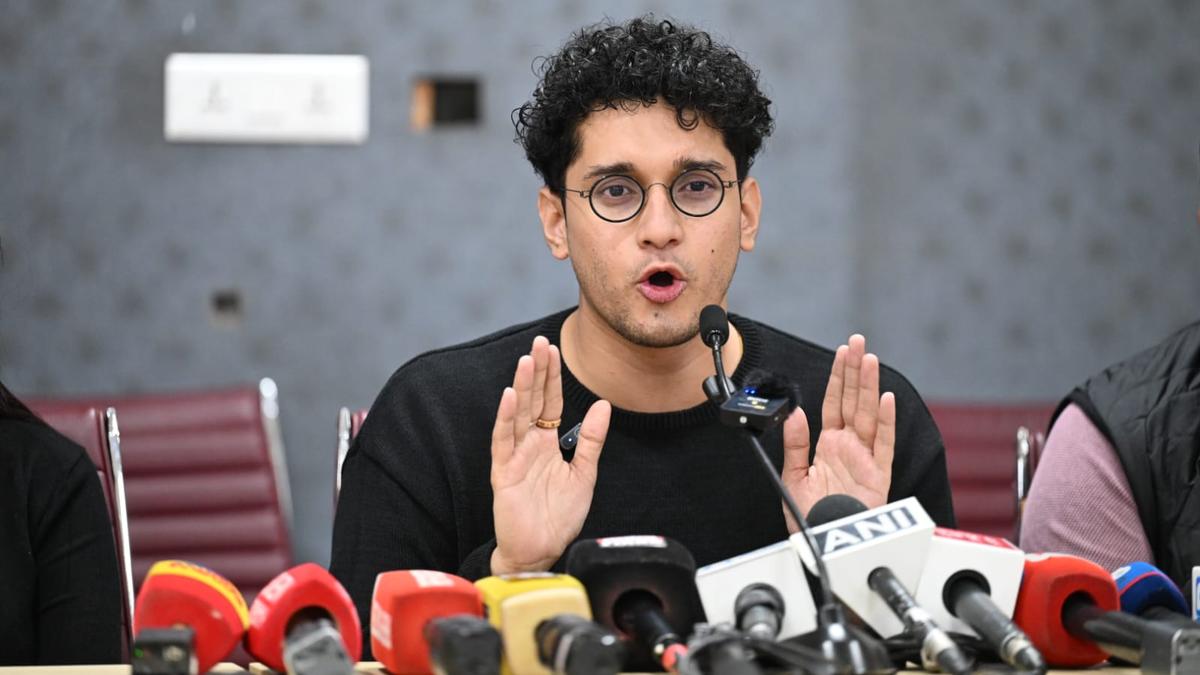
Saurav Das was stopped at Delhi airport after a late-night email notice from Chennai RPO. The incident raises questions about digital governance and travel data systems.
Executive Takeaways
- Late-night email notice: Saurav Das received a notice from Chennai RPO at 7:30 p.m. on Nov 23, hours before his flight, leading to him being stopped at Delhi airport.
- No official explanation: The government has not issued any statement on the reasons for stopping Das, raising transparency concerns.
- Tech angle: The incident highlights the growing use of digital communication for legal notices and the integration of passport databases with airport immigration systems.
- Privacy implications: It underscores the need for robust data governance frameworks as travel and identity data become increasingly digitized.
- Market impact: While no immediate market reaction, the event could influence investor sentiment in India's tech and travel sectors if surveillance concerns escalate.
Section 1: The Core Event & Breaking Timeline
On the evening of November 23, Saurav Das, a journalist associated with the Citizens for Justice and Peace (CJP), was served a notice by the Chennai Regional Passport Office (RPO) via email at 7:30 p.m. Hours later, he was stopped at Delhi's Indira Gandhi International Airport as he attempted to board a flight. The notice, the contents of which have not been publicly disclosed, apparently triggered an alert in the immigration system that led to his detention. The government has remained tight-lipped, issuing no statement on the reasons for the action, leaving Das and the public in the dark about the specific grounds.
The timing of the notice—just hours before his scheduled departure—suggests a coordinated effort to prevent his travel. Das was reportedly on his way to an international destination, though the exact location has not been confirmed. The incident quickly garnered attention on social media, with journalists and civil society members expressing alarm over the use of passport regulations to restrict movement. The lack of official communication has only fueled speculation about the motives behind the move.
Initial market reaction was muted, as the event is seen as a domestic legal matter rather than a direct economic disruptor. However, technology and travel industry analysts are monitoring the situation for potential ripple effects. India's passport system, which has been digitized under the Passport Seva Project, integrates with various databases, including law enforcement and immigration. The incident raises questions about the ease with which such notices can be issued and enforced, and whether adequate safeguards exist to prevent misuse.
The story broke via The Hindu, which reported that Das was stopped at the airport and later released, though his travel plans were thwarted. The newspaper highlighted that the notice was served via email, a method that is increasingly common but also raises concerns about due process and the digital divide. As of now, neither the Chennai RPO nor the Ministry of External Affairs has commented on the specifics of the case, leaving a cloud of uncertainty over the affair.
Section 2: Deep Technical & Financial Architecture
The Passport Seva Project, launched in 2008, is a flagship e-governance initiative that digitized the passport application and issuance process. It involves a centralized database managed by the Ministry of External Affairs, with integration points to police verification systems, immigration controls, and other government agencies. When a notice is issued—such as a Look Out Circular (LOC) or a passport suspension—it is entered into the system, which then flags the individual's record. At airports, the Immigration Bureau's systems query this database in real-time, allowing officials to intercept travelers.
The technical architecture relies on a combination of web services, secure APIs, and batch processing. Notices can be generated and dispatched electronically, as was the case with Das, where an email was sent at 7:30 p.m. The system is designed to be efficient, but critics argue that it lacks transparency and appeal mechanisms. The email itself may have contained a PDF attachment with the notice, but without digital signatures or verifiable delivery, questions arise about authenticity and receipt. The government's IT infrastructure, while robust, has faced outages and security breaches in the past, raising concerns about data integrity.
From a financial perspective, the passport ecosystem generates significant revenue through application fees, with over 10 million passports issued annually in India. The digitization has reduced processing times and costs, but it has also created a market for third-party agents and tech vendors. Companies like Tata Consultancy Services (TCS) and Wipro have been involved in maintaining the Passport Seva infrastructure, with contracts worth hundreds of crores. The incident could prompt a review of these contracts and the associated data governance frameworks, potentially impacting future tech spending by the government.
Unit economics of the passport system are favorable, with each passport application costing the government around ₹1,500-2,000, while fees range from ₹1,500 to ₹5,000 depending on urgency. The system is largely self-sustaining, but the integration with immigration and law enforcement adds complexity. The notice issued to Das likely originated from a regional office, which has the authority to suspend or revoke passports under the Passports Act, 1967. The Act allows for such actions on various grounds, including national security, but the lack of public disclosure in this case raises red flags about the use of these powers.
Data privacy is a critical concern. India's proposed Data Protection Bill (now the Digital Personal Data Protection Act, 2023) aims to regulate the processing of personal data, but its implementation is still evolving. The incident highlights the need for clear protocols on how notices are served and how individuals can challenge them. Without such safeguards, the digitization of governance could lead to arbitrary actions, undermining trust in the system.
Section 3: Industry & Global Market Ripple Effects
The immediate industry impact is likely to be felt in the travel and aviation sectors, which are still recovering from the pandemic. Airlines and travel agencies may see increased scrutiny of passenger documents, leading to longer check-in times and potential disruptions. The incident could also affect India's image as a safe destination for business travelers and tourists, particularly if similar actions become more frequent. Global companies with operations in India may reassess their travel policies, potentially impacting business travel spending.
In the technology sector, the event underscores the risks associated with e-governance platforms. Companies involved in identity verification, such as Aadhaar-based services, could face heightened scrutiny. Startups in the travel tech space, which rely on seamless integration with government databases, might need to build additional compliance layers. Investors in Indian tech stocks may adopt a cautious stance, monitoring for any signs of increased regulatory overreach that could stifle innovation.
Globally, the incident resonates with ongoing debates about surveillance and digital rights. Countries like the US and EU have strict data protection laws, and India's actions could be viewed through that lens. International media has picked up the story, with outlets like the BBC and Al Jazeera reporting on the implications for press freedom. This could deter foreign investment in India's tech sector if perceived as a sign of declining democratic norms.
Supply chains are unlikely to be directly affected, but the broader ecosystem of digital identity and border control is in focus. Companies like Mastercard and Visa, which have invested in India's digital payments infrastructure, may monitor the situation for any impact on cross-border transactions. The incident also highlights the need for international cooperation on data sharing and privacy standards, as travel data increasingly crosses borders.
Section 4: Critical Perspectives, Analyst Debates & Risk Factors
Critics argue that the government's action against Das is part of a broader pattern of suppressing dissent, using technological tools to silence journalists. They point to the lack of transparency and the timing of the notice as evidence of mala fide intent. Legal experts contend that serving a notice via email hours before travel violates principles of natural justice, as the individual has no opportunity to respond or seek remedy. The Passports Act does allow for impounding of passports, but due process must be followed.
On the other hand, government supporters might argue that the action was taken in accordance with the law, and that national security concerns justify secrecy. They could claim that the notice was issued after due consideration and that Das had the opportunity to respond if he had checked his email earlier. However, this perspective is undermined by the lack of any official statement or evidence of wrongdoing.
Analysts are debating the implications for India's digital governance model. Some see it as a test case for the new Data Protection Act, which mandates transparency in data processing. Others worry that the incident could lead to a chilling effect on journalism and free speech, with journalists self-censoring to avoid similar actions. The risk of reputational damage to India's tech sector is significant, as global partners may question the reliability of Indian digital systems.
Regulatory friction is another risk factor. The incident could prompt courts to intervene, setting precedents on the use of digital notices. It may also accelerate calls for an independent oversight body for passport and immigration data. Companies operating in India should prepare for potential audits and compliance checks, as the government may tighten regulations in response to public outcry.
Section 5: Strategic Forecast & Road Ahead
In the next 12-24 months, we can expect increased scrutiny of India's passport and immigration systems. The government may introduce reforms to enhance transparency, such as requiring digital signatures on notices and providing online portals for appeal. However, given the current political climate, such changes may be slow to materialize. The incident could also lead to legal challenges that may reach the Supreme Court, setting important precedents.
Technology vendors involved in the Passport Seva Project should anticipate audits and potential contract reviews. They may need to demonstrate robust data security and privacy measures to retain government contracts. Startups in the identity verification space could see opportunities in offering compliance solutions, but they must navigate a complex regulatory landscape.
Investors should watch for signals from the government on data protection and surveillance. Any further incidents of this nature could erode confidence in India's digital economy, impacting foreign direct investment. Conversely, if the government takes corrective measures, it could bolster trust and attract investment in govtech and cybersecurity.
Key milestones to watch include the implementation of the Digital Personal Data Protection Act, upcoming court hearings on this case, and any statements from the Ministry of External Affairs. The story is likely to evolve as more details emerge, and Incisor News will continue to provide updates on this developing narrative.




Comments (0)
No comments yet. Be the first to share your thoughts!
Leave a Comment