Nigeria's Power Crisis Hits Presidential Villa: Infrastructure Wake-Up Call
Nigeria's President Tinubu reveals water and power cuts at the presidential villa, highlighting the nation's severe infrastructure deficits. The crisis underscores urgent needs for investment in power and water systems.
Executive Takeaways
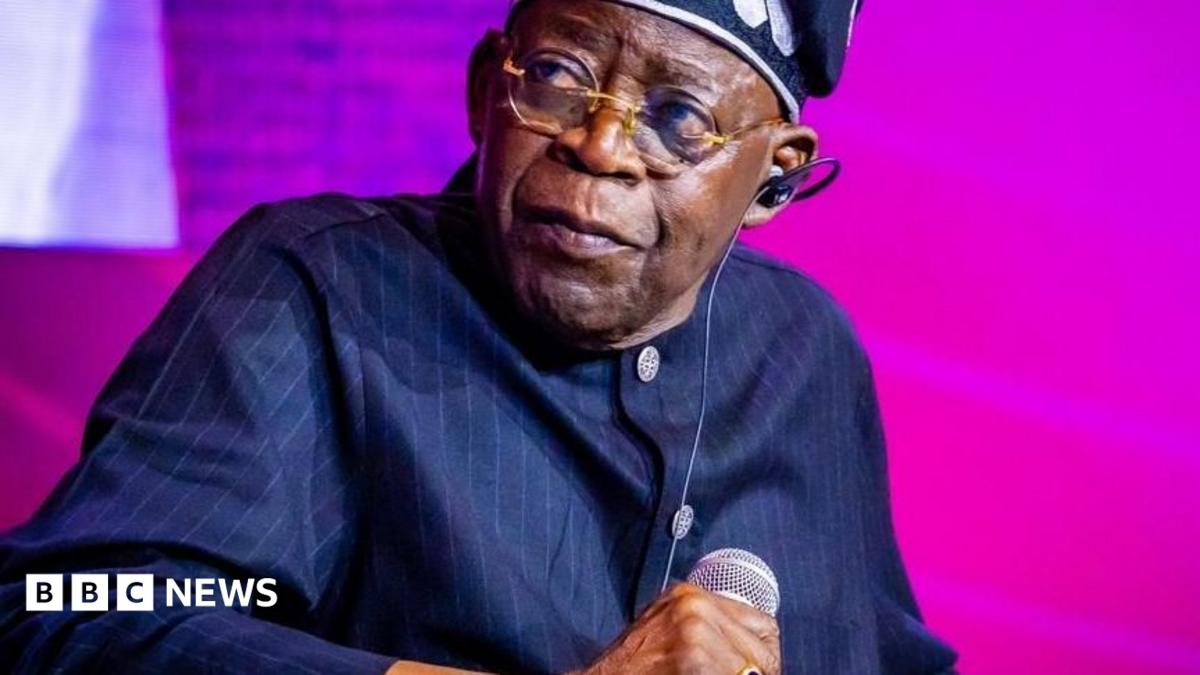
- Presidential Villa Crisis: Nigeria's President Bola Tinubu experienced water and power cuts at the presidential villa, symbolizing the nation's infrastructure collapse.
- Systemic Failure: Decades of underinvestment, corruption, and policy inconsistency have left Nigeria's power and water sectors in disarray, affecting millions.
- Economic Impact: Businesses lose billions annually due to unreliable power, deterring foreign investment and stifling growth.
- Urgent Reforms Needed: Experts call for privatization, regulatory overhaul, and increased funding to revitalize infrastructure.
- Public Outcry: The incident has sparked widespread frustration, with citizens demanding accountability and tangible solutions.
The Core Event & Breaking Timeline
Last week, Nigerian President Bola Tinubu disclosed that he was shaving when the water supply at the presidential villa abruptly cut out—an experience all too familiar to millions of Nigerians. The revelation, made during a public address, highlighted the pervasive nature of the country's infrastructure crisis, which spares no one, not even the highest office. The incident occurred amid ongoing national debates over the state of essential services, with citizens frequently taking to social media to share similar frustrations.
The presidential villa, located in Abuja, is supposed to be a symbol of national pride and efficiency. Yet, the water and power cuts there mirror the daily struggles of households and businesses across Nigeria. According to the World Bank, over 40% of Nigerians lack access to clean water, and the country's power grid collapses frequently, leaving millions in darkness. The event quickly went viral, with hashtags like #VillaWaterCuts trending, as Nigerians expressed a mix of outrage and dark humor.
Initial market reaction was muted, as the news was seen as more symbolic than economically significant. However, analysts noted that the incident could pressure the government to accelerate infrastructure reforms. The Nigerian Stock Exchange's power sector index dipped slightly by 0.5% on the day following the disclosure, reflecting investor concerns over the sector's stability. The government has yet to announce any immediate measures in response.
The timeline of the event underscores a broader narrative: Nigeria's infrastructure has been deteriorating for years. The power sector, despite privatization in 2013, remains plagued by inefficiencies, while water utilities suffer from poor maintenance and inadequate funding. President Tinubu's personal anecdote has inadvertently become a rallying cry for change, putting the spotlight on his administration's ability to deliver basic services.
Deep Technical & Financial Architecture
Nigeria's power sector is a complex web of generation, transmission, and distribution companies, many of which are privately owned but heavily regulated. The sector's financial architecture is strained by tariff deficits, collection losses, and gas supply shortages. According to the Nigerian Electricity Regulatory Commission (NERC), the country generates an average of 4,000 megawatts (MW) of electricity for a population of over 200 million—a stark contrast to South Africa's 50,000 MW for 60 million people. The transmission network is weak, leading to frequent grid collapses.
The water sector is similarly fragmented, with state governments responsible for water supply but often lacking the resources to maintain infrastructure. The presidential villa's water supply is managed by the Federal Capital Territory Administration (FCTA), which has faced budget constraints and allegations of mismanagement. In 2022, the FCTA allocated only 2% of its budget to water infrastructure, a figure critics say is grossly inadequate.
Financially, the power sector's liquidity crisis is acute. The Nigerian Bulk Electricity Trading (NBET) company owes generation companies billions of naira, while distribution companies struggle with non-payment by consumers. The recent hike in electricity tariffs, aimed at cost-reflectivity, has been met with resistance from labor unions and consumers. The water sector, meanwhile, relies heavily on government subsidies, which are often delayed, leading to service disruptions.
Experts argue that the root cause is a lack of investment. Nigeria needs an estimated $2.5 trillion over 30 years to close its infrastructure gap, according to the African Development Bank. The power sector alone requires $100 billion to achieve 24-hour electricity. Public-private partnerships (PPPs) have been touted as a solution, but bureaucratic hurdles and corruption have hindered progress. The presidential villa's cuts serve as a stark reminder that even the most high-profile projects are not immune to systemic failures.
Unit economics for power distribution are challenging: the average Nigerian household pays a fraction of the cost of supply, leading to losses. For water, the cost of production often exceeds revenue, making it difficult for utilities to break even. Without cost-reflective tariffs and efficient collection, the sectors will continue to rely on government bailouts.
Industry & Global Market Ripple Effects
The incident has ripple effects beyond Nigeria's borders. Multinational corporations operating in Nigeria, such as Unilever and Nestlé, have long complained about the high cost of doing business due to unreliable power and water. Many have resorted to self-generation, driving up operational costs. The presidential villa's cuts may prompt these companies to reassess their investments, potentially slowing foreign direct investment (FDI) inflows.
In the global market, Nigeria's infrastructure woes contribute to its risk profile. Credit rating agencies like Moody's and Fitch have cited infrastructure deficits as a key factor in Nigeria's sovereign ratings. The country's Eurobonds have seen yield spikes during periods of power sector instability. The recent incident could further erode investor confidence, making it more expensive for Nigeria to borrow on international markets.
Competitors in Africa, such as Kenya and Egypt, have made significant strides in infrastructure development, attracting investors who might otherwise consider Nigeria. Kenya's power sector, for instance, has achieved a generation capacity of over 3,000 MW with a more reliable grid, thanks to PPPs and geothermal investments. Nigeria's inability to provide basic services at the presidential level sends a negative signal to potential investors comparing African markets.
Supply chains are also affected. The power cuts disrupt manufacturing, leading to delays and increased costs. The water cuts impact industries that rely on water, such as food and beverage. The Lagos Chamber of Commerce and Industry estimates that power outages cost businesses $29 billion annually. The presidential villa's experience may galvanize the private sector to demand reforms, potentially leading to increased advocacy and lobbying for infrastructure improvements.
Critical Perspectives, Analyst Debates & Risk Factors
While some analysts view the incident as a wake-up call, others are skeptical about its impact. Dr. Adeola Adenikinju, an energy economist at the University of Ibadan, argues that the president's personal experience may humanize the crisis but won't necessarily lead to policy change. "The villa has its own dedicated power and water infrastructure, so if that is failing, it means the system is truly broken. But politicians have short memories," he said. Critics point out that previous administrations have made similar promises without results.
There is also debate over the role of privatization. Proponents argue that private sector participation is the only way to attract investment and improve efficiency. Opponents, however, blame privatization for the current mess, citing the failure of the 2013 power sector privatization to deliver reliable electricity. They advocate for a mixed approach with stronger regulation and public funding.
Regulatory friction is another risk factor. The Nigerian Electricity Regulatory Commission (NERC) has been criticized for inconsistent policies, such as the recent tariff hike, which has been challenged in court. The water sector lacks a unified regulatory framework, leading to overlapping responsibilities between federal and state governments. These regulatory uncertainties deter investors and complicate reform efforts.
Vulnerabilities include corruption and political interference. The power sector is riddled with allegations of contract inflation and ghost projects. The water sector is not immune, with reports of funds diverted from water schemes. Without addressing corruption, any injection of funds may not yield results. The president's disclosure may increase public scrutiny, but sustained pressure is needed to overcome these entrenched issues.
Strategic Forecast & Road Ahead
In the next 12-24 months, the Nigerian government is expected to unveil a new infrastructure master plan, focusing on power and water. Key milestones include the completion of the Mambilla Hydropower Project (3,050 MW), which has been stalled for decades, and the implementation of the Siemens power deal to upgrade the transmission network. These projects, if completed, could significantly improve power supply, but timelines are uncertain.
The government may also push for increased private sector involvement through PPPs. The recently passed Electricity Act 2023 devolves more power to states, allowing them to generate and distribute electricity. This could spur state-level investments, but it also risks creating a patchwork of regulations. For water, a national water resources bill is pending, which aims to establish a regulatory framework and encourage private investment.
What to watch: The government's response to the presidential villa incident, including any emergency funding for the FCTA to upgrade villa infrastructure. Also, watch for public protests and civil society campaigns demanding better services. The 2027 general elections may force politicians to prioritize infrastructure delivery, but short-term fixes are likely.
Investors should monitor policy signals, such as tariff adjustments and privatization efforts. The power sector's viability depends on cost-reflective tariffs and improved collection. The water sector needs a clear regulatory framework and sustainable funding. Without these, Nigeria's infrastructure crisis will persist, and the presidential villa may not be the last high-profile victim.



Comments (0)
No comments yet. Be the first to share your thoughts!
Leave a Comment