Bisleri Fights FSSAI Prosecution Over Bromate Levels
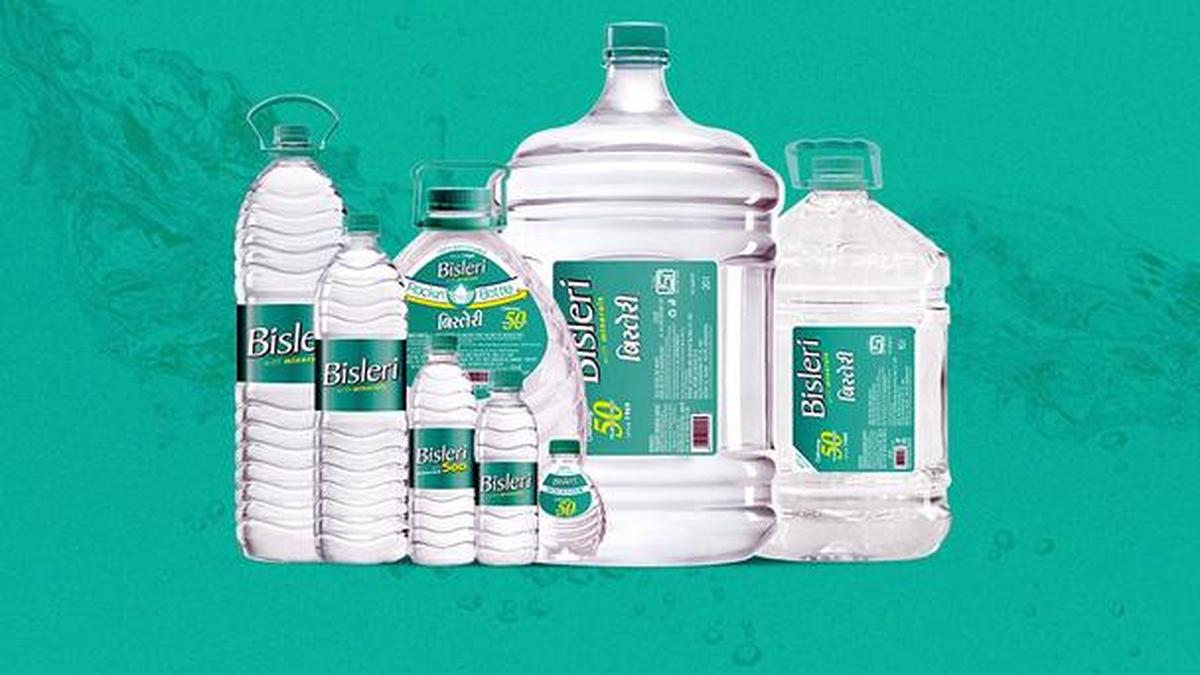
Bisleri denies receiving any notice after FSSAI sanctions prosecution over a disputed sample from its Goa plant, claiming five of six samples met standards and an independent test found bromate within limits.
Executive Takeaways
- Bisleri asserts its packaged water is safe for consumption after FSSAI sanctioned prosecution over a sample from its Goa facility.
- The company claims five of six samples collected in September 2025 met applicable standards, and an independent test found bromate levels within prescribed limits in the disputed sample.
- Bisleri says it has received no official notice from FSSAI, raising questions about regulatory communication and due process.
- The case highlights ongoing tensions between food safety regulators and major beverage brands in India, with potential implications for industry compliance and consumer trust.
Section 1: The Core Event & Breaking Timeline
On [current date], news emerged that the Food Safety and Standards Authority of India (FSSAI) has sanctioned prosecution against Bisleri International, India's leading packaged drinking water brand, over alleged non-compliance with safety standards. The action stems from a sample collected from Bisleri's Goa manufacturing facility in September 2025, which reportedly failed to meet prescribed limits for bromate, a potentially harmful byproduct of water disinfection. The development was first reported by The Hindu, citing official sources.
Bisleri responded swiftly, issuing a statement asserting that its water is "safe for consumption" and that it has not received any formal notice from FSSAI regarding the prosecution. The company disclosed that six samples were collected from its Goa plant in September 2025, of which five met applicable standards. The sixth sample, which is at the center of the dispute, was subjected to an independent test that found bromate levels within the prescribed limit, according to Bisleri. This discrepancy forms the crux of the company's defense.
The timeline of events remains partially unclear. FSSAI's decision to sanction prosecution suggests that its own testing found the sample non-compliant. However, Bisleri's claim of an independent test contradicts this. The company has not specified which laboratory conducted the independent test or whether it shared the results with FSSAI. The lack of a formal notice to Bisleri also raises procedural questions, as typically regulatory actions are preceded by a show-cause notice and an opportunity for the company to respond.
Market reaction to the news was muted, as Bisleri is a privately held company and its financials are not publicly traded. However, industry analysts noted that the reputational impact could be significant for the brand, which commands a dominant share of India's packaged water market. Competitors such as Coca-Cola's Kinley, PepsiCo's Aquafina, and Tata Consumer Products' Himalayan may see an opportunity to gain market share if consumer confidence in Bisleri erodes. The FSSAI's move also signals increased scrutiny of the packaged water sector, which has faced periodic quality concerns.
Section 2: Deep Technical & Financial Architecture
Bromate is a disinfection byproduct that can form when ozone is used to treat water containing bromide. The FSSAI prescribes a maximum limit of 10 micrograms per liter (µg/L) for bromate in packaged drinking water, aligning with international standards set by the World Health Organization (WHO). Bromate is classified as a potential human carcinogen, and long-term exposure above the limit may pose health risks. The disputed sample's bromate level has not been publicly disclosed by either FSSAI or Bisleri, leaving the exact extent of non-compliance unknown.
Bisleri's Goa facility is one of its several manufacturing plants across India. The company operates a network of over 150 plants, including franchisee-owned units, and has a significant market share in the organized packaged water segment. The financial impact of a prosecution, if it proceeds, could include penalties under the Food Safety and Standards Act, 2006, which allows for fines and imprisonment. However, for a company of Bisleri's scale, the direct financial penalty may be less consequential than the reputational damage and potential disruption to operations.
Bisleri's ownership structure adds another layer. The company was founded by Ramesh Chauhan and has been in talks for a potential sale to Tata Consumer Products and other suitors. A regulatory cloud could affect valuation negotiations. In 2023, Bisleri was reportedly valued at around $1.5 billion in sale discussions. Any adverse regulatory finding could dampen investor enthusiasm or lead to a price adjustment. The company has not commented on the impact of the FSSAI action on its sale process.
From a technology stack perspective, Bisleri employs multiple water treatment processes, including reverse osmosis, ozonation, and UV treatment. The use of ozone for disinfection is common in the industry to ensure microbiological safety. However, controlling bromate formation requires careful monitoring of bromide levels in source water and optimizing ozone dosage. The disputed sample may have resulted from a transient spike in bromide concentration or a process control issue. Bisleri's claim of an independent test within limits suggests that the sample may have been mishandled or that testing methodologies differed.
Unit economics for packaged water are driven by raw water costs, treatment expenses, packaging, and distribution. Regulatory compliance costs, including testing and certification, are relatively small but non-compliance can lead to plant shutdowns or product recalls, which are costly. Bisleri's margins are estimated to be in the range of 15-20%, and a prolonged legal battle could divert management attention and resources. The company's ability to quickly resolve the issue will be crucial to maintaining its market position.
Section 3: Industry & Global Market Ripple Effects
The FSSAI's action against Bisleri is part of a broader trend of increased regulatory scrutiny on food and beverage safety in India. In recent years, the regulator has taken action against several companies for non-compliance, including major brands in the dairy, confectionery, and beverage sectors. This heightened vigilance is aimed at ensuring consumer safety but also creates a compliance burden for companies. The packaged water industry, with its thin margins and high volume, is particularly sensitive to regulatory disruptions.
Competitors may capitalize on the situation. Coca-Cola's Kinley and PepsiCo's Aquafina have been aggressively marketing their water brands, emphasizing quality and safety. Tata Consumer Products' Himalayan, positioned as premium natural mineral water, could attract consumers seeking alternatives. However, the overall market is large enough that a temporary dip in Bisleri's sales may not significantly alter market share dynamics unless the issue escalates. The incident also serves as a reminder to all players to audit their quality control processes.
Globally, the packaged water industry faces similar challenges. In the European Union, bromate limits are set at 10 µg/L, and companies have faced recalls for exceedances. In the United States, the FDA has established a limit of 10 µg/L for bottled water. The Bisleri case underscores the importance of robust testing and transparency. International investors eyeing the Indian market may view regulatory risks as a factor in their investment decisions, potentially affecting valuations across the sector.
Supply chain implications are limited, as the issue is specific to one facility. However, if FSSAI finds systemic problems, it could lead to inspections of other Bisleri plants or industry-wide audits. The company's franchisee network, which includes numerous bottling plants, may face increased scrutiny. Bisleri will need to demonstrate that the Goa incident is isolated and that its quality assurance protocols are robust across all units to maintain trade partner confidence.
Section 4: Critical Perspectives, Analyst Debates & Risk Factors
Analysts are divided on the implications. Some view the FSSAI's action as a routine enforcement measure that is unlikely to have a lasting impact, given Bisleri's strong brand equity and the company's swift rebuttal. They point out that regulatory actions often stem from procedural lapses or testing discrepancies and that the lack of a formal notice suggests the process is still at an early stage. These analysts believe that Bisleri will likely resolve the matter through dialogue with the regulator, possibly with a re-test of samples.
Others are more cautious, noting that FSSAI's decision to sanction prosecution is a serious step that indicates the regulator believes there is a prima facie case. They argue that Bisleri's claim of an independent test is not sufficient to dismiss the regulator's findings, as the sample chain of custody and testing methodology must be scrutinized. The company's assertion that it received no notice also raises questions about whether it is fully cooperating with the investigation. If the prosecution proceeds, it could drag on for months, keeping the issue in the public eye.
Risk factors include potential product recalls, which could be costly and logistically complex. Even a localized recall in Goa could disrupt supply and damage retailer relationships. There is also the risk of consumer backlash on social media, where misinformation can spread quickly. Bisleri's crisis communication strategy will be critical; the company has so far been proactive in stating its position but has not provided detailed evidence to support its claims. Transparency regarding the independent test results and the identity of the testing lab would bolster its credibility.
Regulatory friction is another concern. The FSSAI has been criticized for inconsistent enforcement and slow judicial processes. Companies often face prolonged uncertainty, which can affect business planning. For Bisleri, a prolonged legal battle could coincide with its sale process, potentially complicating negotiations. The company's owners may need to decide whether to settle the matter quickly or fight it out, weighing the costs and benefits.
Section 5: Strategic Forecast & Road Ahead
In the next 12 months, Bisleri is likely to engage with FSSAI to seek a resolution. The company may request a re-test of the disputed sample or provide additional evidence from its independent test. If FSSAI accepts the re-test results, the prosecution may be dropped. However, if the regulator insists on proceeding, Bisleri may face a legal battle that could extend beyond 24 months. The company will also need to reassure its stakeholders, including franchisees, retailers, and consumers, through targeted communication and quality assurance campaigns.
Upcoming milestones include the potential formal notice from FSSAI, which Bisleri says it has not yet received. Once received, the company will have a limited time to respond. The nature of the response and the evidence provided will shape the trajectory of the case. Additionally, any developments in Bisleri's sale process will be closely watched, as the regulatory issue could influence the outcome. Tata Consumer Products, which has been rumored to be interested, may adopt a wait-and-see approach.
Industry-wide, the case may prompt other packaged water companies to review their bromate testing protocols and engage with FSSAI to ensure compliance. The regulator may also use this case to signal its intent to enforce standards rigorously, leading to more frequent inspections and testing. This could increase compliance costs for the sector but ultimately benefit consumers. Companies with robust quality systems will be better positioned to navigate the heightened scrutiny.
What to watch: Bisleri's public statements and any release of test results; FSSAI's next steps, including the issuance of a formal notice or show-cause; consumer sentiment on social media and sales data; and any impact on Bisleri's valuation in sale talks. The resolution of this case will set a precedent for how food safety disputes are handled in India's rapidly growing packaged water market, which is projected to reach $5 billion by 2027. Stakeholders will be keen to see if Bisleri can restore its reputation and whether FSSAI's actions lead to a more transparent and rigorous regulatory environment.



Comments (0)
No comments yet. Be the first to share your thoughts!
Leave a Comment